



Red Terracotta Ceramic Vase
These red terracotta ceramic vase examples span earthenware and porcelain traditions, offering collectors distinct pieces shaped by nineteenth and early twentieth century workshops.
Red Terracotta Ceramic Vase
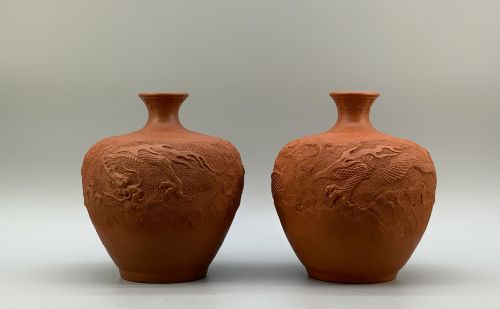
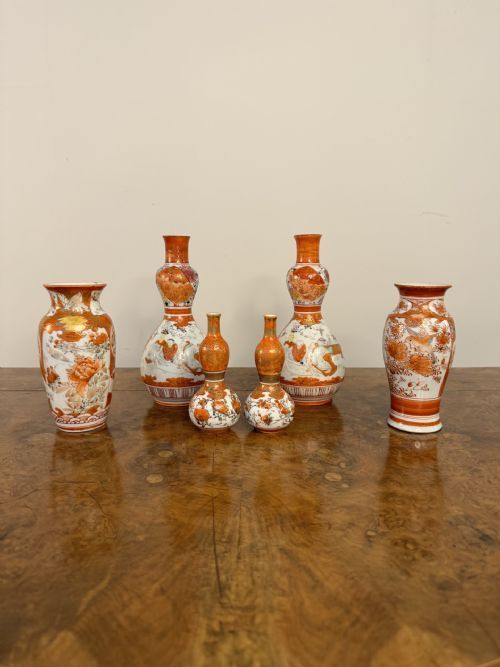
When you search for a red terracotta ceramic vase, you find vessels originating from Japanese and Chinese kilns alongside European factories. The selection on this page centres on earthenware and porcelain objects from the nineteenth century up to the nineteen-twenties.
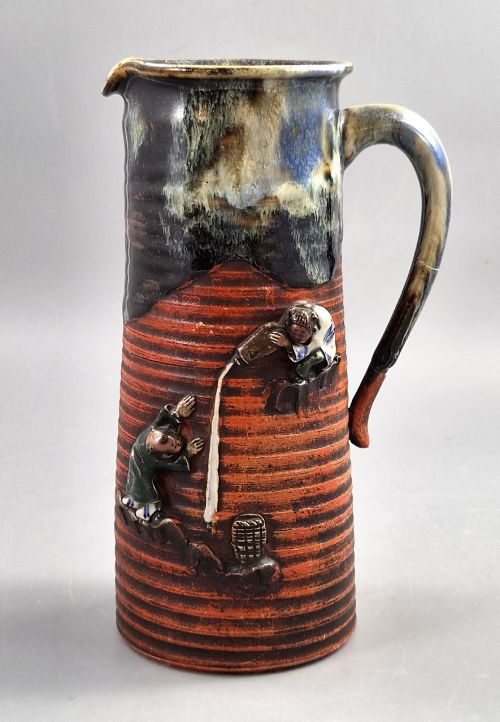
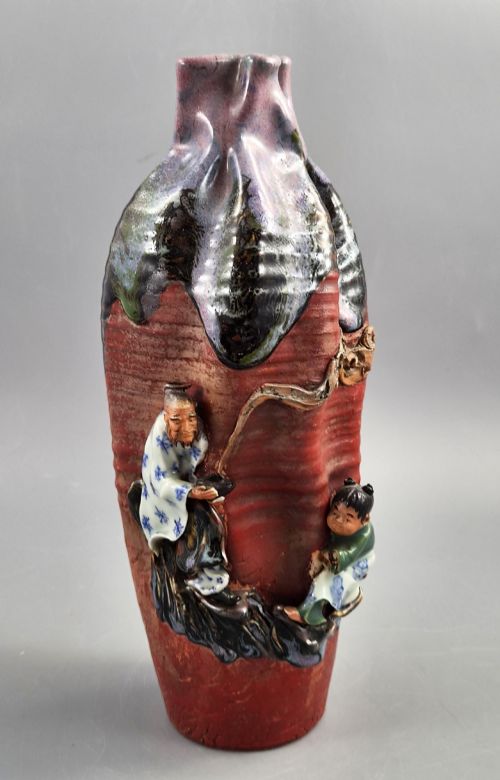
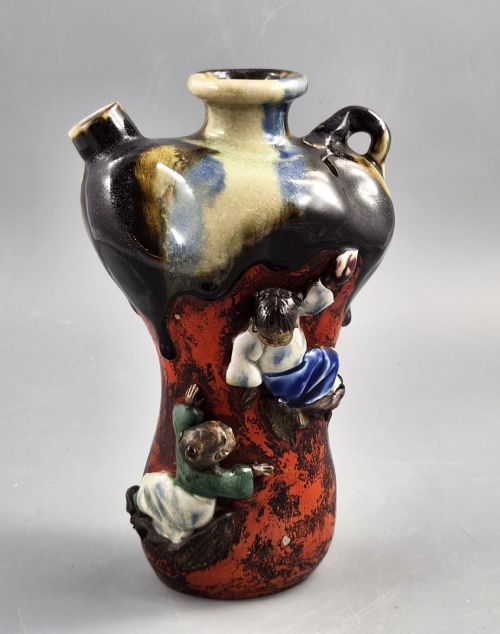
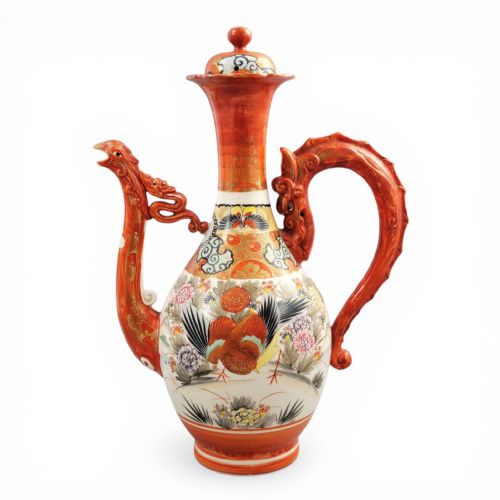
Most entries belong to wider ceramic traditions such as Sumida Gawa, Kutani, and Yixing pottery. These pieces take forms ranging from baluster vases to ewers and pitchers, reflecting diverse regional aesthetics from the Meiji and Qing periods.
Materials and construction methods
Makers utilised earthenware, terracotta, and porcelain bodies, frequently enhancing surfaces with applied figures, glaze, and enamel. Some vessels incorporate brass or gold leaf details alongside hand-painted polychrome decoration.
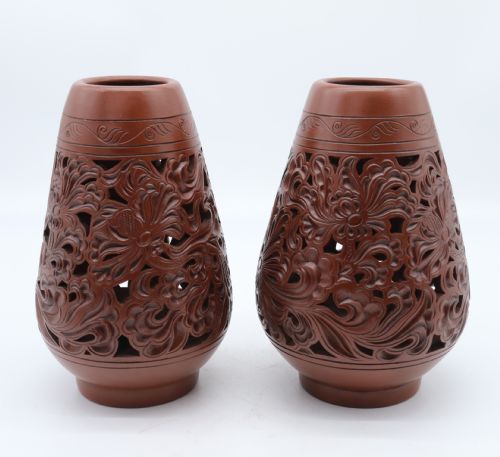
Techniques range from reticulated clay cutting and slip application to lacquer over-paint and flambe glaze effects. Potters shaped these pieces using traditional wheel-throwing and hand-modelling methods before firing them in kilns.
Listings feature earthenware, porcelain, and terracotta materials spanning the nineteenth century to nineteen-twenties.
Assessing quality in ceramic vessels
Quality rests in the precision of the modelling and the control of the glaze or enamel work. Finer examples display crisp detail in applied figural elements, such as the karako scenes found on Sumida Gawa wares.
The sophistication of the hand-painted decoration and the balance of the vessel form distinguish standard productions from superior pieces. Preservation of delicate over-paint, gold leaf, and reticulated elements also elevates an object.
Inoue Ryosai·Ban-ni·Doulton Slater
The Red Terracotta Ceramic Vase Glossary
- Terracotta
- A porous earthenware body fired at relatively low temperatures, typically reddish-brown in colour. It forms the structural base for many unglazed or slip-decorated sculptural vessels.
- Earthenware
- Pottery fired at lower temperatures than stoneware or porcelain, remaining porous unless glazed. This material underlies traditional Japanese and European utilitarian or decorative forms.
- Porcelain
- A vitrified ceramic material made from clay containing kaolin, fired at high temperatures to achieve a dense, impermeable body. It is known for its white colour and resonant ring when struck.
- Flambe
- A streaked or mottled glaze effect achieved through reduction firing, producing rich colour variations across the ceramic surface. This technique appears on select nineteenth-century pottery.
- Reticulated
- Openwork decoration cut into the clay wall of a vessel before firing, creating an intricate lattice pattern. It requires considerable skill to execute without warping the body.
Red Terracotta Ceramic Vase: Frequently Asked Questions
What periods do these ceramic pieces date from?
The pieces span the nineteenth century and the early twentieth century, encompassing the Meiji and Taisho eras in Japan alongside Victorian and Qing dynasty items.
Dates are assigned based on stylistic evidence, signatures, and manufacturing techniques recorded in the listings.
How were these vases and vessels used originally?
Many served as decorative display items within domestic interiors, while others functioned as pitchers, ewers, or lidded containers for daily use.
Some examples were later adapted into table lamps during the nineteenth or twentieth centuries, altering their original function.
How do I distinguish Kutani from Sumida Gawa pottery?
Kutani porcelain pieces typically feature detailed hand-painted enamel decoration, often incorporating rich red and gold palettes with figural or floral motifs.
Sumida Gawa pottery is distinguished by heavy, fluid glazes and high-relief applied figures like karako children or sages modelled directly onto the clay body.
How should I care for antique ceramic vases?
Display the pieces away from direct sunlight and areas of high humidity to protect fragile enamels, gold leaf, and lacquer over-paint.
Dust them gently with a soft, dry brush and avoid using liquid cleaners or immersing them in water, particularly pieces with applied figures or porous terracotta bodies.