


Red Silk Embroidery Hanging
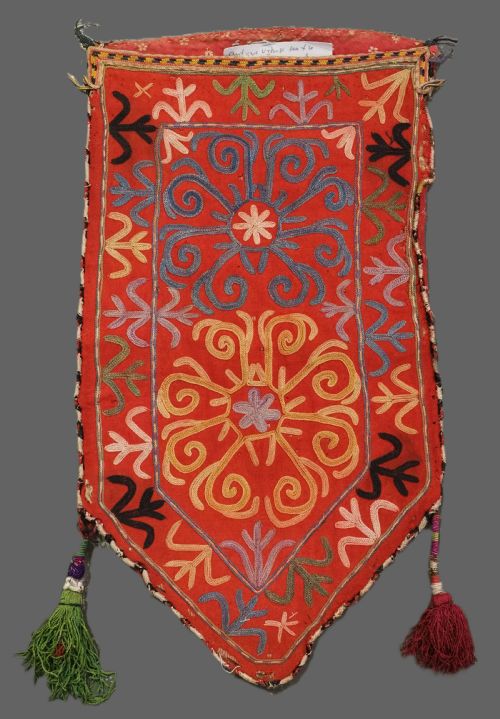
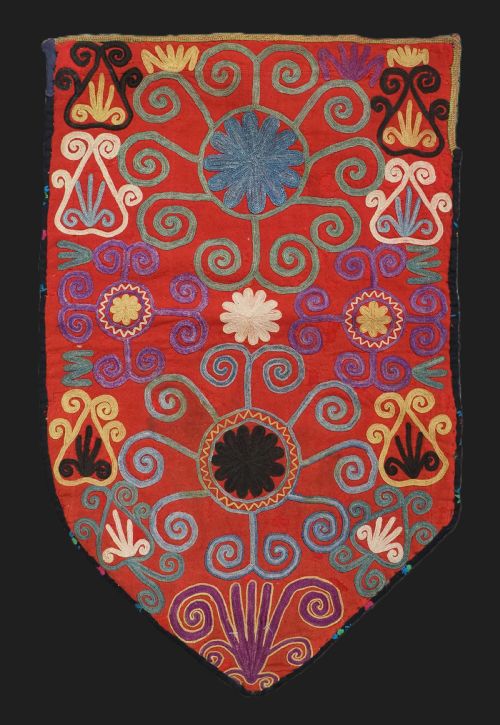
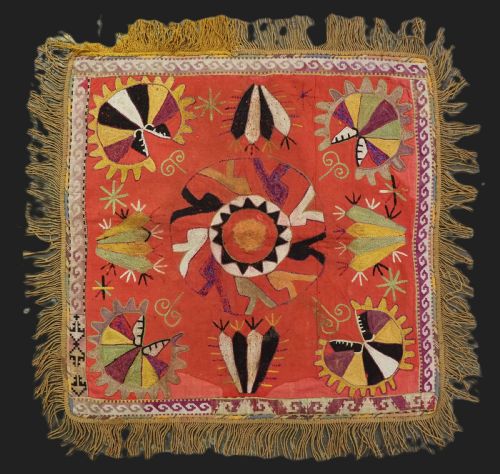
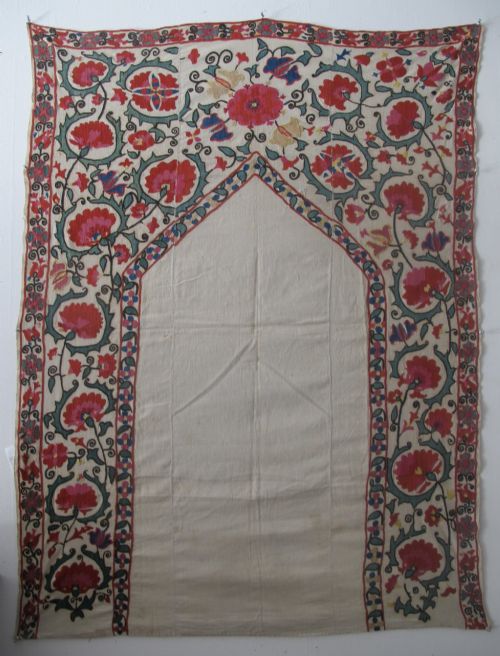
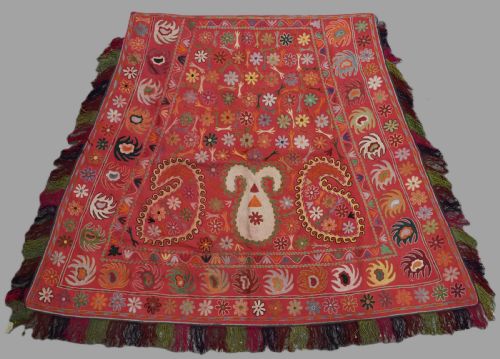
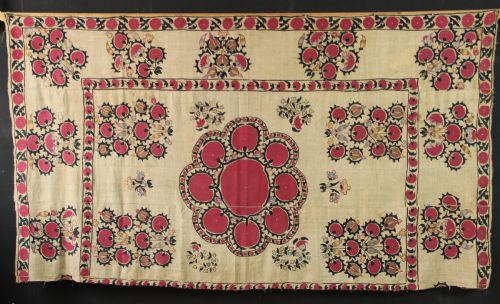
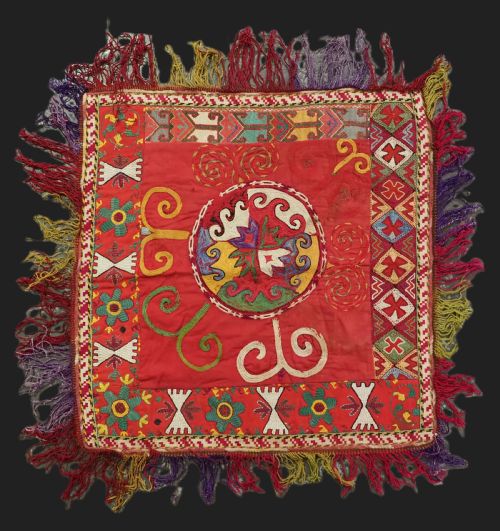
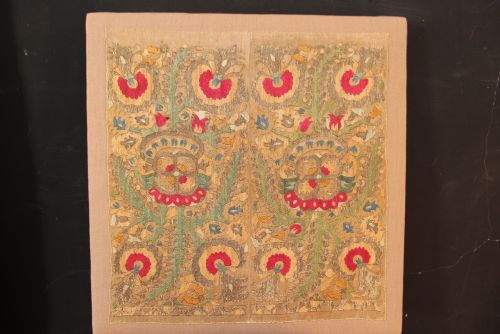
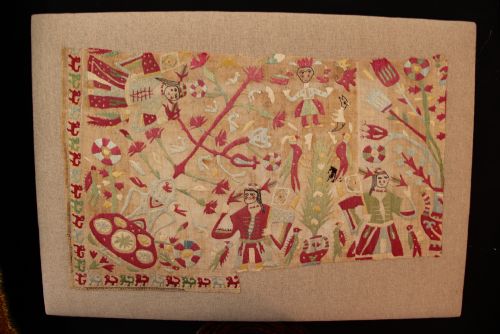
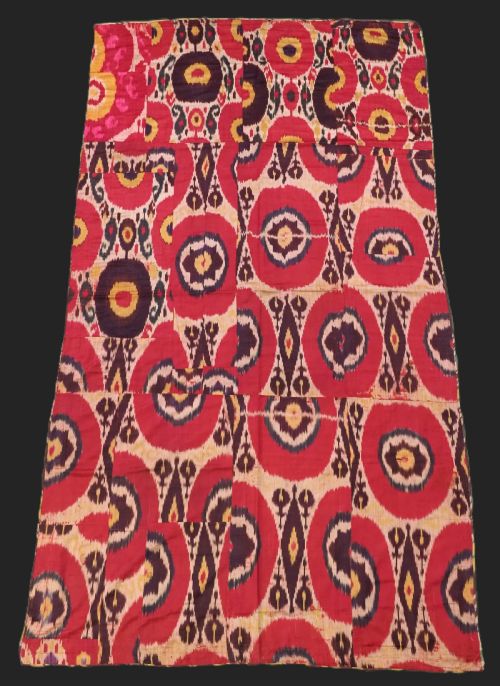
A red silk embroidery hanging brings vibrant Central Asian and Persian tradition into a room through rich needlework on wool, cotton, or felt grounds.
Red Silk Embroidery Hanging
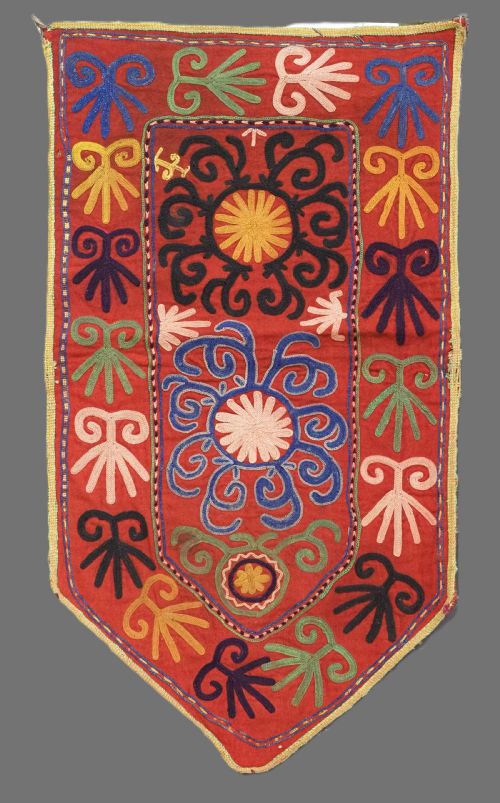
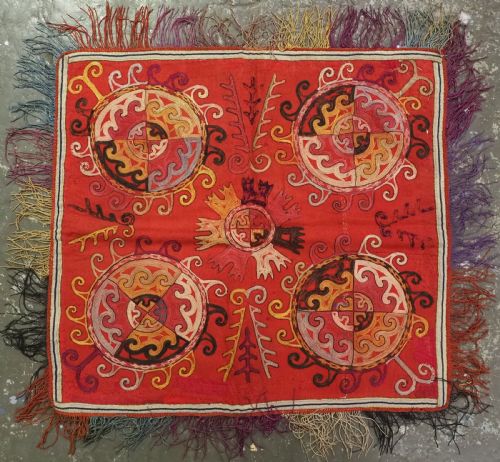
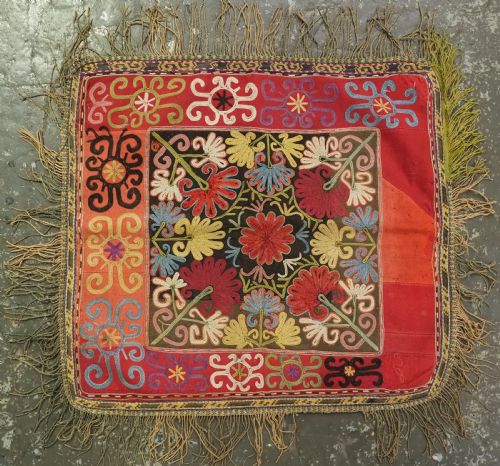
When searching for a red silk embroidery hanging, buyers encounter traditional Central Asian and Persian needlework created for domestic interiors and ceremonial use. These pieces include dowry embroideries, wall panels, and yurt decorations originating from regions such as Uzbekistan and Persia.
Many items function as wall hangings or decorative covers, utilising dense embroidery stitches to build complex floral, architectural, or geometric motifs. These textiles served significant cultural purposes within households, often marking important life events and domestic milestones.
Factors determining quality
Quality rests upon the density and precision of the needlework, where tightly packed stitches and intricate execution separate standard examples from finer works. The complexity of the design layout and the crispness of the applied motifs contribute significantly to the overall visual impact.
Condition and the integrity of the foundational ground fabric play major roles in evaluation, as well-preserved textiles retain the vibrant visual impact intended by the maker. The harmony of the colour palette and the sophistication of the regional design elements distinguish superior pieces.
Listings feature silk, cotton, wool, and felt foundations spanning the eighteenth, nineteenth, and early twentieth centuries.
The Red Silk Embroidery Hanging Glossary
- Suzani
- A large embroidered tribal hanging from Central Asia, traditionally made as part of a bride's dowry. These pieces typically feature bold floral designs worked in silk thread on a cotton or linen foundation.
- Ilgich
- A specific type of Central Asian hanging or dowry embroidery, often associated with the Lakai tribe. These textiles frequently display dynamic geometric and figurative motifs.
- Applique
- A sewing technique where pieces of fabric are attached to a larger foundation ground to form a pattern. In these pieces, felt or fabric shapes are layered onto red backgrounds.
- Torba
- A small ceremonial bag or wall hanging produced by Turkmen groups. They feature detailed face designs created with wool, silk, and metallic highlights.
- Adras
- A traditional Central Asian fabric woven from a mixture of silk and cotton yarns. It serves as a textured ground material for various embroidered panels.
Red Silk Embroidery Hanging: Frequently Asked Questions
What is a suzani?
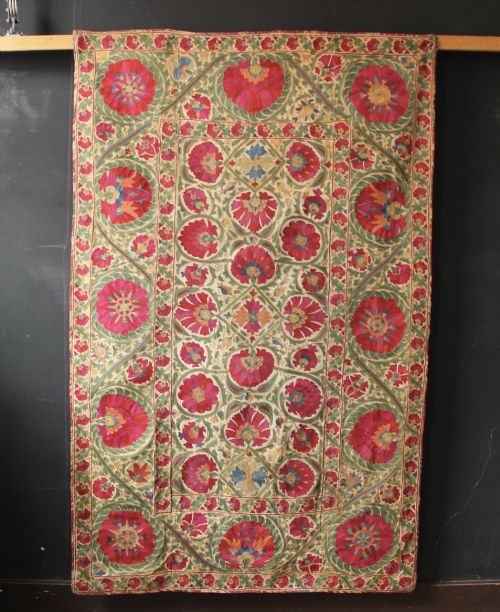
A suzani is a large embroidered wall hanging traditionally produced in Uzbekistan and surrounding Central Asian regions. Families created these textile works by hand as vital elements of a young woman's dowry.
They display elaborate floral and medallion motifs stitched in silk threads across cotton or wool grounds. Historically, households used them to decorate interior walls or cover furniture during important domestic ceremonies.
How were these hangings used?
These textiles served primarily as decorative wall panels, dowry furnishings, and ceremonial covers within traditional homes and yurts. Nomadic and settled communities displayed them on interior walls to signify status and celebrate domestic life.
Specific forms like yurt hangings and saddle rugs fulfilled both practical and decorative functions within daily tribal existence. Their presence marked weddings and other family transitions by showcasing fine needlework traditions.
How do I care for an antique embroidery?
Protect antique textiles from direct sunlight to prevent the silk threads and dyed grounds from fading over time. Display them away from high moisture areas and sources of direct heat.
Mounting the textile professionally onto a supportive backing helps distribute its weight evenly if hung on a wall. Avoid using harsh chemical cleaners or water washing on historic silk and wool pieces.
How can I tell regional styles apart?
Regional styles differ through distinct design vocabulary, colour choices, and foundation materials used by local makers. For instance, Lakai tribal embroideries often employ dynamic applique and compact geometric shapes on red wool or felt.
Bokhara and Nurata suzanis typically feature large floral sprays, vines, and central medallions arranged with balanced symmetry. Examining the stitching technique, thread types, and background fabric reveals the specific geographic origin of each textile.