



Red Polychrome Sculpture
These red polychrome sculpture examples bring centuries of layered pigments and carved forms into your home.
Red Polychrome Sculpture
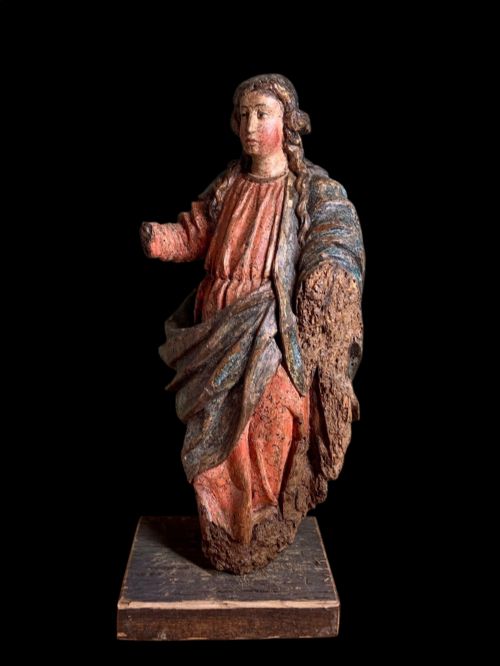
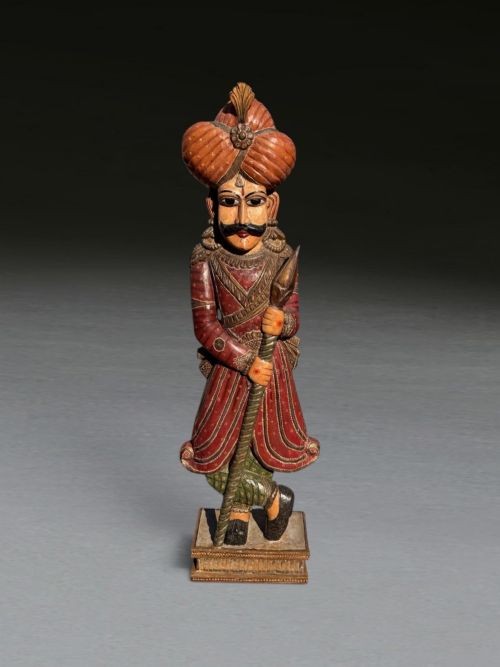
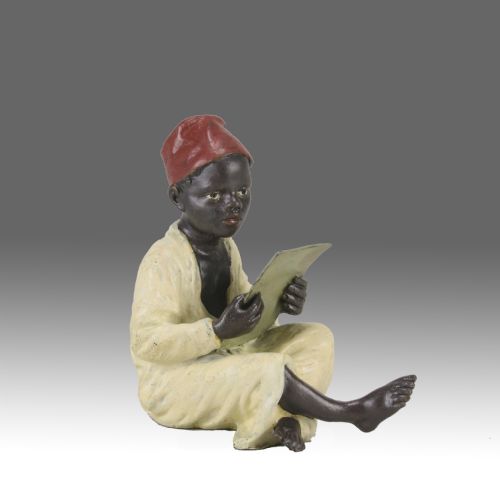
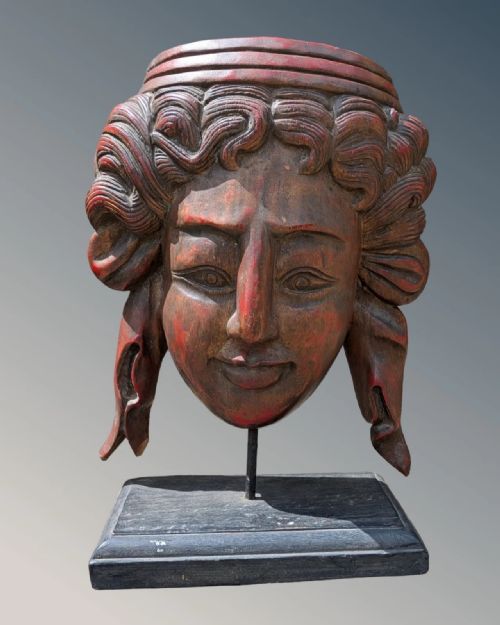
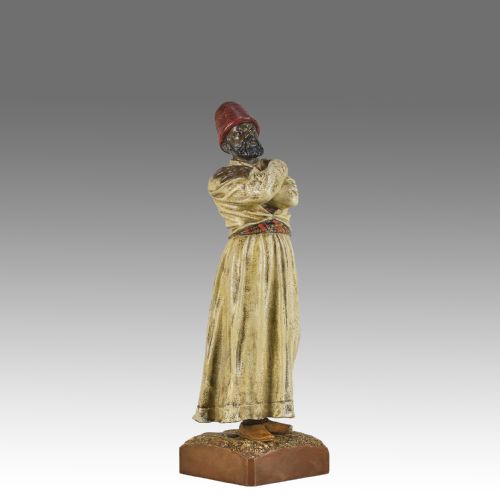
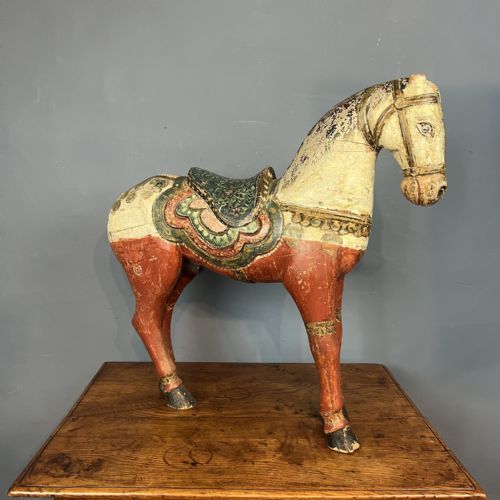
When you search for red polychrome sculpture, you encounter a global mix of devotional figures, temple statues and decorative objects spanning the sixteenth to the early twentieth century. The selection leans heavily towards carved wooden figures adorned with paint, gold leaf and gesso, alongside cold-painted bronzes and terracotta planters. You will find examples originating from European, Chinese, Indian, Tibetan and South East Asian workshops, each carrying the distinct aesthetic of its regional tradition.
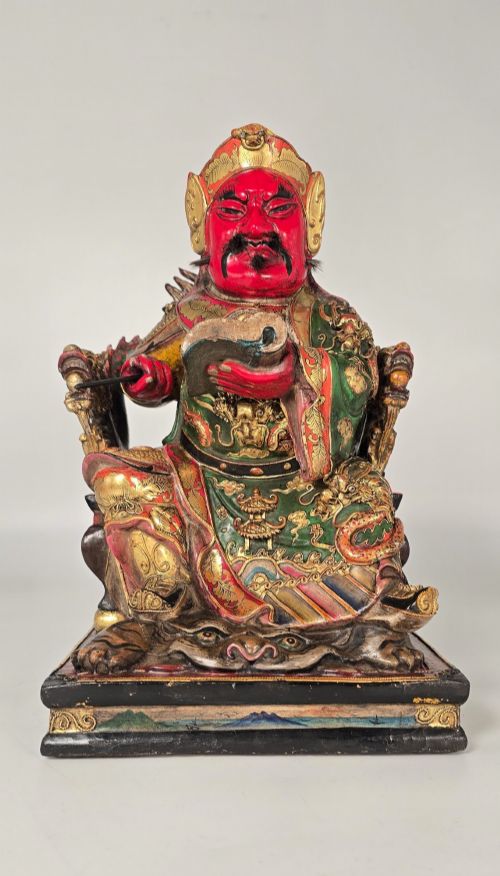
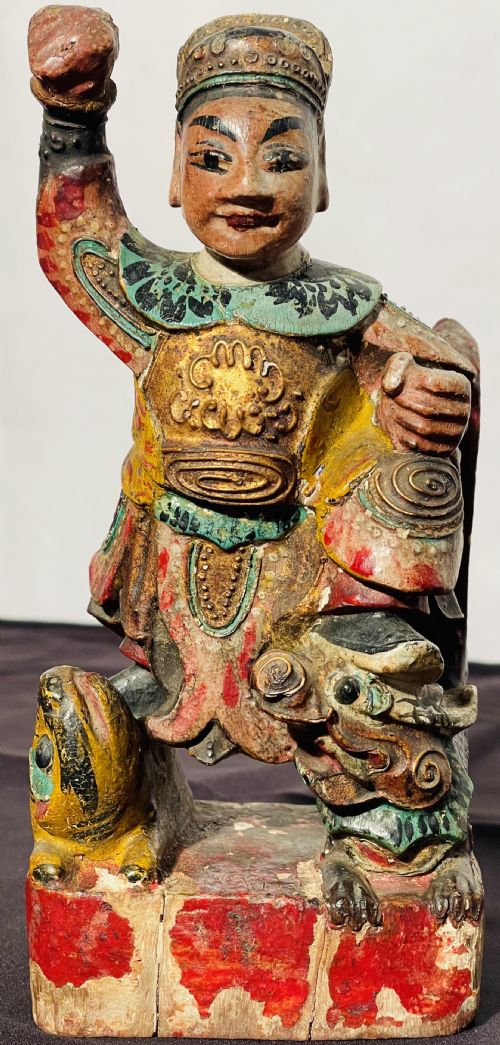
The most common pieces you are likely to meet on this page are carved wooden figures of saints, deities and scholars from the eighteenth and nineteenth centuries. These range from imposing temple guardians and serene religious statues to smaller domestic figurines and wall plaques. Their surfaces typically display aged red polychrome paint, often combined with giltwood details that have weathered through decades of handling and atmospheric exposure.
How these pieces were made
The makers of these sculptures typically started with a solid block of timber, carving the primary form by hand before applying a layer of gesso to prepare the surface for decoration. Artisans then laid down pigments in red polychrome paint, frequently incorporating gold leaf to highlight garments, halos and architectural elements. Bronze pieces utilised metal casting techniques finished with cold-painted colour applied directly to the metal surface.
Across various regions, from European workshops to South East Asian and Chinese studios, the application of paint and lacquer required meticulous layering. Artisans sealed the carved wood underneath to protect the material from moisture while building rich visual depth through successive coats of mineral and organic pigments.
Materials recorded in the inventory include gold leaf, gesso, lacquer and cold-painted bronze alongside traditional carved wood.
What varies in quality
The distinction between standard decorative items and exceptional pieces rests upon the precision of the initial carving and the integrity of the surface decoration. Superior examples display confident, anatomically expressive chisel work in the wood and refined brushwork in the polychrome layers. Lesser pieces often exhibit coarser proportions and simplified detailing where the painted surface merely conceals a hurried wooden core.
Age and original context also govern the standing of a piece within this category. Sculptures that retain their authentic, undisturbed pigment layers without heavy modern overpainting command greater appreciation. The interaction between the aged wood, the gesso ground and the remaining red polychrome creates a visual harmony that distinguishes masterwork figures from routine workshop output.
Franz Bergman
The Red Polychrome Sculpture Glossary
- Polychrome paint
- The application of multiple colours to the surface of a sculpture or decorative object. This technique defines the visual character of wooden and terracotta figures across centuries of global craft.
- Gesso
- A plaster-like mixture applied to wood surfaces as a smooth base for painting and gilding. It provides the essential foundation that holds red polychrome pigments securely in place.
- Cold-painted bronze
- A metal casting technique where paint is applied to the cold bronze surface without subsequent firing. This method appears frequently in nineteenth and early twentieth-century decorative figurines.
- Giltwood
- Wood that has been coated with a thin layer of gold leaf or gold powder. It frequently accompanies red polychrome pigments on religious figures and temple statues.
- Lacquer
- A durable resin finish applied to wooden objects to create a glossy, protective coating. Chinese and Asian sculptures often utilise this material alongside hand-painted pigments.
Red Polychrome Sculpture: Frequently Asked Questions
What is a red polychrome sculpture?
A red polychrome sculpture is a carved wooden, bronze or terracotta figure decorated with multiple colours where red pigment predominates. These pieces include religious statues, temple deities and decorative figures from various global traditions.
Craftsmen applied these vibrant finishes over centuries to enhance the visual presence of devotional and artistic works. Today, collectors value them for their historical surfaces and skilled hand-carved forms.
How were these statues used?
Many of these statues served devotional, ritual or decorative purposes within temples, domestic shrines and scholarly settings. Figures of saints, deities and officials held central positions in spiritual practices.
Other items functioned as architectural ornaments or decorative domestic objects. Their placement reflected the cultural traditions of their respective regions, from European churches to Asian temples.
How do I care for carved wood and paint?
Protect these sculptures from direct sunlight and stable humidity levels to preserve the fragile wood and historic paint layers. Avoid using chemical cleaners or damp cloths on vulnerable polychrome surfaces.
Gentle dusting with a soft, dry brush is sufficient for routine maintenance. Keeping the pieces away from sudden temperature shifts prevents the wooden core from expanding and cracking the gesso.