


Red Mahogany Accent Chair
A red mahogany accent chair brings rich timber tones and period form into a room, serving as both a functional seat and a striking focal point.
Red Mahogany Accent Chair
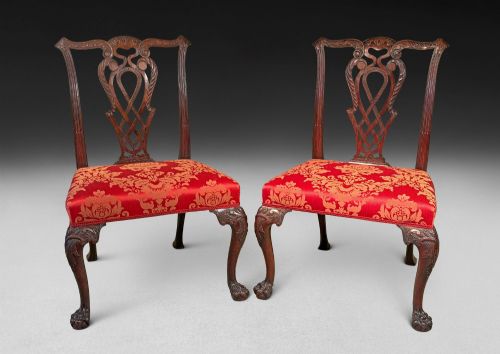
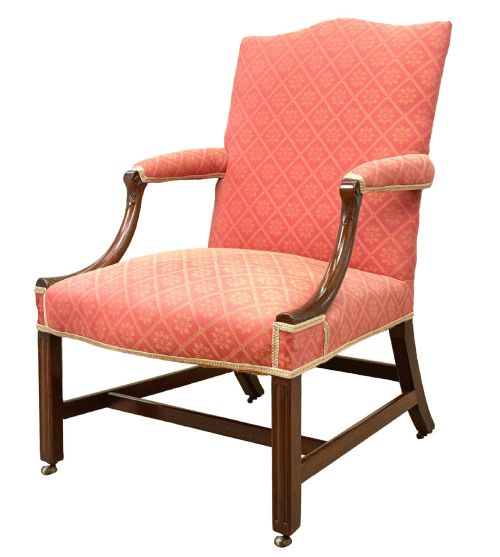
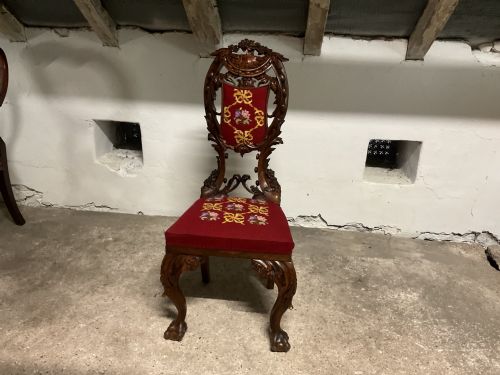
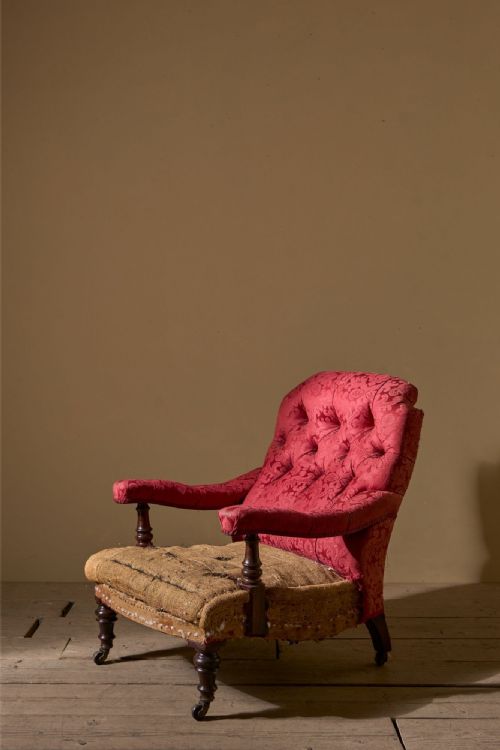
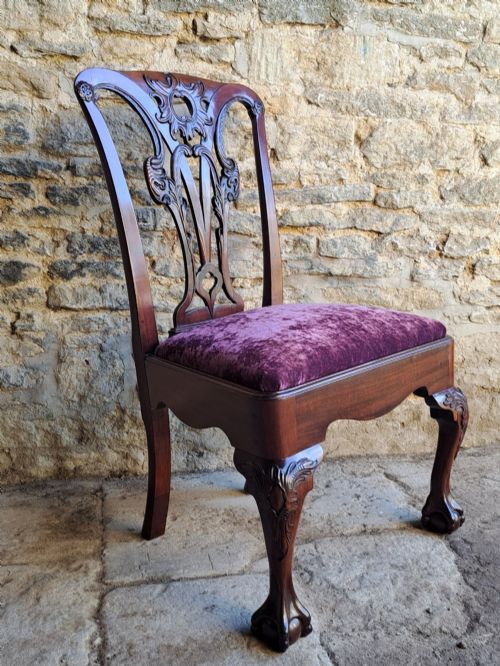
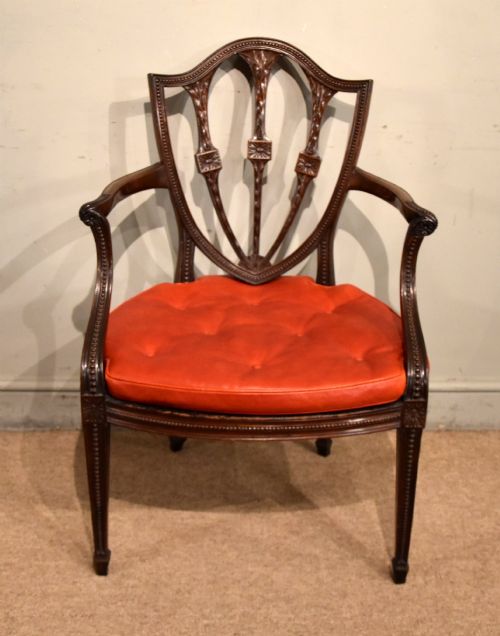
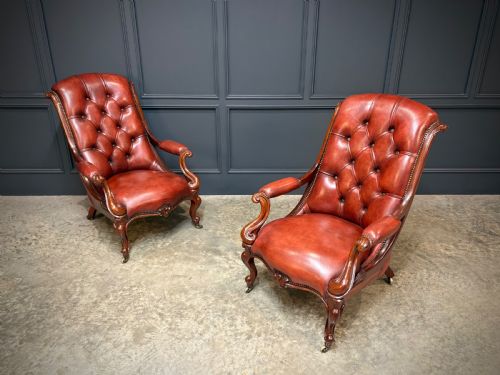
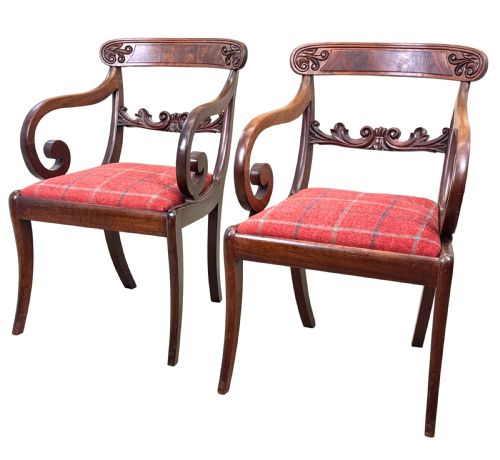
A red mahogany accent chair bridges functional seating and decorative presence through traditional forms spanning the eighteenth century to the Edwardian era. You will find armchairs, side chairs, and library seats framed in rich timber and often finished with upholstered pads.
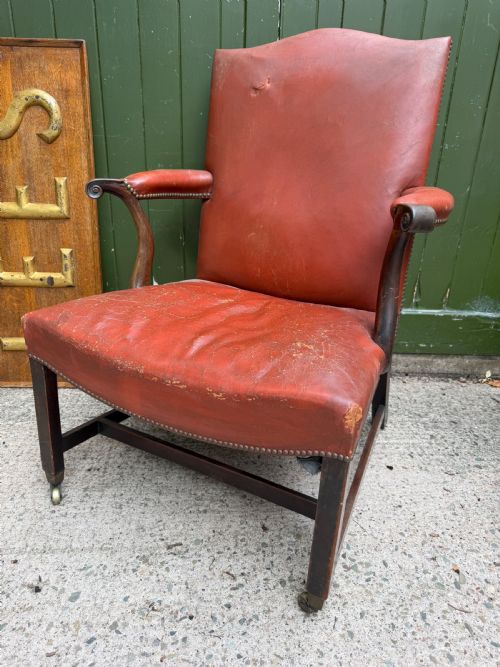
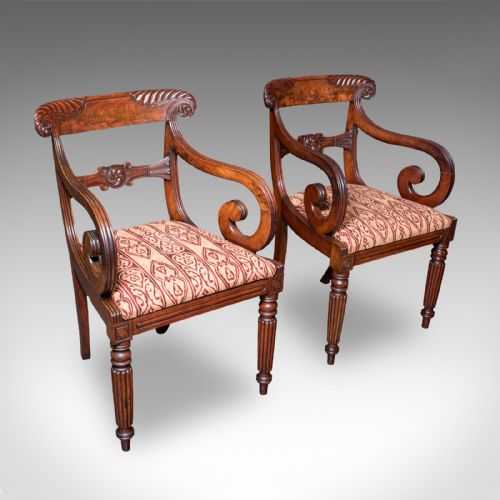
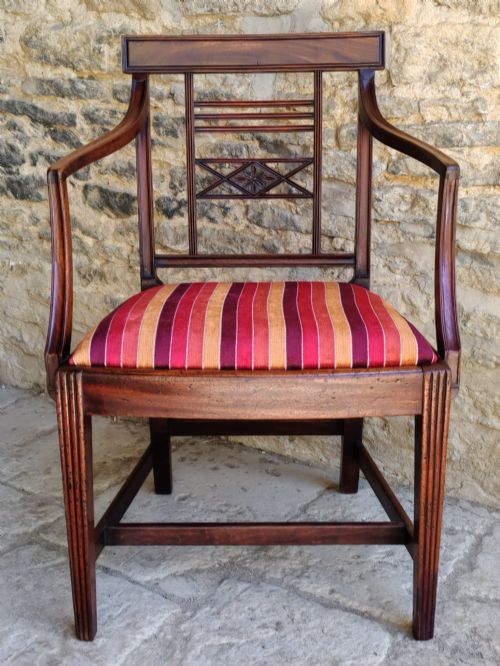
The selections on this page range from Georgian library models to Victorian buttoned leather seats and Regency scroll arm designs. These pieces function as versatile additions to sitting rooms, studies, and hallways, bringing warmth through polished wood.
Maker styles draw heavily on traditional aesthetics including Chippendale, Queen Anne Revival, and Art Nouveau influences. Each piece reflects the cabinet-making standards of its specific period, from the carved details of the seventeen-fifties to later nineteenth-century interpretations.
Materials and construction
The primary structural material across these listings is solid mahogany, selected for its strength and deep reddish hue. Artisans shaped this timber into carved chair frames, barley twist supports, and scroll arms using traditional joinery methods.
Upholstery fabrics play a major supporting role in defining the character of these seats. Historical pieces utilise leather, velvet, damask, and modern replacement textiles secured over padded frames to ensure comfort alongside rigid wooden frames.
Seating surfaces feature a wide variety of textiles, including traditional leather, velvet, and damask fabric.
Assessing craftsmanship and condition
Quality in these timber seats rests on the crispness of hand-carved details and the structural integrity of the frame joints. Superior examples exhibit deep, clean relief work on the mahogany and firm, stable construction that withstands everyday use.
The grade of the upholstery materials and the fidelity of period styling further distinguish individual chairs. Pieces retain higher regard when their leather, velvet, or damask upholstery complements the age and proportion of the wooden framework.
The Red Mahogany Accent Chair Glossary
- Mahogany
- A durable, reddish-brown tropical hardwood prized for furniture framing and fine carving work. It takes a high polish and resists warping over centuries.
- Gainsborough chair
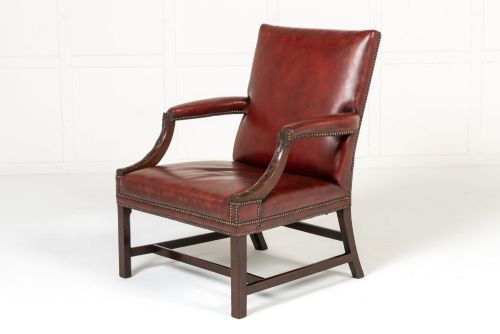
- A wide, low-seated library armchair with open padded arms, dating back to the eighteenth century. These seats often feature leather upholstery fastened with brass tacks.
- Bergere
- An enclosed upholstered armchair with a wooden frame, frequently featuring cane panels on the sides or back. This French-influenced style appears in Regency pieces.
- Ribbon back
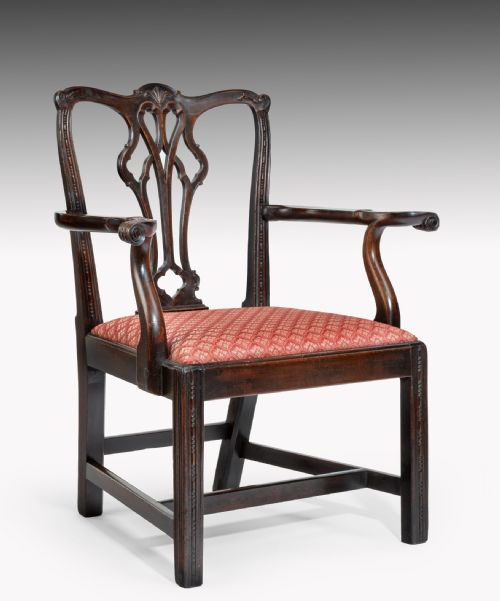
- A chair back design where the central splat is carved to resemble intertwined ribbons or flowing textile folds. This decorative technique is characteristic of Chippendale style work.
- Barley twist
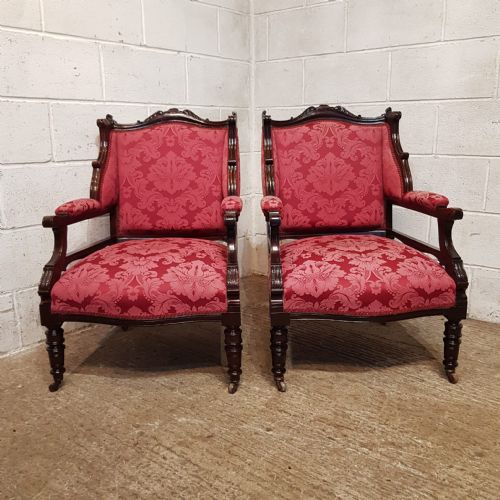
- A turned wooden furniture leg or support shaped in a helical spiral resembling twisted barley sugar. This decorative turning appears frequently on nineteenth-century Victorian frames.
Red Mahogany Accent Chair: Frequently Asked Questions
What rooms suit a red mahogany accent chair?
These chairs fit well in libraries, studies, and formal living areas where rich timber tones complement traditional decor. Their compact footprint also allows them to serve as occasional seating in bedrooms or hallways.
Because many examples feature open arms or low profiles, they do not overwhelm smaller spaces. They pair effectively with both antique desks and contemporary interior layouts.
How do I care for leather upholstery?
Leather upholstery requires regular dusting with a soft cloth and occasional treatment with a suitable leather conditioner to prevent drying. Keeping the material away from direct sunlight preserves its rich colour.
Avoid using harsh chemical cleaners on antique leather or surrounding mahogany frames. Gentle maintenance ensures the hide retains its supple texture over decades of use.
How can I tell a Georgian chair from a Victorian one?
Georgian chairs generally date from the eighteenth century, showing restrained classical carving, straight or cabriole legs, and robust proportions. Their construction reflects earlier hand-tooling methods.
Victorian pieces from the nineteenth century often introduce heavier proportions, buttoned leather, or decorative turnings like barley twists. Reviewing the joinery and stylistic motifs helps clarify the manufacturing era.
Were these chairs used at dining tables?
Many listings include dining chairs and side chairs designed specifically for placement around large tables. Other pieces functioned as desk chairs, hall seats, or reading chairs.
Armchairs among these selections were typically intended for parlours, libraries, or offices rather than formal dining. Examining the height and seat depth reveals the original intended placement.