
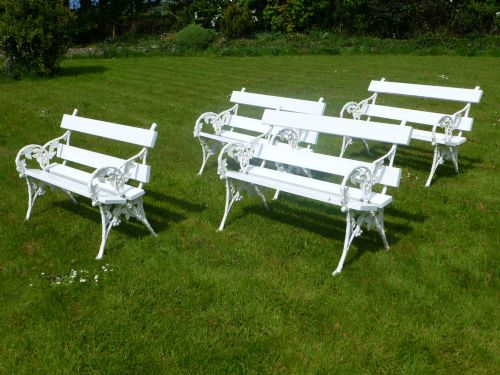
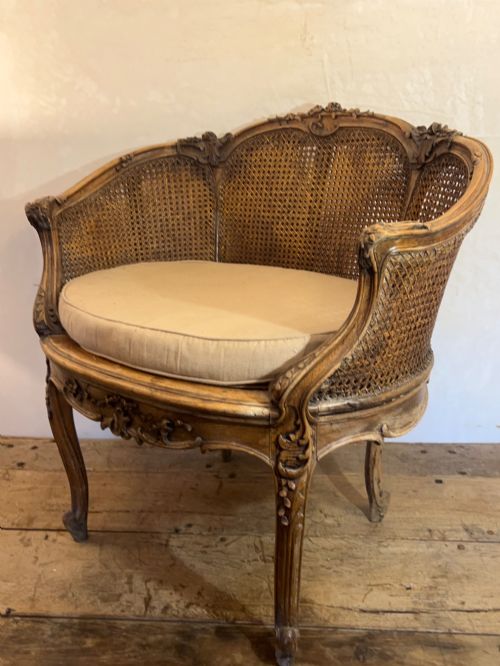
Antique Timber Seat Chair
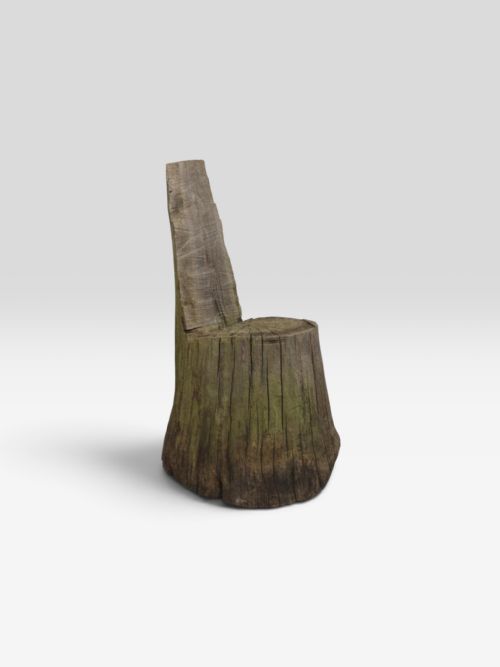
An antique timber seat chair brings solid oak, mahogany, elm and walnut grain into daily use across dining rooms, halls and gardens.
Antique Timber Seat Chair
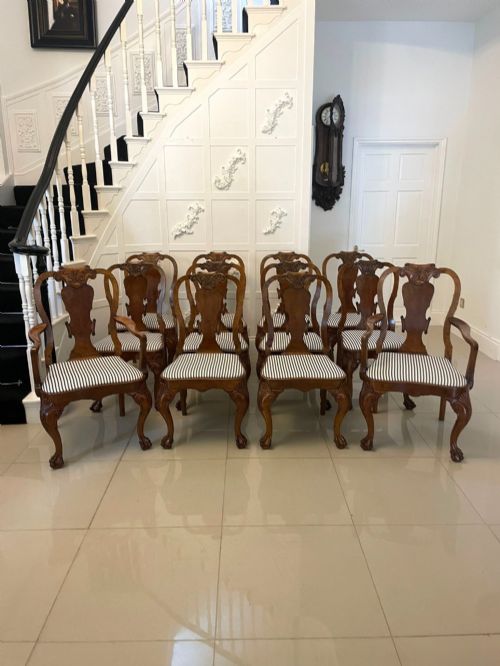
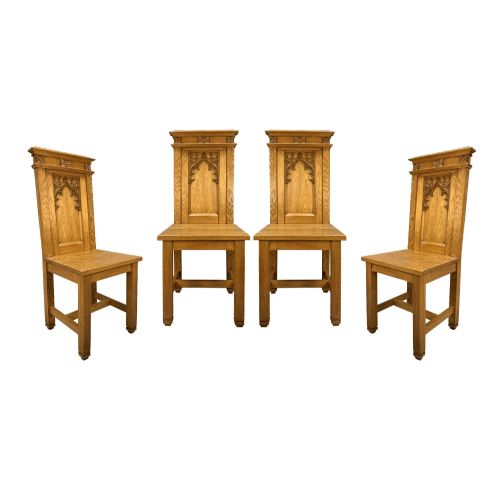
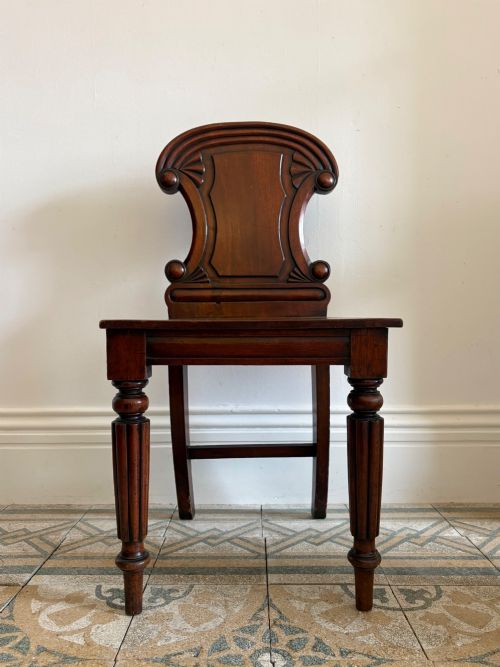
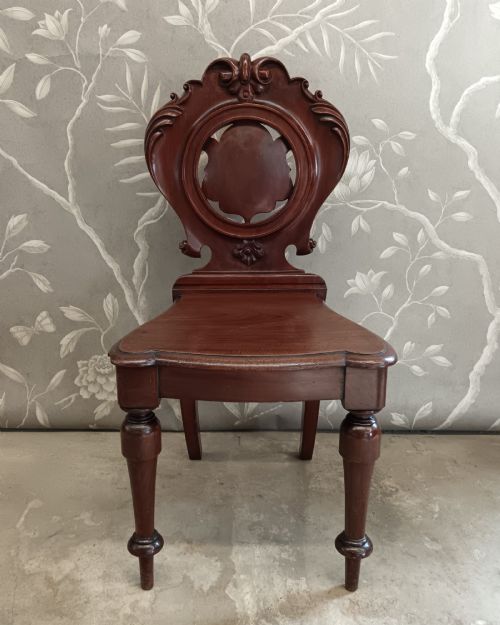
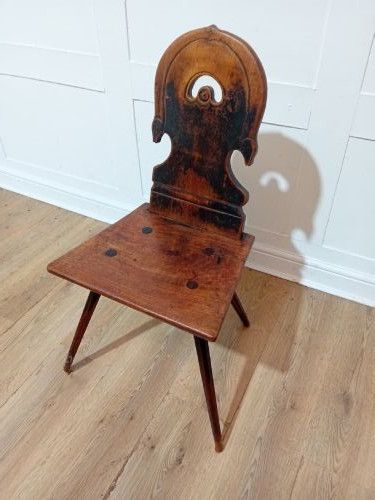
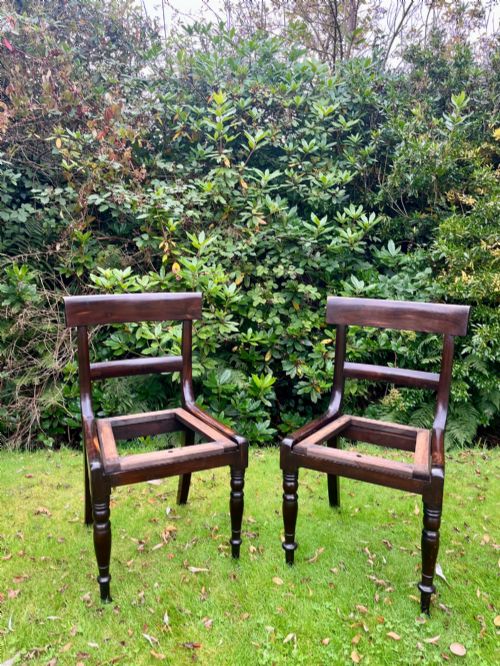
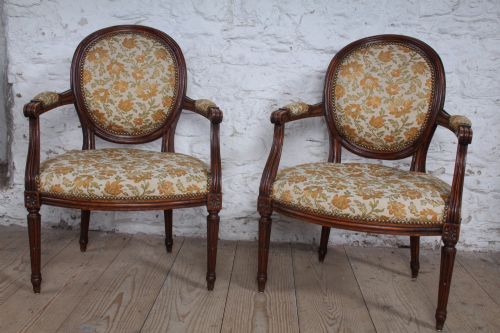
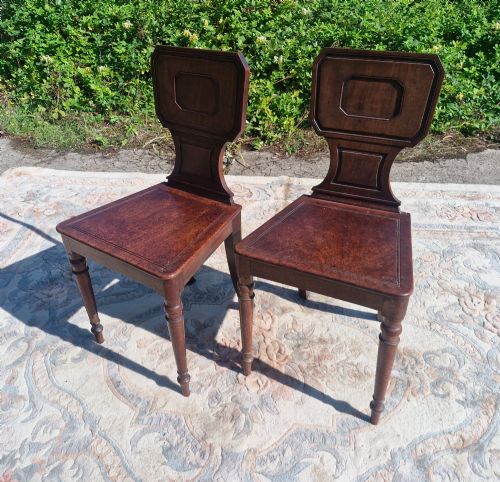
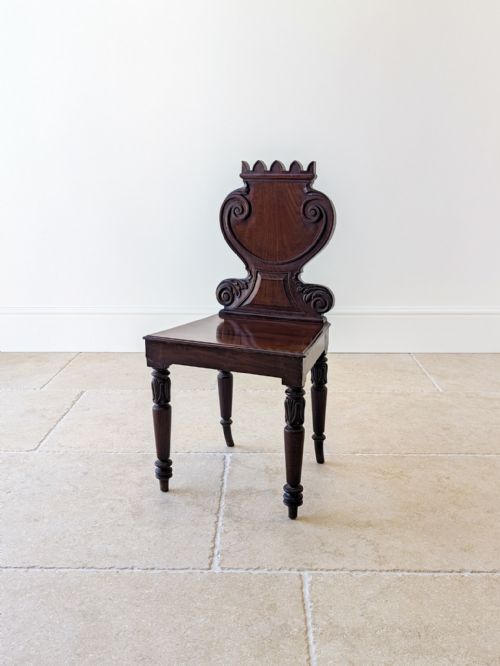
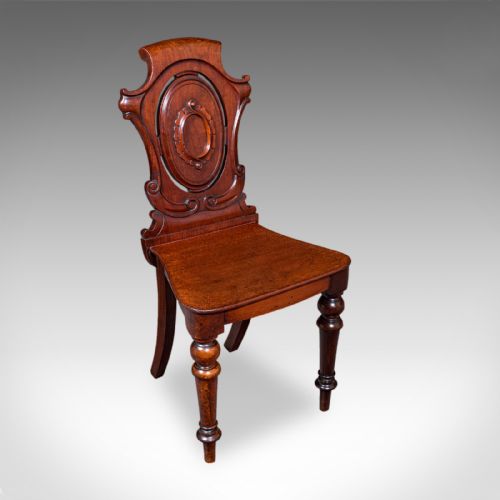
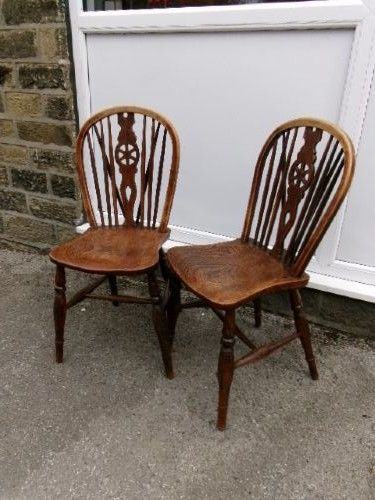
When you search for an antique timber seat chair, you meet diverse forms spanning the eighteenth, nineteenth and early twentieth centuries. These encompass formal mahogany hall chairs, robust elm Windsor kitchen chairs, walnut reception seats and oak Gothic revival pieces.
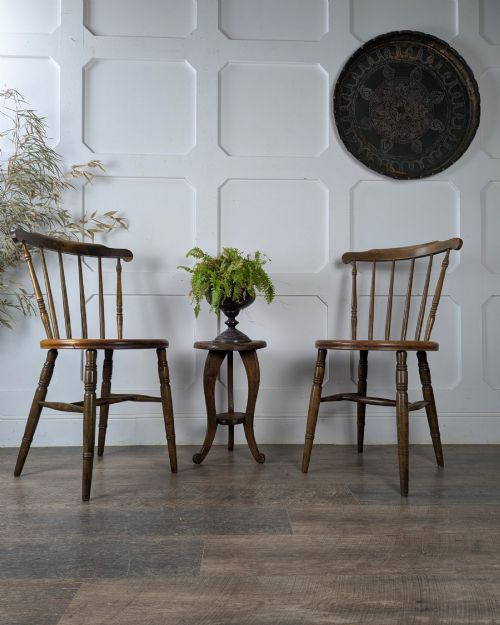
The selection here draws heavily on regional British and continental European traditions, featuring ladder-back armchairs, box settles with storage, rush-seated benches and carved side chairs.
Makers utilised native and exotic timbers to construct practical seating that served domestic hallways, grand reception rooms and rustic gardens alike.
Materials and construction methods
Joiners and cabinetmakers relied on dense hardwoods including mahogany, oak, walnut, beech and elm, frequently pairing timber frames with solid wood seats or rush matting.
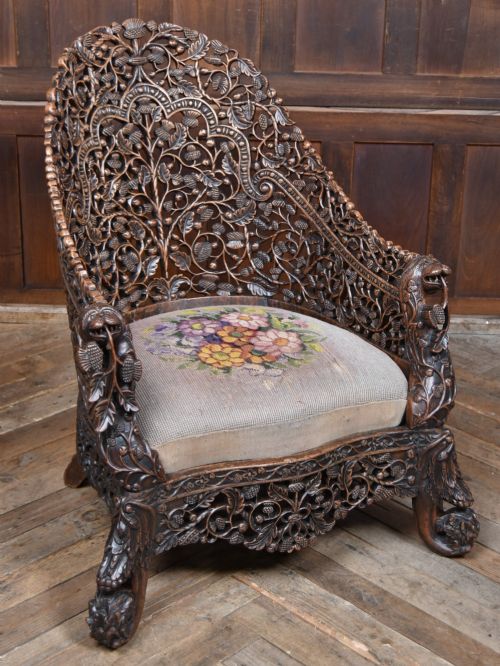
Construction techniques combined traditional mortise and tenon joinery with turned spindles, steam-bent components, and intricate hand-carved relief work on shield backs and crest rails.
Assessing craftsmanship and execution
The distinction between standard utility seating and exceptional pieces rests upon the crispness of hand-carving, the selection of figured timber grain, and the structural integrity of the frame.
Higher-tier examples display thoughtful proportions, integrated heraldic shield backs or detailed pierced splats, and harmonious joins that endure centuries of daily sitting.
The Antique Timber Seat Chair Glossary
- Hall chair
- A rigid wooden seat placed in an entrance hall, often featuring a carved or painted family crest on the back. These were intended for brief seating rather than long lounging.
- Windsor chair
- A wooden chair constructed with a solid shaped seat into which the legs and back spindles are separately bored and wedged. Country workshops favoured elm and ash for these resilient designs.
- Shield back
- A chair back shaped in the outline of a heraldic shield, popularised during the Georgian period. Cabinetmakers often carved central splats within the frame with foliage or crests.
- Box settle
- An enclosed wooden bench featuring a high back, armrests, and a hinged seat concealing a storage compartment below. They provided shelter from drafts in older stone or timber rooms.
- Comb back
- A traditional Windsor variation where the top rail resembles the teeth of a comb, extending the vertical spindles upwards. This construction offers robust support in rustic seating.
Antique Timber Seat Chair: Frequently Asked Questions
Where should I put a hall chair?
Hall chairs suit narrow entrance spaces, landings, or unused bedroom corners where a striking timber silhouette adds architectural interest without obstructing movement.
Because they lack upholstered cushions, they take up minimal visual space and function well as sculptural accents.
How do I care for antique timber seats?
Maintain timber seats by keeping them away from direct heat sources and sudden humidity shifts that cause wood to split. Regular dusting with a dry cloth preserves the original polish.
Apply occasional traditional wax polish to nourish dry hardwood surfaces and maintain a gentle sheen.
Are Windsor chairs comfortable?
Elm and ash Windsor chairs offer surprisingly comfortable seating because the solid timber seats are traditionally saddled or scooped by hand to fit the body.
Adding a loose linen squab cushion provides extra softness for extended sitting at a kitchen table.
How do I date an oak armchair?
Dating relies on examining the joinery marks, the tool evidence on the underside of the seat, and the turning style of the legs and arm supports. Early pieces show peg construction and hand-planed surfaces.
Stylistic shifts from plain seventeenth-century panels to nineteenth-century Gothic revival tracery help narrow the decade.