



Red Gilded Porcelain Vase
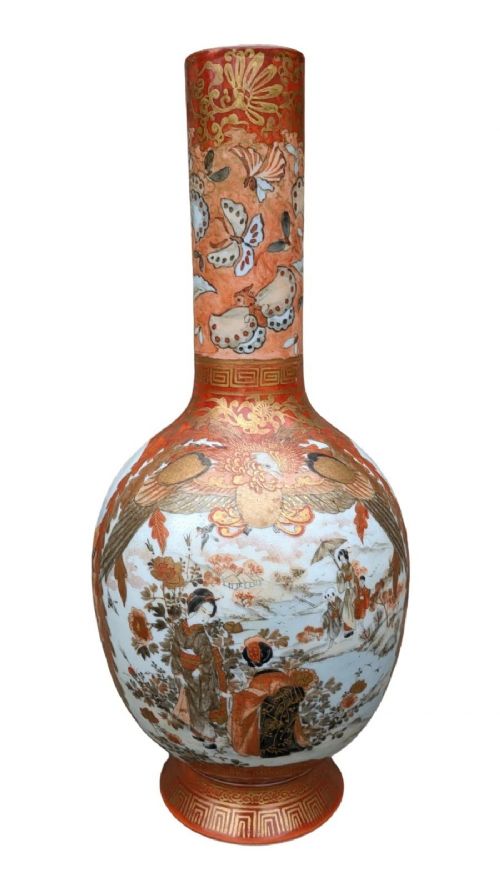
A red gilded porcelain vase brings striking colour and metallic brilliance into a room, drawing the eye with rich iron-red pigments and gold leaf.
Red Gilded Porcelain Vase
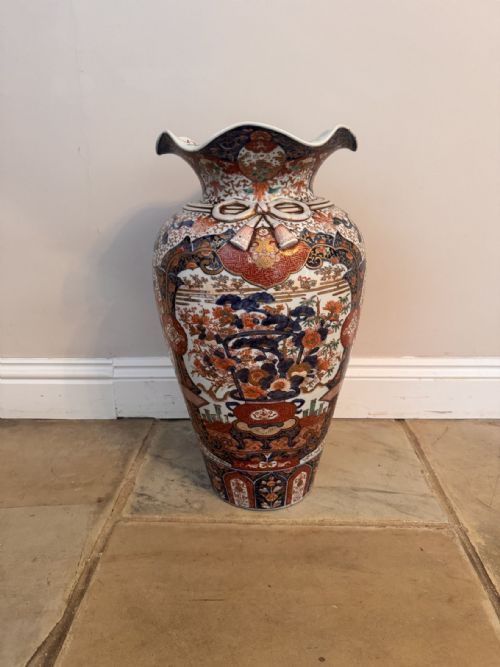
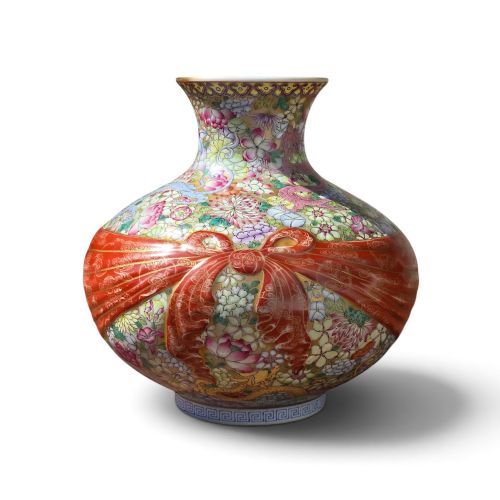
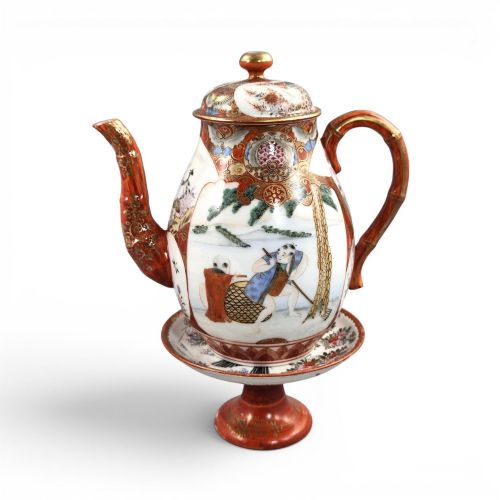
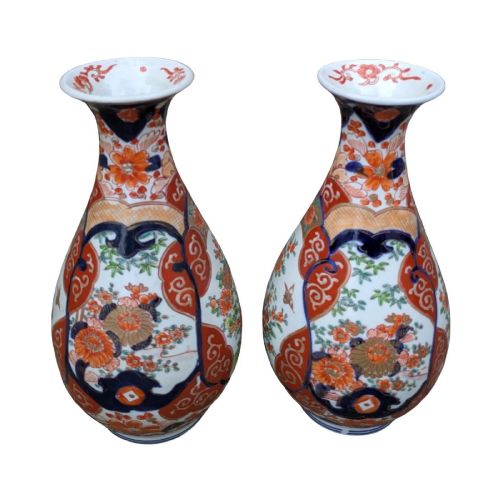
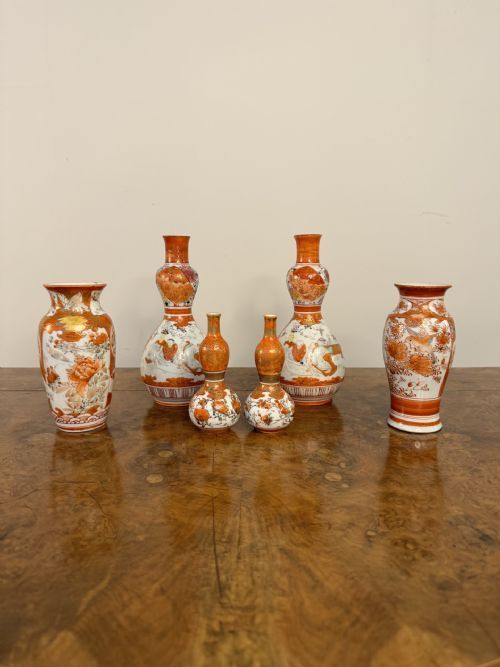
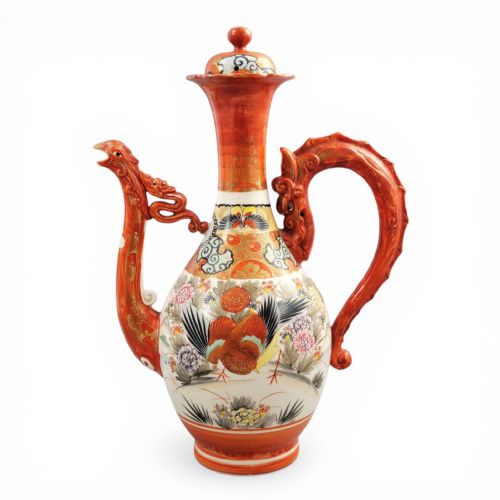
A red gilded porcelain vase encompasses a variety of forms created across the nineteenth and early twentieth centuries, drawing heavily upon Japanese Imari and Kutani traditions alongside European interpretations. Buyers seeking this phrase encounter floor-standing vessels, lidded jars, baluster shapes, and table lamps executed in porcelain and enriched with overglaze enamel.
The selection ranges from eighteenth-century Edo period pieces to Victorian British works by factories such as Royal Worcester and Derby, reflecting a strong global exchange of ceramic styles. Japanese Meiji period examples dominate the current selection, often presenting intricate hand-painted iron-red motifs combined with heavy gilding.
Vessels span from modest bud vases to large floor vases and paired garnitures, demonstrating how potters adapted the red and gold palette for domestic display across different decades. Each piece relies on the contrast between deep ceramic tones and reflective metallic leaf to establish its presence.
How they were made
Potters formed these vessels from fine porcelain clay before applying initial cobalt or iron-red underglaze painting, followed by high-temperature firing. Artisans then layered overglaze enamels and gold leaf or gilding by hand, requiring a secondary lower-temperature kiln firing to bond the metallic surface permanently.
Techniques such as moriage involved applying raised slip clay trails beneath the enamel and gilding to create textured, dimensional decoration on the porcelain body. Wood stands and fabric elements occasionally accompanied these vessels, though porcelain and enamel remain the primary structural components recorded in the evidence.
Periods represented span from the 18th century through the Edwardian era, with a strong concentration of 19th-century Japanese works.
What varies in quality
The distinction between standard commercial output and superior execution rests upon the precision of the hand-painted brushwork and the purity of the gilding. Master workshops employed finer lines and more densely packed iron-red patterns, whereas lesser examples show hurried application and simplified motifs.
The depth and weight of the porcelain body, alongside the crispness of moulded details like lion handles or dragon reliefs, dictate the overall stature of the vessel. Preservation of the original overglaze enamel and gold leaf without excessive rubbing defines the enduring integrity of each piece.
Stevenson and Hancock·Royal Worcester·Kinrin Workshop
The Red Gilded Porcelain Vase Glossary
- Imari
- A traditional Japanese style of porcelain decoration originating from Arita, characterised by a palette of underglaze blue, iron-red, and gold. This aesthetic heavily influenced European and British potteries during the nineteenth century.
- Kutani
- Japanese coloured porcelain originating from Ishikawa prefecture, known for bold pictorial designs featuring extensive iron-red and gold work. Pieces often incorporate mythical creatures, floral motifs, and figurative scenes.
- Moriage
- A decorative technique using clay applied through a bag or syringe to create raised, three-dimensional patterns on ceramics. Artisans frequently highlight these textured areas with gilding.
- Gilding
- The application of gold leaf or gold dust to the surface of porcelain to create reflective metallic highlights. This technique enhances the contrast against iron-red and enamel pigments.
- Ewers
- Pitcher-like vessels with spouts and handles, adapted in ceramics for decorative display rather than functional pouring. They frequently appear paired with vases in larger garnitures.
Red Gilded Porcelain Vase: Frequently Asked Questions
Are these vases meant for holding water?
Most antique decorative vases and lamps are intended for display rather than holding water and fresh stems.
Thermal shock or internal moisture can compromise nineteenth-century glazes, aged porcelain bodies, and applied gold leaf.
How can I tell an Edo period vase from a Meiji period piece?
Edo period ceramics reflect earlier Japanese aesthetic traditions and often feature restrained compositions within the Imari palette.
Meiji period works tend toward denser decoration, heavier gilding, and experimental forms influenced by international trade demands.
What is a garniture?
A garniture is a matching set of three or more ornamental vases or lidded jars designed to be displayed together on a mantelpiece or cabinet.
These coordinated sets became highly popular in European and Japanese export markets during the nineteenth century.