
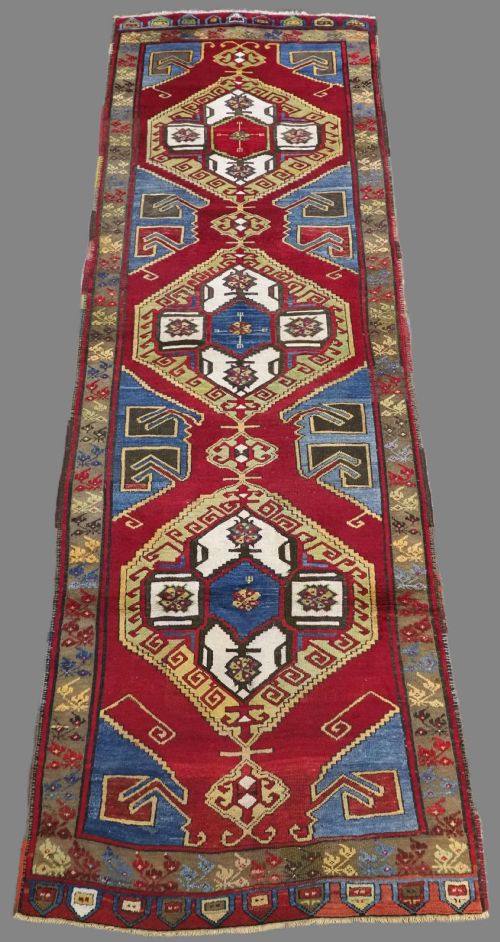
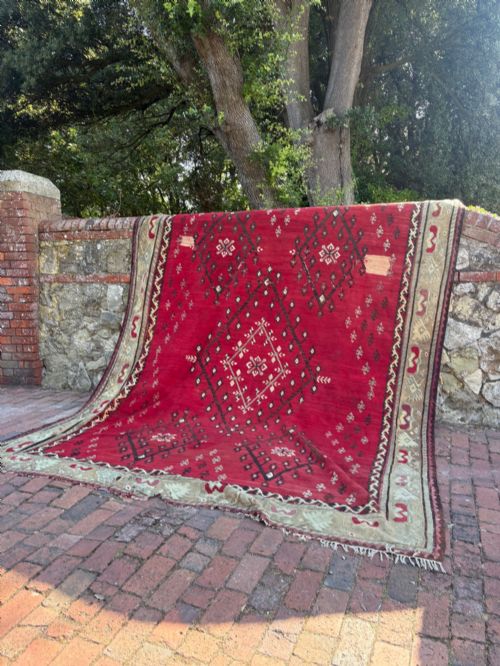

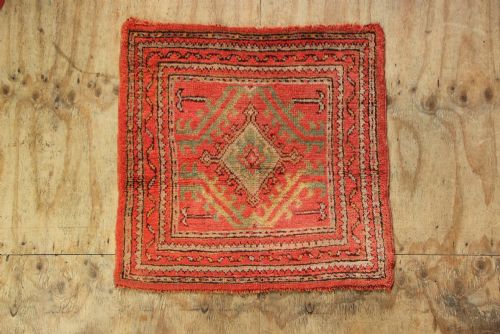


Red Geometric Turkish Rug
A red geometric turkish rug brings warmth and structured pattern to a room through centuries of Anatolian village weaving traditions.
Red Geometric Turkish Rug
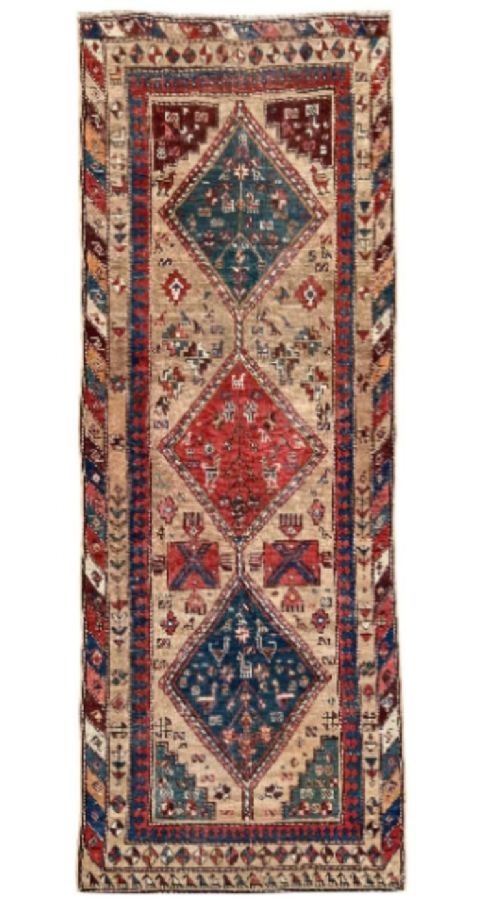
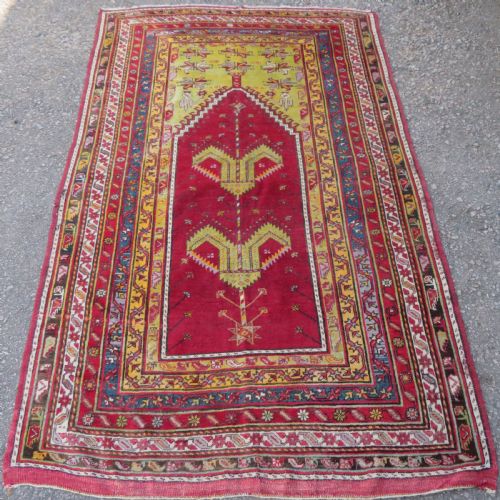
A red geometric turkish rug is an artefact of traditional village production, taking the form of runners, small square pieces, prayer rugs, and flatweave kilims. These floor coverings and cushions emerge from historical regions such as Bergama, Konya, Kirsehir, and Melas across Anatolia.
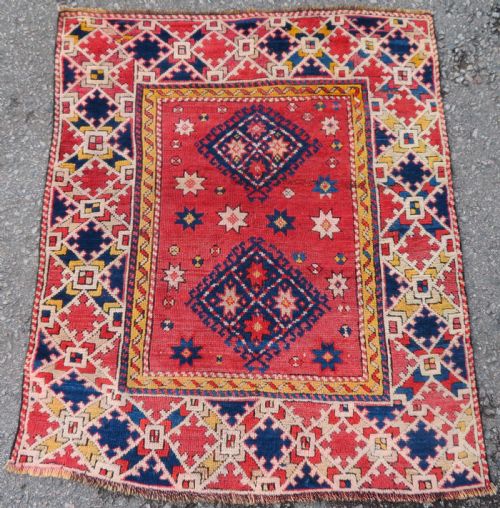
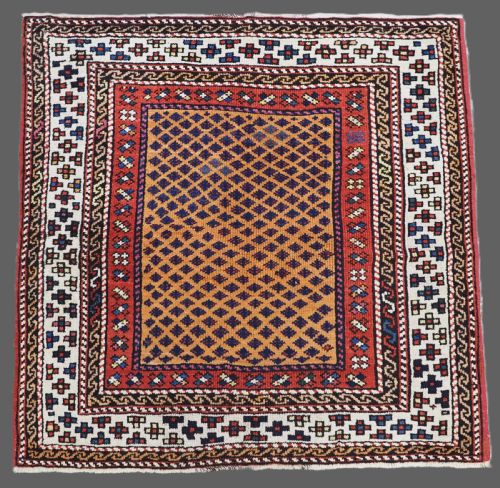
The aesthetic relies on repeated motifs, star medallions, lattice frameworks, and linear borders rather than curves or floral realism. Buyers encounter examples spanning from the mid nineteenth century through the early twentieth century, reflecting localized rural aesthetics.
Makers utilised specific regional layouts and colour palettes dominated by red grounds alongside contrasting accents. Each piece serves as a durable textile that records the specific design vocabulary of its district of origin.
Materials and Construction
The construction relies fundamentally on wool and cotton foundations, with hand spun wool traditionally utilised for the pile and surface yarns. Artisans worked on vertical looms, knotting pile wool tightly or interweaving flatweave threads to create durable textiles.
Natural dyeing methods provided the deep red tones and secondary hues found across these regional pieces. The interaction between hand spun wool and traditional dyeing yields variations in texture and tone across the surface of each textile.
Current listings span from the mid nineteenth century to the 1930s, featuring wool, cotton, and hand-spun wool materials.
Factors of Quality
Quality rests upon the fineness of the knotting or weave density, which dictates the crispness of the geometric lines and star medallions. Tighter structures maintain their structural integrity better under foot traffic and daily use.
The character of the wool and the depth achieved by the dye ingredients determine the visual richness of the red ground. Consistency in the hand spinning process and balance within the regional design composition elevate certain pieces above standard village output.
The Red Geometric Turkish Rug Glossary
- Kilim
- A flatweave textile produced without a pile by tightly interweaving warp and weft threads. These pieces often feature sharp geometric transitions and lighter weights than knotted pile rugs.
- Prayer Rug
- A textile featuring a distinct mihrab or architectural arch design intended to indicate the direction of prayer. These formats usually concentrate specific geometric symbolism around a central niche.
- Runner
- A long, narrow carpet format designed for hallways, corridors, or alongside furniture. They adapt traditional village motifs into an elongated linear composition.
- Medallion
- A central decorative motif placed in the field of the rug, frequently built around star or polygonal shapes. It acts as the focal point for the surrounding geometric layout.
- Warp
- The vertical foundation threads stretched lengthwise on the loom before weaving begins. The visible fringe at either end of a finished rug consists of these extended warp threads.
Red Geometric Turkish Rug: Frequently Asked Questions
How do I clean an antique rug?
Gentle surface brushing and professional specialist cleaning suited for historic textiles are the safest methods for maintenance. Avoid harsh chemical detergents and excessive water immersion to protect the natural wool fibres.
Regular light vacuuming without a rotating beater bar prevents dust accumulation within the pile. Keeping the textile away from direct, prolonged sunlight protects the integrity of the natural red dyes.
Where were these village rugs made?
These textiles originate from various historical weaving districts across Anatolia, including Bergama, Konya, Milas, and Kirsehir. Each village or region developed distinct geometric vocabularies and colour preferences.
Local families and tribal groups produced these pieces for domestic use or regional trade. The specific structural traits often point directly to the specific valley or town of manufacture.
Are these rugs suitable for heavy traffic?
Village rugs and runners were originally constructed for daily domestic life on hard floors, utilising robust hand spun wool. Denser piles and tight flatweaves handle walking traffic effectively when paired with an appropriate underlay.
Fragile or heavily distressed pieces benefit from placement in low traffic areas or use as wall hangings. Using a quality rug pad prevents slipping and cushions the foundation against hard subfloors.
What does a lattice design mean?
A lattice pattern forms an intersecting network of lines across the field, dividing the space into repeating compartments or geometric modules. This framework helps organise secondary motifs and star medallions within the composition.
Weavers utilised this layout to create structured rhythm and visual balance across the rug surface. The arrangement reflects traditional Anatolian design principles passed down through generations.