








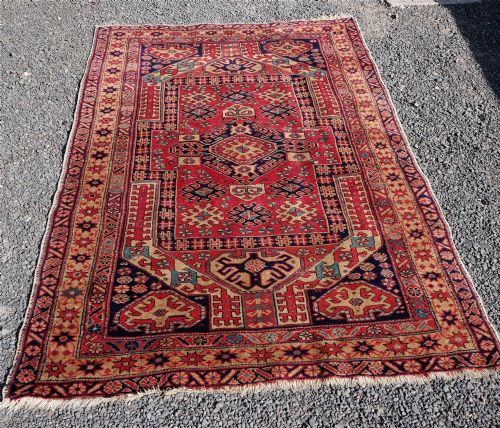
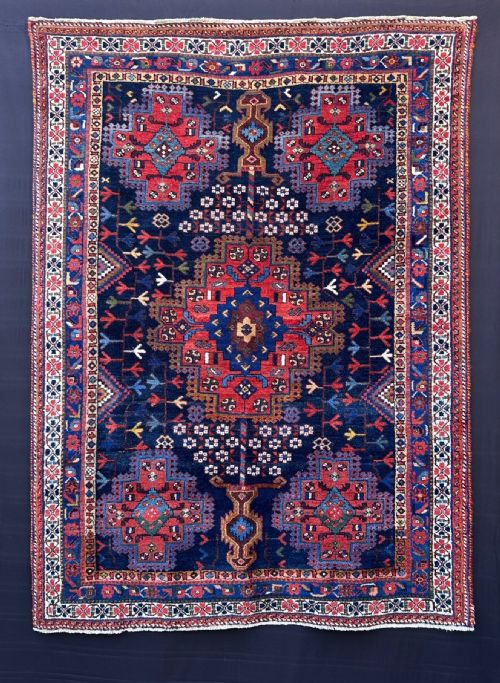
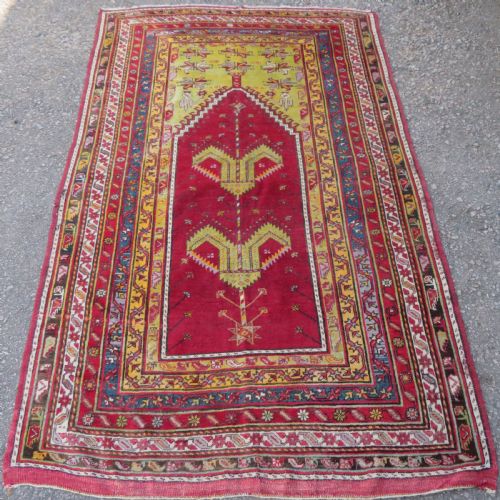
Red Geometric Tribal Rug
These red geometric tribal rug examples bring distinctive motifs and regional weaving traditions straight into modern interiors from nineteenth and early twentieth century workshops.
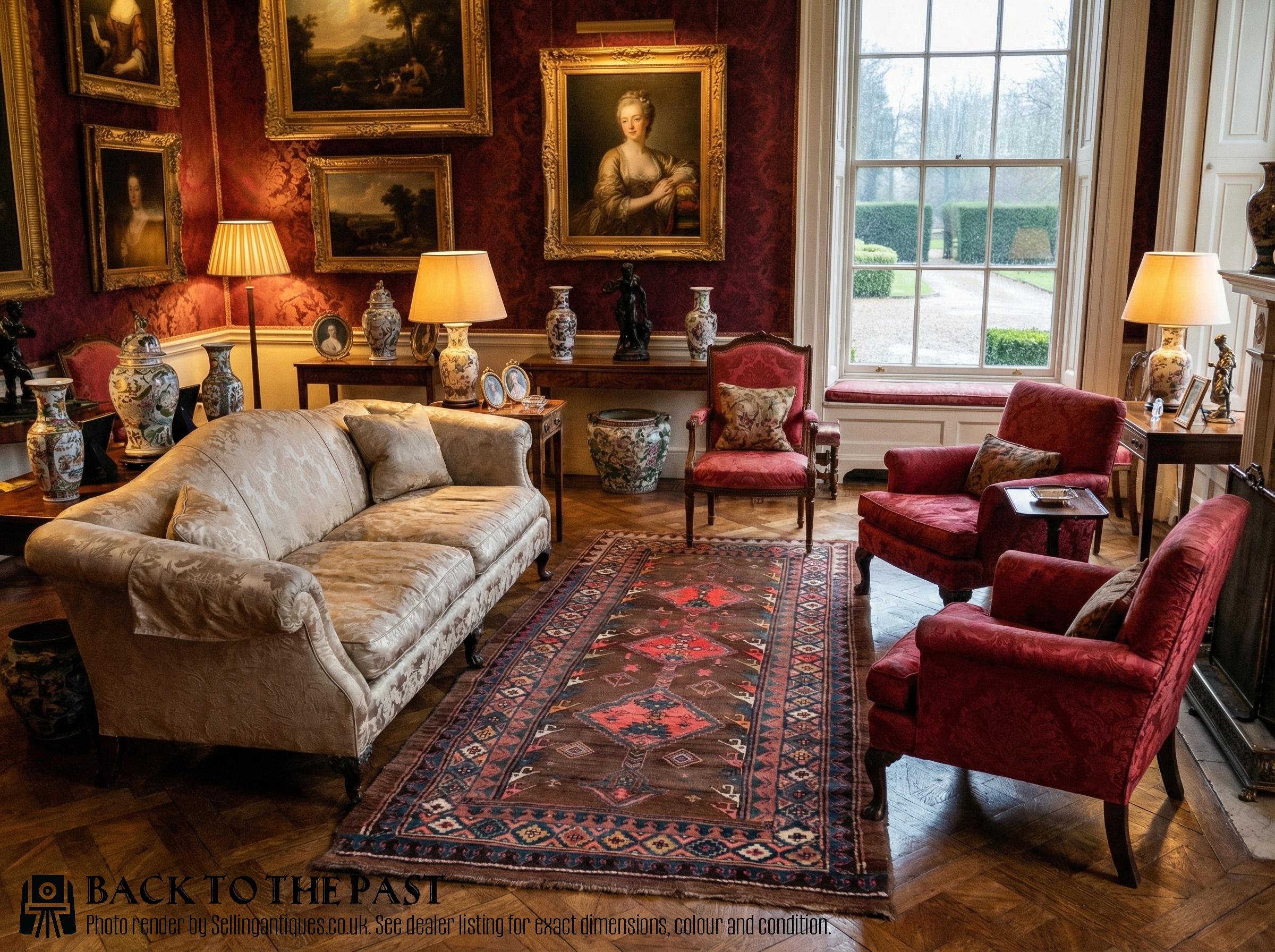
Red Geometric Tribal Rug
A red geometric tribal rug embodies centuries of nomadic and village weaving traditions from Persia, the Caucasus, and Anatolia. These floor coverings and textiles serve practical domestic functions while displaying traditional tribal symbols.
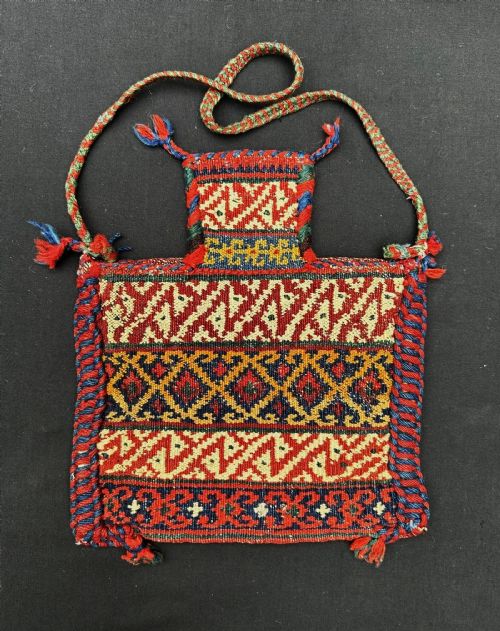
Most pieces seen here originate from village workshops and nomadic tribes, dating from the nineteenth century through the early twentieth century. Common formats include area rugs, runners, prayer rugs, and smaller saddle bags.
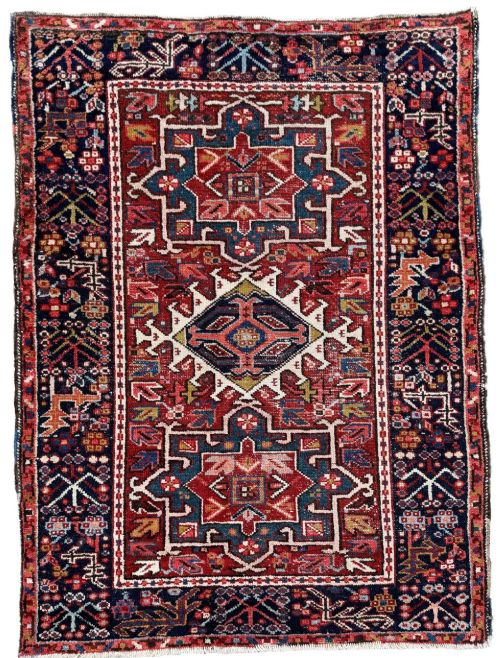
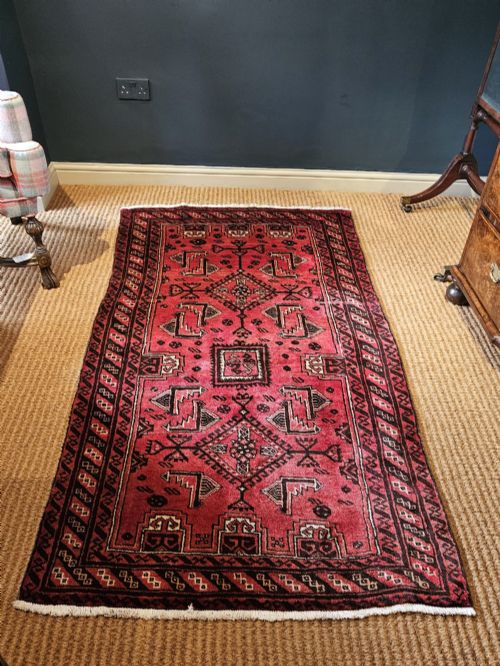
Regional styles span Persian tribal groups like the Afshar, Baluch, and Qashqai, alongside Caucasian and Anatolian examples. Each piece carries distinct geometric medallions and lattice patterns rooted in its specific geographic origin.
How They Were Made
Weavers constructed these textiles using wool and hand-spun wool for the pile, foundation, and structural elements. Cotton also appears in the foundations of certain village and regional pieces.
Natural dyes provide the characteristic colour palette, creating deep red tones and contrasting geometric motifs. Hand-knotting techniques secure the wool pile firmly to the warp and weft threads.
Red Geometric Tribal Rug Retail Price Guide 2026
Typical asking prices for red geometric tribal rug among the pieces listed under this phrase on Sellingantiques today, from the lower quarter to the upper quarter. They describe what is for sale here now, not the wider market.
Several examples began life not as floor coverings, but as functional saddle bags and tobacco pouches for nomadic travellers.
What Varies in Quality
Quality depends on the precision of the knotting and the complexity of the geometric layout. Tighter construction and finer hand-spun wool yield greater durability and structural integrity over decades of use.
The depth and variation of natural dyes influence the visual impact of each piece. Skilled use of traditional pigments creates rich, nuanced red hues that mature gracefully over time.
The Red Geometric Tribal Rug Glossary
- Mihrab
- A niche design found in prayer rugs, often indicating the direction of prayer. This architectural motif translates into distinctive pointed arches within the rug geometry.
- Medallion
- A central ornamental motif set into the field of the rug. These geometric shapes anchor the overall composition.
- Warp
- The stationary vertical threads stretched across the loom before weaving begins. The pile knots are tied around these foundational threads.
- Weft
- The horizontal threads passed alternately over and under the warp threads to secure each row of knots. This maintains the structural stability of the textile.
Red Geometric Tribal Rug: Frequently Asked Questions
Where were these rugs made?
The pieces originate primarily from nomadic and village communities across Persia, the Caucasus, and Anatolia. Specific regions include Shirvan, Kerman, and Turkmenistan.
Weavers produced them in local tribal settlements, utilising regional motifs and locally sourced materials that reflect their specific cultural heritage.
How do I care for my rug?
Protect the wool pile by vacuuming gently without a rotating brush head. Rotate the piece periodically to ensure even exposure to foot traffic and light.
Professional cleaning suited for antique textiles preserves the natural dyes and hand-spun wool fibres. Avoid harsh chemical treatments entirely.
What materials were used?
Makers relied principally on wool and hand-spun wool for both the soft pile and the underlying structure. Cotton also appears in the foundations of specific regional pieces.
Natural dyes provided the primary palette, creating the deep red backgrounds and contrasting geometric details characteristic of these tribal textiles.
How do I identify different regional styles?
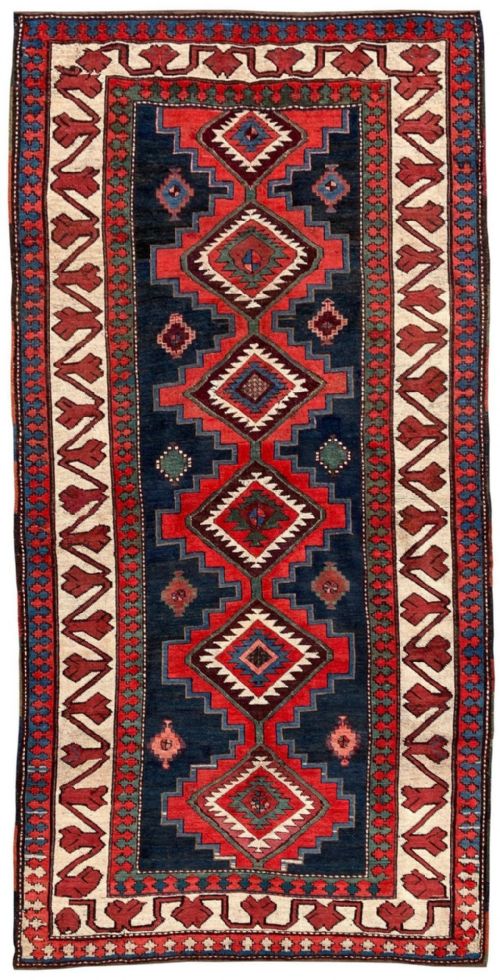
Regional attribution relies on specific combinations of geometric motifs, border designs, and structural formats. Caucasian pieces often display crisp cruciform medallions, while Persian tribal rugs feature intricate lattice work.
Examining the knotting style and wool characteristics helps distinguish between Anatolian, Caucasian, and Turkmen traditions.