










Red Floral Ceramic Plate
A red floral ceramic plate brings bold pattern and rich colour to a wall or table.
Red Floral Ceramic Plate
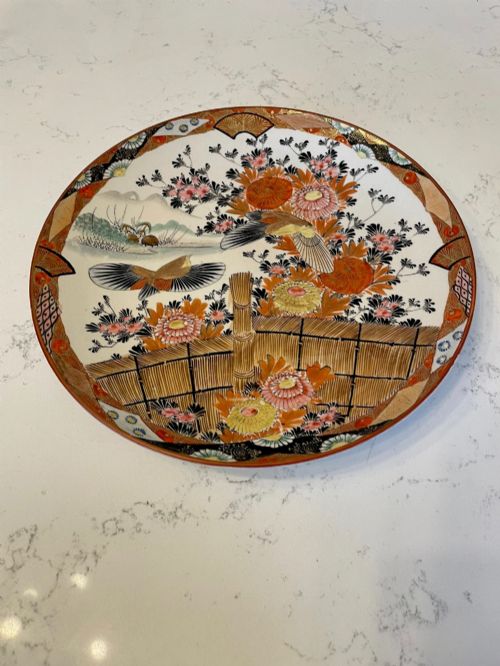
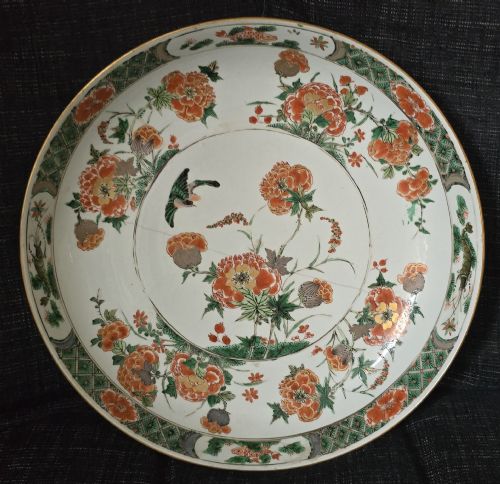
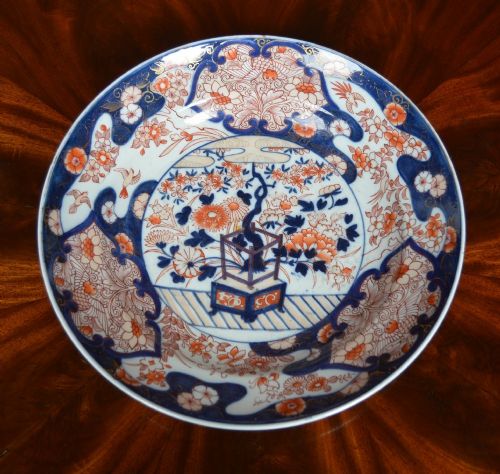
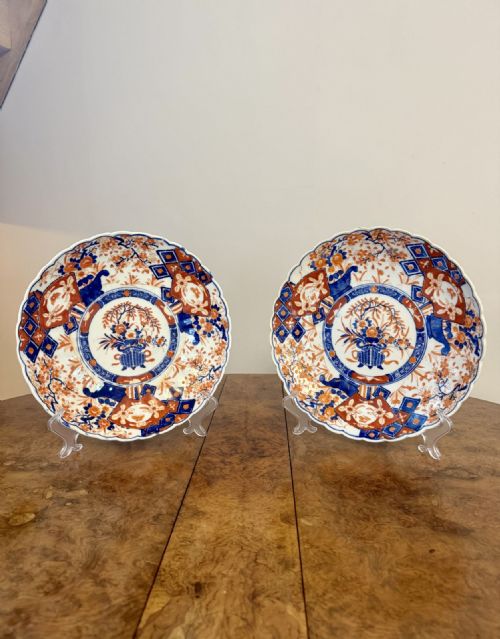
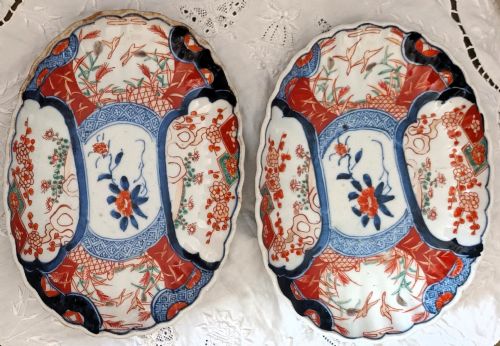
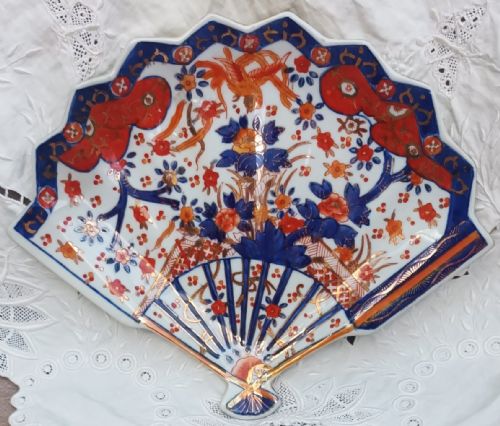
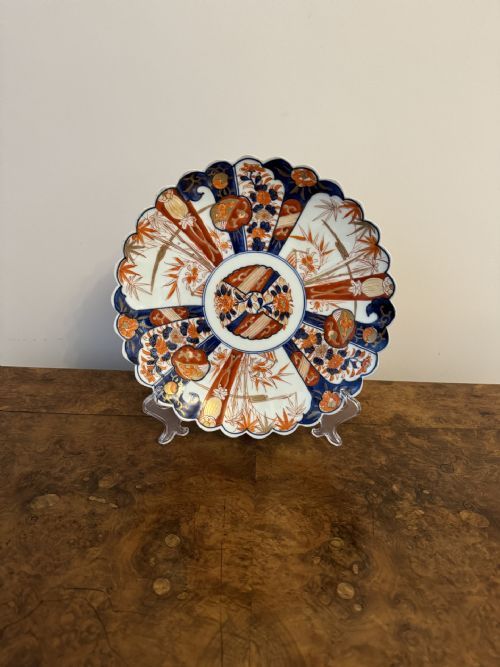
A red floral ceramic plate is a decorative display dish, charger or bowl defined by botanical motifs rendered in red tones. When searching for a red floral ceramic plate, buyers most frequently encounter Japanese Imari chargers and plates from the Meiji period and late nineteenth century, alongside Chinese porcelain and Georgian English earthenware.
The selection ranges from small hexagonal and scalloped plates to large wall chargers. Forms span deep bowls, biscuit barrels and flat decorative dishes created for display.
How they were made
These pieces utilise ceramic, porcelain and earthenware bodies finished with glaze. Many incorporate cobalt underglaze, enamel and hand-painted pigments.
Makers applied gilt, gilding and gold leaf to highlight intricate floral and bird designs across the surface.
Red Floral Ceramic Plate Retail Price Guide 2026
Typical asking prices for red floral ceramic plate among the pieces listed under this phrase on Sellingantiques today, from the lower quarter to the upper quarter. They describe what is for sale here now, not the wider market.
Biscuits stayed crisp inside decorative ceramic barrels painted with tiny red flowers.
What varies in quality
The distinction between ordinary production and superior work lies in the precision of the hand-painted brushwork and the vibrancy of the enamel palette. Pieces at the upper end show crisp detail in floral and bird motifs, with balanced composition across complex hexagonal, scalloped or square edges.
The weight of the porcelain or ceramic body and the stability of the glaze contribute to the overall presence of the dish. Better examples maintain clear definition in the gilding and cobalt underglaze without blurring.
Flight Barr And Barr·Shozo
The Red Floral Ceramic Plate Glossary
- Imari
- A style of Japanese porcelain featuring a palette of red, blue and gold. These pieces were traditionally exported from the port of Imari.
- Charger
- A large decorative plate used historically for service or displayed upright on a wall or dresser. They measure considerably larger than standard dining plates.
- Scalloped edge
- A decorative curved border shaped like the edge of a scallop shell. This technique appears frequently on Japanese plates.
- Cobalt underglaze
- A blue pigment applied to the ceramic body before glazing and firing. It creates a deep tone that resists high temperatures.
- Enamel
- Opaque glass fused to the ceramic surface during a secondary firing. It provides the bright red and secondary colours found on these dishes.
Red Floral Ceramic Plate: Frequently Asked Questions
How were these decorative plates displayed?
Plates and chargers of this scale were frequently stood upright on plate racks, hung on walls using wire fasteners, or set upon sideboards to showcase the painted surface.
Their bold red and blue palettes made them effective focal points in nineteenth-century interiors.
What is the difference between an Imari plate and a charger?
The primary distinction lies in physical scale and intended function. Chargers are substantially larger, designed primarily for display rather than holding food.
Plates are smaller in diameter and were sometimes utilised for dessert service alongside display.
How do I identify a Meiji period piece?
Meiji period ceramics typically date between eighteen sixty-eight and nineteen twelve, aligning with the reign of Emperor Meiji. They often display dense hand-painted floral and bird designs with rich enamel and gilt work.
Japanese Imari pieces from this era frequently feature scalloped or hexagonal forms.
Can these antique plates be used for dining?
Most antique ceramic plates and chargers from the eighteenth and nineteenth centuries are intended for decorative display rather than daily culinary use. The delicate enamel, gold leaf and glaze can wear down with repeated washing and cutlery contact.
Displaying them on walls or stands preserves the painted surface.