
Red Central Asian Textile
A red central asian textile brings bold tribal geometry and rich madder tones into a modern interior.
Red Central Asian Textile
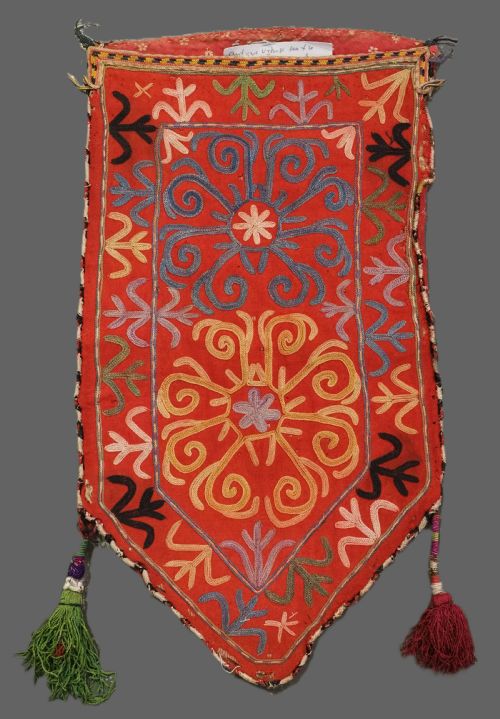
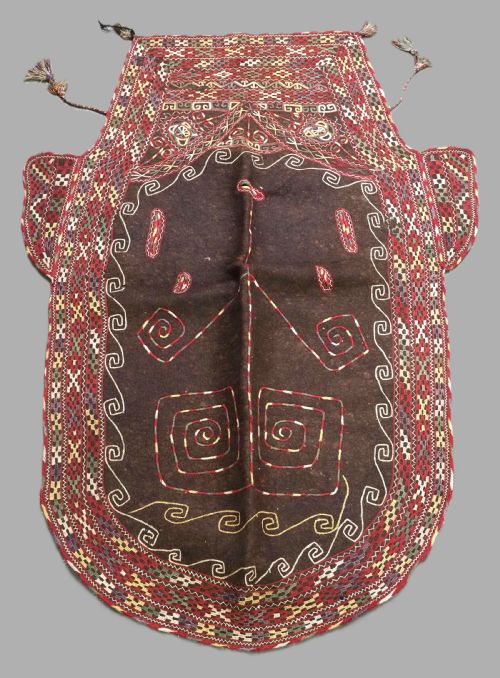
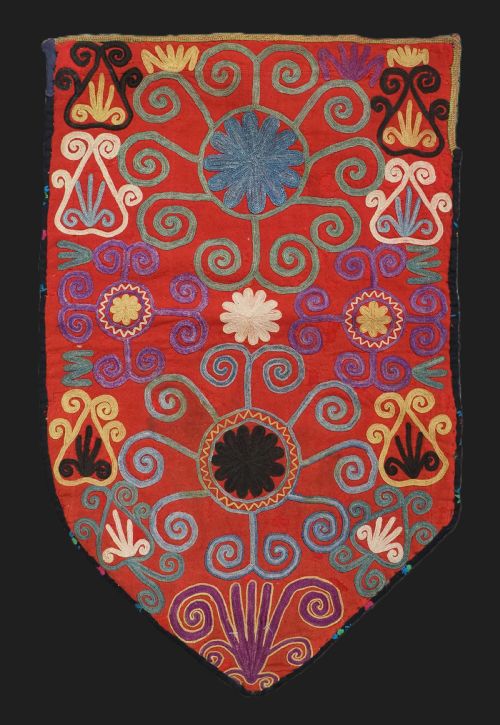
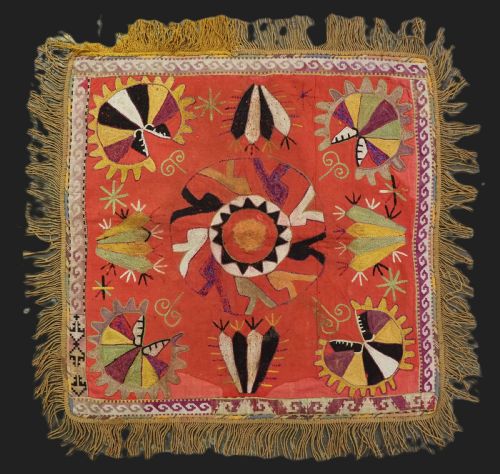
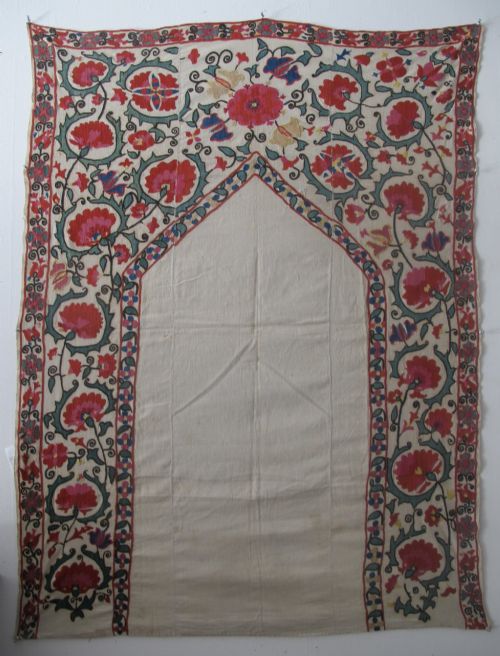
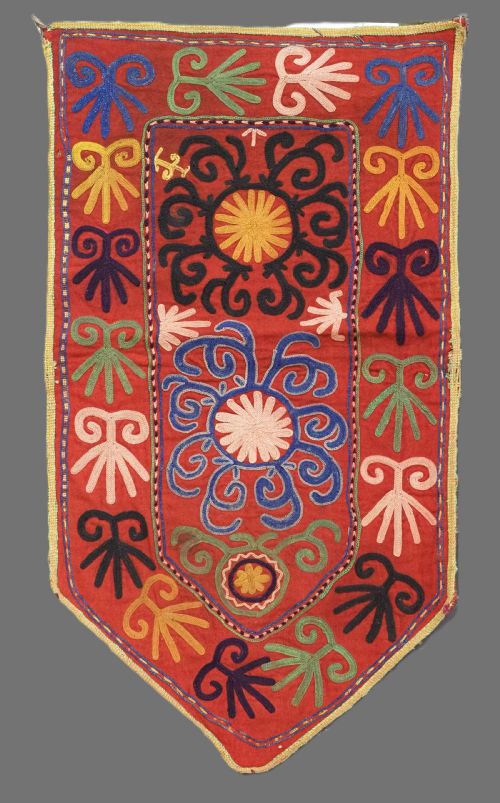
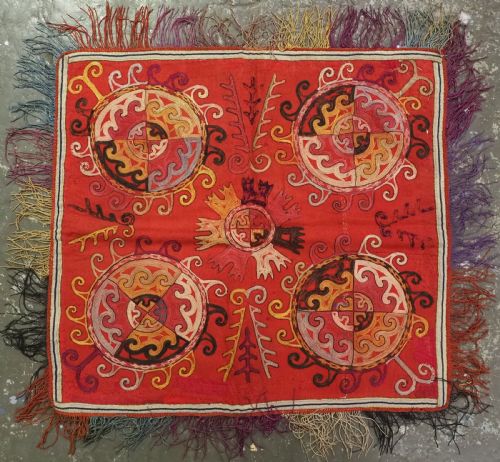
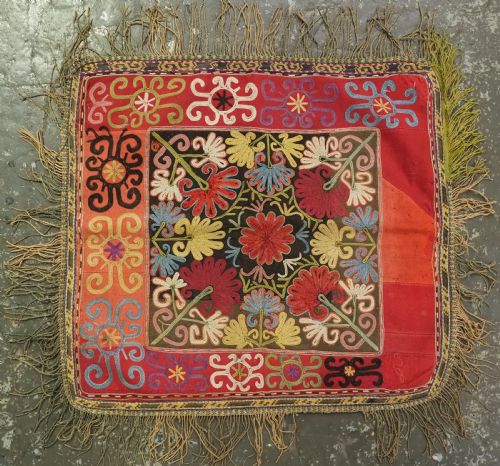
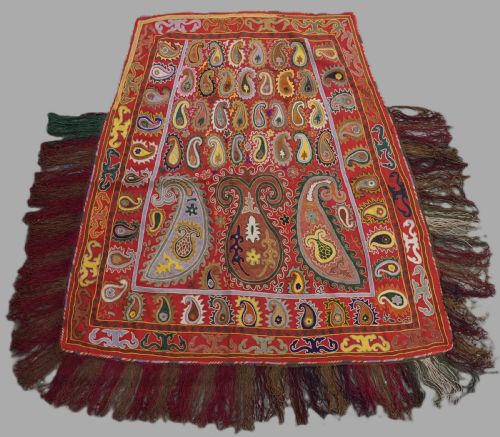
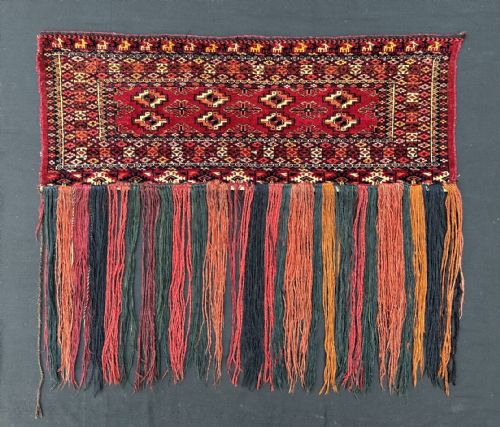
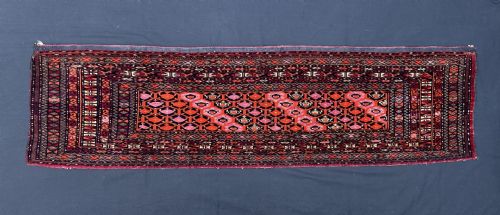
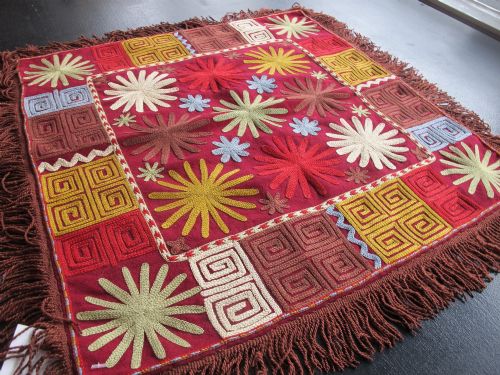
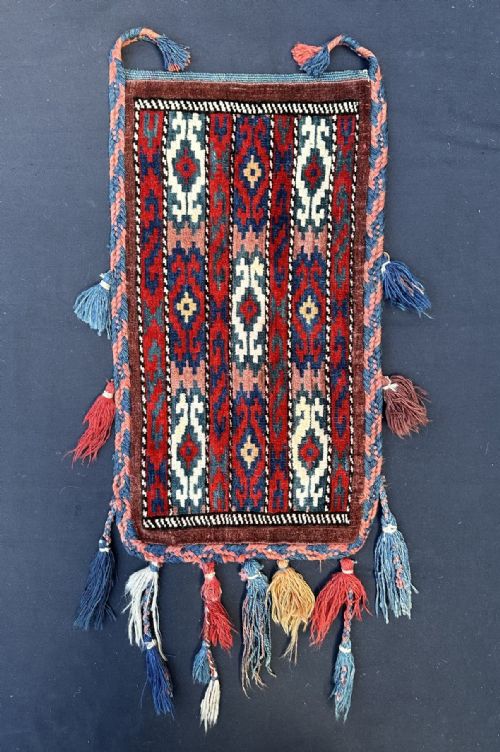
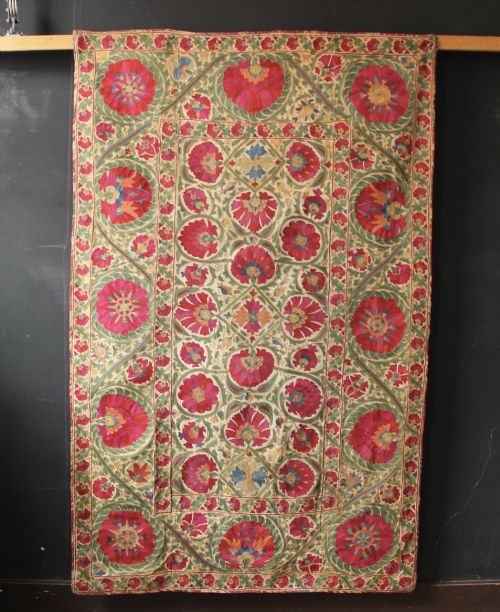
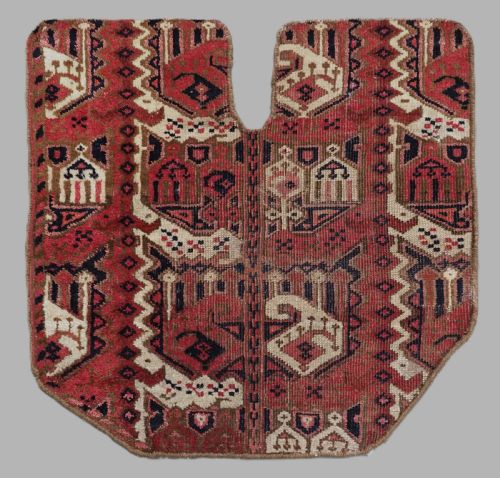
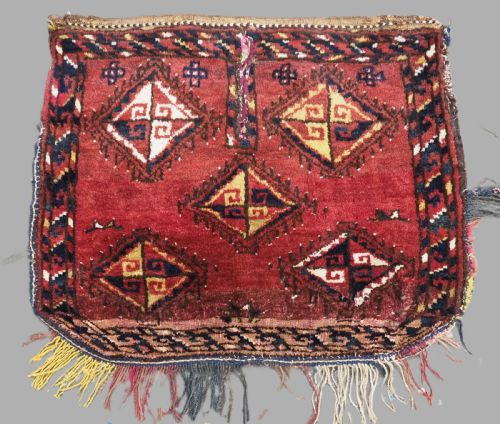
A red central asian textile encompasses tribal weavings, embroidered wall hangings, and ceremonial horse covers originating from nomadic groups across the region. Buyers searching this phrase most frequently encounter Yomut, Tekke, Ersari, and Saryk Turkmen tribal rugs, alongside lively Uzbek Lakai dowry embroideries.
The selection ranges from functional domestic bags and cushions such as chuvals and torbas to large wall hangings like Suzanis and architectural hangings. These pieces date primarily from the mid nineteenth century through the early twentieth century, reflecting the rich nomadic heritage of Central Asia.
How They Were Made
The materials rely heavily on hand-spun wool, cotton, and silk, often enriched with natural dyes that yield deep madder reds and earthy secondary tones. Artisans utilised wool and felted wool for durable tribal rugs and horse blankets, while intricate silk thread embroidery decorated dowry pieces and wall hangings.
Tribal weavers employed traditional knotting and flatweave techniques for utility items, whereas nomadic embroiderers worked freehand or on cotton foundations to create dense, figurative panels.
Nomadic horses wore finer ceremonial felt blankets than most modern humans.
What Varies in Quality
Quality rests upon the fineness of the weave, the precision of the tribal motifs such as guls or asmalyk designs, and the depth of the natural dyes. Superior examples exhibit tightly packed knots, crisp symmetry, and supple wool or glossy silk thread.
The preservation of original borders, tassels, and plain-weave backs further distinguishes finer pieces, showing intact tribal utility rather than later alterations.
The Red Central Asian Textile Glossary
- Suzani
- An embroidered tribal wall hanging from Uzbekistan, traditionally stitched in silk on a cotton foundation. These large textiles often display striking floral or architectural designs intended for domestic ceremonies.
- Gul
- A medallion motif repeated across Turkmen carpets and tribal weavings. Each tribal group utilises distinct repeating guls to signify lineage and origin.
- Asmalyk
- A large pentagonal trapping used during wedding processions, hung on the flanks of a bride's camel. Yomut weavers produced notable examples featuring rich red fields.
- Ilgich
- An embroidered dowry hanging produced by the Lakai tribe in Uzbekistan. These pieces present dynamic, abstracted forms worked in vibrant silk threads.
- Chuval
- A large tent bag utilised for bedding storage within nomadic households. Surviving examples often showcase multiple major guls and structured borders.
Red Central Asian Textile: Frequently Asked Questions
What is a red central asian textile used for?
Nomadic groups utilised these textiles primarily for practical storage, tent decoration, and ceremonial transport during weddings. Horse covers, saddle rugs, and bags served functional roles within daily tribal life before entering private collections.
Today, collectors hang these woven and embroidered pieces on walls or place them in low-traffic areas to preserve their historic natural dyes and delicate silk threads.
How do I identify a Yomut weaving?
Yomut weavings originate from the Trans-Caspian steppes and are distinguished by distinctive diamond-shaped guls and deep red wool fields. They frequently include hooked motifs and specific border arrangements unique to the tribe.
Examining the structure reveals hand-spun wool and dense knotting characteristic of nineteenth-century nomadic production in this region.
What distinguishes Uzbek Lakai embroideries?
Lakai embroideries stand apart through their energetic, highly stylised geometric motifs stitched in bright silk thread onto felt or cotton grounds. These dowry pieces prioritize bold movement over strict symmetry.
The dynamic shapes often depict abstracted animals, horns, and amulets intended to ward off misfortune.
How should I care for an antique textile?
Antique textiles require protection from direct sunlight to prevent natural dyes from fading over time. Gentle vacuuming through a mesh screen helps remove dust without damaging fragile wool or silk embroidery.
Professional textile conservators should handle any major cleaning or mounting to ensure the historic fibres remain fully supported.