


Nomadic Tent Hanging
When you search for a nomadic tent hanging, you are looking at woven or embroidered tribal textiles created for Central Asian dwellings.
Nomadic Tent Hanging
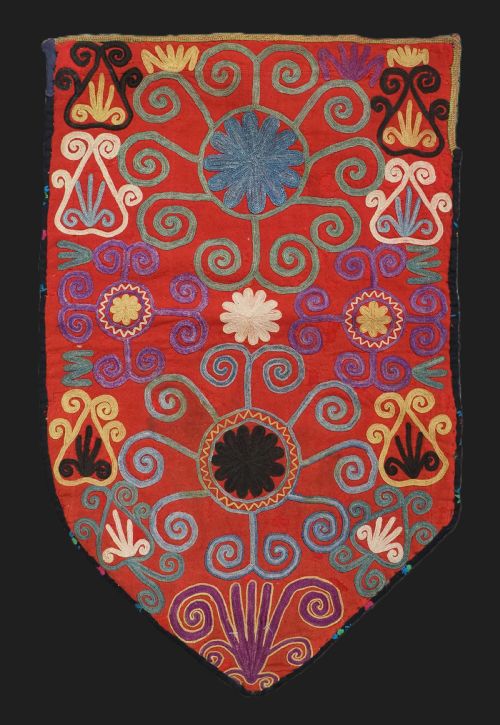
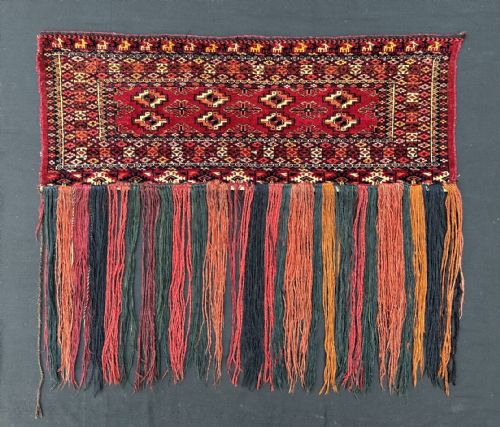
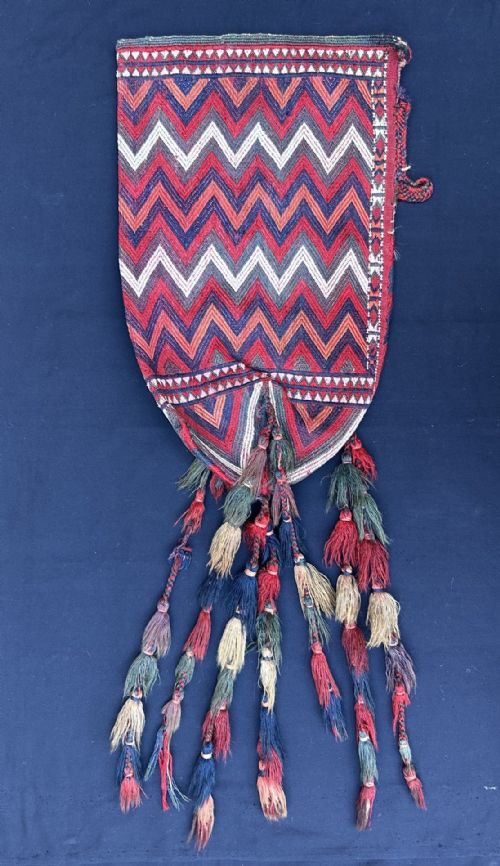
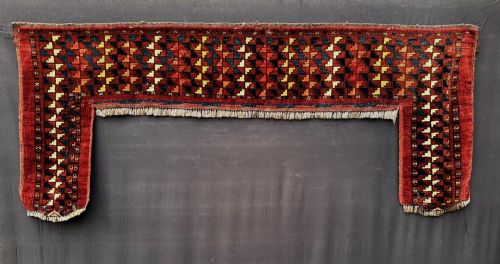
A nomadic tent hanging encompasses functional tribal weavings produced by groups such as the Turkmen, Uzbek, and Kyrgyz across Central Asia. These items include bag faces, door ornaments, tent bands, and storage sacks originally utilised within yurt dwellings.
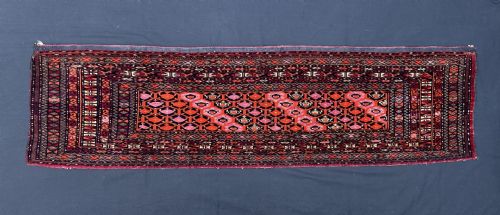
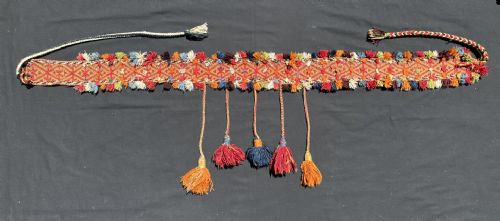
The pieces on this page span from the eighteenth century through to the early twentieth century, showing structural variety from full storage bags with original backs to fragmentary tent bands and embroidered wall decorations.
Materials and Techniques
Weavers utilised hand-spun wool and cotton foundations, frequently embellished with silk thread, wool fringe, and glass beads to create textured surfaces. Natural dyes provided the rich palette seen across these tribal weavings.
Construction techniques range from fine pile knotting to flat weaves and dense silk embroidery, reflecting the specific tribal traditions of regions such as the Trans-Caspian steppes and the Amu Darya basin.
Some tent bands stretch up to fifty feet in length, proving that nomads took interior decorating very seriously indeed.
Evaluating Quality
Quality in these textiles depends on the density of the weave, the clarity of the primary tribal motifs such as guls, and the integrity of the natural dyes. Pieces retaining original backs, tassels, and complete borders command greater attention from collectors.
The precision of execution in secondary details, including silk highlights and embroidery work, distinguishes standard domestic items from finer tribal dowry pieces.
The Nomadic Tent Hanging Glossary
- Gul
- A primary octagonal or repeating medallion motif used extensively in Turkmen tribal rugs and hanging bags. Each design often signifies a specific tribe or clan grouping.
- Chuval
- A large tent storage bag used for bedding and household goods by Turkmen tribes. Surviving examples are often encountered as cut faces rather than complete sacks.
- Okbash
- A small decorative bag designed to cover the ends of tent poles inside a yurt. They are characterised by their triangular hoods and narrow shapes.
- Tegerich
- A long, narrow tent band used structurally to secure the framework of a yurt. Fragments occasionally survive with piled or woven patterns.
Nomadic Tent Hanging: Frequently Asked Questions
What were nomadic tent hangings used for?
These textiles served practical storage and structural purposes inside traditional Central Asian yurts. Items held bedding, clothing, and household possessions while contributing to the interior decoration of the nomadic dwelling.
Specific forms like tent bands secured the wooden lattice framework together against harsh steppe winds. Other items functioned as dowry pieces or ceremonial decorations for weddings and festivals.
How do I identify different tribal groups?
Tribal attribution relies heavily on the specific drawing of motifs, structural materials, and colour palettes. Groups such as the Yomut, Teke, Ersary, and Saryk employed distinct primary gull patterns and border arrangements.
Examining the weave structure and secondary colours provides further clues to the regional origin. Expert analysis of these elements separates pieces originating from the Merv oasis versus the Fars province.
Are these pieces complete or fragments?
Many surviving historical examples exist as bag faces rather than complete containers because the backs wore out from heavy domestic use. Collectors frequently prize these remaining decorative panels for their design integrity and visual impact.
Complete pieces featuring original backs, side cords, and lower fringes occasionally appear on the market. These complete examples offer a fuller picture of the original tribal utility.
How should I care for a textile hanging?
Display these textiles away from direct sunlight to protect natural dyes from fading over time. Gentle vacuuming through a mesh screen helps remove dust without damaging fragile wool or silk fibres.
Professional textile conservators should handle any necessary cleaning or mounting onto supportive backing materials. Avoid hanging heavy items by a single point to prevent uneven strain on the old foundation.