




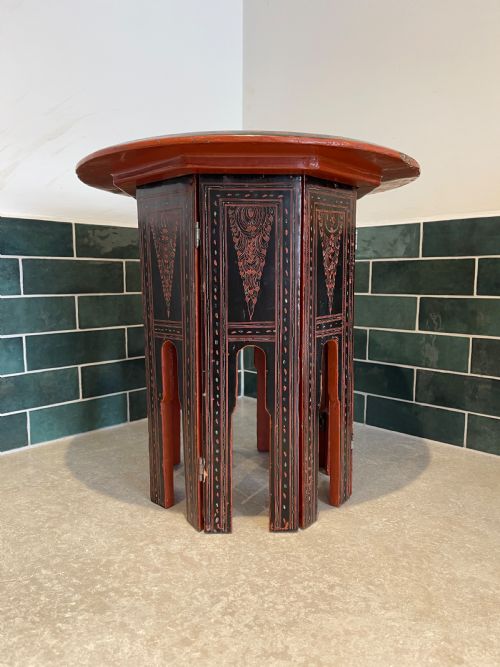


Red Carved Lacquerware
These pieces of red carved lacquerware bring rich depth and intricate relief work into a room through centuries of traditional layering.
Red Carved Lacquerware
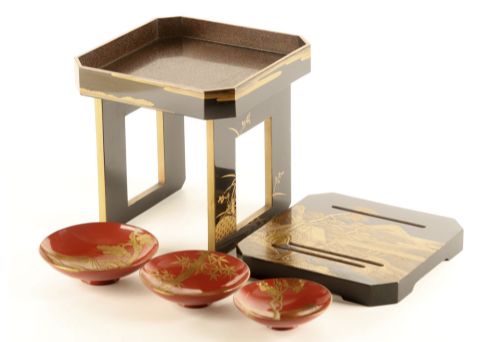
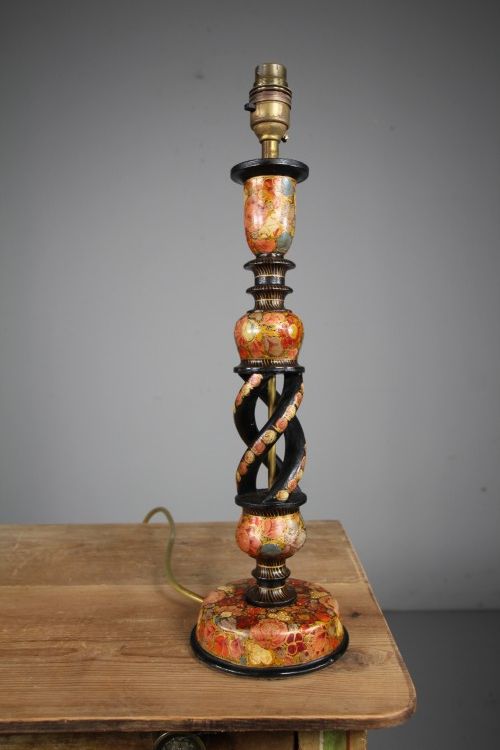
When you search for red carved lacquerware, you encounter a diverse array of items originating from Chinese, Japanese, Burmese, Kashmiri, and Anglo-Indian traditions. The selection includes utilitarian and decorative forms such as vases, lidded boxes, decorative plaques, side tables, occasional tables, table lamps, and sake sets.
The pieces span several periods, drawing heavily from the 18th century, the 19th century including the Qing Dynasty and Victorian eras, and the early 20th century up to the 1930s. Chinese cinnabar examples from the Qing period sit alongside Japanese Taisho period items and Burmese tables.
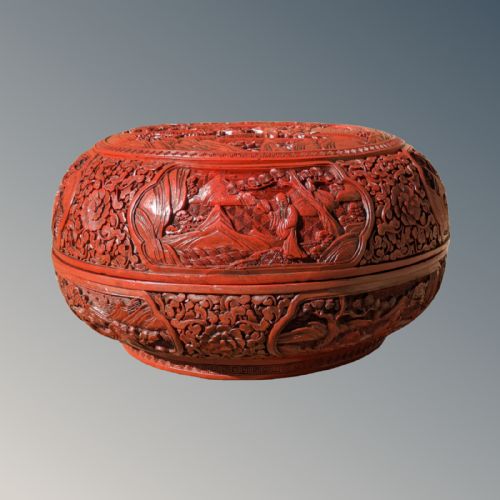
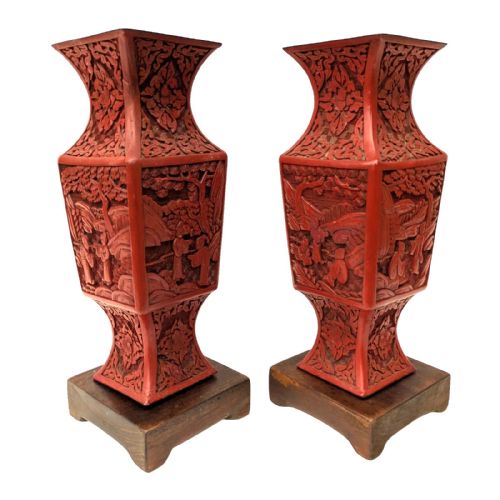
The version you are most likely to meet on this page is a Chinese cinnabar lacquer vase or lidded box from the 19th century. These items display the dense carving and rich red pigment characteristic of the medium across various forms.
How they were made
Makers built these pieces using wood or papier-mache as a foundational core, applying numerous successive coats of lacquer to achieve the necessary thickness for deep carving. Artisans then carved intricate designs directly into the hardened layers of lacquer.
Some items incorporate supplementary materials alongside the primary lacquer and wood construction. These include brass accents, cinnabar, and gold leaf highlights applied to enrich the visual texture of the carved surfaces.
Listings feature items spanning the 18th century to the 1930s, using wood, lacquer, cinnabar, brass, and gold leaf.
What varies in quality
The depth and crispness of the carved relief separate standard examples from finer works. Master carvers achieved sharp, clean edges and layered perspective within the lacquer, whereas lesser pieces display softer, shallower incisions.
The complexity of the underlying form and the consistency of the lacquer layers dictate the overall success of the object. Heavier, more substantial builds and uniform pigment distribution indicate superior workshop standards.
The Red Carved Lacquerware Glossary
- Cinnabar lacquer
- A red lacquer pigment derived from mercuric sulphide, traditionally used in Chinese carving. It yields the distinct dense red finish seen on many boxes and vases.
- Urushi lacquer
- A natural resin sap harvested from the lacquer tree, utilised in Japanese production. It forms a durable and moisture-resistant surface when cured.
- Qing Dynasty
- The final imperial dynasty of China, spanning from the seventeenth to the early twentieth century. Pieces from this era often feature elaborate floral and figurative carved motifs.
- Taisho period
- A period in Japanese history spanning the early twentieth century. Items from this time reflect a blend of traditional lacquer techniques and modern aesthetic influences.
Red Carved Lacquerware: Frequently Asked Questions
How do I clean red carved lacquerware?
Dust these items gently with a soft, dry cloth to prevent surface scratching. Avoid liquid cleaners and harsh chemicals that can damage the lacquer layers.
Keep the pieces away from direct sunlight and extreme temperature fluctuations to prevent the wood core from expanding and the lacquer from cracking.
Can I use these tables daily?
Tables and occasional pieces function well for everyday use provided they receive gentle treatment. Placing coasters or protective mats underneath items helps preserve the lacquer surface.
Avoid exposing the tables to excessive moisture or heavy impacts that could chip the carved lacquer borders.
How do I date a cinnabar box?
Dating relies upon examining the style of the carving, the material of the core, and the colour depth of the red lacquer. Mid-Qing Dynasty pieces often show deeper relief and specific motifs compared to later nineteenth-century items.
Inspect the interior and base of the box for signs of age, wear patterns, and the type of substrate used beneath the lacquer layers.
Where were Burmese lacquer tables made?
Burmese lacquer tables originated in workshops within Burma, often utilising local timber cores covered in multiple layers of pigmented lacquer. These pieces reflect distinct regional decorative traditions separate from Chinese cinnabar work.
Artisans in Burma applied traditional techniques passed down through generations to create these distinct occasional and side tables.