






Asian Art Decor
Asian art decor pieces bring centuries of global craftsmanship into a room, offering rich textures and traditional motifs for a curated interior.
Asian Art Decor
Asian art decor encompasses a diverse selection of wall art, textiles, and decorative objects spanning the nineteenth and early twentieth centuries. These items reflect distinct cultural traditions from China, Japan, Central Asia, Afghanistan, and Burma.
Buyers frequently encounter framed woodblock prints, embroidered textiles, carved wooden panels, and painted glass or silk. Each piece serves as a focal point, bringing historical depth and authentic regional craftsmanship to domestic spaces.
The assortment bridges fine artistic traditions and tribal utility, featuring everything from intricate Chinese cinnabar lacquer vases to nomadic Turkmen spindle bags and Uzbek wall hangings.
Materials and construction methods
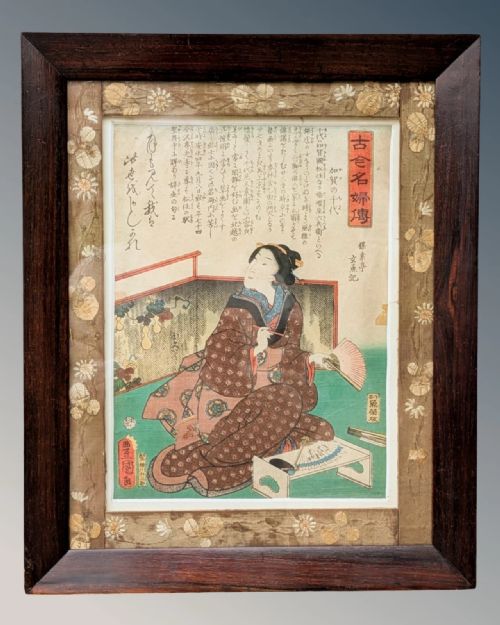
Makers utilised organic materials such as wood, silk, cotton, wool, bone, and paper, often combining them within a single piece like a woodblock print mounted in silk brocade and a rosewood frame. Lacquerwork required meticulous application over wooden bases, whilst textiles relied on hand-woven wool, cotton, and embroidered silk threads.
Techniques varied by region, ranging from Chinese reverse painting on glass and watercolor on silk to Central Asian tribal embroidery and bone inlay on woodwork. These labor-intensive methods produced durable objects designed for ceremonial, domestic, or structural use.
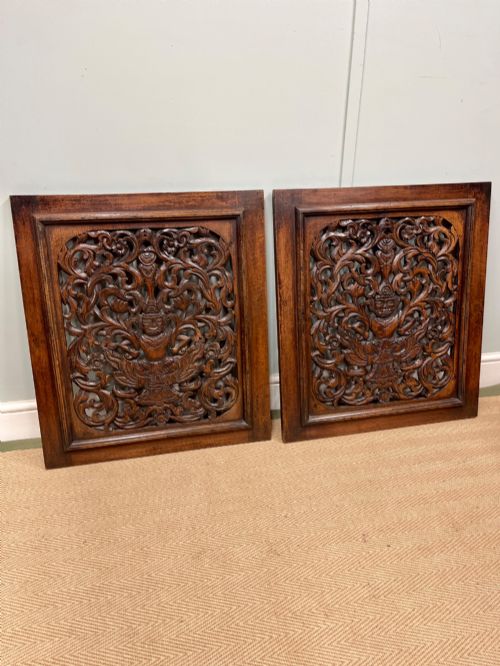
A painted cart door finds a second life indoors, proving that nomadic transport makes surprisingly robust wall art.
Distinctions in quality
Quality rests upon the precision of the handwork, the integrity of the materials, and the preservation of the original surface. Finely executed brushwork on silk or crisp detail in woodblock prints distinguish superior pictorial works.
For textiles and tribal pieces, the density of the weave, the complexity of the embroidery stitches, and the vibrancy of natural dyes determine the tier of the object. Structural pieces like lacquered panels and carved doors depend on the retention of their original pigment and joinery.
The Asian Art Decor Glossary
- Ukiyo-e
- A genre of Japanese art flourishing from the seventeenth through nineteenth centuries, depicting scenes of daily life, landscapes, and historical narratives through woodblock prints and paintings.
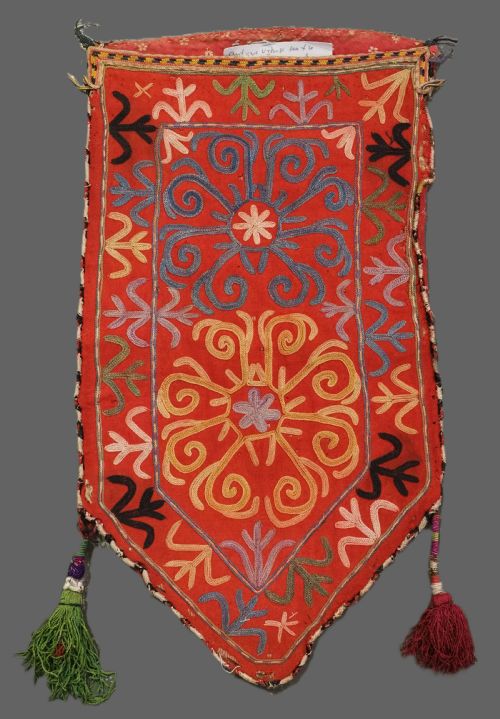
- Suzani
- A type of embroidered and decorative tribal textile made in Tajikistan, Uzbekistan, and other Central Asian nations, typically worked in silk on a cotton ground.
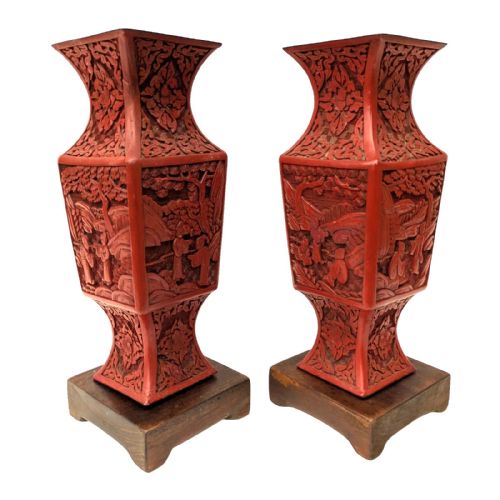
- Cinnabar
- A bright scarlet mineral form of mercury sulfide used to colour traditional Chinese lacquerware, applied in multiple layers before being deeply carved with intricate motifs.
- Roundel
- A circular decorative panel or work of art, often found paired in Japanese lacquered items to balance symmetry in interior displays.
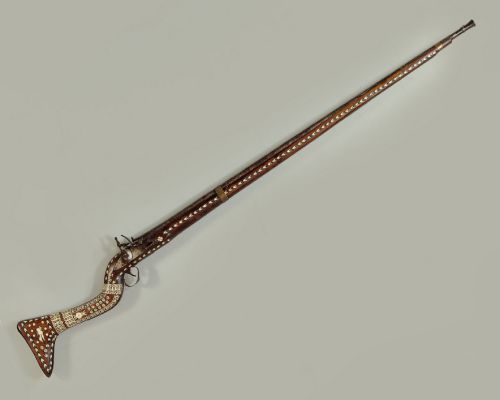
- Jezail
- A traditional long-barrel muzzle-loading firearm originating in Afghanistan and Central Asia, frequently embellished with intricate bone or metal inlay work.
Asian Art Decor: Frequently Asked Questions
How do I hang a fragile textile?
Fragile textiles such as embroideries and tribal hangings require professional mounting behind UV-filtering glass or careful stitching to a supportive linen backing. This distributes the weight evenly and protects the delicate silk or wool fibres from environmental damage.
Avoid direct sunlight and high humidity areas when deciding on a placement location within your home to preserve the natural dyes and organic threads over time.
Can I mix different regional styles?
Combining pieces from different regions, such as Japanese woodblock prints and Central Asian tribal textiles, creates a layered interior that reflects historical global trade and personal collection habits. Maintaining a consistent palette or framing style helps unify disparate origins.
Allow individual objects enough visual space on walls or within rooms so that their distinct materials and textures remain the primary focus.
How do I clean lacquered panels?
Dust lacquered wooden panels gently with a soft, dry, lint-free cloth to prevent surface scratching. Avoid using chemical polishes, water, or commercial cleaning solutions, as these can strip or cloud the traditional finish.
Keep wooden and lacquered items away from direct heat sources and dramatic temperature shifts to prevent the wood from warping and the lacquer from cracking.
What defines a woodblock print?
Japanese woodblock prints are created by carving an image into a wooden block, applying pigment, and hand-pressing the design onto handmade paper. Artists and publishers often produced these prints in series to illustrate popular literature or landscapes.
Examine the surface under a magnifying glass to look for the subtle impression of the block into the paper fibres, which distinguishes traditional printing from modern mechanical reproductions.