

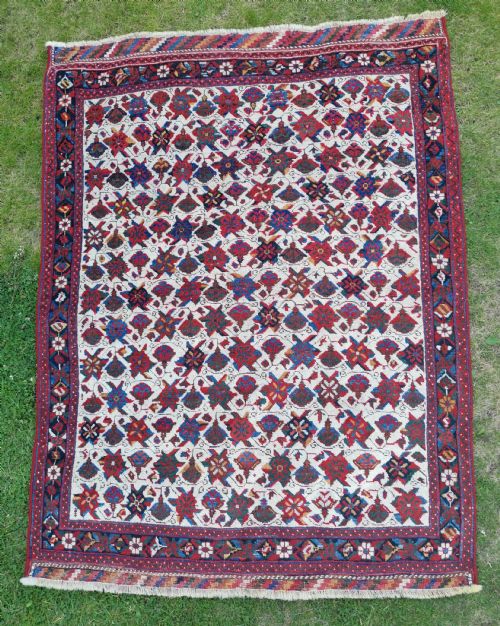
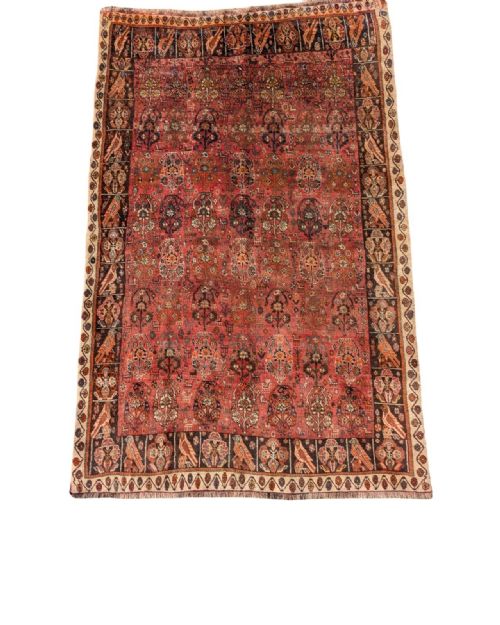
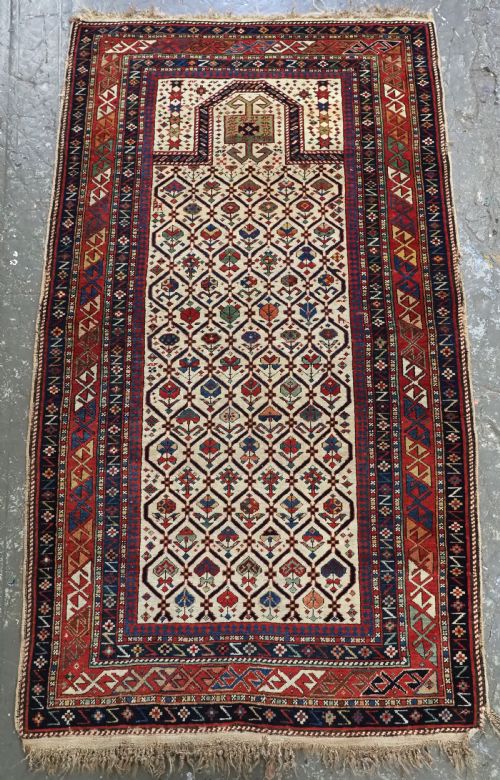
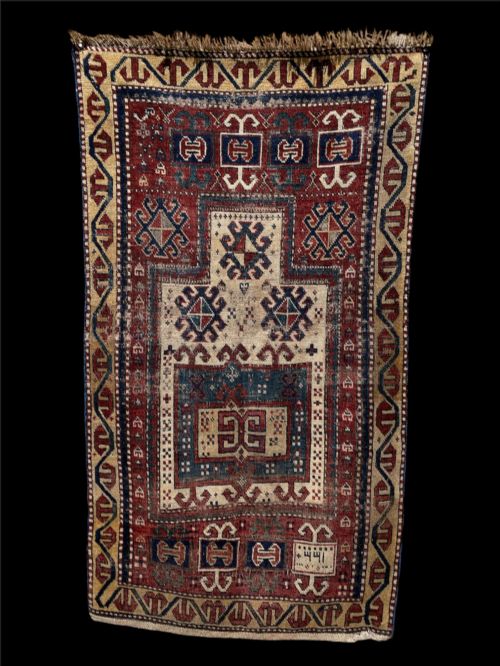


Red Carpet Floor Mat
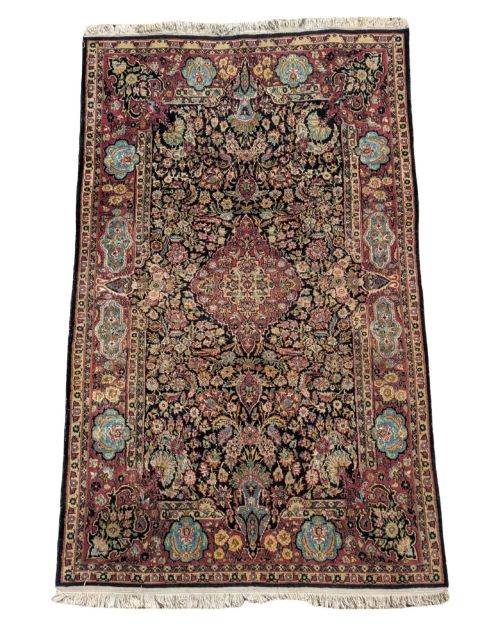
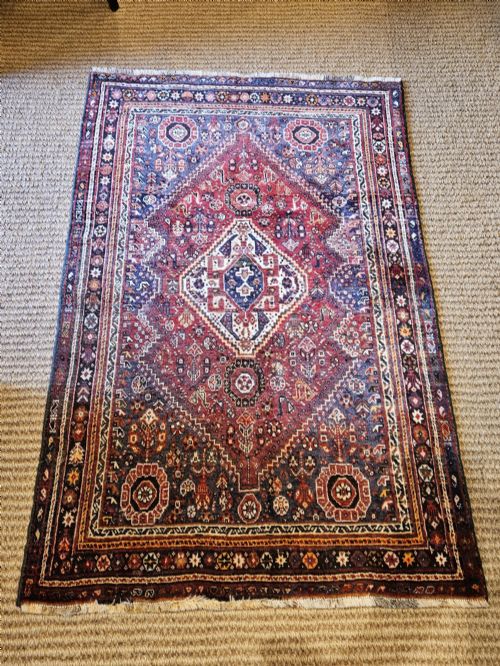
These red carpet floor mat examples span Persian, Caucasian, and tribal traditions, offering rich hues and historic craftsmanship for the home.
Red Carpet Floor Mat
A red carpet floor mat search leads directly to hand-woven rugs and carpets originating from Persian, Caucasian, and Central Asian weaving centres. The selections here encompass tribal formats, prayer rugs, hallway runners, and kilims.
Most pieces date from the nineteenth century through to the early decades of the twentieth century, reflecting traditional village and nomadic output. Buyers encounter formats ranging from compact mats to room-sized carpets carrying geometric, floral, and gul designs.
How they were made
The physical build relies primarily on natural wool, cotton, and occasional silk highlights spun and knotted by hand. Weavers utilised traditional looms to produce durable pile surfaces and flatweave structures.
Colouring is achieved through natural dyes and vegetable dye sources that yield deep tones, including the characteristic rust and red backgrounds found across many examples.
Several tribal rugs quietly hide small figures of peacocks and animals among their geometric lattices.
What varies in quality
Quality rests upon the fineness of the knotting, the complexity of the design, and the integrity of the original structure. Denser foundations and crisply articulated motifs denote higher standard workshop and tribal output.
The preservation of original kilim ends, selvedges, and side cords distinguishes superior survivals from pieces that have undergone heavy structural intervention over time.
The Red Carpet Floor Mat Glossary
- Prayer rug
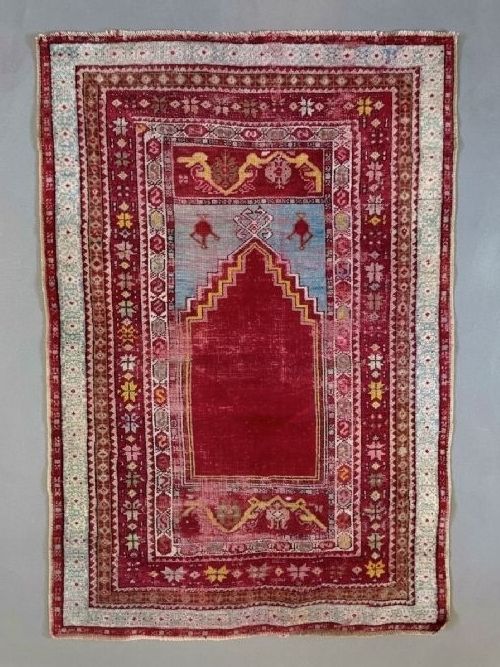
- A small carpet featuring a mihrab or arch design traditionally used for daily Islamic prayer. These pieces often display specific directional motifs.
- Gul
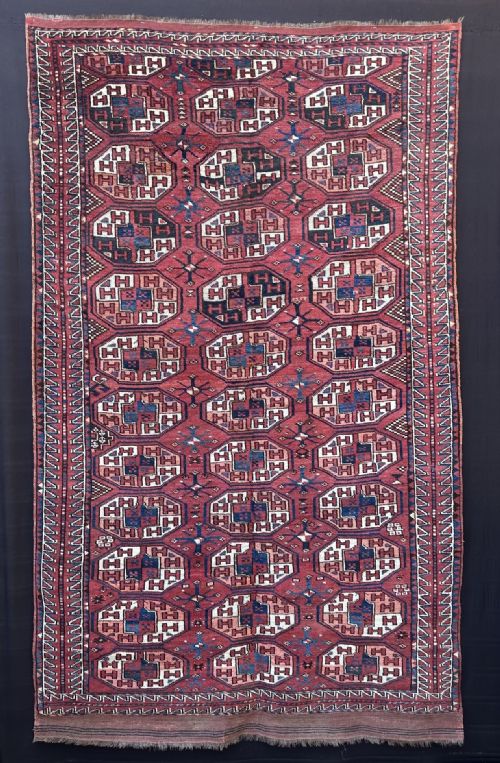
- A repeating medallion or octagonal design element frequently found in Turkmen and Baluch tribal carpets. The shape often identifies the specific weaving group.
- Kilim
- A flat-woven carpet or rug produced without a pile by tightly interweaving warp and weft strands. These items offer a flat, durable surface.
- Soumak
- A brocade-like flat-weave technique where extra weft threads are wrapped around the warp to create a textured surface. This method adds structural strength.
- Bidjar
- A durable carpet type produced in western Persia known for heavy wool foundations and dense knotting. They are often described as iron rugs of the trade.
Red Carpet Floor Mat: Frequently Asked Questions
How do I clean an antique rug?
Surface dirt is best managed through gentle suction vacuuming without a rotating brush bar, avoiding the fragile fringed ends entirely.
Professional specialist washing remains necessary for deeper cleans to prevent dye migration and wool damage.
Can these rugs go in hallways?
Many examples function well in high-traffic corridors when paired with a quality underlay to prevent slipping and reduce pile compression.
Placing them out of direct, intense sunlight preserves the natural and vegetable dyes over decades of daily use.
What is a tribal carpet?
Tribal rugs are woven by nomadic or village groups working from memory and traditional motifs rather than fixed urban cartoons.
Their designs frequently incorporate geometric patterns, animal figures, and repeating medallions specific to the region.
How do I date a woven rug?
Dating relies on assessing the structural materials, the chemical composition of the dyes, and stylistic indicators such as border symmetry and knot density.
Comparative analysis with documented pieces from periods like the nineteenth century helps narrow the decade of production.