

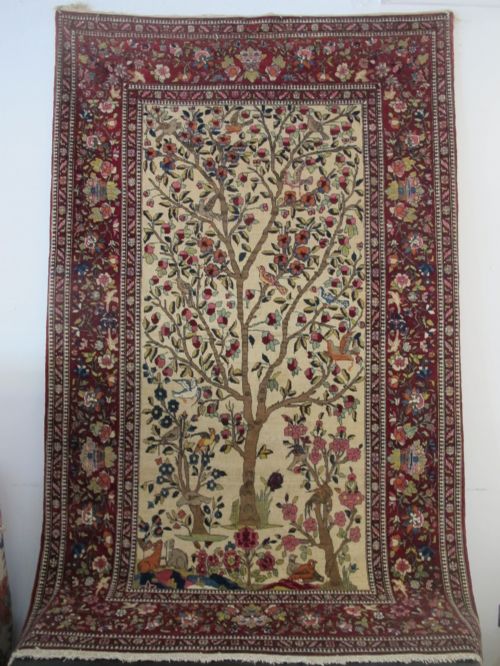


Red Border Rug
These heavy floor coverings are defined by their strong framing edges, and a red border rug brings warmth and structure to any room.
Red Border Rug
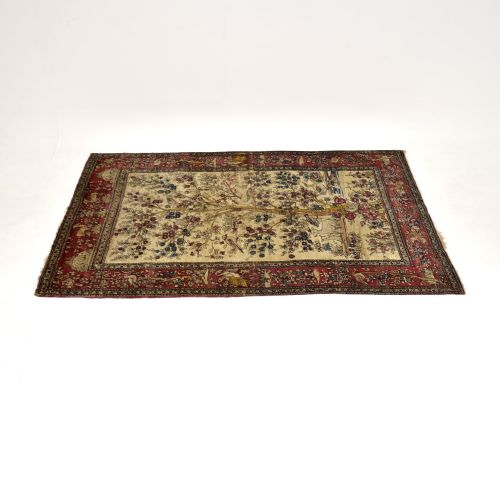
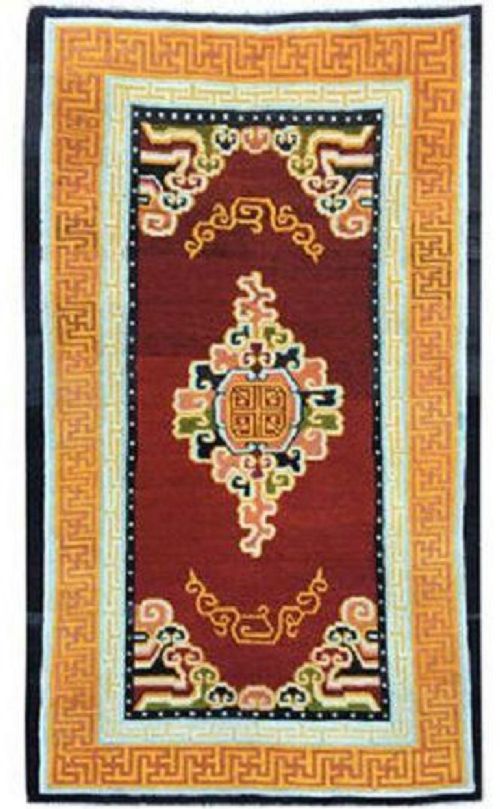
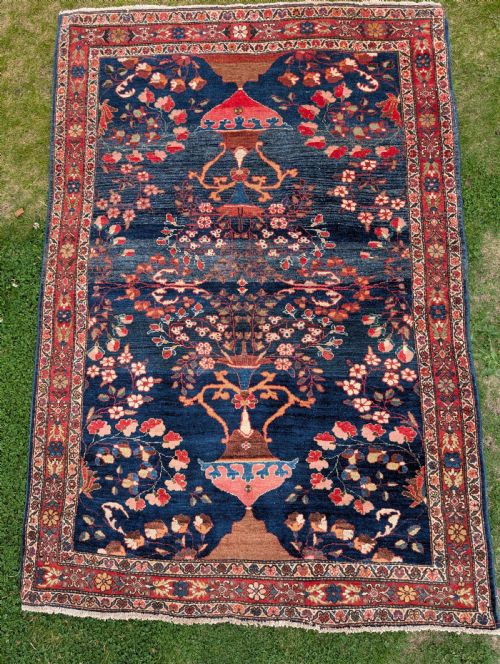
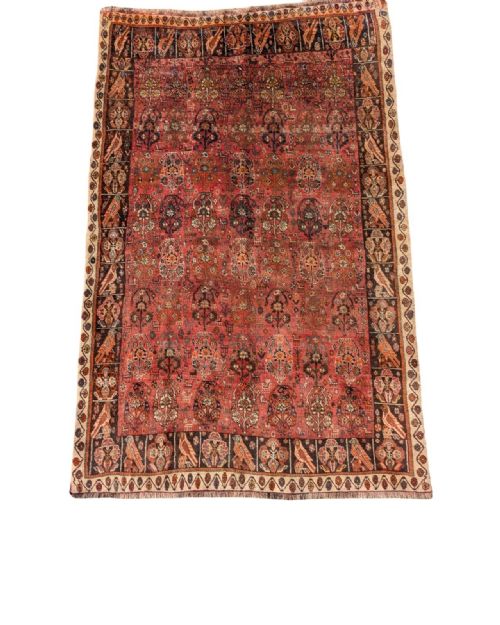
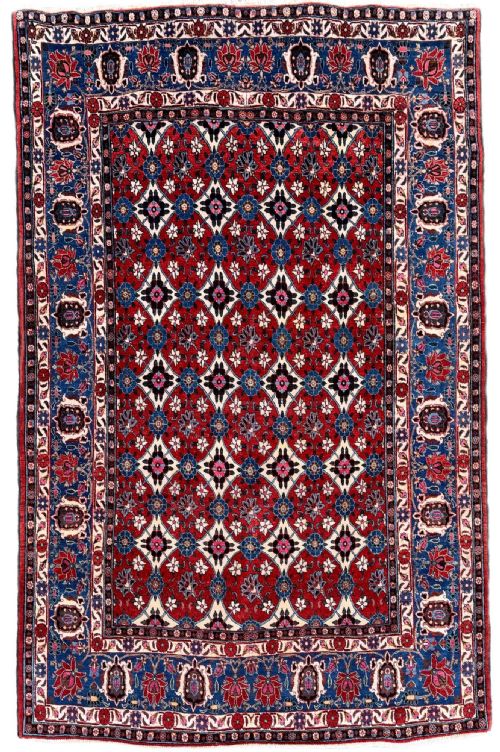
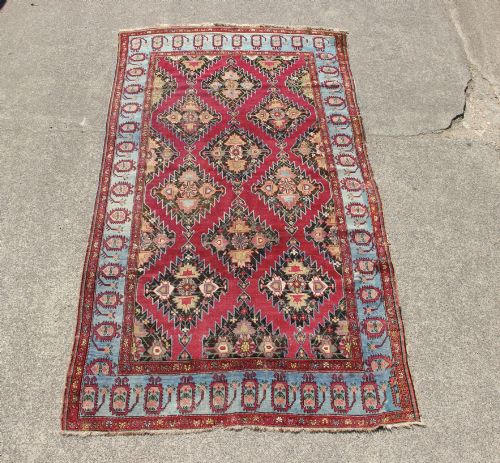
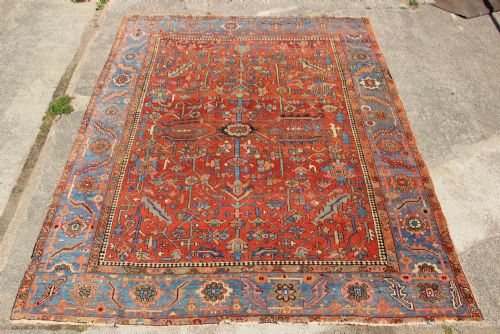
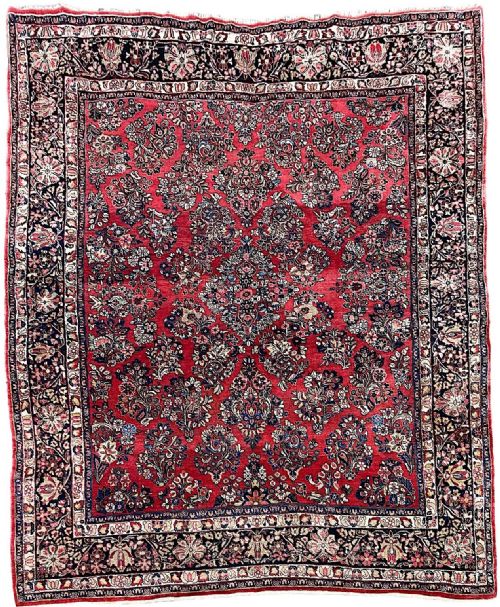
A red border rug encompasses hand-woven carpets and floor coverings originating primarily from Persian, Caucasian, Ottoman, and Tibetan traditions. The pieces span periods from the mid-nineteenth century through the early twentieth century, taking the form of area rugs, runners, and large carpets.
Most examples you encounter here belong to traditional village or city workshops, featuring distinctive framing bands in various tones of crimson and madder. These textiles serve both functional floor use and decorative display across diverse historical styles.
How They Were Made
Weavers constructed these textiles predominantly from wool, cotton, and occasional silk foundations using hand-spun yarns. Artisans also utilised metallic thread and angora wool in specific regional workshops to add texture and reflectivity to the pile.
The construction relies on traditional hand-knotting and flat-weaving techniques passed down through generations of tribal and urban makers. Natural dye stuffs provided the deep reds and contrasting framing hues that anchor each composition.
Even a tiny saddle cover from the nineteenth century insists on wearing a proper red border.
What Varies In Quality
Knot density and the precision of the woven design dictate the refinement of individual pieces, separating simple village work from master workshop output. Materials also play a role, with finer hand-spun wool and occasional silk additions creating a more resilient and lustrous pile.
The integrity of the structural foundation and the preservation of the original outer framing edges influence the overall standing of each carpet. Consistency in natural dye saturation across the field and the border indicates the skill of the original dyers.
Ahmadi·Shekarlu
The Red Border Rug Glossary
- Pile
- The upright yarn loops or cuts that form the soft surface of a carpet. This layer bears the brunt of foot traffic and shows the intricacy of the woven design.
- Warp
- The vertical threads stretched tightly on the loom before weaving begins. These parallel strands form the structural backbone of the entire rug.
- Weft
- The horizontal threads passed back and forth across the warp to lock the knots in place. Together with the warp, they create the sturdy foundation grid.
- Kilim
- A flat-woven carpet or rug produced without a raised pile. These textiles rely entirely on the interweaving of warp and weft threads to display geometric patterns.
Red Border Rug: Frequently Asked Questions
Where were these rugs made?
The pieces originate across Persia, the Caucasus, Turkey, and Tibet, reflecting the distinct weaving centres and nomadic traditions of those regions. Each area developed specific knotting techniques and local dye recipes.
Workshop production in cities like Tabriz or Isfahan differed significantly from the tribal output found in village communities, resulting in varied regional aesthetics.
How do I care for my rug?
Protect the wool pile by vacuuming gently without using a rotating brush roll that might catch the fibres. Keep the textile out of direct, harsh sunlight to prevent the natural dyes from fading over time.
Rotate the floor covering periodically to ensure even wear patterns from furniture and foot traffic. Professional cleaning should be undertaken sparingly by specialists experienced in antique textiles.
What materials are used?
Sheep wool forms the primary pile material across the vast majority of these historical floor coverings. Cotton typically provides a sturdy foundation for the warp and weft threads.
More specialised examples incorporate fine silk, angora wool, or metallic thread to highlight specific design elements within the border and central field.
How are different periods identified?
Dating relies on stylistic markers, structural analysis of the foundation, and the specific chemical composition of the dyes. Older nineteenth-century pieces often display a softer, more integrated palette resulting from natural madder and insect dyes.
Early twentieth-century carpets frequently show shifts in knotting density and wool preparation that correspond to changing commercial demands in the export markets.