


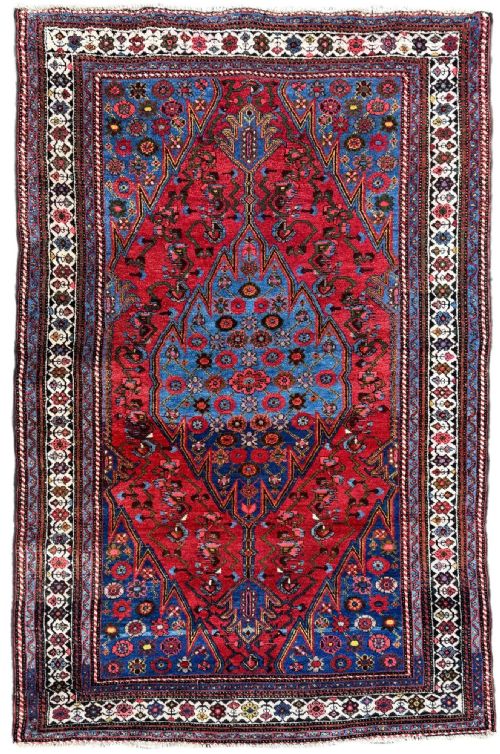
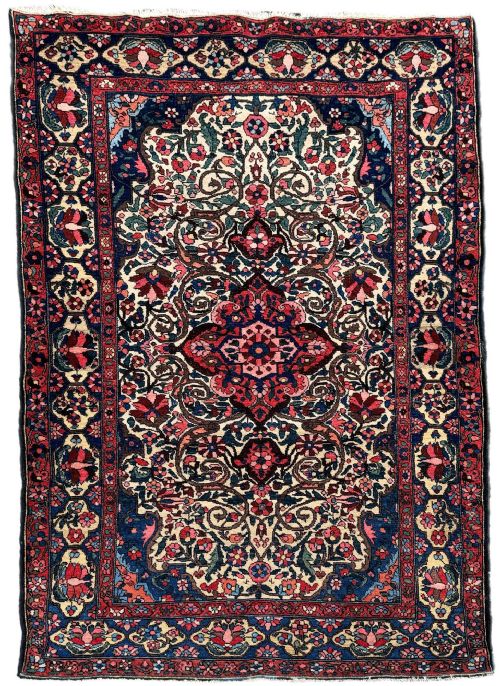
Red Blue Wool Weaving
These red blue wool weaving examples bring enduring tribal motifs and rich natural dyes directly into modern interiors.
Red Blue Wool Weaving
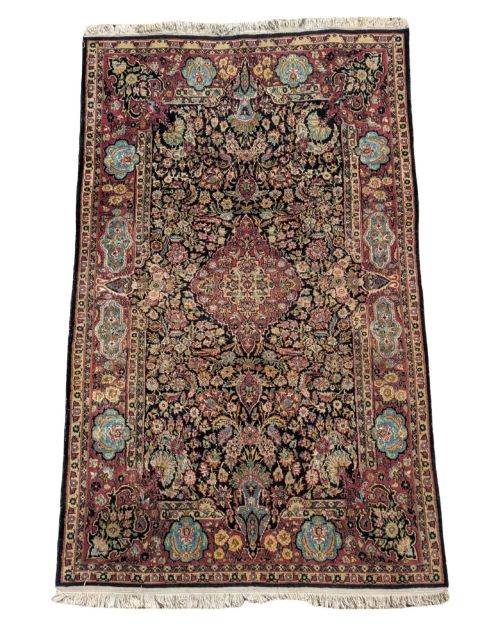
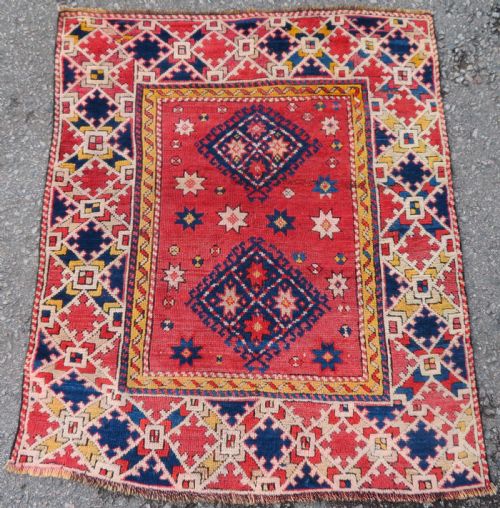
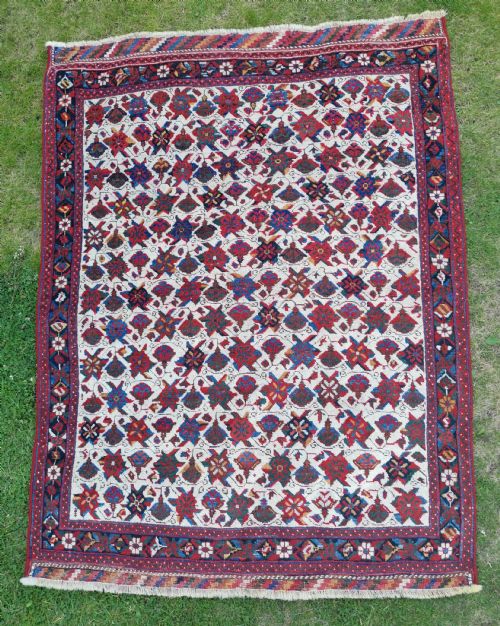
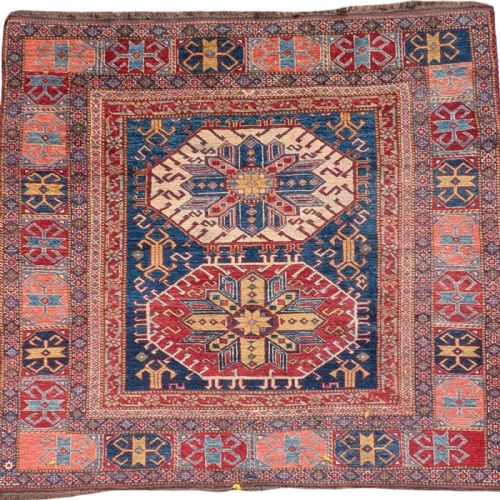
Red blue wool weaving encompasses hand-knotted carpets, tribal rugs, and functional bags originating from nineteenth and early twentieth-century Persia, the Caucasus, and Central Asia. These items serve as tangible records of nomadic and village craft traditions, shaped by regional dyeing and knotting customs.
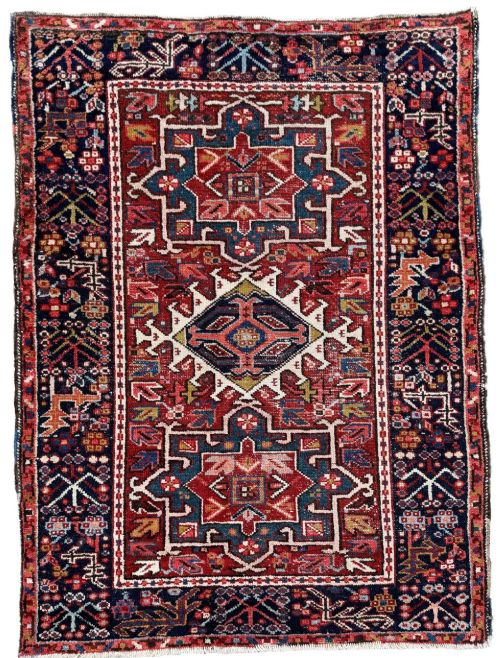
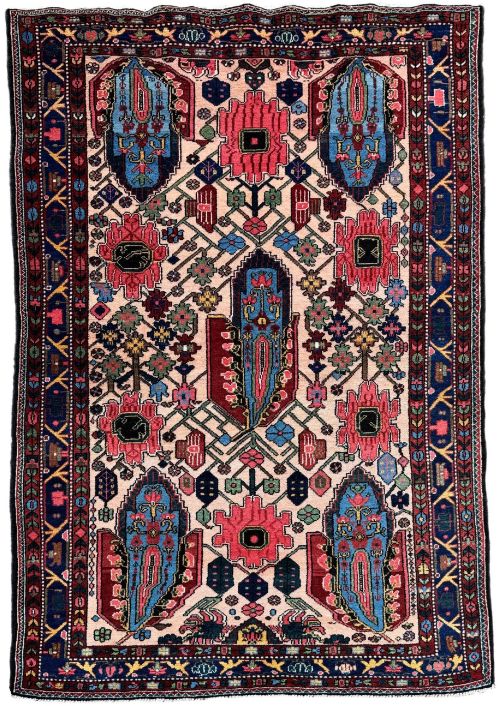
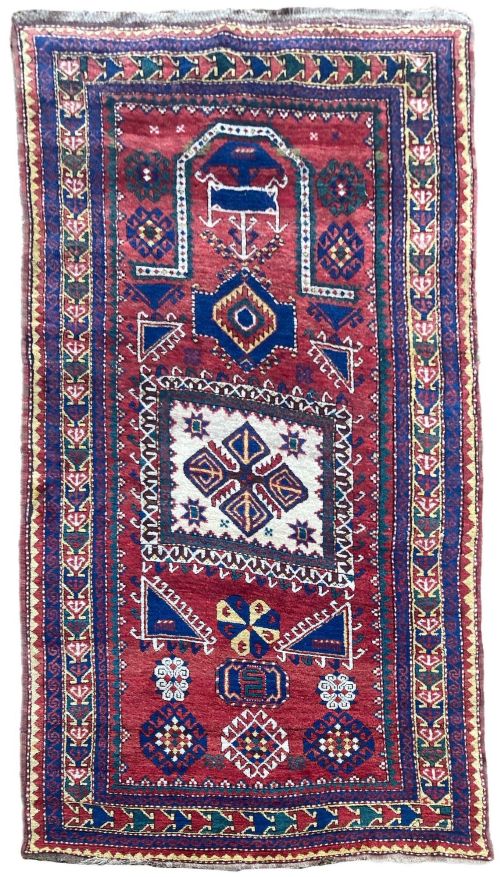
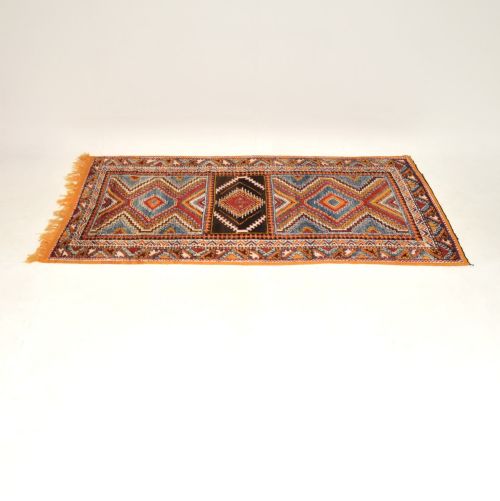
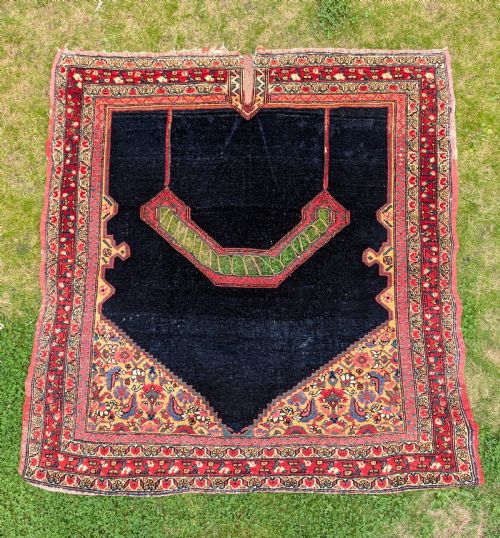
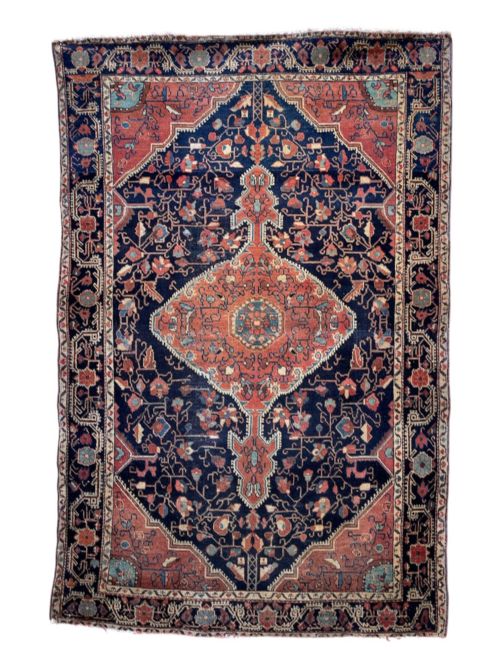
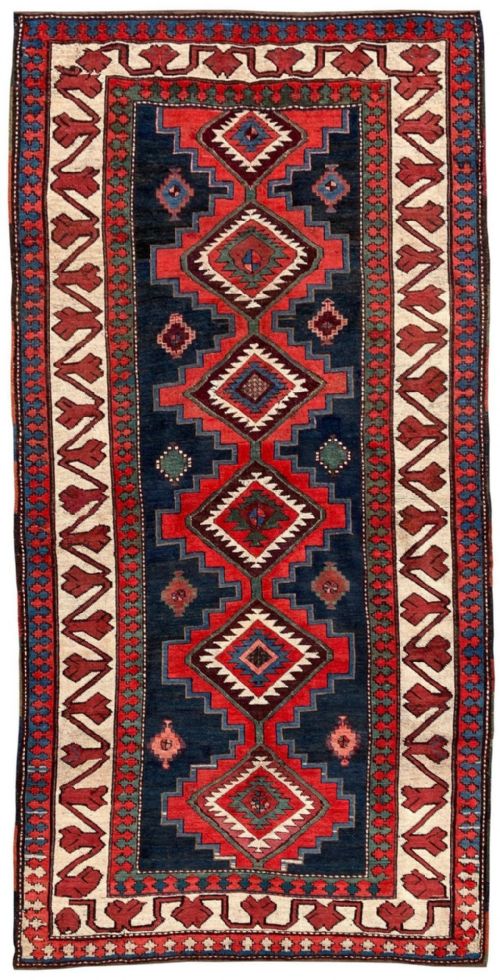
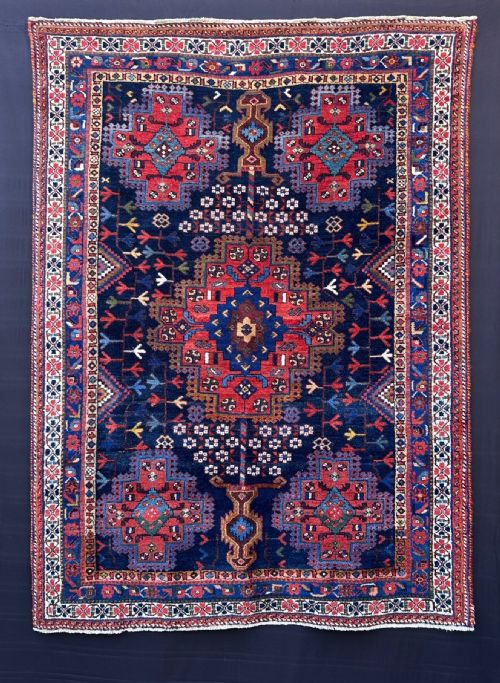
The selection centres on antique area rugs and carpets alongside smaller tribal bagfaces and saddle covers. Pieces bearing geometric medallions and traditional Persian or Caucasian patterns dominate the offerings spanning the 1870s to the 1930s.
Makers ranged from village weavers to specific nomadic groups such as the Afshar, Bakhtiar, Khamseh, and Yomut tribes. Each group utilised distinct structural properties and colour combinations, translating local folklore into durable floor coverings and textiles.
How they were made
Weavers relied primarily on hand-spun wool and cotton foundations, dyed using natural substances derived from plants and minerals. Silk highlights appear in select urban carpets to add textural contrast and visual depth.
Construction techniques involve manual knotting onto warp and weft threads, alongside flatweave methods used for utilitarian bread sofrehs and storage bags. Dense knot counts provide the structural integrity required for everyday floor use.
Nomadic weavers occasionally tucked misplaced knots into corners as subtle signatures of human handiwork.
What varies in quality
Quality rests upon the purity of the wool, the brilliance and stability of natural dyes, and the precision of the knotting. Finer examples display tightly packed knots and crisp delineation of geometric or floral motifs.
The integrity of the foundation and the preservation of original selvedges and ends dictate the structural condition. Variations in wool preparation and dyeing execution create distinct visual depth across different regional workshops.
The Red Blue Wool Weaving Glossary
- Warp
- The vertical threads stretched upon a loom that form the foundational skeleton of a woven rug. Fringe ends typically emerge from these parallel strands.
- Weft
- The horizontal threads passed alternately over and under warp threads to bind the knots in place. This structure contributes to the firmness of the textile.
- Sofreh
- A flatwoven textile used historically for kneading bread, serving meals, or storing food items. These pieces often feature minimalist tribal patterns.
- Khorjin
- A traditional double-saddlebag utilised by nomadic tribes for transport on horseback or camel. Surviving examples frequently survive as single bagfaces.
- Kazak
- A designation for rugs woven in the southern Caucasus region, characterised by bold geometric designs and saturated primary colours.
Red Blue Wool Weaving: Frequently Asked Questions
How were these woven items used?
Nomadic and village communities employed these textiles for practical daily tasks such as floor insulation, animal transport, and food preparation. Rugs warmed stone or earth floors, while specialised bags stored household possessions during seasonal migrations.
Flatwoven sofrehs served specific domestic purposes around the hearth and dining areas. Over time, these functional objects gained recognition as decorative works of textile art.
How do I care for an antique wool rug?
Regular gentle vacuuming without a rotating brush roll prevents dust accumulation within the wool pile. Professional cleaning suited for antique textiles preserves the natural lanolin and dye stability.
Placing a breathable underlay beneath the rug reduces friction against hard flooring. Limiting direct, harsh sunlight prevents premature fading of natural plant and mineral dyes.
How can I identify tribal rug origins?
Attribution relies on examining specific structural characteristics, including wool texture, colour palettes, and border designs. Different tribes and regions employed distinct knotting structures and characteristic motifs such as medallions or stylized animals.
Materials like hand-spun wool and specific plant-derived red and blue shades offer clues to geographic provenance. Comparing palette combinations helps differentiate between Caucasian, Persian, and Central Asian workshops.