


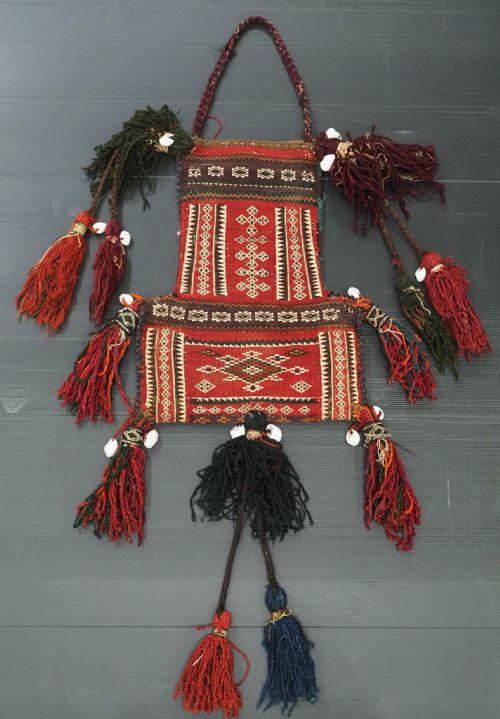


Red Baluch Tribal Textile
These red baluch tribal textile pieces are rich nomadic weaves crafted for daily utility and decoration, offering deep saturated hues and intricate traditional motifs.
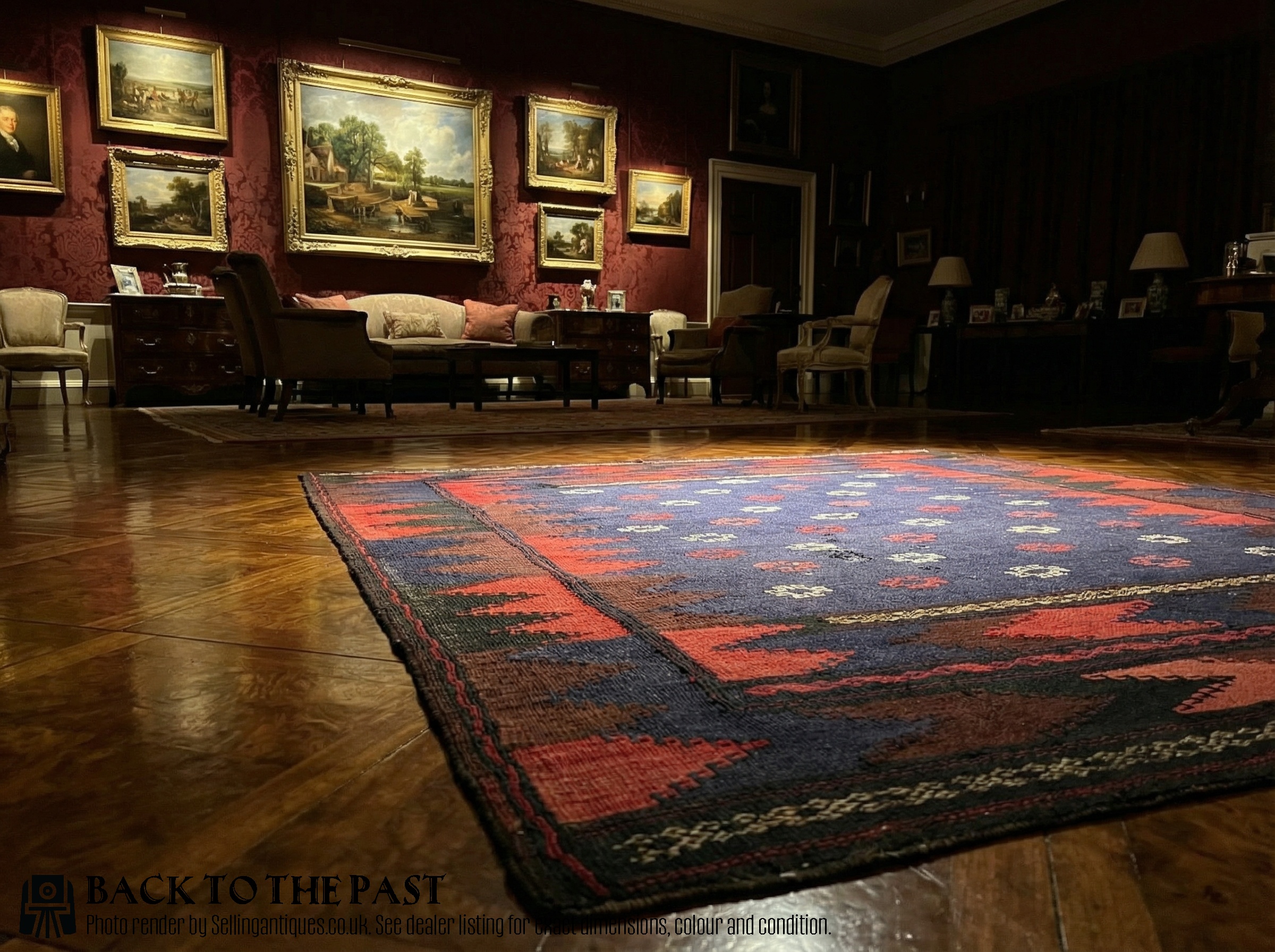
Red Baluch Tribal Textile
A red baluch tribal textile encompasses a fascinating range of nomadic objects including flatweave rugs, prayer rugs, dining sofrehs, storage bags, and salt bags. These items originate from the borderlands of Persia, Afghanistan, and Central Asia, created by various groups such as the Salar Khani, Djhan Beghi, Timuri, and Zaggar Mengal tribes.
The pieces available here lean heavily into utilitarian and decorative forms from the late nineteenth and early twentieth centuries. Buyers encounter distinct regional sub-types like Sistan pieces, Balisht storage bags, and birdbag designs that reflect specific tribal heritages.
Nomadic weavers structured these textiles for practical camp life, whether as eating cloths for sharing meals or sturdy bags for grain, salt, and vanity items. Their survival demonstrates the robust nature of tribal weaving traditions across Khorassan and Western Afghanistan.
How they were made
The primary materials utilised in these tribal pieces are wool, cotton, and goat hair, providing the essential foundation and pile for durability. Occasionally, artisans incorporated cowrie shells into the construction for ornamentation or protective symbolism.
Weavers employed traditional techniques ranging from pile weaving to flatweave structures, creating secure plain weave backs for functional storage bags. The spinning and dyeing of natural fibres produced the deep red ground colours characteristic of these nomadic works.
Materials recorded across the inventory include wool, cotton, goat hair, and decorative cowrie shells.
What varies in quality
Quality in a red baluch tribal textile rests on the tightness of the weave, the handling of the wool, and the clarity of the calyx lattice or tile designs. Finer examples show exceptional precision in geometric motifs and structural integrity across both pile and flatweave sections.
The depth and saturation of the red dyes, alongside the preservation of original borders and plain weave backs, distinguish superior pieces. Tribal works exhibiting unusual designs or specific attributed tribal origins command greater interest from collectors.
The Red Baluch Tribal Textile Glossary
- Sofreh
- A spread or cloth used for sharing meals or processing dough in nomadic households. These dining cloths often feature striking field patterns.
- Namakdan
- A traditional Persian and Afghan term for a salt bag. These smaller utilitarian containers typically sport narrow necks and flatweave backs.
- Balisht
- A small nomadic cushion or storage bag. They were utilised inside tents for domestic storage or comfortable seating.
- Flatweave
- A textile constructed without a pile by interlocking warp and weft threads together. This technique produces lightweight and durable rugs or bag faces.
- Calyx lattice
- A repeating geometric trellis motif resembling a flower calyx. It forms the structural backbone of specific Khorassan carpet designs.
Red Baluch Tribal Textile: Frequently Asked Questions
What is a tribal sofreh?
A sofreh is a woven cloth traditionally spread on the ground for eating meals or preparing bread within nomadic communities.
These textiles combine practical utility with expressive tribal artistry, often featuring geometric symbols passed down through generations.
How were salt bags used?
Salt bags, or namakdans, served nomadic families as durable containers for storing rock salt used in daily cooking and animal husbandry.
Their narrow openings kept contents secure during transport while the woven bodies displayed distinctive tribal patterns.
Where did Baluch weavers live?
Baluch tribal groups inhabited the borderlands of north-east Persia, western Afghanistan, and Sistan.
Weavers moved across these arid regions, incorporating local materials and regional design elements into their rugs and bags.
How do I care for antique wool textiles?
Keep antique wool and goat hair textiles out of direct sunlight to protect natural dyes from fading over time.
Vacuum gently with a mesh screen covering the attachment and ensure the storage area remains dry and well-ventilated.