



Red Afghan Area Rug
A red afghan area rug brings deep crimson tones, tribal motifs and centuries of nomadic weaving traditions directly into your sitting room.
Red Afghan Area Rug
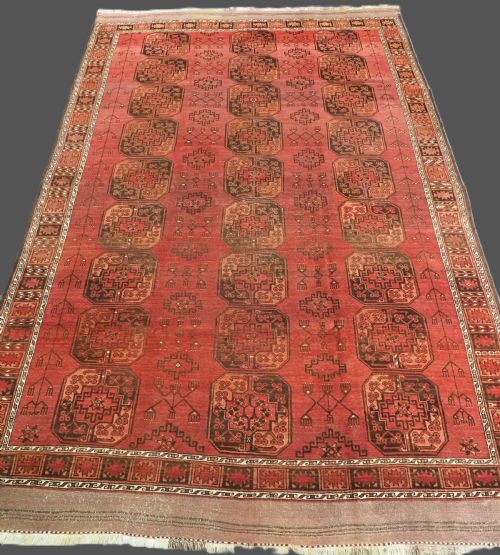
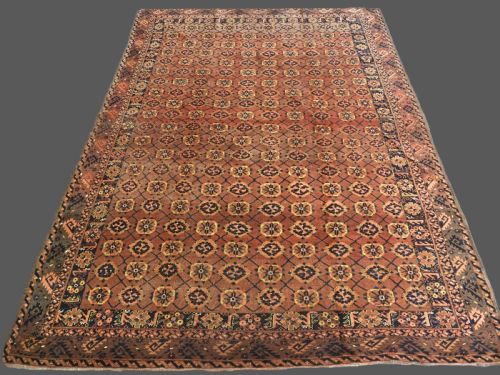
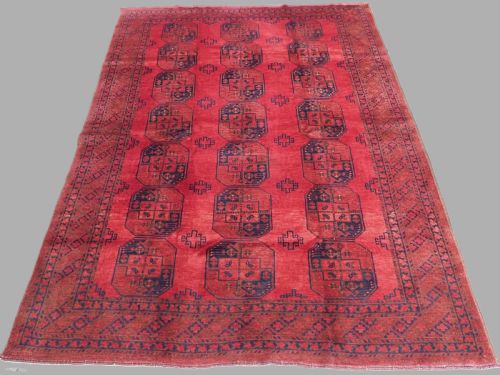
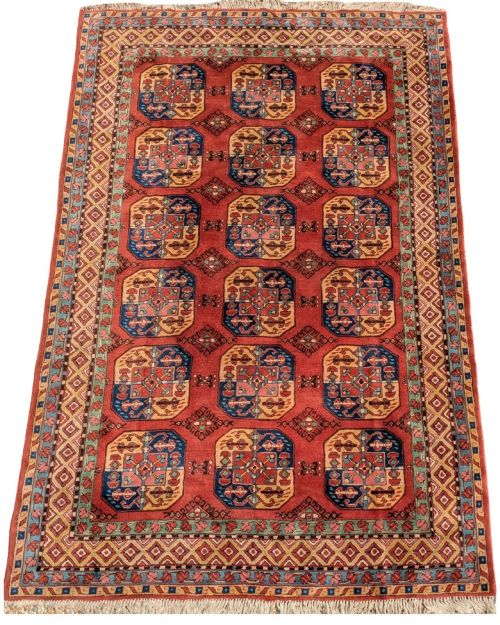
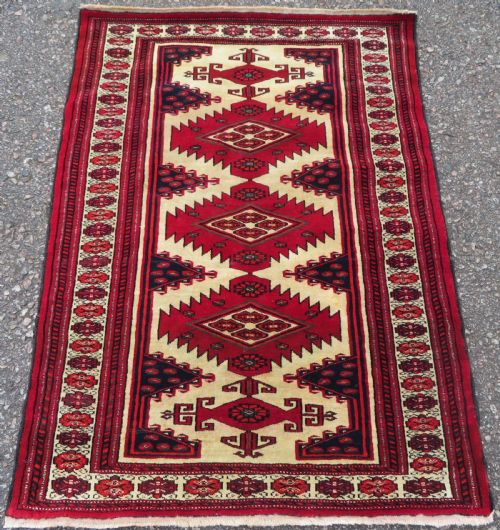
A red afghan area rug encompasses tribal and village floor coverings originating from the nineteenth and early twentieth centuries. These pieces typically display deep madder red grounds paired with characteristic geometric patterns, medallions and animal motifs.
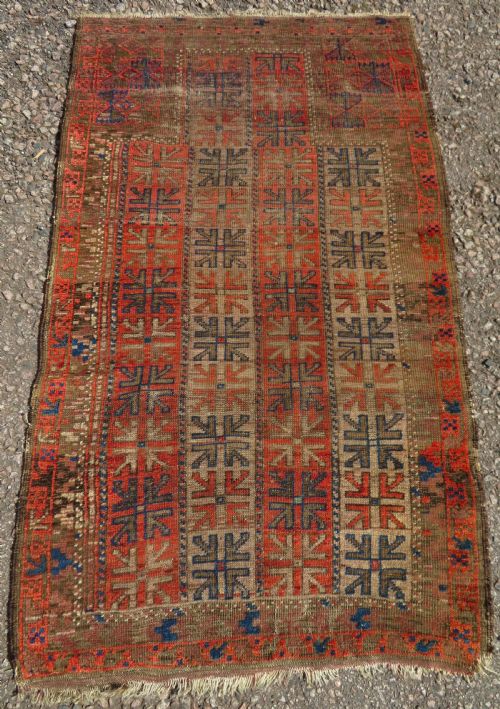
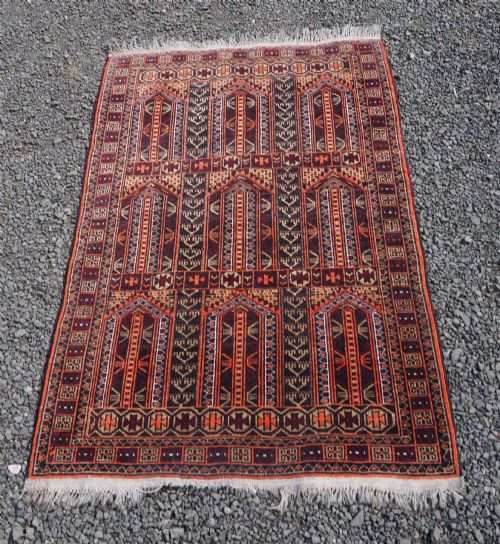
The selections available here range from smaller prayer rugs with double mihrabs to large room-size carpets woven by Turkmen, Baluch and Ersari tribes. Village weavers produced these textiles using traditional designs passed down through generations across northern and western Afghanistan.
Buyers frequently encounter runner-sized formats, square formats and flatwoven kilims alongside thicker pile carpets. Each type reflects the specific regional heritage and practical requirements of the weavers who made them.
Assessing quality and character
Quality in these textiles depends heavily on the fineness of the knotting, the complexity of the tribal design elements and the vibrancy of the natural dyes. Tighter weaves and well-balanced proportions separate finer room-size carpets from simpler village productions.
The condition of the wool pile and the integrity of the original kilim ends or side cordings dictate the overall preservation of the piece. Subtle variations in shade from natural dye batches impart depth and individual character that synthetic dyes fail to replicate.
Listings feature pieces dated from the nineteenth century up to the 1930s, using wool, natural dyes and goat hair.
Ersari Turkmen·Baluch Tribal·Kizil Ayak·Timuri Weavers·Pashtun Village
The Red Afghan Area Rug Glossary
- Mihrab
- The arched niche found on prayer rugs, designed to indicate the direction of prayer. Afghan examples frequently incorporate double or triple mihrab variations.
- Gul
- A medallion motif used extensively in Turkmen and Ersari carpet designs. These repeating octagonal patterns identify tribal origins.
- Kalam Donneh
- A repeating motif commonly referred to as the pencil box design. It appears frequently in western Afghan Baluch and Timuri carpets.
- Kilim
- A flatwoven textile produced without a pile. Afghan weavers often create these in two parts and join them together.
- Warp
- The stationary longitudinal threads stretched onto the loom before weaving begins. Wefts are then interwoven across these structural elements.
Red Afghan Area Rug: Frequently Asked Questions
How do I identify a Baluch rug?
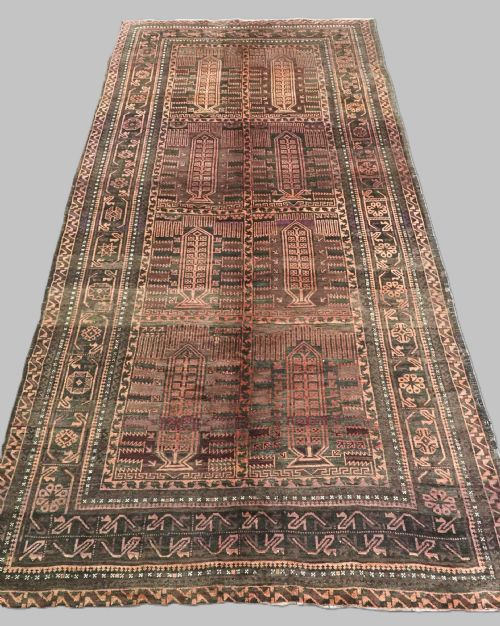
Baluch rugs typically originate from western Afghanistan and often display darker colour palettes incorporating deep reds, browns and midnight blues. Look for distinctive motifs such as the pencil box pattern or repeating octagons.
These pieces generally measure in smaller formats compared to large Turkmen main carpets. Their tactile wool and traditional flatwoven end finishes further distinguish them from other regional village weaves.
What is an Ersari Turkmen carpet?
Ersari Turkmen carpets are larger tribal floor coverings woven in northern Afghanistan featuring characteristic guls and warm red colour grounds. They often showcase classic geometric layouts spanning room sizes.
These main carpets were produced for domestic use and trade by Turkmen groups settled along the river valleys. Their sturdy construction makes them well suited for modern high-traffic living spaces.
How should I clean an antique wool rug?
Antique wool rugs require gentle maintenance such as regular light vacuuming without a rotating power brush. Professional specialist cleaning remains essential for deep washing to protect natural wool fibres and dyes.
Avoid using harsh chemical detergents or soaking the piece at home. Proper handling preserves the structural integrity of the foundation and prevents bleeding in natural madder dyes.
What distinguishes a prayer rug?
Prayer rugs feature a prominent arched niche, known as a mihrab, at one or both ends of the field. These portable rugs provided a clean individual space for daily prayers.
Afghan prayer rugs frequently incorporate small mosque lamps, rams' horns, or star motifs within or surrounding the arch. Their compact dimensions separate them from larger village carpets.