
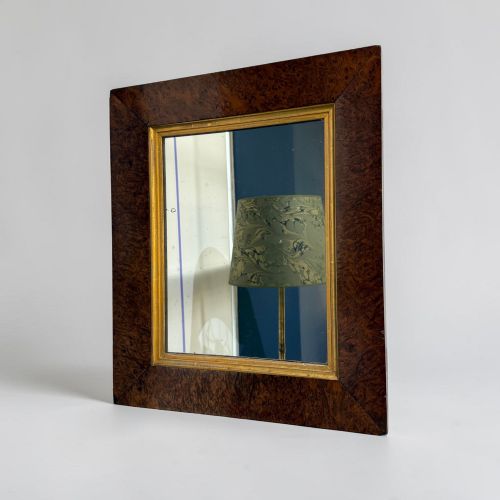
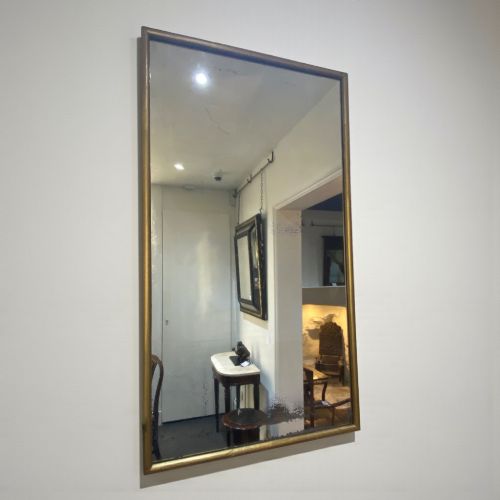
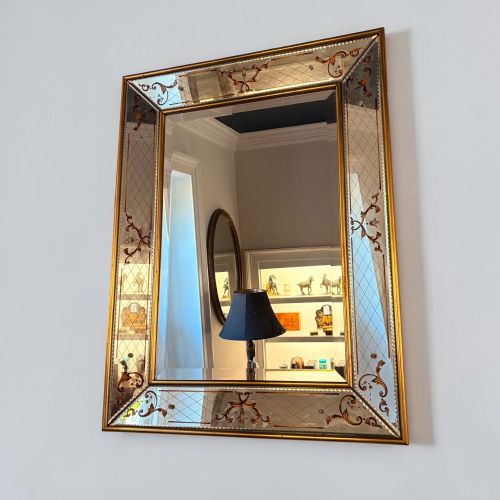
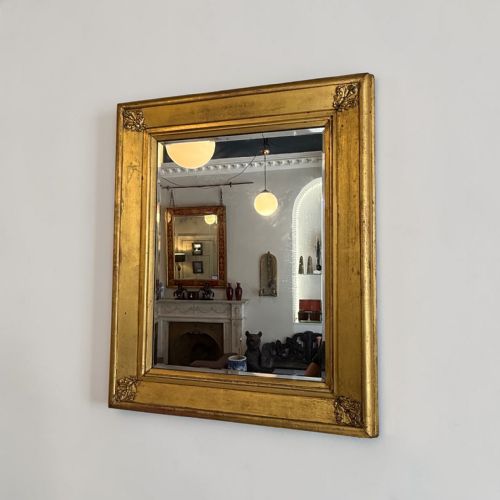
Rectangular Glass Mirror
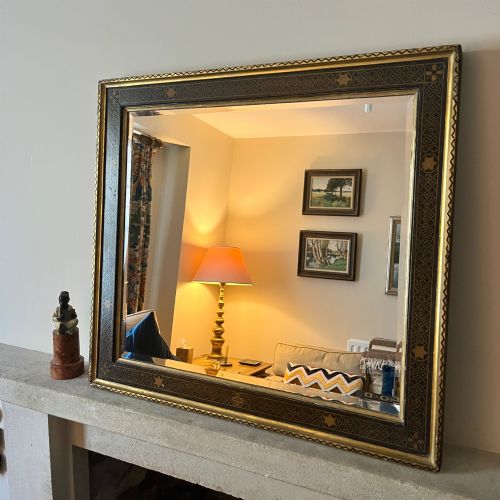
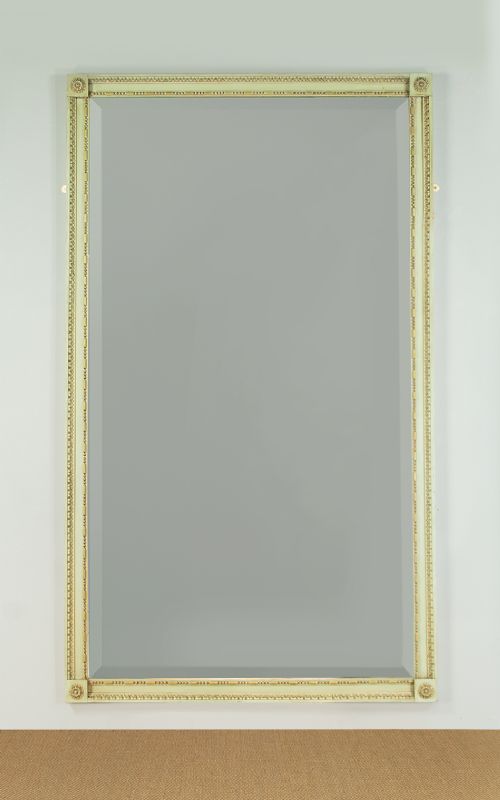
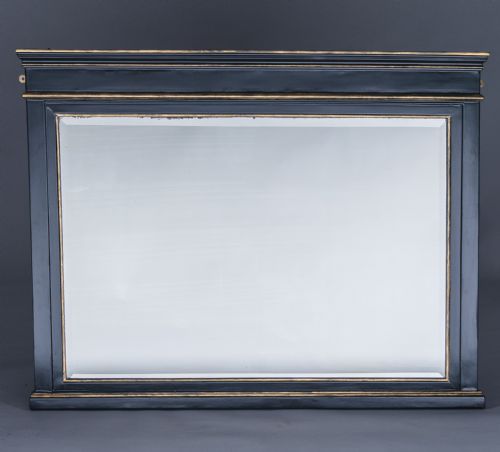
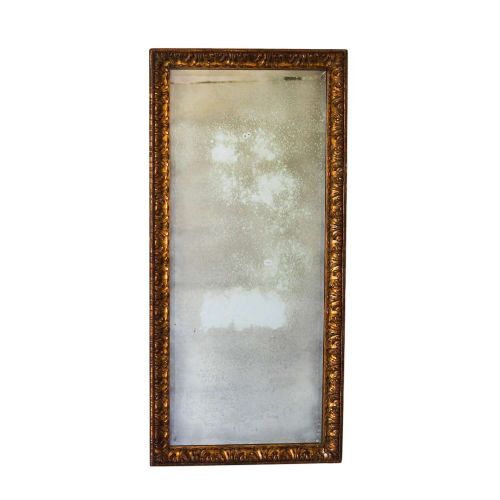
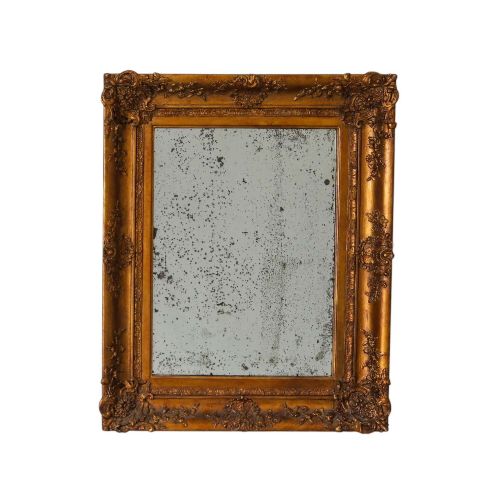
A rectangular glass mirror brings depth and reflected light to a room, ranging from simple oak frames to grand gilt wall pieces.
Rectangular Glass Mirror
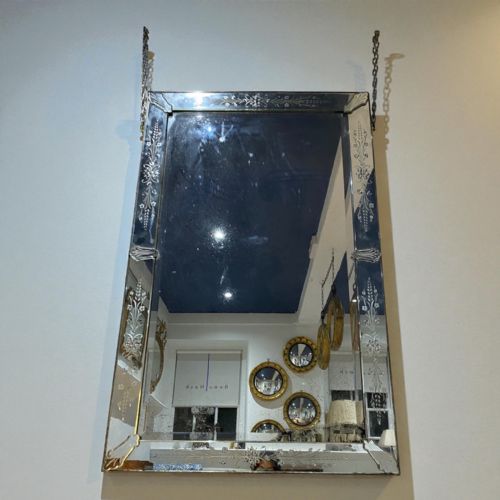
A rectangular glass mirror serves practical and decorative roles across domestic spaces, frequently appearing as wall mirrors, overmantels, pier mirrors, and dressing pieces. Buyers searching for a rectangular glass mirror encounter examples spanning the Regency, Victorian, Edwardian, and Art Deco periods, alongside French and Venetian designs.
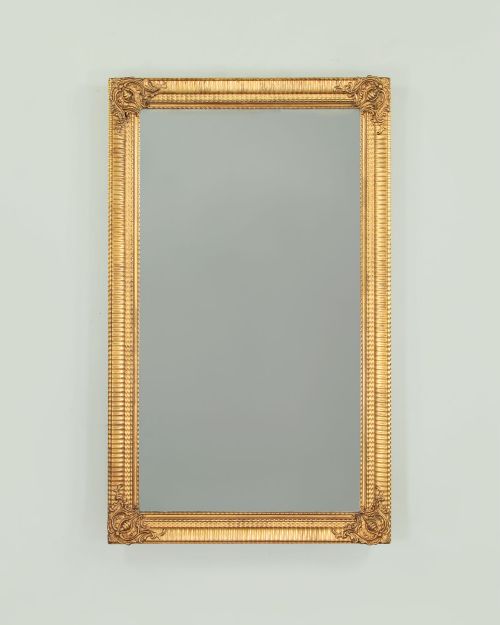
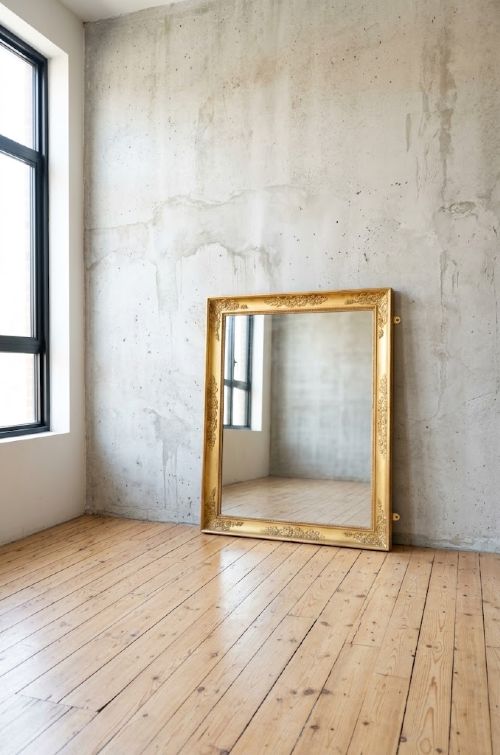
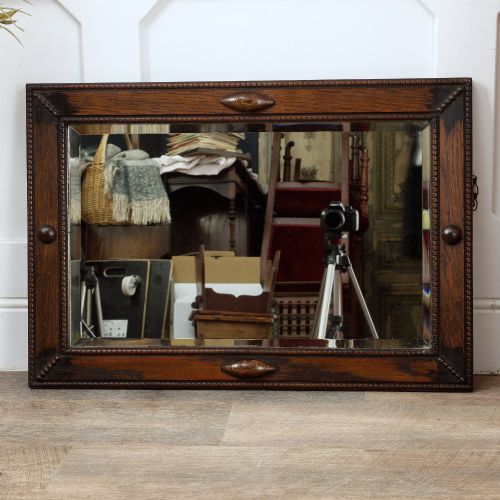
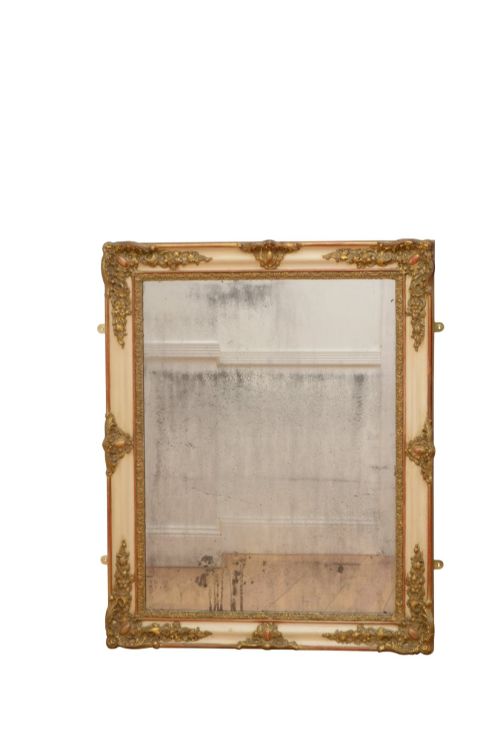
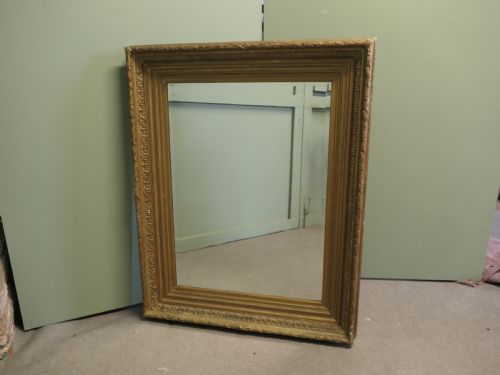
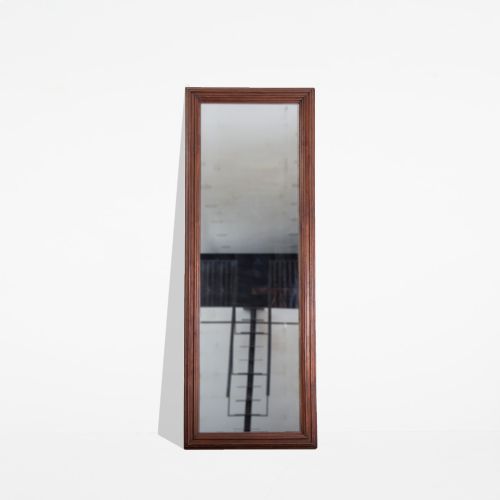
The selection includes substantial overmantle mirrors meant for placement above fireplaces, tall French chateau pieces, and smaller vanity or hall mirrors. Frames take many forms, from simple wooden borders in mahogany or oak to ornately carved giltwood and gesso structures adorned with floral and classical motifs.
How they were made
Makers constructed frames using native and imported timbers such as oak, walnut, mahogany, and rosewood, often applying gesso and gold leaf to create gilded surfaces. Paint, ebonisation, and silver plating also appear on frames, while specialised glass plates provide the reflective surface.
Techniques varied from simple panel construction to elaborate hand-carved floral, mythological, and architectural ornamentation. Mirror plates include early mercury glass and original bevelled glass, sometimes showing foxing from age.
The inventory encompasses styles from the Regency, Victorian, Edwardian, and Art Deco periods, alongside Venetian and French chateau designs.
What varies in quality
The standard of a rectangular glass mirror depends upon the depth and intricacy of the frame carving, whether executed in carved wood or moulded gesso. Superior examples display crisp detail in motifs such as foliage and classical scrolls rather than soft or repetitive casting.
The condition of the reflective plate and its housing also separates pieces, with older mercury plates and original bevelled edges contributing to character. Frame construction integrity, original gilding, and untouched surface patination distinguish finer examples from later alterations.
The Rectangular Glass Mirror Glossary
- Gesso
- A plaster-based material applied to wood frames as a smooth base for gilding and carving. It allows artisans to shape intricate relief ornamentation.
- Foxing
- Small dark spots and ageing patches that develop within the reflective silvering of older mirror plates over time. This chemical change is characteristic of antique glass.
- Overmantel
- A large horizontal mirror designed to hang specifically above a fireplace mantelpiece. These pieces often anchor the decorative scheme of a period reception room.
- Pier mirror
- A tall, narrow mirror traditionally hung on the wall space between two windows. They often sit above a matching pier table.
- Cushion mirror
- A frame style where the outer moulding slopes gently inwards towards the glass plate like a cushion. This profile creates additional depth and reflection angles.
Rectangular Glass Mirror: Frequently Asked Questions
How do I hang a heavy overmantel mirror?
Large overmantel mirrors require secure wall fixings anchored directly into masonry or substantial timber studs to support the considerable weight of the wood and glass.
Professional mirror hanging hardware or heavy-duty brackets distributed across the frame structure ensure the piece remains safely positioned on the wall.
What is foxed glass?
Foxed glass refers to mirror plates that have developed speckled dark spots, fading, or cloudiness as the backing silver oxidises over decades of exposure to air and moisture.
Many collectors value this aged appearance because it confirms the genuine antiquity of the mirror plate.
Where should I place a pier mirror?
Pier mirrors work best in narrow wall spaces, particularly between windows or in hallways, where their vertical proportions draw the eye upward and bounce ambient daylight around the room.
Their original purpose was to maximise illumination in darker period properties before electric lighting became common.
How do I distinguish French and English styles?
French rectangular mirrors from the nineteenth century frequently feature ornate gesso carvings with floral, rococo, or classical motifs and aged gilt finishes. English equivalents often present more restrained lines in mahogany, oak, or simpler giltwood frames.