




Rat Tail Spoon
A rat tail spoon brings a distinct spine of metal down the bowl reverse, offering sturdy grace from the late seventeenth and early eighteenth centuries.
Rat Tail Spoon
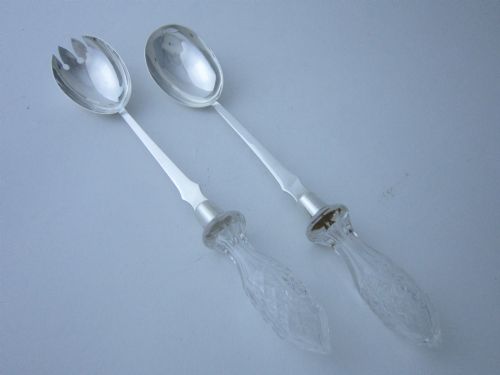
A rat tail spoon is an eating implement distinguished by a narrow strap of metal running from the handle base down the reverse of the bowl for added strength. The versions encountered most frequently on this page date from the seventeenth and eighteenth centuries, with occasional later revivals from the Victorian and Edwardian eras. These domestic and dining items appear in forms ranging from tablespoons and basting spoons to marrow spoons and salad servers.
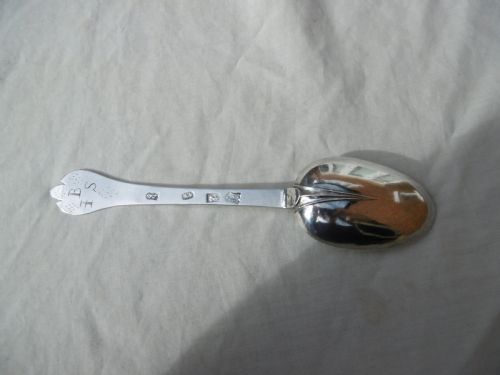
Early pieces from the Restoration, William III, and Queen Anne periods display transitional handle shapes such as the broad trefid and the upturned dog nose. Collectors also encounter provincial and Scottish examples, which exhibit regional punch marks and subtle variations in bowl proportions. Later revivals copy these historic profiles in solid silver, sometimes paired with cut glass or horn.
Metals and Construction
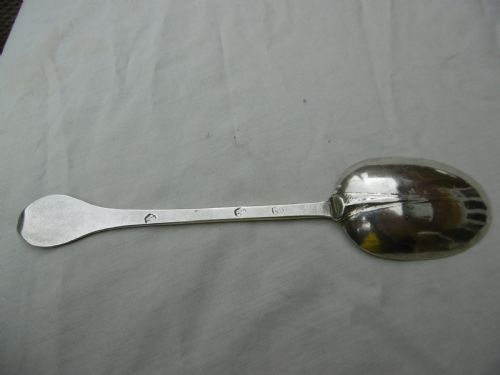
Silversmiths forged these implements primarily from sterling silver or higher-purity Britannia standard silver, hammering ingots into flat strips before shaping the handle and bowl. The characteristic rat tail spine was either beaten integrally from the same piece of metal or applied as a separate tongue and soldered firmly to the bowl junction.
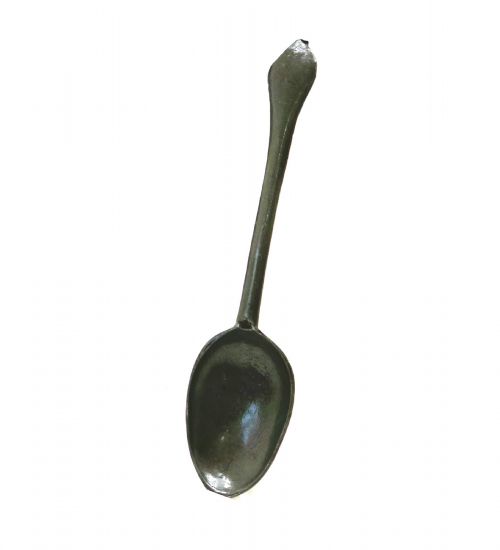
Makers occasionally utilised alternative materials such as pewter, horn, or wood for utilitarian service. Surface enrichment on early pieces sometimes included lace-back decoration or engraved armorial crests on the terminal, struck with maker marks and town punches.
Rat Tail Spoon Retail Price Guide 2026
Typical asking prices for rat tail spoon among the pieces listed under this phrase on Sellingantiques today, from the lower quarter to the upper quarter. They describe what is for sale here now, not the wider market.
Listings feature sterling silver, Britannia standard silver, pewter, and horn across periods from the seventeenth century through to Edwardian revivals.
Assessing the Pieces
Quality rests heavily upon the crispness of the rat tail spine and the degree of wear to the bowl tip from centuries of use. Examples retaining clear, unrubbed hallmarks and sharp maker stamps command greater appreciation than those polished smooth over generations.
The aesthetic balance of the handle, the survival of original crests or engravings, and the structural integrity of the bowl-to-stem junction dictate the standing of an individual item within its period.
William Penstone·Isaac Davenport·Benjamin Watts·John Smith·James Tait·John Pike·Richard Rae·J Ladyman·Peter Webb·Edward Gibson·Richard Scarlett·John Smyth·Cooper Brothers and Sons·Jackson and Fullerton
The Rat Tail Spoon Glossary
- Rat tail
- A narrow tapering tongue of metal extending down the back of a spoon bowl to reinforce the joint with the handle. This feature appeared prominently on British cutlery around the late seventeenth century.
- Trefid
- An early form of flatware handle ending in a three-lobed scalloped shape, popular during the late seventeenth century. It frequently accompanies early rat tail bowls.
- Dog nose
- A spoon handle profile featuring a rounded, downturned terminal with a central raised ridge, evolving from the trefid around the turn of the eighteenth century. It is also known as the端-bent or end-profile pattern.
- Britannia standard
- A compulsory higher grade of silver purity introduced by statute in England, containing ninety-five point eight percent pure silver. Items made under this standard bear distinct punch marks of a seated figure and a lion's head erased.
- Basting spoon
- A large serving implement designed for spooning juices over roasting meat, often featuring an elongated handle and a capacious rat tail bowl. These substantial pieces date across various eighteenth and nineteenth-century reigns.
Rat Tail Spoon: Frequently Asked Questions
How do I date a rat tail spoon?
Dating relies heavily upon the hallmarking stamped into the metal, which can include town marks, date letters, and maker initials. Handle shapes also provide strong clues, moving from the lobed trefid to the upturned dog nose.
Early pieces often display maker punches rather than full date cycles, requiring stylistic comparison with documented regional smiths.
Were rat tail spoons used for dining?
These implements served various dining and culinary roles, ranging from everyday tablespoons to large basting and serving spoons. Some specialised forms, such as marrow spoons, catered to specific dining habits of the wealthy.
While historic pieces saw active household use, surviving examples are now predominantly collected for display or gentle domestic employment.
How should I care for silver rat tail spoons?
Silver rat tail spoons require gentle washing in warm soapy water and careful drying with a soft cloth to preserve their historic surfaces. Avoid harsh abrasive cleaners that can wear away crisp rat tail spines and rub punch marks.
Storing pieces in tarnish-resistant wraps helps maintain the metal finish without excessive polishing.