


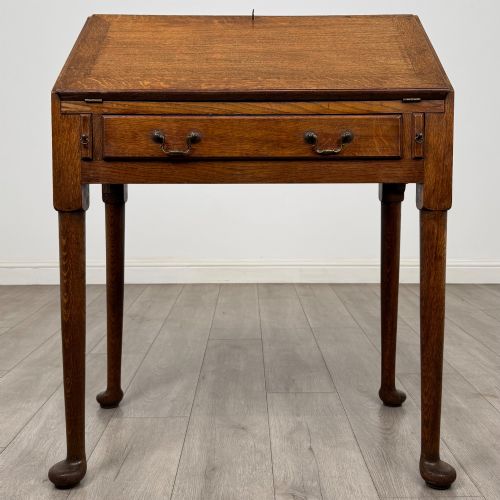
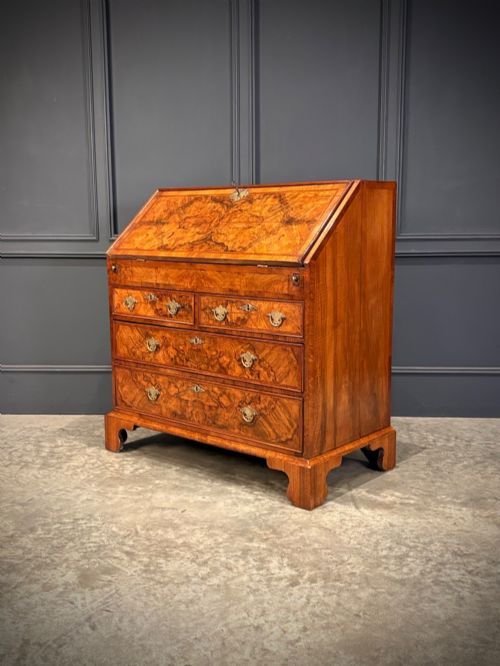
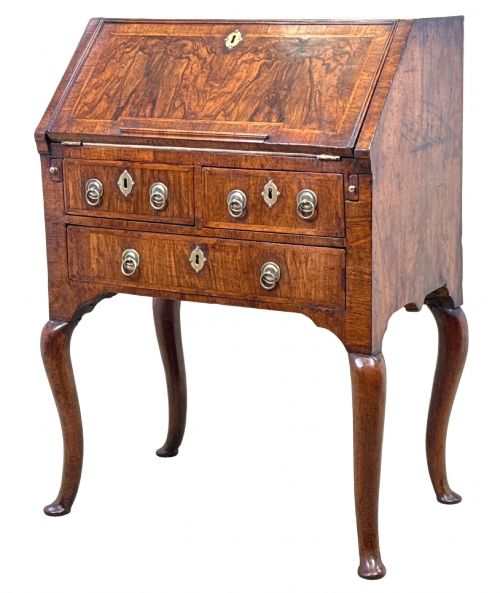
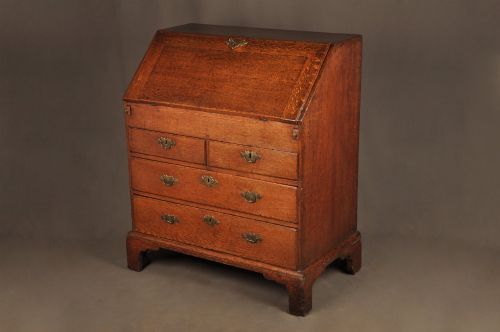
Queen Anne Slant Desk
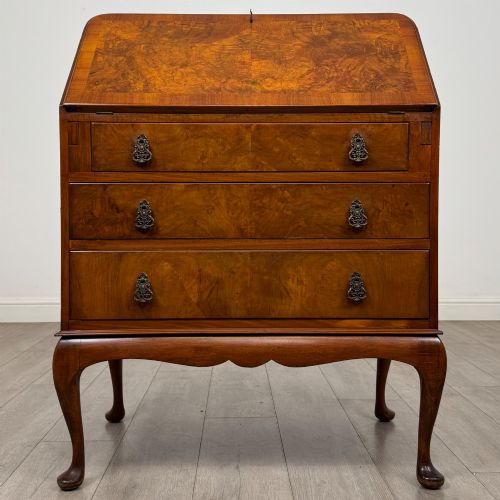
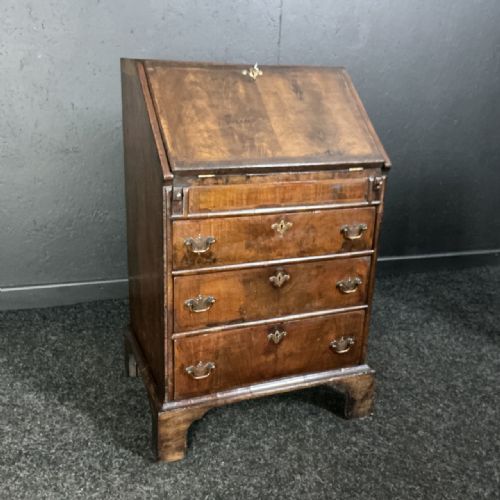
A queen anne slant desk brings understated writing elegance into a room with its signature hinged fall front and fitted interior.
Queen Anne Slant Desk
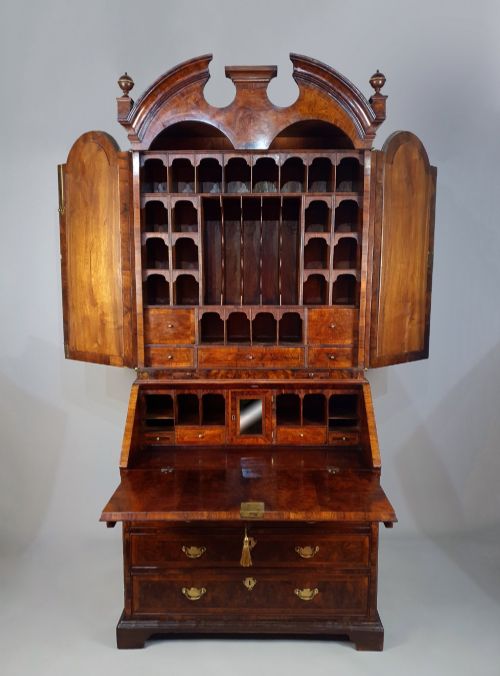
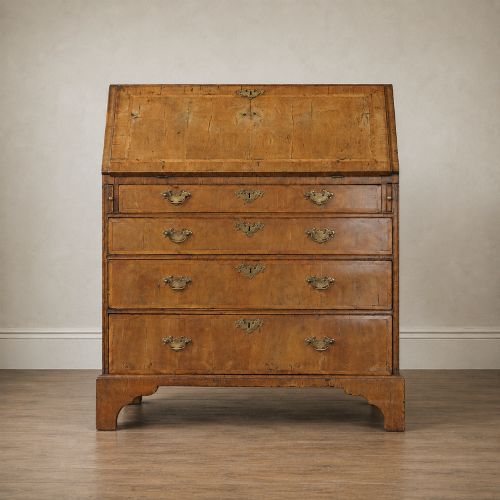
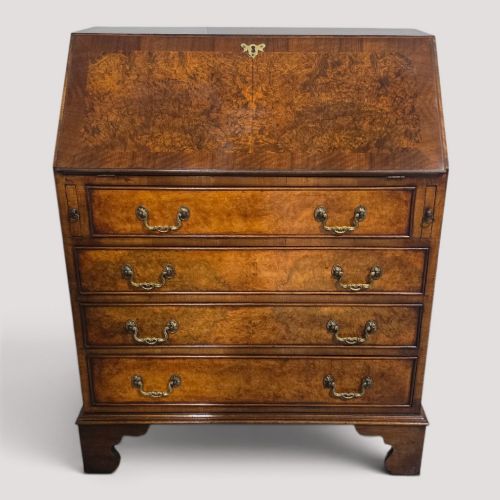
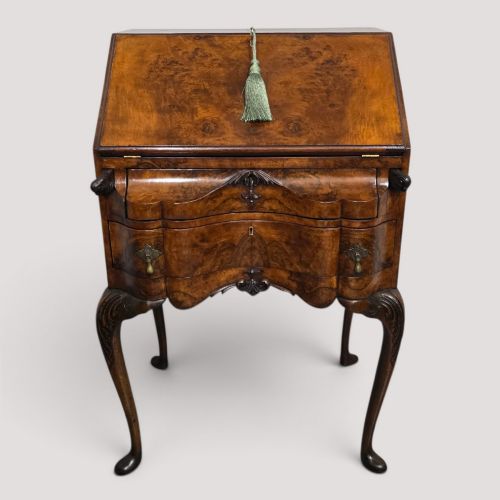
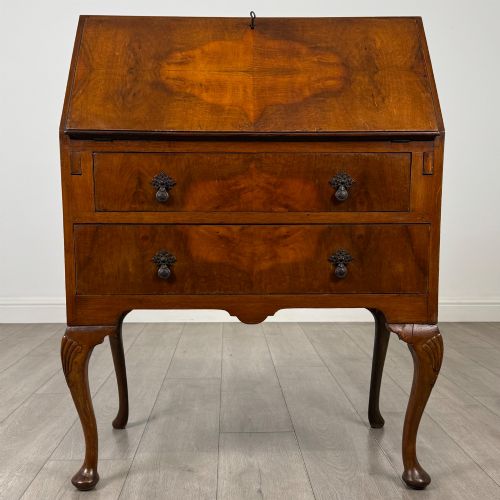
When you search for a queen anne slant desk, you encounter pieces designed for correspondence and storage, spanning actual eighteenth-century examples alongside later revival pieces. The core form centres on a sloping writing flap that opens to reveal pigeonholes, small drawers, and secret compartments above standard drawer configurations.
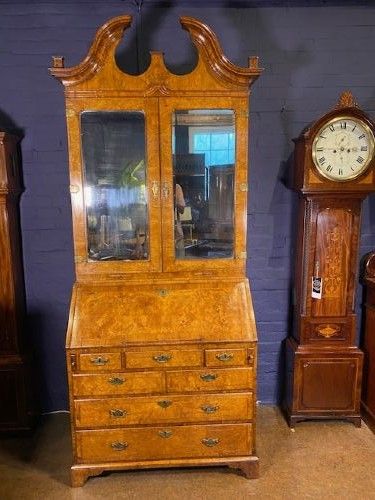
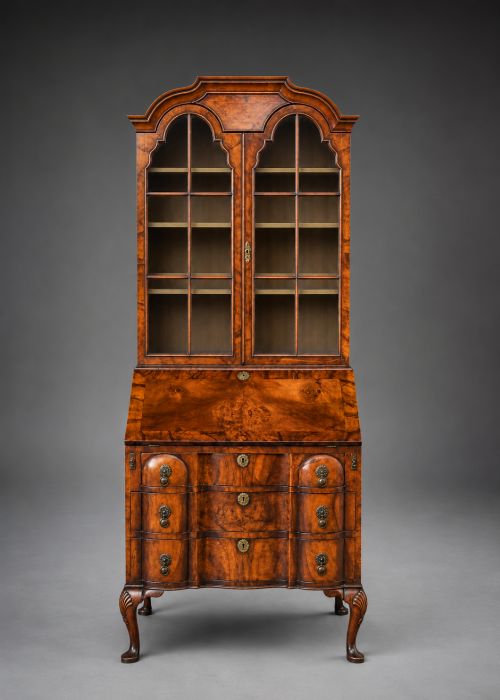
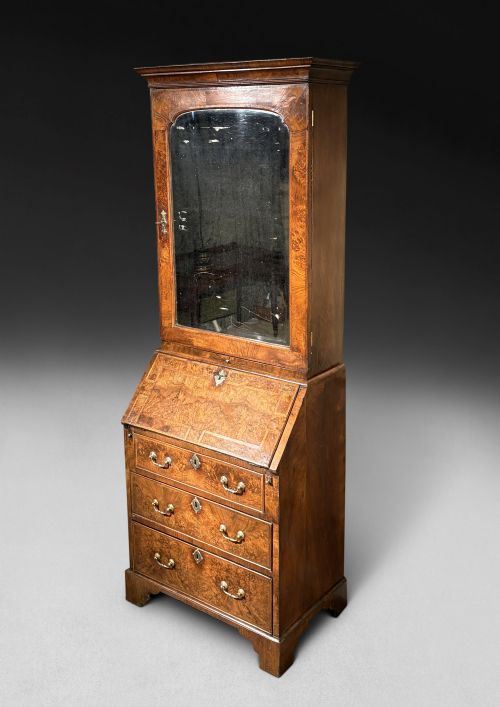
You are most likely to meet walnut and burr walnut iterations on this page, reflecting the dominant timber choices of the period. Alongside straightforward table-top or chest-height writing pieces, larger bureau bookcases appear, combining the slant desk base with upper shelving enclosed by panelled doors.
Materials and construction
Cabinetmakers utilised rich native timbers, building carcasses primarily in solid oak or pine while applying highly figured walnut, burr walnut, elm, and yew veneers to exterior surfaces. Marquetry inlay, banding, and feathered borders often decorate the fall front and drawer fronts to create subtle geometric patterns.
Structural integrity relied on dovetailed drawer construction and mortise-and-tenon joints for the main housing. Ironwork, brass handles, and escutcheons were hand-cast and fitted to secure doors and fall fronts.
Certain early desks include hidden sliding wells beneath the interior pigeonholes, designed for stashing private correspondence away from prying eyes.
What separates examples
The choice of veneer grain dictates visual impact, with tightly figured burr walnut or burr elm marking out superior cabinetwork from plain walnut or oak. The complexity of the interior fitments - such as stepped pigeonholes, sliding wells, and well-executed secret drawers - separates basic writing boxes from ambitious pieces.
The preservation of original surface patination and historic ironwork or brass hardware contributes heavily to an example's integrity. Later revivals from the Edwardian period or the nineteen-twenties replicate the form with varying degrees of fidelity to original proportion and timber selection.
The Queen Anne Slant Desk Glossary
- Fall front
- The hinged sloping panel that drops down to form a writing surface. It conceals the interior drawers and pigeonholes when closed.
- Bureau bookcase
- A tall piece combining a slant desk lower section with an upper bookcase cabinet enclosed by doors. It provides both writing space and extensive display storage.
- Burr walnut
- Timber taken from the gnarled growths of a walnut tree, yielding highly decorative swirling grain patterns. Cabinetmakers prized it for veneering prominent surfaces.
- Pigeonhole
- A small, open compartment within the desk interior used for sorting letters and papers. These often sit above a central small cupboard or sliding well.
- Patina
- The deep surface sheen and mellow colour developed by wood over centuries of handling and polishing. Original patination indicates minimal chemical stripping.
Queen Anne Slant Desk: Frequently Asked Questions
What is a queen anne slant desk?
A queen anne slant desk is a compact writing cabinet featuring a sloping lid that pulls down to create a flat workspace. Inside, multiple small drawers and compartments organise writing materials.
Originally developed around the turn of the eighteenth century, the form prioritises refined proportions and decorative wood veneers over heavy carving.
How do I tell an original from a revival?
Original eighteenth-century pieces display hand-cut dovetails, timber shrinkage patterns, and period-appropriate secondary woods like oak or pine inside the carcass. Examination of the hardware fixings and backboards often reveals age-related wear.
Revival pieces from the Edwardian era or the twentieth century tend to use machine-cut elements and standardised internal construction methods despite wearing period styles.
What woods were used for these desks?
Walnut is the predominant timber, particularly figured walnut and burr walnut applied as veneer over sturdy oak carcasses. Elm, yew, and occasional oak also appear across regional English examples.
Banding and inlay work frequently incorporate lighter fruitwoods to frame the drawer fronts and writing flaps.
How do I care for walnut veneer?
Keep walnut furniture away from direct sunlight and heat sources to prevent the historic veneers from drying out, lifting, or splitting. Maintain a stable indoor humidity level.
Apply a traditional beeswax polish sparingly and buff with a soft cloth to nourish the wood without building up a heavy, dull residue.