


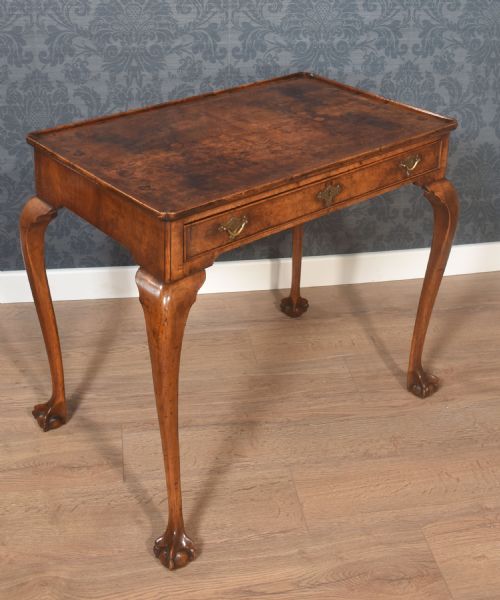

Queen Anne Silver Table
These pieces known as a queen anne silver table bring understated British Baroque elegance to a room, offering a surface designed for silver display.
Queen Anne Silver Table
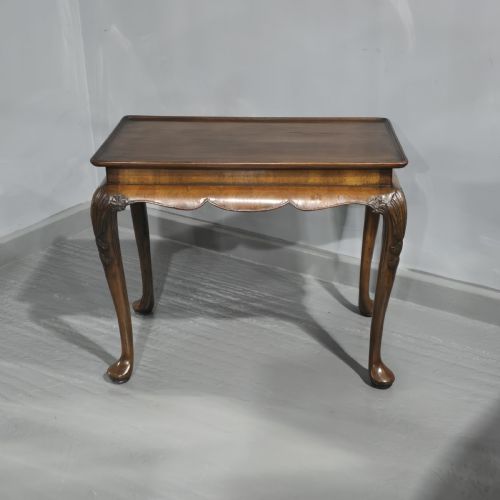
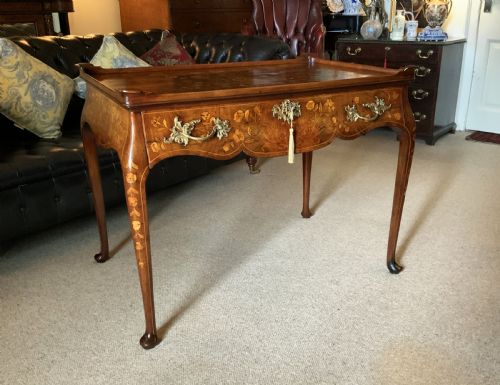
A queen anne silver table typically appears in walnut, burr walnut, or black lacquered walnut, reflecting the cabinet-making standards of the 18th century and later revivals. These side and occasional tables often feature tray tops designed to hold silver objects securely.
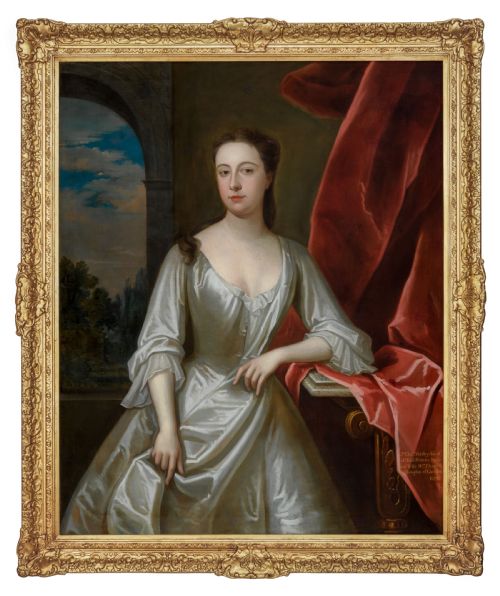
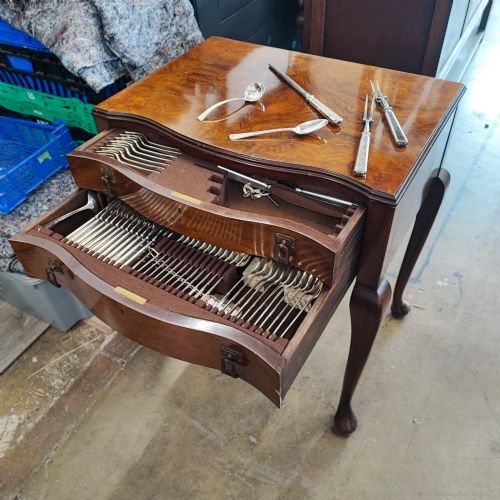
The selection includes pieces spanning the 18th century alongside Georgian, Victorian, and early 20th century revivals in the Queen Anne style and Dutch Rococo manner. Alongside these tables, the evidence includes related silverware and furnishings such as dognose spoons, tea tables, and oil paintings depicting marble tables.
Buyers seeking a queen anne silver table encounter forms ranging from authentic 18th-century examples to later 19th and 20th-century interpretations influenced by Georgian design. The configuration usually serves as a low surface for display or tea service.
How they were made
Construction relies heavily on walnut and burr walnut, sometimes finished in black lacquer or enriched with marquetry depicting flowers and birds. Timber preparation involved selecting figured veneers to create patterned table surfaces.
Metalwork and plating appear on associated silver items like table forks and spoons utilising sterling silver or silver plate with maker marks and crests. Joinery and surface finishing follow traditional cabinet-making methods seen across 18th-century and revival periods.
Listings incorporate walnut, burr walnut, and mahogany alongside sterling silver and silver plate.
What varies in quality
The standard of timber selection defines the visual impact of a walnut or burr walnut surface, where rich figuring elevates the piece. Marquetry detail and lacquer application also separate standard production from finer workmanship.
Proportion and adherence to period characteristics dictate the success of the design, whether original 18th-century work or a later revival. The crispness of carved details and the integration of tray tops reveal the maker's competence.
John Smith·Lawrence Coles·J Ladyman
The Queen Anne Silver Table Glossary
- Burr walnut
- A veneer taken from the burl growth of a walnut tree, prized for its swirling grain patterns. It creates a highly decorative surface on table tops.
- Dognose spoon
- An English spoon form popular around the turn of the 18th century, featuring a rounded tongue down the centre of the stem. It often accompanies silver tables of the period.
- Black lacquered walnut
- Walnut timber finished with a dark lacquer coating, providing a glossy monochrome surface. This finish appears on 19th-century interpretations.
- British Baroque
- An architectural and decorative style spanning the late 17th and early 18th centuries. It informs the robust proportions of early silver tables.
Queen Anne Silver Table: Frequently Asked Questions
What is a silver table used for?
These tables served primarily for the display of silver items, tea wares, and serving pieces in aristocratic and affluent households during the 18th century and later periods.
Over time, their elevated edges and portable top designs made them practical surfaces for keeping small decorative objects contained.
How do I date a walnut table?
Dating relies on examining the timber species, veneer thickness, construction joints, and secondary woods used in the frame and drawers.
Comparing the stylistic details, such as leg profiles and stretcher arrangements, against known 18th-century and revival characteristics helps narrow the timeline.
Are all silver tables made of silver?
Silver tables are constructed from timber, usually walnut or mahogany, rather than solid metal. The name denotes their original function as furniture designed to hold and display silver collections.
Some examples incorporate silver-plated elements or accompany fitted canteens of cutlery and spoons.
What is the difference between Queen Anne and Georgian styles?
Queen Anne design generally precedes the broader Georgian era, though the two periods overlap significantly in furniture history. Queen Anne pieces often display characteristic cabriole legs and restrained walnut veneers.
Georgian revivals later reinterpreted these fluid lines during the 19th and early 20th centuries, sometimes incorporating heavier proportions or different marquetry.