

Queen Anne Secretary Desk
A queen anne secretary desk combines a fitted writing slope with storage, offering timeless elegance and practical workspace in walnut or oak.
Queen Anne Secretary Desk
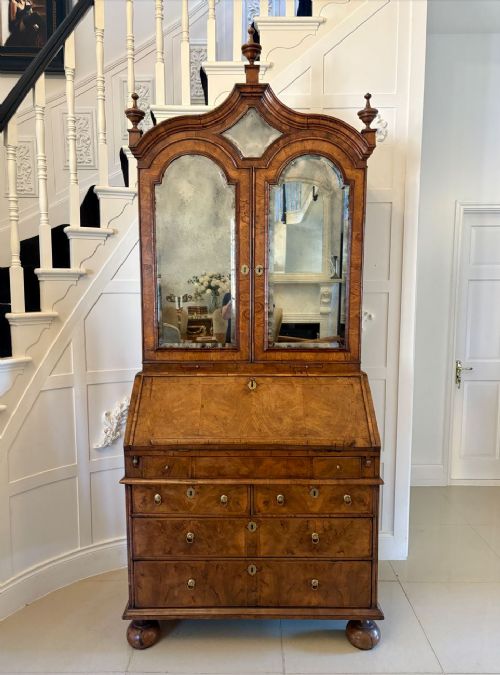
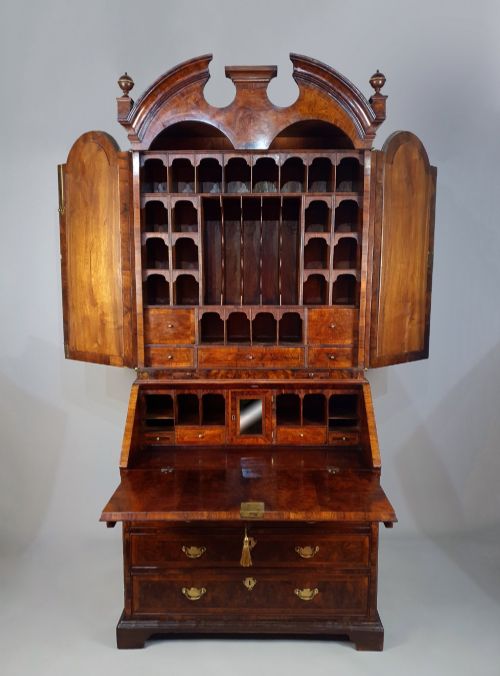
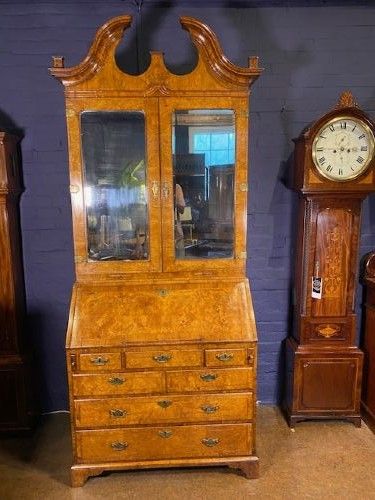
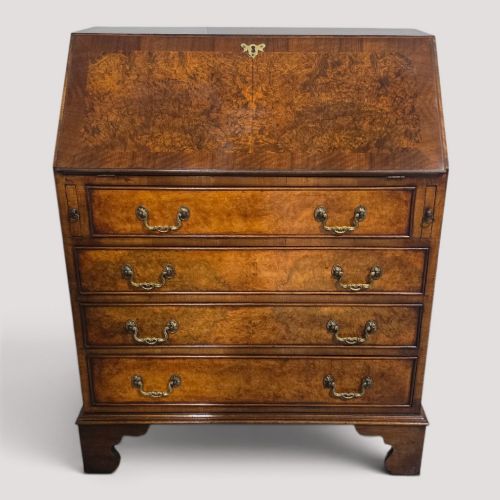
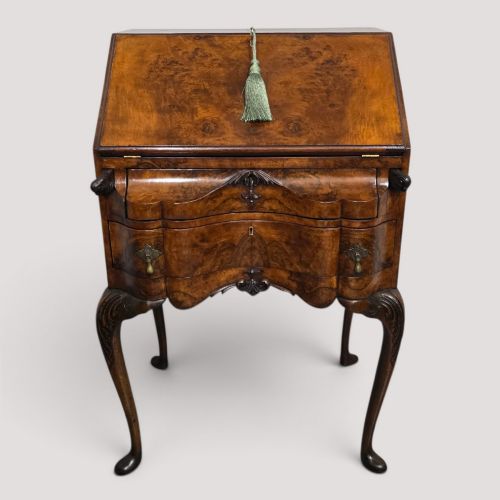
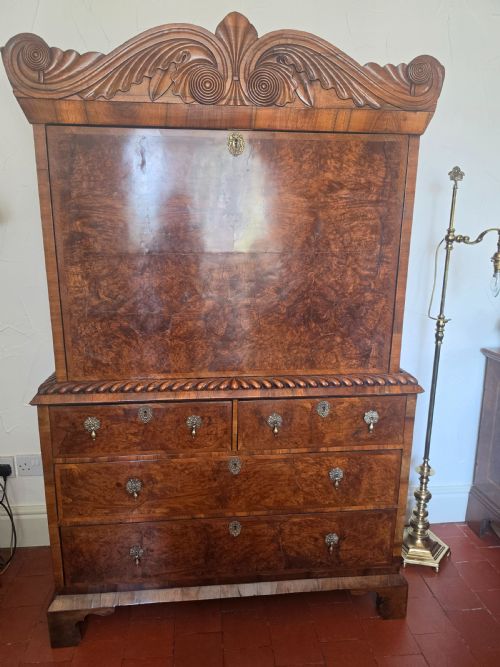
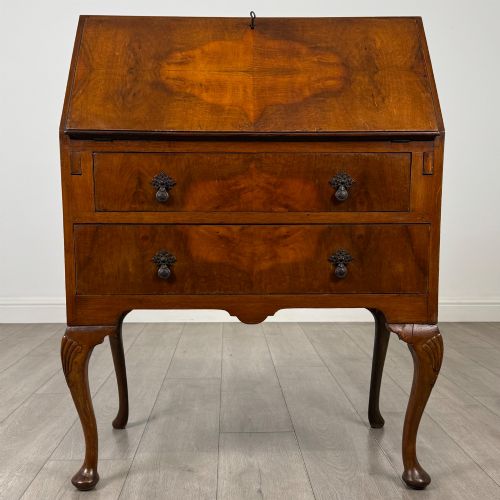
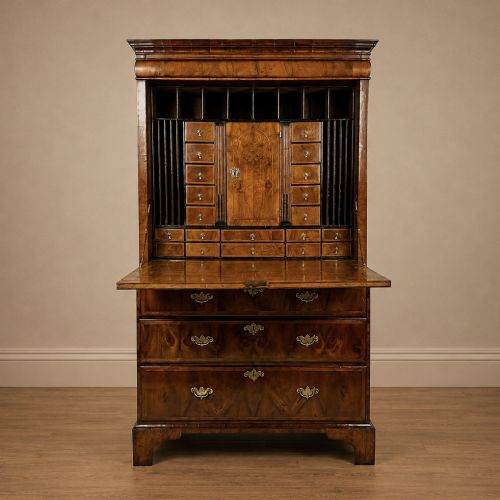
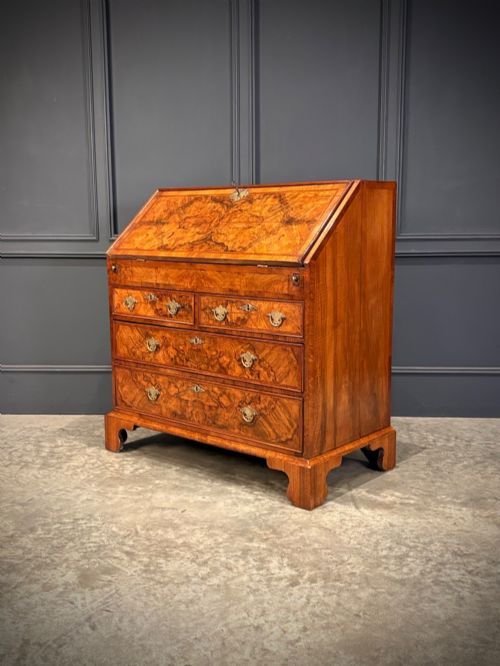
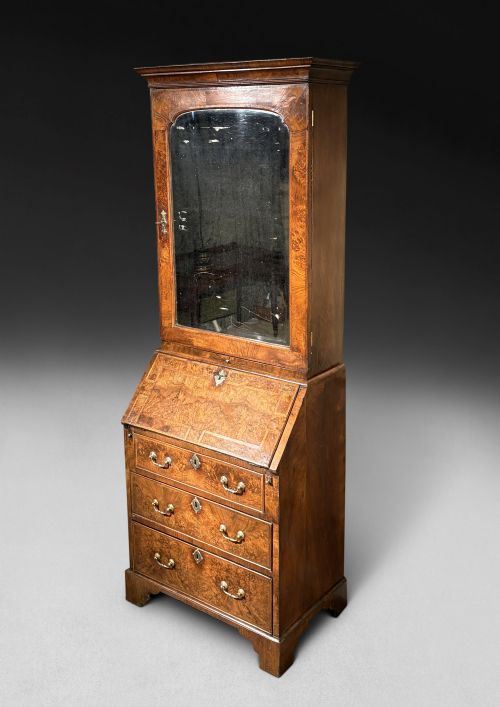
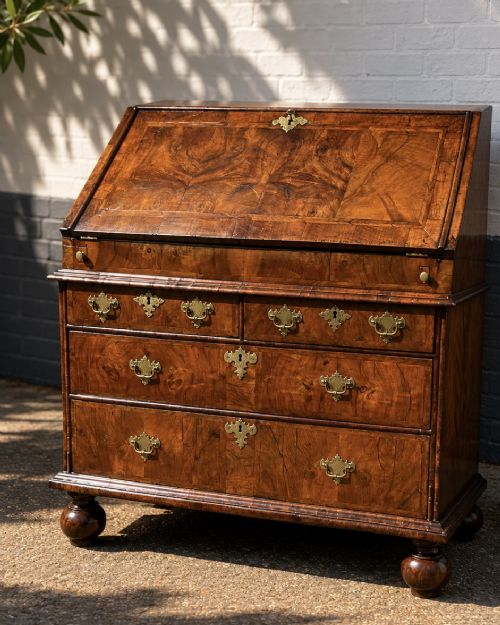
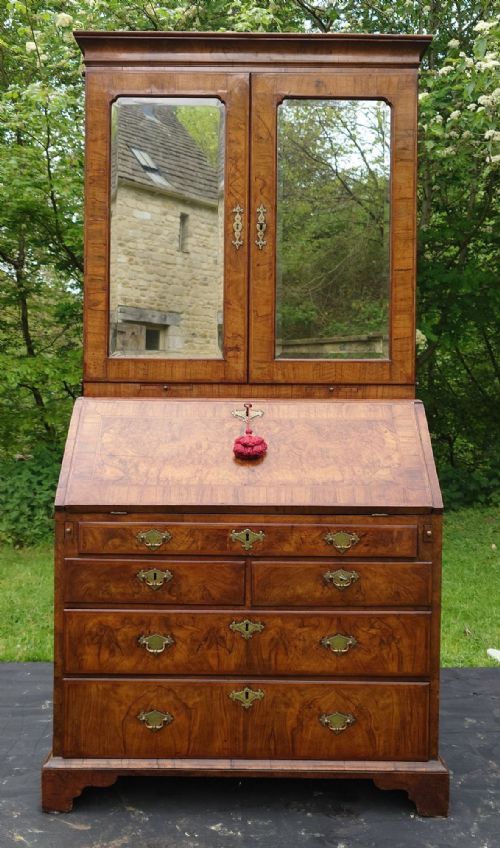
A queen anne secretary desk encompasses bureau bookcases, fall-front desks, and escritoires dating from the seventeenth century through to Edwardian revivals. Buyers seeking these pieces encounter forms designed for correspondence and document storage, often featuring fitted interior compartments hidden behind a sloping fall.
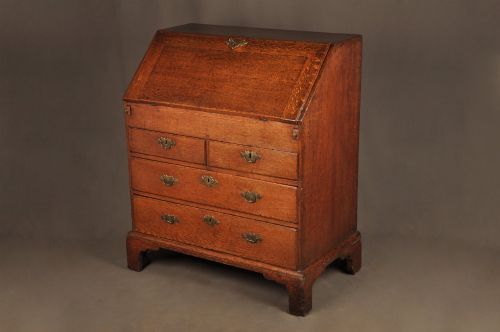
The material palette centres primarily on walnut, burr walnut, and oak, occasionally incorporating elm or red lacquer finishes. Pieces range from authentic eighteenth-century examples to later nineteenth-century and twentieth-century revival interpretations.
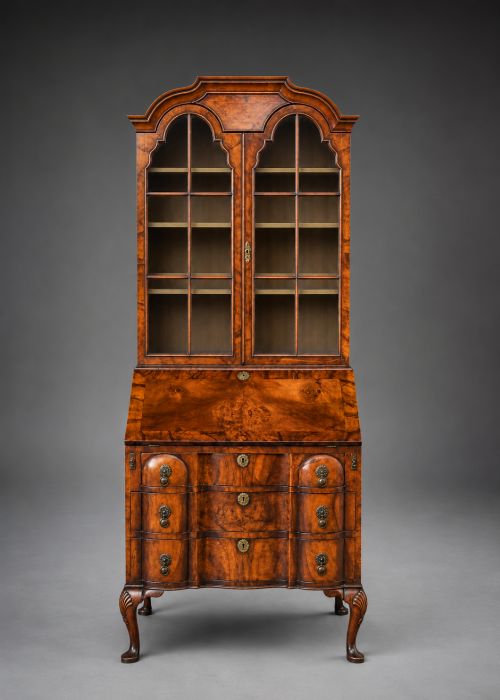
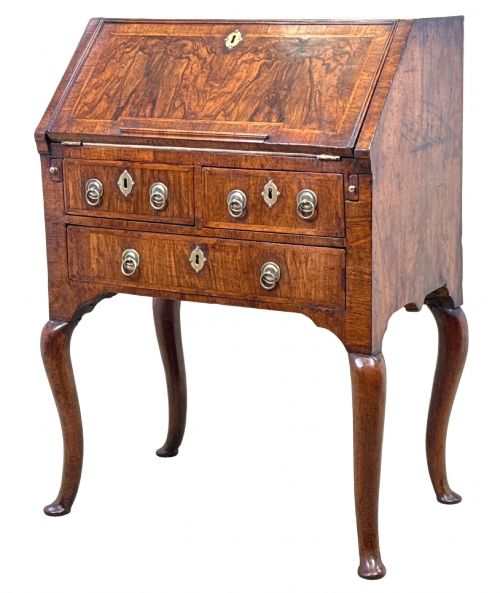
Formations vary between compact desks on stands and taller bureau bookcases topped with double dome glass cabinets. The selection reflects both original period craftsmanship and subsequent revivals emulating George I and Queen Anne aesthetics.
Materials and Construction
Cabinetmakers utilised solid timbers and decorative veneers such as burr walnut and burr elm applied to foundational woods like oak. Surfaces were frequently enhanced with featherbanding to frame the grain patterns.
Hardware typically comprises brass handles and escutcheons alongside original ironwork mechanisms that secure the fall-front writing surfaces and internal drawers. Glass panels were incorporated into upper bookcase doors on taller variants.
Queen Anne Secretary Desk Retail Price Guide 2026
Typical asking prices for queen anne secretary desk among the pieces listed under this phrase on Sellingantiques today, from the lower quarter to the upper quarter. They describe what is for sale here now, not the wider market.
Some seventeenth-century and eighteenth-century desks retain secret pigeonhole compartments designed for hiding love letters and family currency.
Assessing Quality and Character
Quality rests upon the selection and matching of burr veneer figures across the fall-front and drawer facades. Superior examples exhibit cohesive grain continuity and subtle featherbanding details.
The integrity of the original patina and internal configuration dictates distinction. The presence of unaltered brasses and traditional joinery separates authentic period production from later revival interpretations.
The Queen Anne Secretary Desk Glossary
- Escritoire
- A writing cabinet or desk featuring a fall-front panel that opens to reveal internal compartments.
- Fall-front
- A hinged writing flap that drops down to provide a horizontal surface for correspondence.
- Featherbanding
- Decorative inlay work using small strips of veneer arranged in a herringbone pattern to frame drawer fronts.
- Burr walnut
- Wood grain taken from a tree growth, producing intricate swirling patterns prized for decorative veneer work.
- Bureau bookcase
- A dual-purpose piece combining a lower writing desk with an upper enclosed shelving unit.
Queen Anne Secretary Desk: Frequently Asked Questions
How do I identify period pieces?
Period identification relies upon examining construction methods, timber selection, and secondary woods used in drawer linings. Eighteenth-century examples display authentic patina and hand-cut joinery differing from later revival pieces.
Examining hardware fixings and ironwork provides further context regarding the manufacturing date of the desk.
Where should I place a desk?
Secretary desks suit studies, living rooms, or drawing rooms where their compact footprints and vertical storage capacity function effectively. Positioning them away from direct sunlight protects vulnerable walnut veneers.
Sufficient clearance must be maintained in front of the piece to allow the fall-front flap to lower completely.
How do I care for walnut veneer?
Walnut veneers require stable indoor humidity levels and regular dusting with a soft, dry cloth to prevent timber desiccation. Wax polish applied sparingly helps maintain the natural sheen of the wood.
Harsh chemical cleaners and excessive moisture must be avoided to protect historical finishes and delicate featherbanding.