
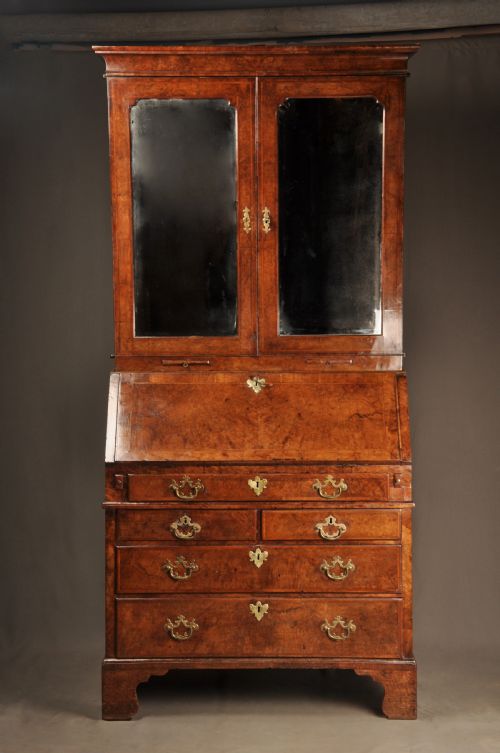

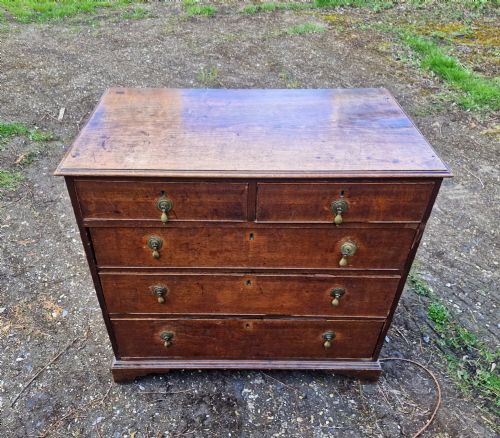

Early Georgian Bureau Cabinet
An early georgian bureau cabinet combines a writing desk and a bookcase in walnut, oak, or mahogany, designed to keep correspondence and volumes secure.
Early Georgian Bureau Cabinet
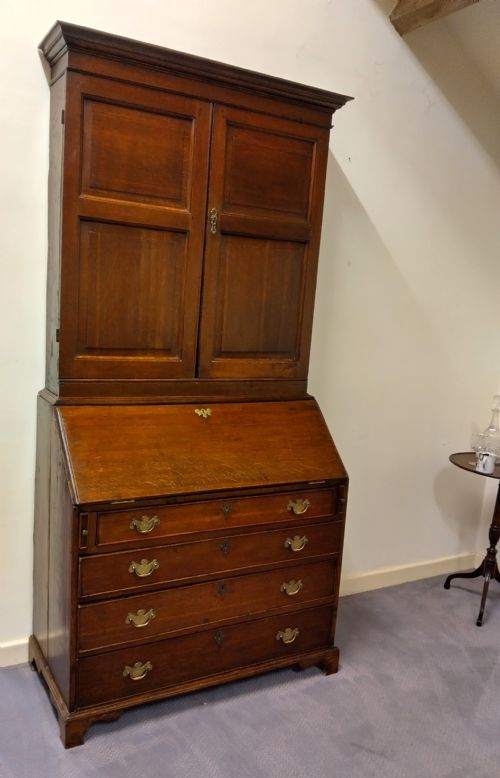
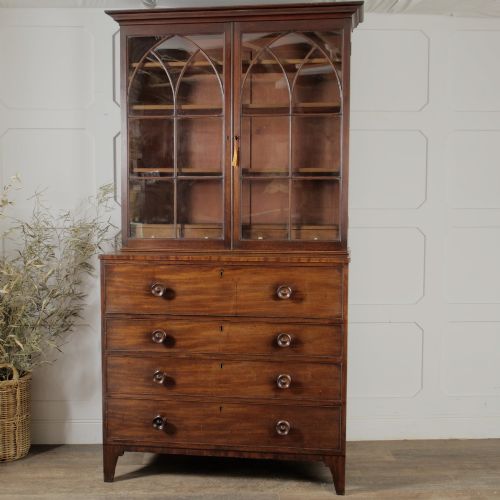
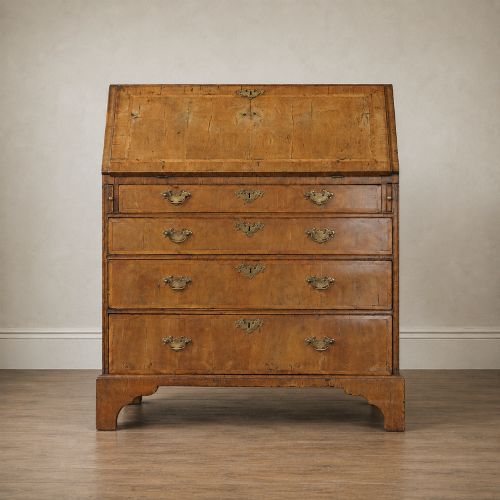
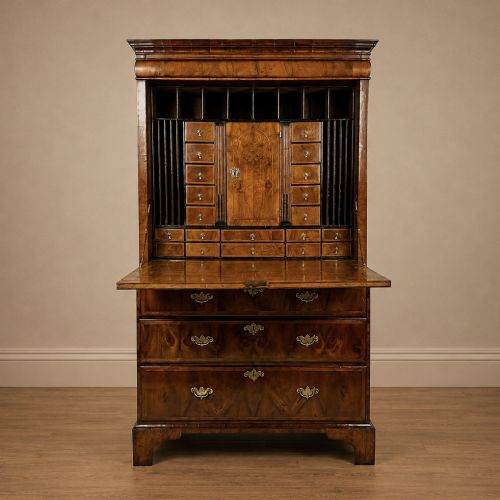
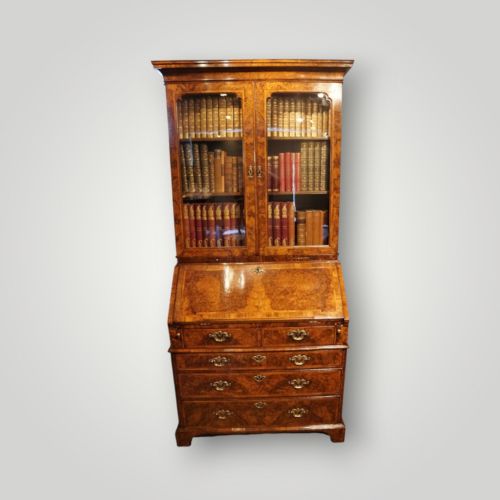
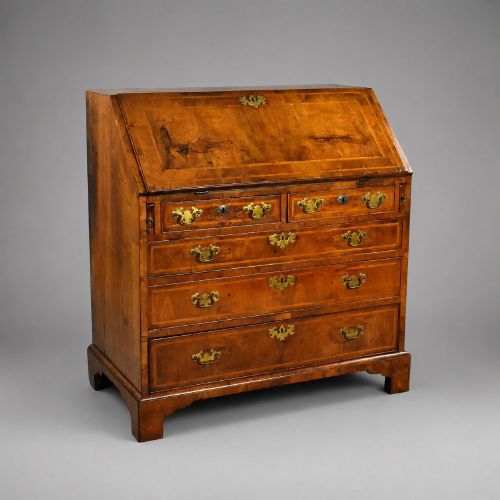
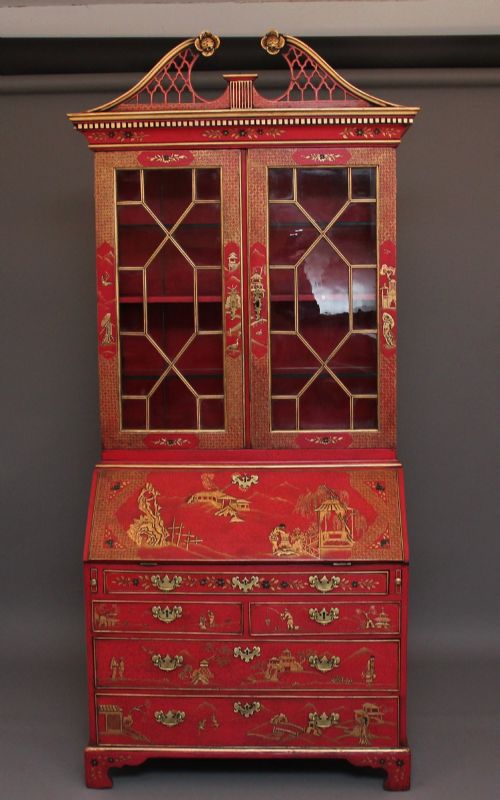
An early georgian bureau cabinet is a tall piece of furniture comprising a sloping desk flap above drawers and a glazed or panelled upper bookcase section. These double-part items originate primarily from the eighteenth century, spanning periods from Queen Anne and George I through to George II.
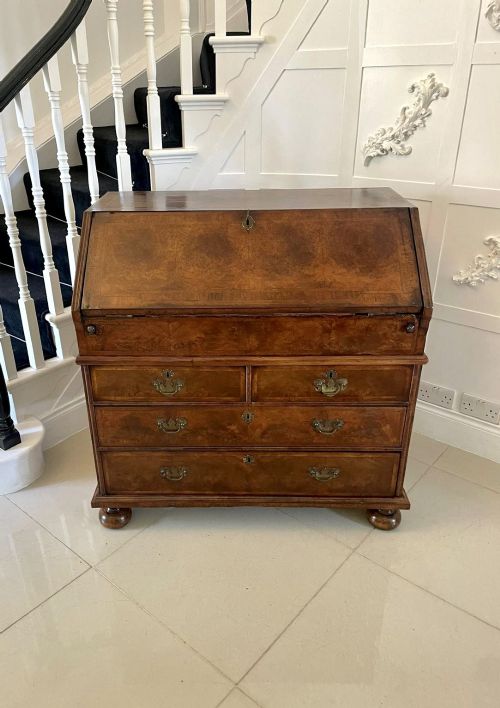
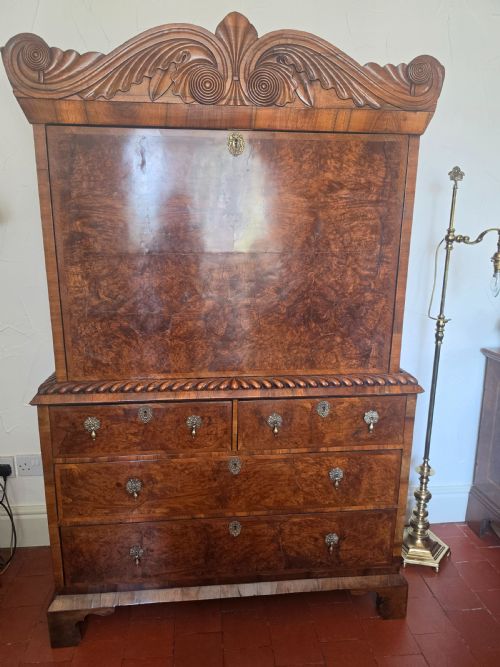
The versions most commonly met on this page include walnut and burr walnut bureau bookcases alongside oak and mahogany examples. Many pieces feature fitted interiors with pigeonholes and small drawers behind the main writing flap.
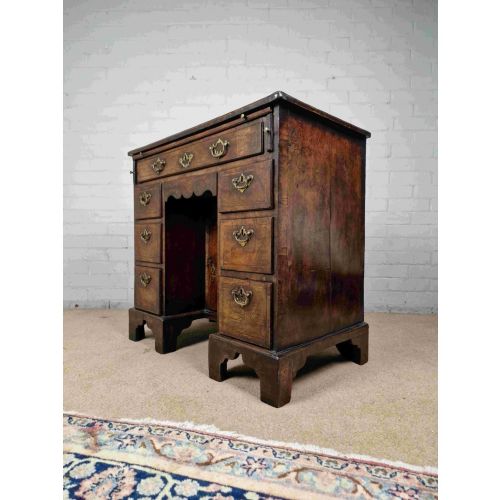
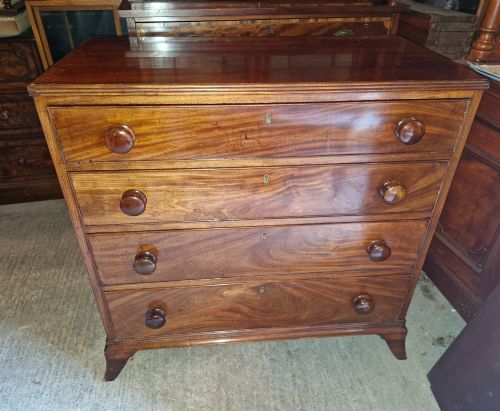
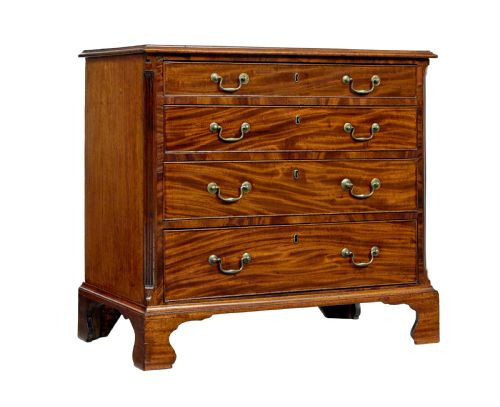
Variations in these forms stretch from two-part bureau bookcases to kneehole desks, escritoires, and secretaire chests. Surviving examples reflect the domestic workspace requirements of their original owners during the seventeen-hundreds.
Quality and Construction
The grade of an early georgian bureau cabinet depends heavily on the choice of timber and the complexity of the internal fittings. Figured walnut veneers and detailed crossbanding indicate superior cabinetmaking compared to plainer secondary woods.
Original brasses, sound structural timber, and untouched patination elevate certain examples above pieces with extensive replacements. The arrangement of the interior drawers and the precision of the joinery mark the division between standard workshop production and high-status commissions.
Listings for this phrase feature walnut, oak, mahogany, and burr walnut veneer across eighteenth-century forms.
The Early Georgian Bureau Cabinet Glossary
- Bureau
- A writing cabinet featuring a sloping fall-front flap that opens to reveal a fitted interior of small drawers and pigeonholes.
- Escritoire
- A tall writing cabinet or desk, often synonymous with an escritoire or bureau bookcase.
- Herringbone inlay
- A decorative banding made of small veneer pieces laid in a V-shaped pattern.
- Veneer
- A thin layer of figured wood, such as burr walnut, applied to a firmer secondary timber base.
- Candle slide
- A pull-out wooden board positioned beneath the upper doors to hold a candle for illumination.
Early Georgian Bureau Cabinet: Frequently Asked Questions
What is an early georgian bureau cabinet?
An early georgian bureau cabinet is a tall furniture form that combines a sloping desk compartment with an upper bookcase enclosed by doors. These pieces date principally from the eighteenth century.
Cabinetmakers built them to store books and provide a private writing surface with internal compartments for letters and documents.
How were bureau cabinets used originally?
Owners used the upper section to store library volumes behind glass or panelled doors. The drop-front desk provided a sloped surface for writing letters and managing household accounts.
Small drawers and pigeonholes inside the desk kept stationery and papers organised out of sight.
How do I identify walnut veneers?
Walnut veneers show intricate, swirling grain patterns derived from the burl or growth nodes of the tree. Cabinetmakers applied these thin sheets over solid oak or pine carcasses.
Close inspection reveals the natural figuring and occasional crossbanded borders framing the drawer fronts.
Where should I place a bureau cabinet?
These tall pieces require stable wall placement in rooms with controlled humidity and steady temperatures. Keeping them away from direct sunlight protects vulnerable walnut and mahogany surfaces from fading.
Ensure adequate floor space for the fall-front flap to open fully without obstruction.