


Queen Anne Revival Furniture
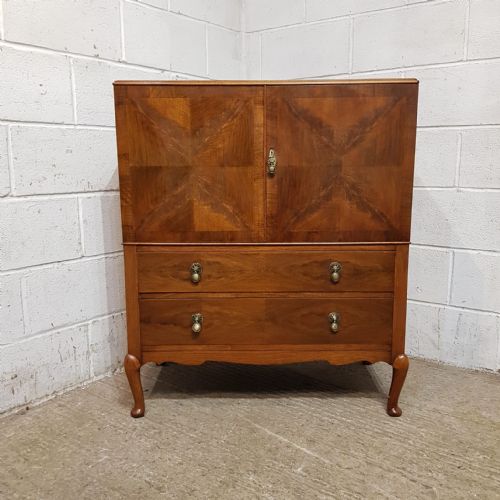
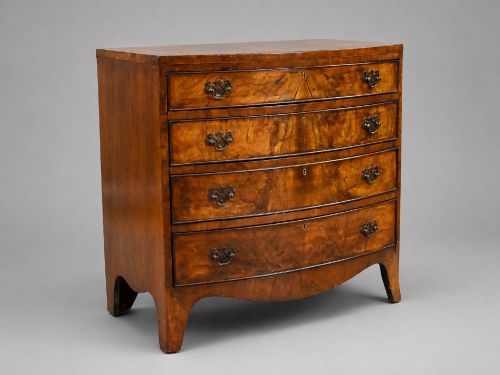
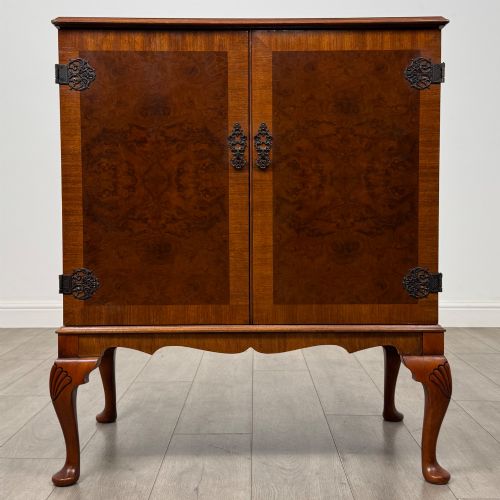
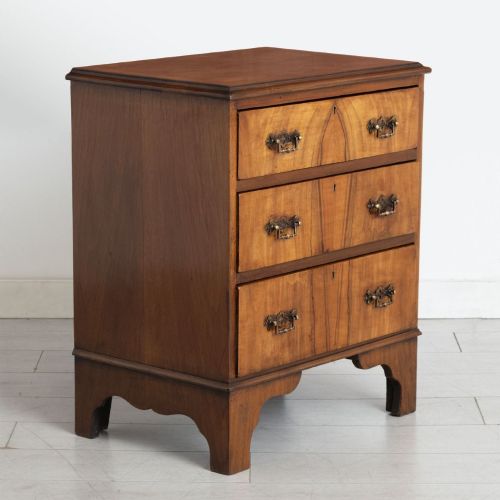
Queen Anne revival furniture brings together curved walnut cabriole legs and classical proportions for a sophisticated domestic interior.

Queen Anne Revival Furniture
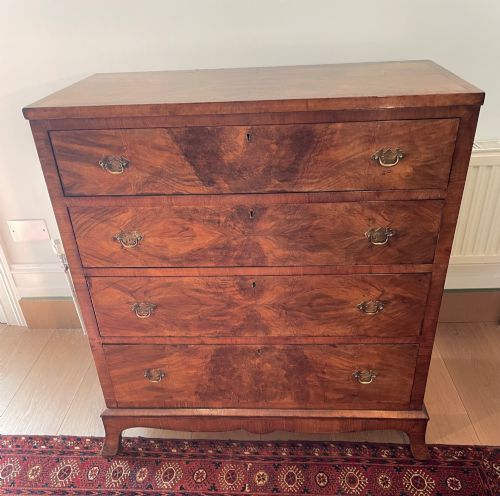
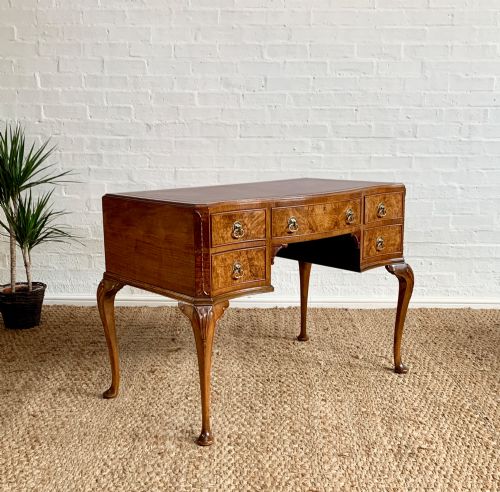
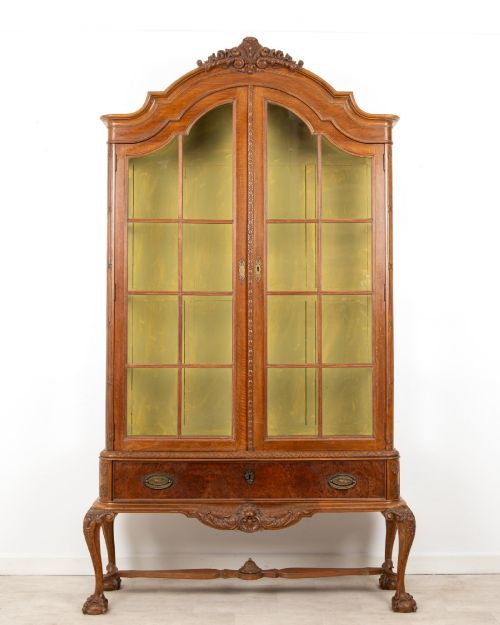
Queen Anne revival furniture comprises items produced across late nineteenth and early twentieth century periods, taking inspiration from earlier eighteenth-century designs. Chests of drawers, lowboys, display cabinets and writing desks form the core of what is available.
Makers of this era interpreted historical forms with varying degrees of fidelity, producing everything from simple walnut side tables to elaborate tallboys and breakfront bookcases. Walnut and burr walnut dominate the forms, frequently matched with glass panels or brass handles.
How they were made
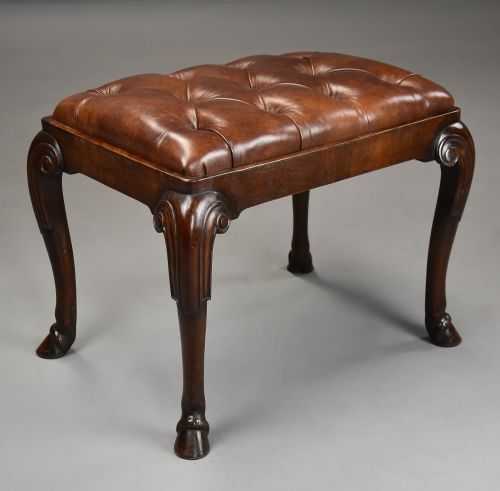
Cabinetmakers utilised solid walnut, oak and mahogany timbers alongside burr walnut veneers to achieve rich grain patterns across flat surfaces like desk lids and drawer fronts. Carved details appeared on cabriole legs, while brass hardware served both functional and decorative roles.
Construction methods combined traditional joinery with the industrial capacities of early twentieth-century workshops. Inlaid decoration and oyster veneers required skilled handwork to apply decorative timber sections to carcases.
Queen Anne Revival Furniture Retail Price Guide 2026
Typical asking prices for queen anne revival furniture among the pieces listed under this phrase on Sellingantiques today, from the lower quarter to the upper quarter. They describe what is for sale here now, not the wider market.
Listings feature burr walnut and figured walnut across Edwardian and 1920s pieces, alongside oak, mahogany and glass.
What varies in quality
Quality depends upon the selection of timber veneers and the crispness of carved details on cabriole legs and corners. Superior examples display carefully matched burr walnut grains across multiple drawers and balanced proportions throughout the carcase.
Maker attribution elevates certain pieces, particularly items carrying stamps or labels from established workshops of the period. The integration of fitted interiors within desks and cabinets also separates standard production items from finer workshop commissions.
Wylie & Lochhead Glasgow·maples of London·Shoolbred and Co·Whytock & Reid of Edinburgh
The Queen Anne Revival Furniture Glossary
- Cabriole leg
- A furniture leg that curves outward at the knee and tapers inward to an ankle, terminating in a pad or foot. This form derives from ancient Chinese designs and became a defining feature of eighteenth-century style.
- Burr walnut
- Timber taken from a walnut tree growth or burl, yielding intricate, swirling grain patterns. Cabinetmakers sliced this wood into thin veneers for decorative surfaces.
- Lowboy
- A small dressing table or side table with one or more rows of drawers beneath the flat top. These pieces typically stand on four tall cabriole legs.
- Tallboy
- A tall chest of drawers consisting of one chest stacked upon another or built as a single tall unit. They provide substantial vertical storage capacity.
- Oyster veneer
- Thin circular or oval slices of branch wood laid side by side to create a repeating pattern resembling oyster shells. This technique appeared on seventeenth-century furniture and later revivals.
Queen Anne Revival Furniture: Frequently Asked Questions
How do I identify a revival piece from an original?
Revival pieces display secondary timbers, machine-cut elements and twentieth-century construction methods beneath their historical exterior.
Hardware fixings and internal drawer linings also help distinguish late nineteenth and early twentieth-century manufacturing from original eighteenth-century production.
Where should I place a walnut display cabinet?
Display cabinets suit principal reception rooms or studies where glass panels protect books or collections while revealing figured walnut grain.
Positioning these items away from direct sunlight preserves the rich tones of the timber and veneer surfaces over time.
What maintenance does burr walnut require?
Burr walnut benefits from consistent indoor humidity levels and occasional treatment with appropriate furniture wax to nourish the polished surface.
Avoiding excessive heat sources prevents timber movement and safeguards delicate veneer work across tabletops and drawer fronts.
How were lowboys used historically?
Lowboys served as dressing tables for holding grooming accessories or as compact side tables in hallways and bedrooms.
Their shallow drawers kept small personal items close to hand while the surface supported lighting or decorative objects.