


Qing Period Porcelain
Qing period porcelain encompasses centuries of imperial and export ceramic artistry, prized for its refined glazes and intricate hand-painted motifs.
Qing Period Porcelain
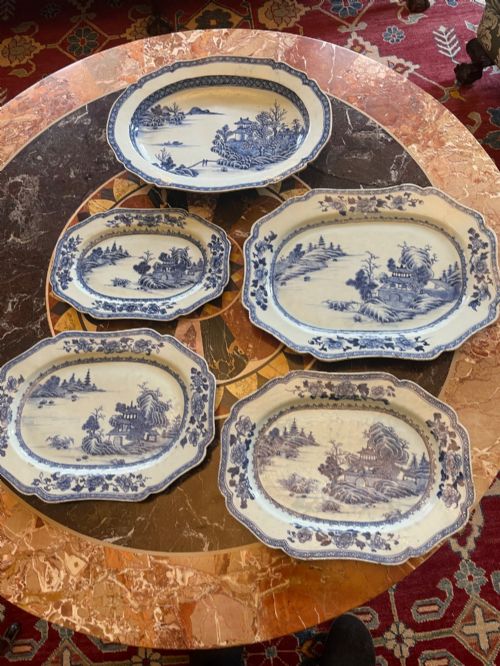
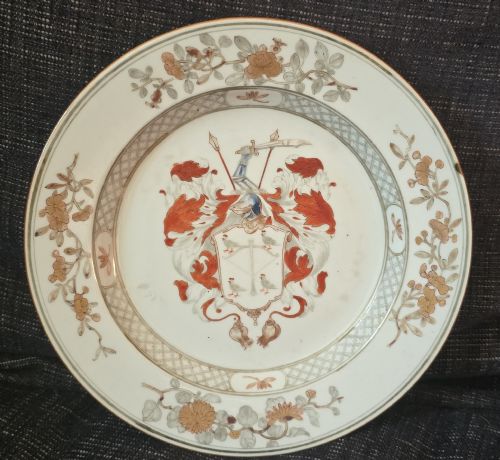
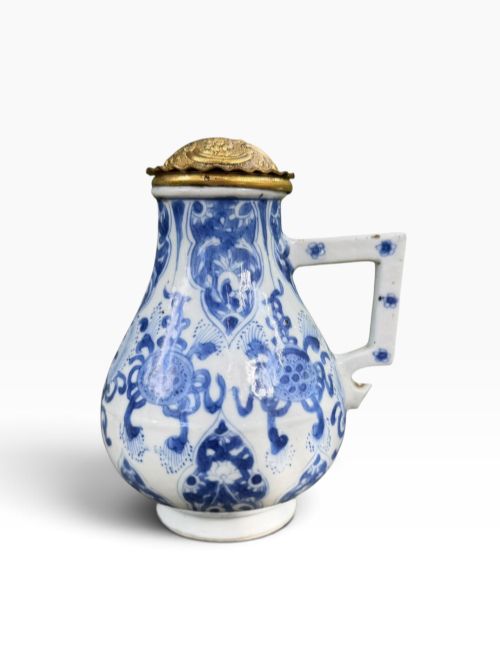
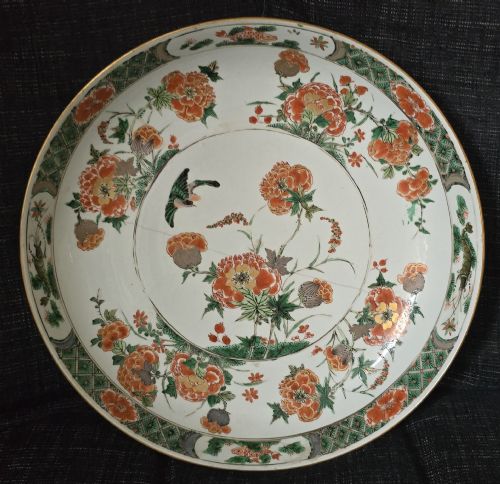
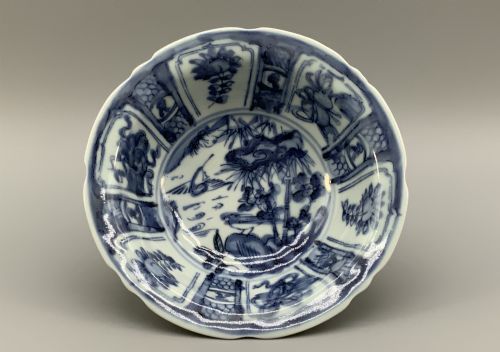
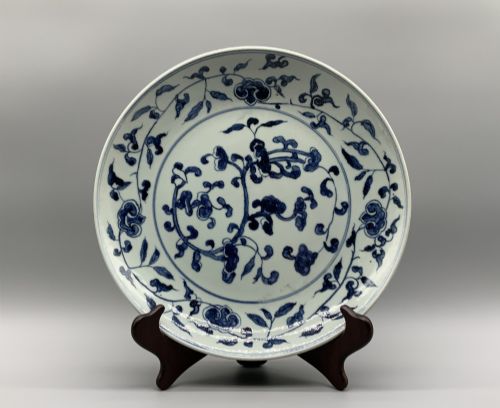
When you search for qing period porcelain, you encounter a diverse range of objects spanning the seventeenth century through to the early twentieth century. The forms available on this page include large chargers, delicate brush pots, lidded jars, and utilitarian vessels recovered from historical shipwrecks.
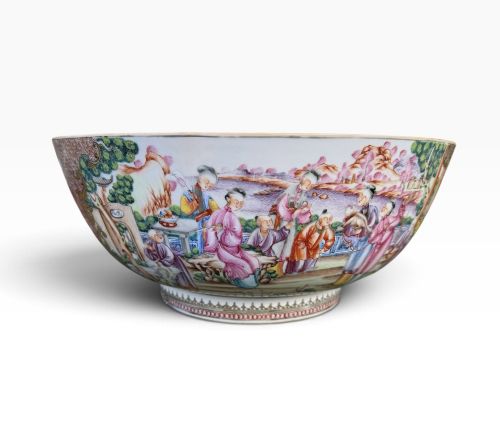
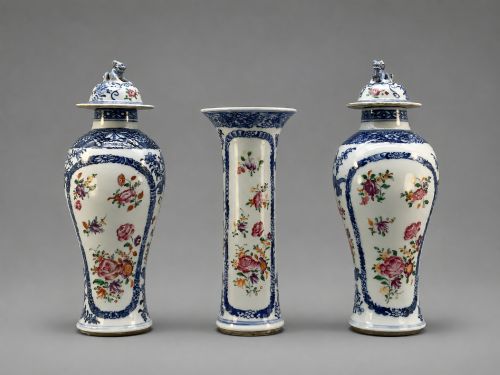
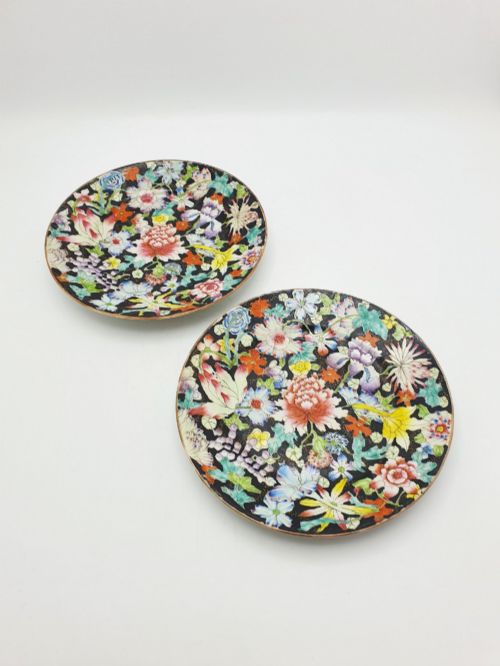
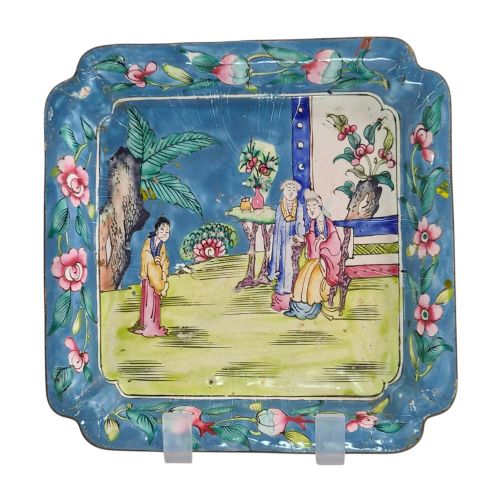
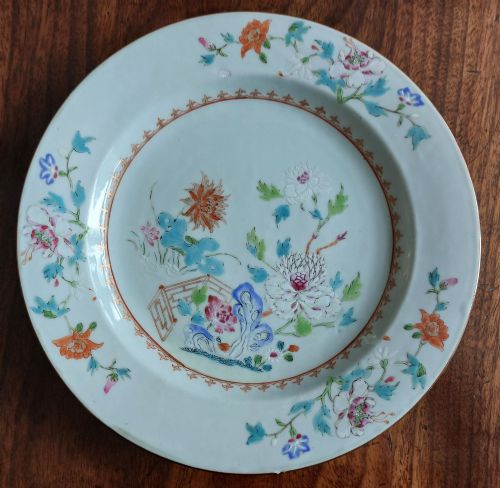
Vessels from the Kangxi and Qianlong reigns dominate the selections, alongside later Guangxu and Daoguang pieces. Collectors find everything from sober blue and white scholar's objects to vibrant famille rose dishes painted with figures and fauna.
Materials and Techniques
Potters utilised fine ceramic clay bodies fired at high temperatures to achieve durable porcelain structures. Artisans applied cobalt underglaze pigments before the final glaze firing to create deep blue designs.
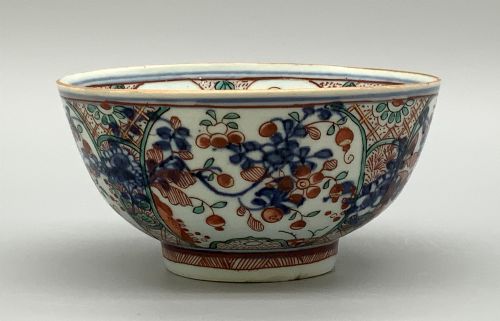
Overglaze enamels, including famille rose and iron-red pigments, were added in subsequent low-temperature firings to build up polychrome scenes. Gold leaf and gilt metal mounts occasionally accented the finished ceramic forms.
Qing Period Porcelain Retail Price Guide 2026
Typical asking prices for qing period porcelain among the pieces listed under this phrase on Sellingantiques today, from the lower quarter to the upper quarter. They describe what is for sale here now, not the wider market.
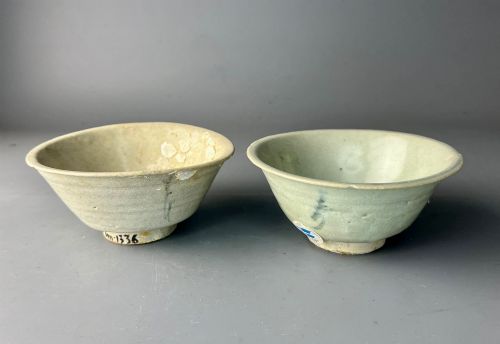
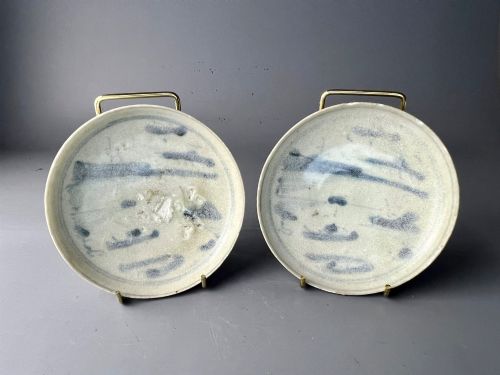
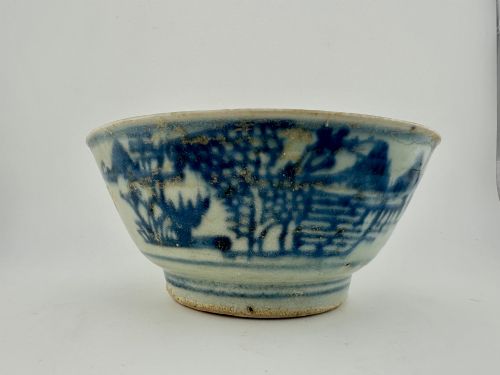
Several vessels survived maritime disasters aboard cargo ships like the Tek Sing and Vung Tau, carrying centuries-old tea bowls across the ocean floor.
Quality Variations
The standard of qing period porcelain depends heavily on the precision of the brushwork and the control demonstrated during the kiln firing. Imperial-quality items exhibit meticulous detail in figurative scenes and unblemished monochrome glazes.
Provenance and imperial marks also influence the standing of a piece, distinguishing standard export wares from court-commissioned items. The depth of colour in cobalt blue underglazes and the delicacy of eggshell thinness mark the upper tier of production.
The Qing Period Porcelain Glossary
- Famille Rose
- A prominent palette of opaque overglaze enamels introduced during the Qing dynasty, characterised by pink and rose hues mixed with other opaque colours.
- Kangxi Period
- The era spanning from 1662 to 1722, known for vibrant blue and white porcelain and sophisticated famille verte enamels.
- Bitong
- A cylindrical brush pot utilised by scholars to hold writing implements on a traditional desk.
- Celadon
- A transparent jade-green glaze applied over a white clay body, producing subtle crackle patterns and soft reflection.
- Imari
- A style of ceramic decoration featuring a combination of underglaze blue, iron-red, and gilt accents, developed for both domestic and export markets.
Qing Period Porcelain: Frequently Asked Questions
What is qing period porcelain?
It refers to ceramic items produced in China during the Qing Dynasty, which lasted from 1644 until 1912. This era encompasses a massive evolution in kiln technology and decorative styles.
The pieces range from everyday export wares traded globally to highly controlled imperial commissions made specifically for the emperor and court.
Were these items used daily?
Some vessels served functional roles in Chinese households, such as bowls for dining, mugs for beverages, and large chargers for serving food. Scholar's objects like brush pots were working desk accessories.
Other items, particularly fine imperial vases and delicate snuff bottles, functioned primarily as decorative art or symbols of status and longevity.
What does famille rose mean?
Famille rose describes a ceramic decorative style introduced in the eighteenth century that relies on an opaque pink or purple enamel. This palette allowed artists to paint subtle tonal shadings.
Motifs in this style frequently incorporate elaborate birds, flowers, court figures, and narrative scenes rendered across bowls, dishes, and vases.