


Qing Period Ceramic
A qing period ceramic brings the refined porcelain, enamel and glaze artistry of imperial and export China directly into a modern room.
Qing Period Ceramic
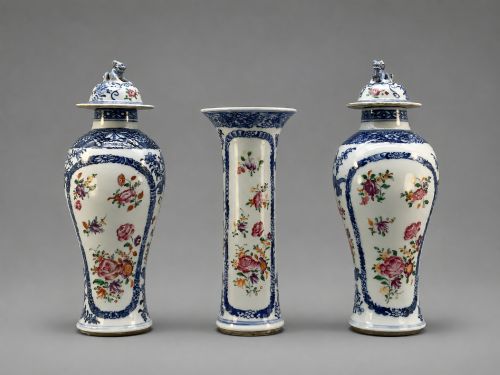
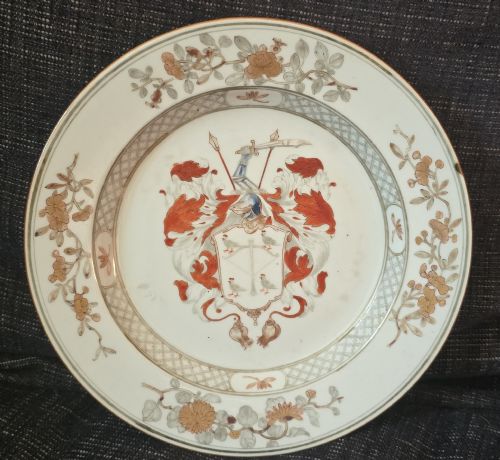
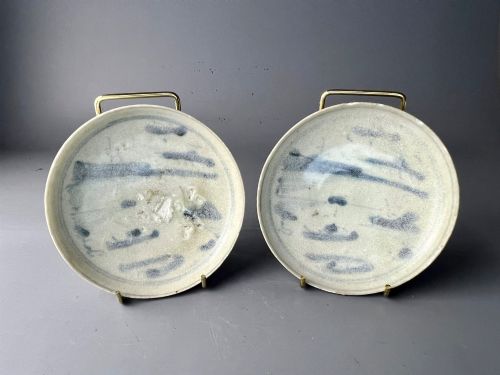
When searching for a qing period ceramic, collectors encounter items spanning the seventeenth century through to the opening years of the twentieth century. The forms available range from utilitarian vessels like brush pots and mugs to decorative chargers, floor vases and delicate snuff bottles.
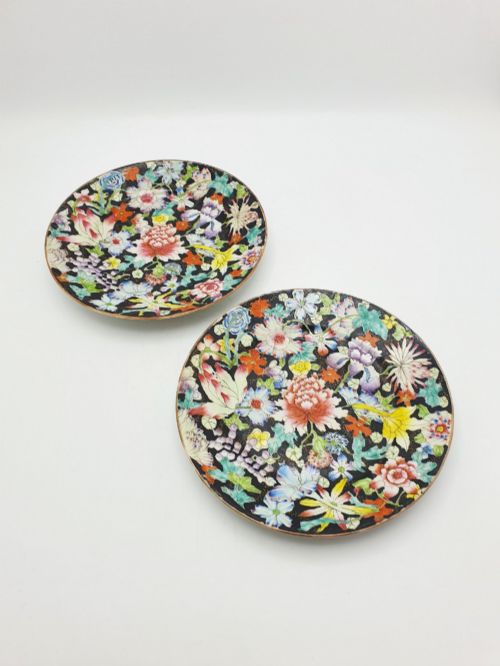
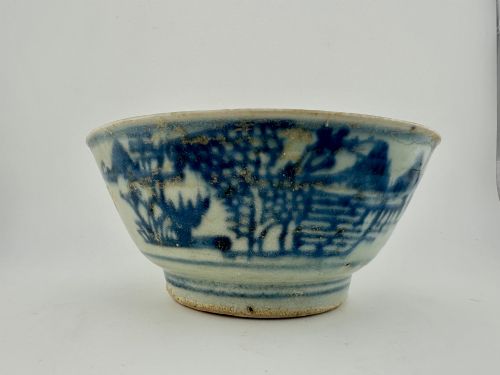
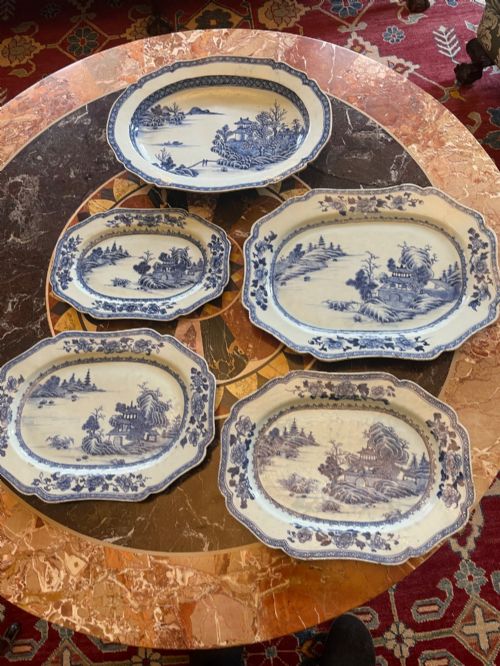
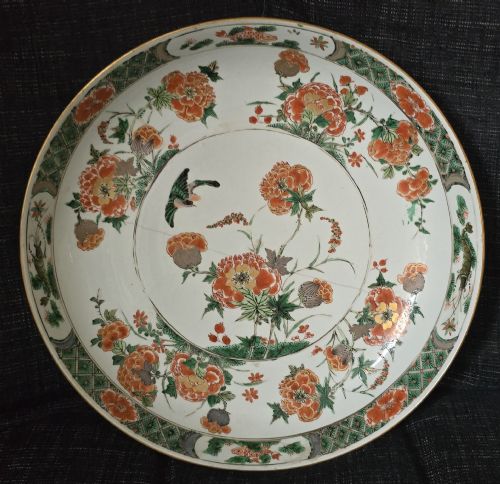
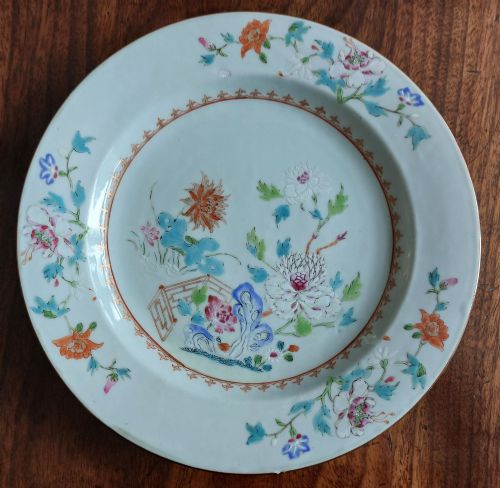
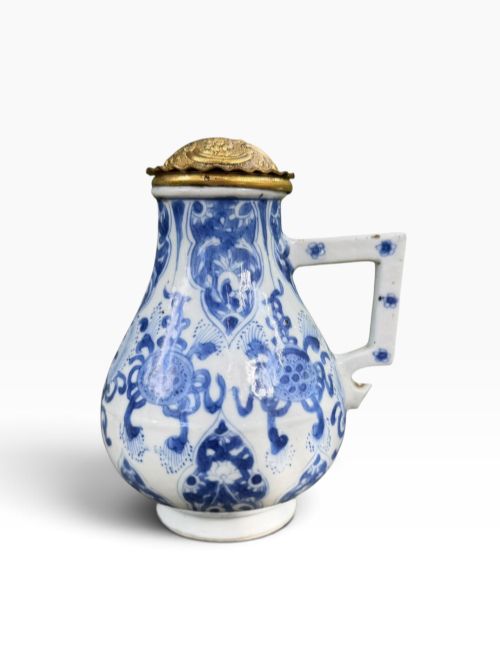
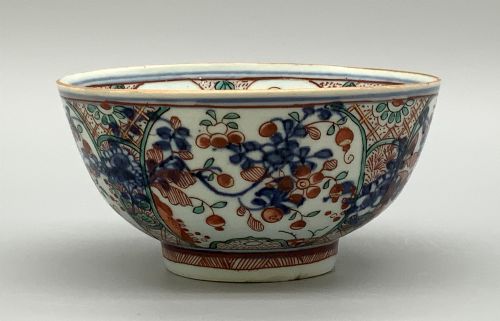
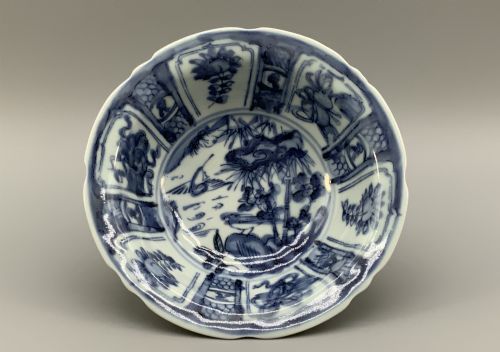
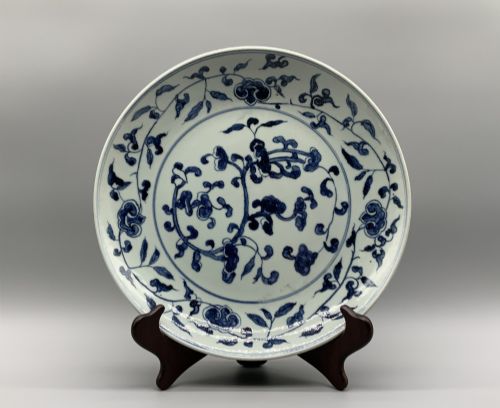
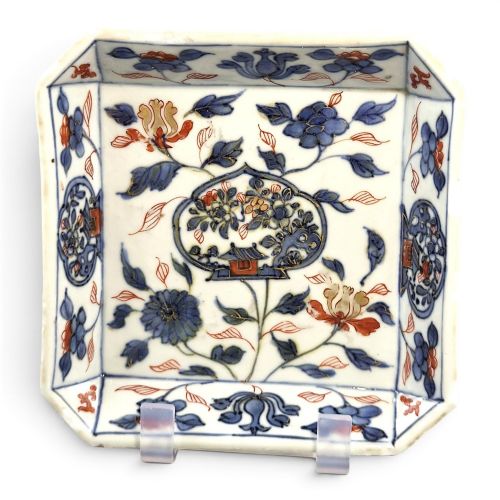
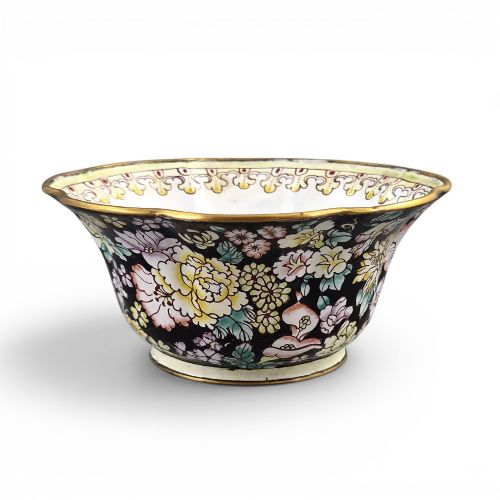
Vessels from the earlier decades frequently display cobalt blue and white decoration or Imari palettes, often associated with the Kangxi reign. Pieces originating from the eighteenth century introduce vibrant Famille Rose enamels and monochrome glazes under imperial Qianlong influence.
Later nineteenth-century examples often carry Guangxu marks and feature intricate iron-red motifs, turquoise grounds or elaborate figural scenes. These diverse objects reflect both domestic imperial commissions and items made for international trade.
Materials and production techniques
Potters shaped these objects primarily from fine white porcelain clay, though certain decorative items utilise copper or bronze mounts alongside ceramic bodies. Cobalt underglaze painting required steady brushwork applied directly to the clay body before transparent glazing and firing.
Overglaze decoration involved painting enamel colours onto already fired and glazed porcelain, followed by a subsequent low-temperature firing to bond the pigments. Artisans also mastered complex monochrome and reactive glazes, such as flambé, celadon and powder-blue finishes.
Qing Period Ceramic Retail Price Guide 2026
Typical asking prices for qing period ceramic among the pieces listed under this phrase on Sellingantiques today, from the lower quarter to the upper quarter. They describe what is for sale here now, not the wider market.
The recorded periods span from the seventeenth-century Kangxi reign through the eighteenth-century Qianlong era and onward to the late Guangxu period.
Distinctions in craftsmanship and design
The finest examples display precision in potting, with walls thinned to an exacting standard and foot rims neatly finished by hand. Superior painted decoration reveals confident brush control, sharp outlines and balanced compositions without hesitation or blurring.
Imperial-taste pieces demonstrate disciplined control over high-temperature kilns, achieving even glaze distribution and harmonious colour interactions. Less ambitious production exhibits heavier potting, simpler repetitive motifs and minor kiln imperfections in the glaze surface.
The Qing Period Ceramic Glossary
- Famille Rose
- A palette of opaque enamels dominated by pink or rose hues, introduced during the eighteenth century for detailed floral and figural scenes.
- Famille Verte
- An enamel colour scheme utilising vibrant greens alongside iron-red, yellow and blue, prominent during the Kangxi period.
- Bitong
- A cylindrical scholar's brush pot used for holding calligraphy brushes on a desk.
- Celadon
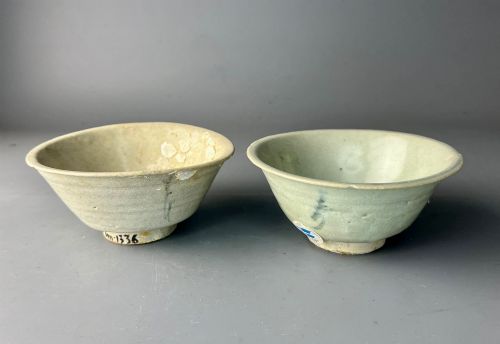
- A transparent jade-green glaze applied over a white porcelain body, valued for its subtle stone-like appearance.
- Imari
- A decorative style combining underglaze blue with iron-red and gilt highlights, inspired by Japanese export wares.
Qing Period Ceramic: Frequently Asked Questions
What is a qing period ceramic?
A qing period ceramic is a porcelain, earthenware or enamel vessel made in China during the Qing Dynasty, which lasted from 1644 until 1912.
These objects include utilitarian scholar's items, tableware and large decorative vases produced for imperial use or export.
How were these ceramics used originally?
Many items served practical functions in scholarly or domestic settings, such as holding writing brushes, serving food or storing liquids.
Larger chargers, vases and figurines were designed primarily for interior display and to demonstrate the wealth and taste of the owner.
How do I date a qing ceramic?
Dating relies on identifying reign marks, stylistic conventions, potting characteristics and the specific palette of enamels or glazes utilised.
Earlier pieces often feature cobalt blue or Famille Verte painting, whereas mid to late periods introduced eggshell porcelain and complex iron-red motifs.
How should I display qing ceramics at home?
These pieces suit stable wooden surfaces, dedicated display cabinets or mantelpieces where adequate lighting highlights their glazes and painted details.
Due to their historic nature, they benefit from placement away from direct sunlight and areas subject to sudden temperature changes.