
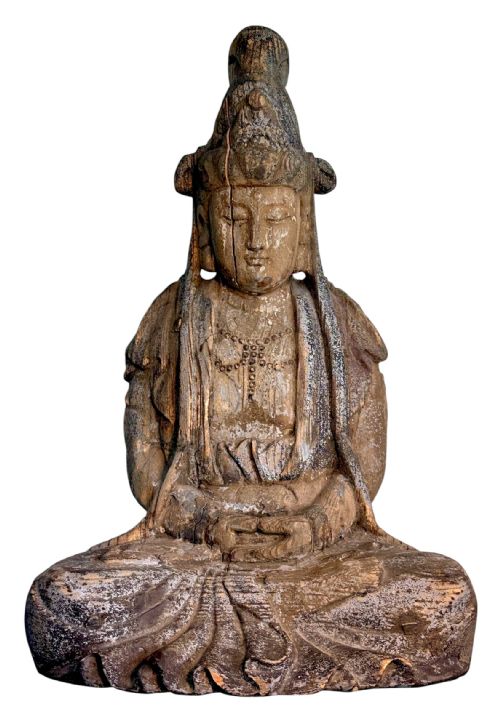


Qing Dynasty Wood Figure
When you search for a qing dynasty wood figure, you enter a world of hand-carved deities, immortals and temple guardians crafted from dense timbers.
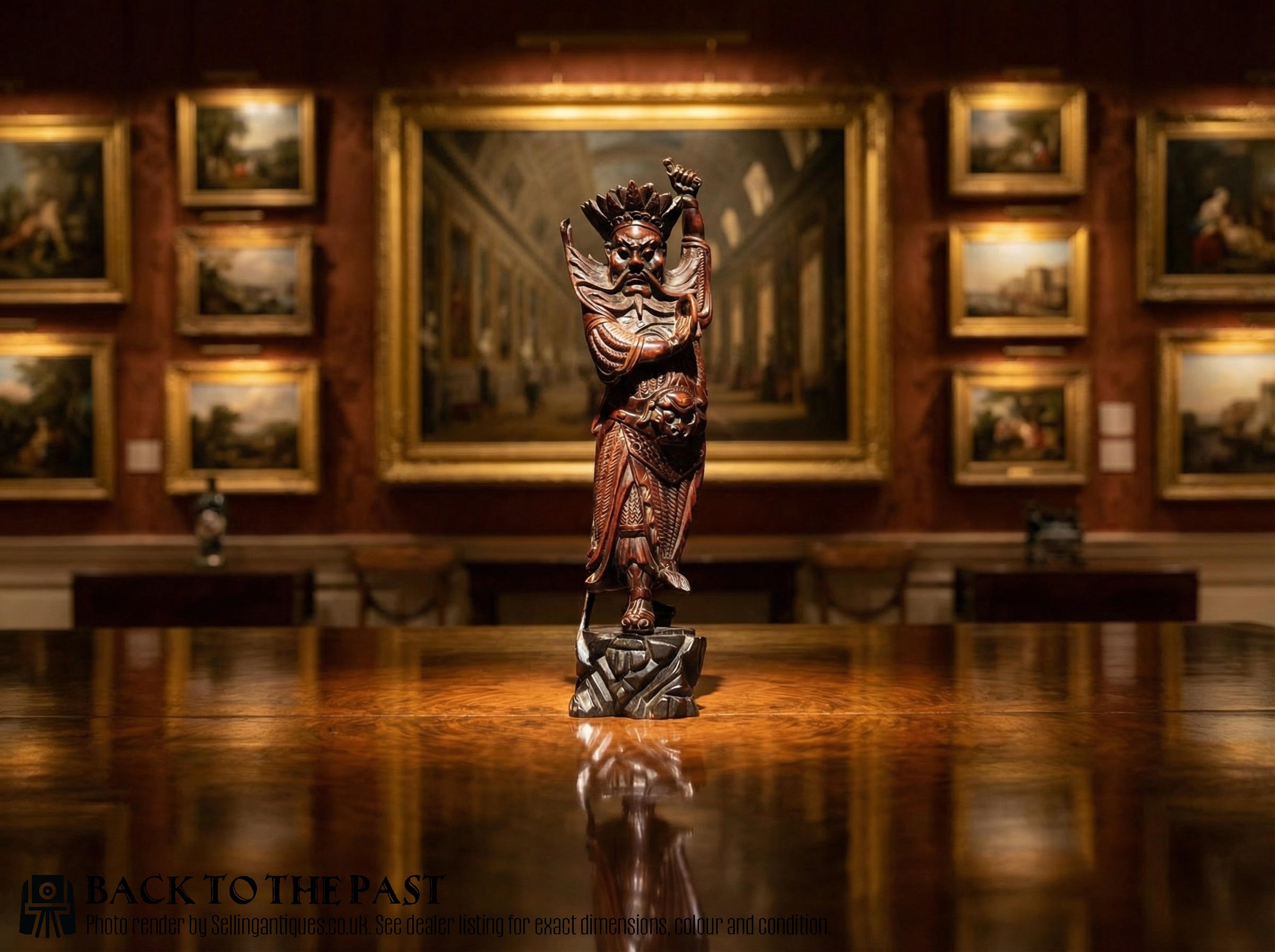
Qing Dynasty Wood Figure
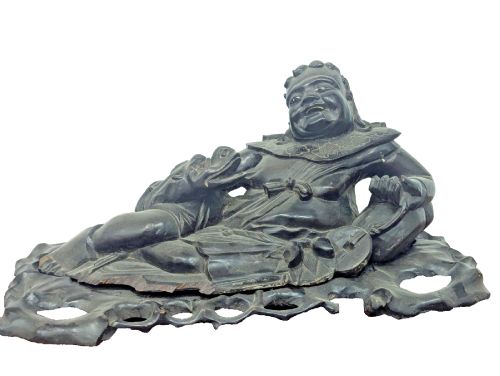
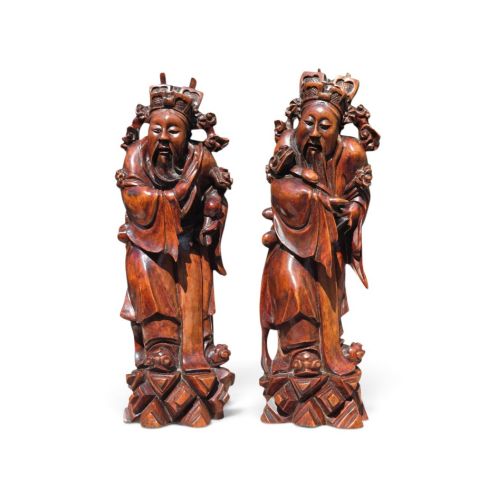
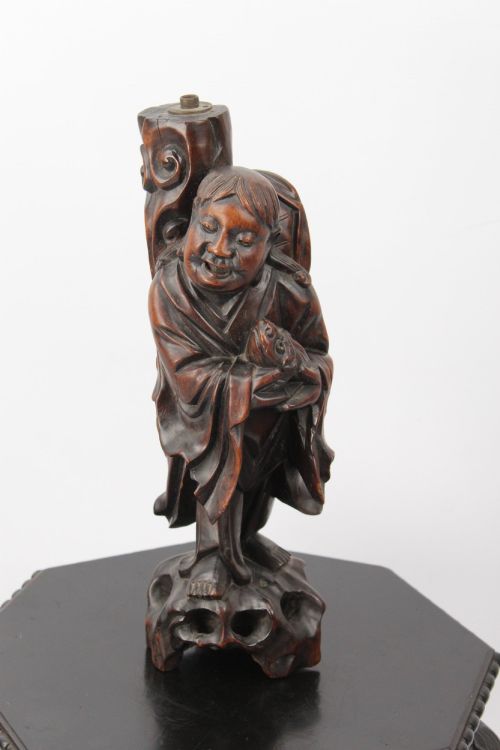
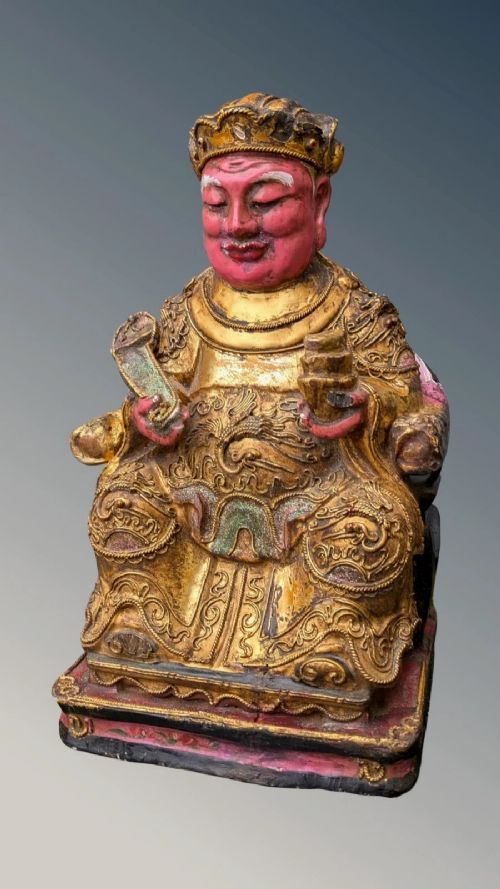
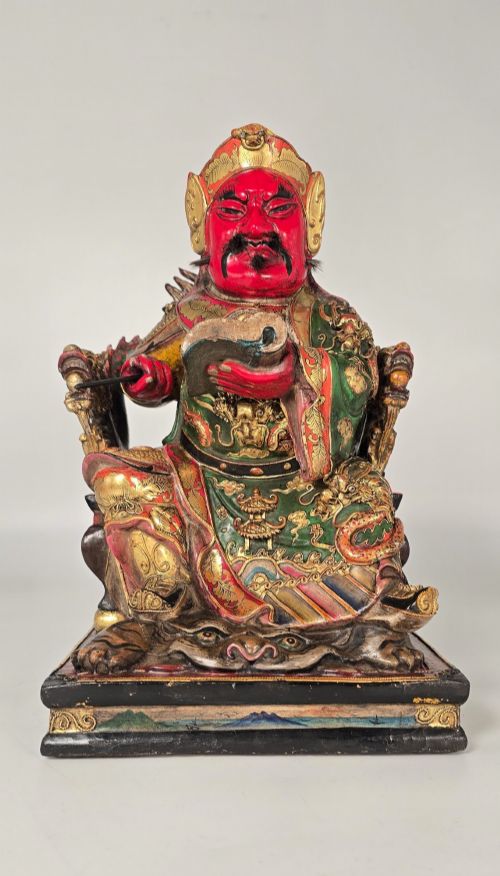
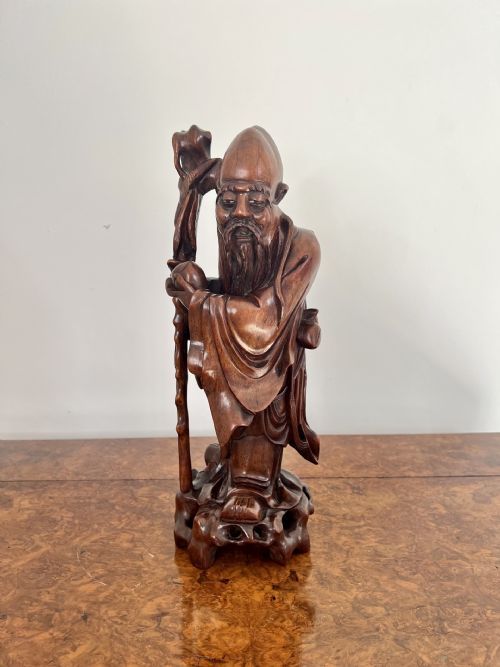
A qing dynasty wood figure represents a traditional carved sculpture from China originating during the Qing period, spanning deities, scholars, immortals and temple guardians. The pieces on this page range from monumental figures and temple guardians to table lamps and miniature figure groups, capturing figures such as Budai, Guanyin, Daoist immortals and civil officials.
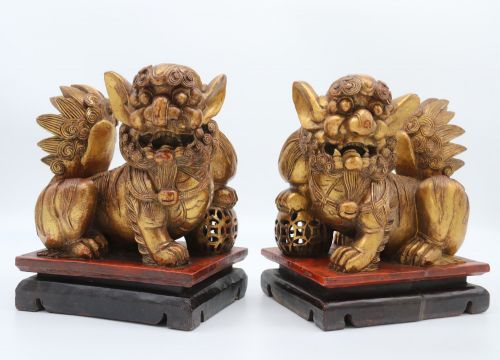
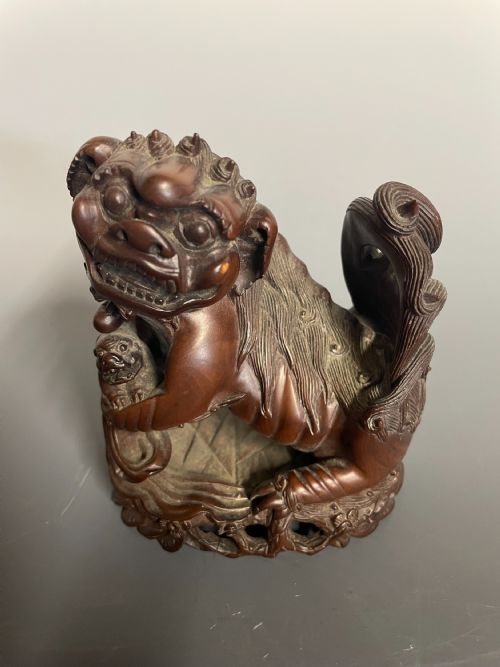
Most examples found here date from the nineteenth century, utilising dense hardwoods, root wood, and boxwood alongside painted polychrome finishes and gilt wood. The physical forms vary from small tabletop carvings to large temple figures, water buffaloes, elephants, and Foo dogs.
How they were made
Carvers shaped these works from dense hardwoods, boxwood, and organic root wood, following the natural contours of the timber to form figures, animals, and scholars. Artisans frequently applied gesso, gold leaf, and polychrome paint to the wood surfaces to depict rich robes and facial expressions.
Many sculptures utilised high relief carving techniques, while others incorporated lacquered finishes and hand-painted details. Specific items such as temple figures combine structural wood joinery with intricate surface gilding and pigment layers.
Materials recorded across the inventory include boxwood, burr root wood, brass, lacquer, and gold leaf.
What varies in quality
Surface treatments also set pieces apart, distinguishing simple polished timber from those enhanced with well-preserved gold leaf, delicate lacquer, and layered polychrome paint.
The Qing Dynasty Wood Figure Glossary
- Hardwood
- Dense, slow-growing timber used by carvers for structural stability and intricate detail work. It resists warping and takes a fine polish.
- Root wood
- Timber sourced from the root systems of trees, prized for gnarled, twisting natural shapes that carvers incorporated into scholar and animal figures.
- Polychrome
- Painted in several colours. This surface treatment decorated temple figures and deities with lifelike garments.
- Gilt wood
- Wood coated with a thin layer of gold leaf or gold powder. It appears on Buddhist lions, temple guardians, and shrine figures.
- Foo Dog
- A traditional guardian lion depicted in pairs outside temples and palaces. They frequently appear in wood and root wood carvings.
Qing Dynasty Wood Figure: Frequently Asked Questions
What is a qing dynasty wood figure?
A qing dynasty wood figure is a hand-carved sculpture created in China between the seventeenth and early twentieth centuries. These pieces depict deities, immortals, scholars, and mythological animals.
They reflect the religious and cultural traditions of the period, utilising materials such as dense hardwood, boxwood, and root wood.
How were these figures used originally?
Many figures served devotional purposes in temples and household shrines, representing Buddhist, Daoist, or folk deities. Others functioned as scholar's desk ornaments, auspicious symbols of longevity, or architectural elements.
Larger statues stood as temple guardians, while smaller carvings were kept in private rooms for contemplation.
How do I care for an antique wood figure?
Keep wooden sculptures away from direct sunlight and sudden temperature changes to prevent the timber from splitting. Dust them gently with a dry, soft cloth.
Avoid using water, oils, or chemical polishes, particularly on pieces with polychrome paint, lacquer, or gold leaf.
How can I tell the age of a carved figure?
Dating relies on stylistic clues, garment styles, carving techniques, and the natural ageing of the wood surface. Eighteenth-century pieces often display different tool marks and wear patterns compared to nineteenth-century works.
Examining the base and interior construction helps determine the historical context.