

Qing Dynasty Style
Qing dynasty style objects bring the rich texture of traditional craftsmanship and historic design into contemporary spaces.
Qing Dynasty Style
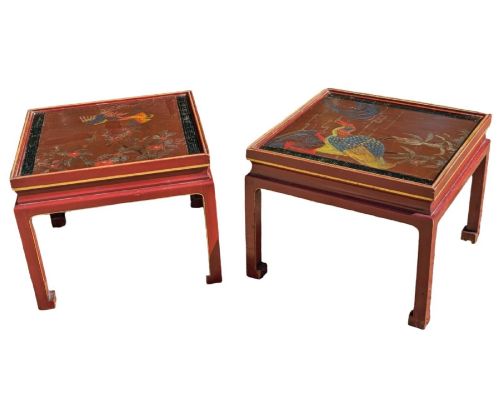
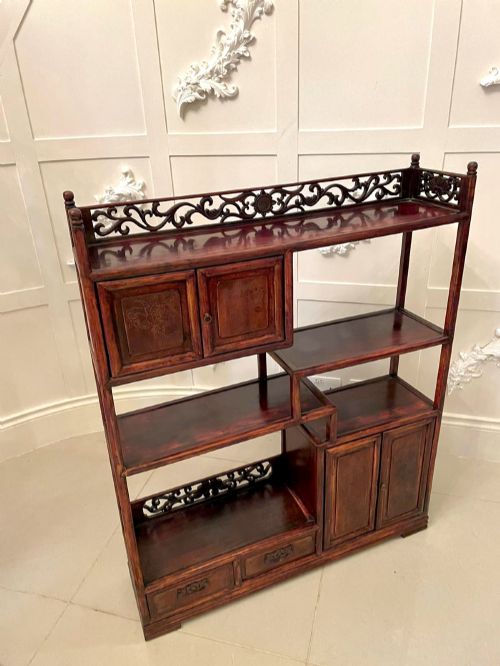
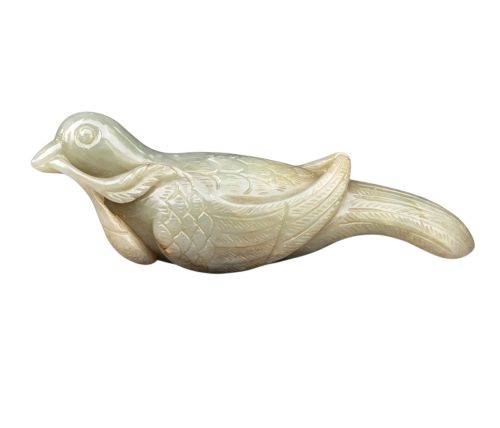
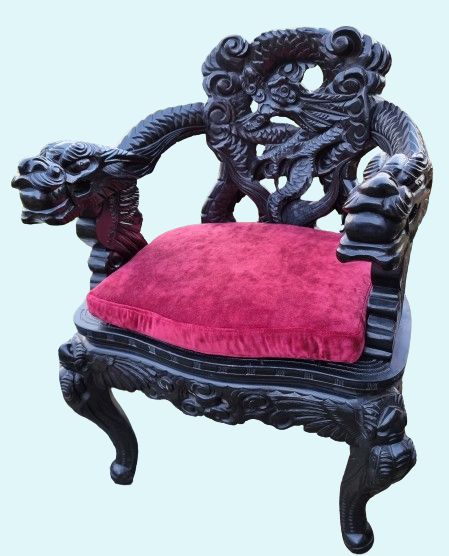
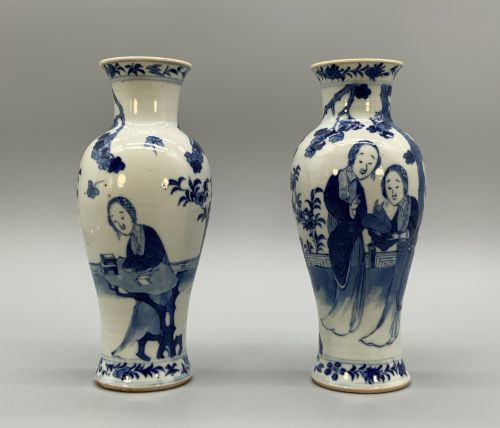
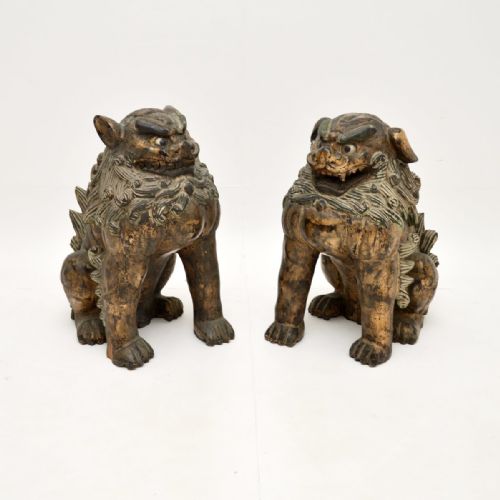
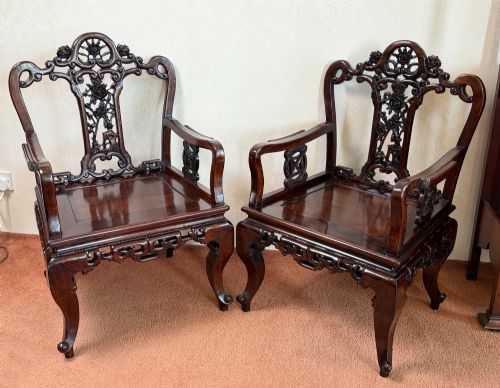
Items associated with qing dynasty style cover a diverse selection of domestic furnishings and decorative arts spanning from the eighteenth century into the twentieth century. These pieces reflect historic Chinese aesthetics through forms such as armchairs, display cabinets, occasional tables, and ceramic vessels.
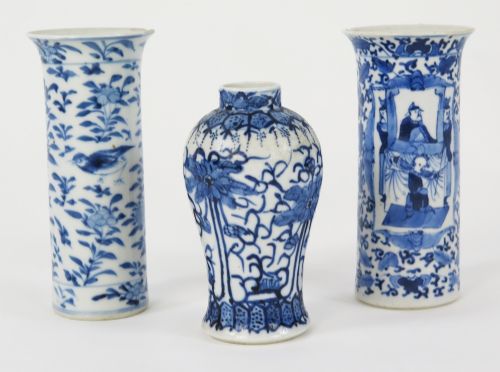
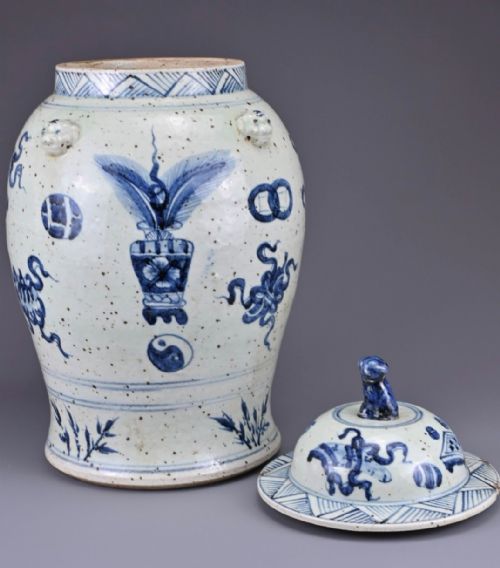
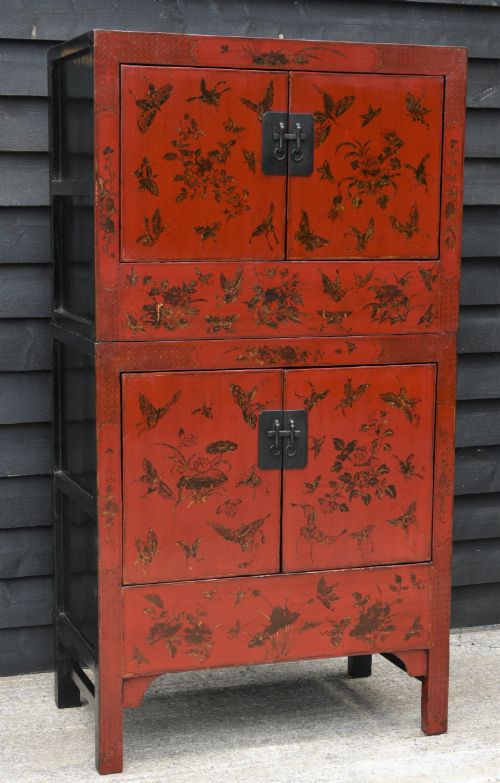
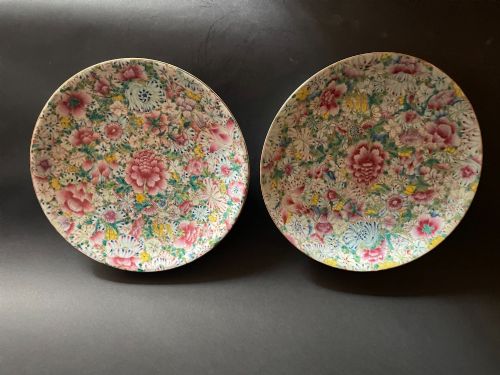
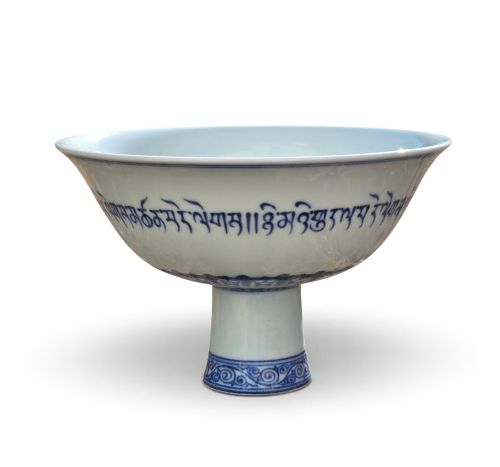
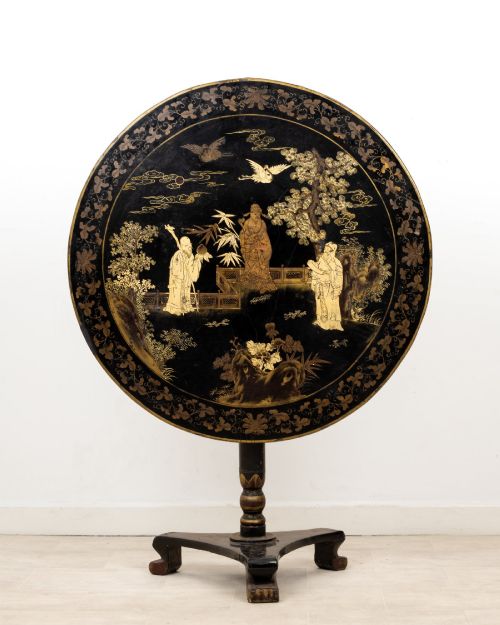
The assortment includes hardwood seating with intricate carving, porcelain in blue and white or famille rose palettes, and lacquered wood furniture. Buyers frequently encounter nineteenth-century productions alongside pieces bearing earlier stylistic references.
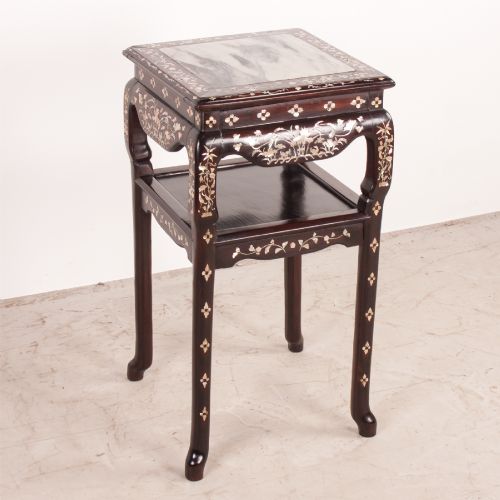
Functional items range from pedestal stands and plant tables to bowls, dishes, and lidded jars. Each object demonstrates the enduring influence of imperial workshop designs on later craftsmanship.
Materials and Methods
Hardwoods such as hongmu and huanghuali form the structural core of seating, tables, and cabinets. Artisans utilised dense timbers to achieve deep relief carvings and smooth joints without mechanical fasteners.
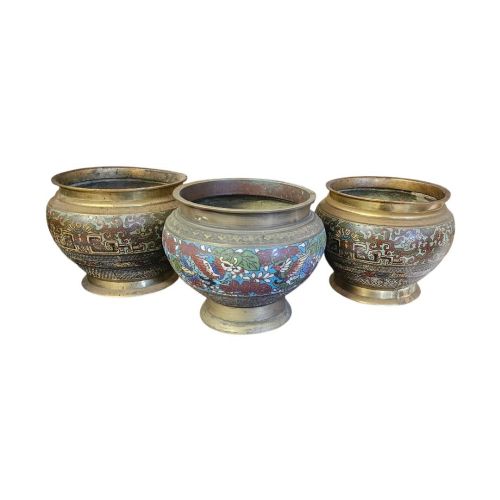
Ceramic pieces rely on mineral glazes, underglaze blue pigments, and enamel applications fired at high temperatures. Copper and bronze items incorporate champlevé enamel work and cast details.
Lacquered surfaces build up multiple layers of resin to create deep red or black finishes, often paired with mother-of-pearl inlay or gilt wood elements.
Current listings feature items executed in porcelain, hardwood, enamel, lacquer, and marble across multiple centuries.
Assessing Craftsmanship
The distinction between ordinary and superior pieces rests on the crispness of the carving and the selection of raw materials. Fine hardwood furniture displays tight grain patterns and balanced proportions, while lesser examples rely on heavier, unrefined timber.
Surface decoration reveals the skill of the maker through the precision of painted enamel, the even coverage of ceramic glazes, and the secure setting of inlay work. Finer ceramics exhibit controlled brushwork and subtle tonal variations in the blue and white pigments.
The Qing Dynasty Style Glossary
- Famille rose
- A palette of opaque enamels introduced in the eighteenth century, dominated by pink or rose colours derived from colloidal gold. This technique allowed for softer tonal gradations in floral and figural motifs.
- Doucai
- A ceramic technique combining underglaze blue outlines with overglaze enamel infill. The painted elements sit within the blue borders to create a contrasting design.
- Hongmu
- A translation meaning red wood, used to describe dense, dark tropical hardwoods favoured for traditional Chinese furniture. It includes timbers such as dalbergia and pterocarpus species.
- Cinnabar
- A bright scarlet mineral used to create carved lacquerware. Artisans applied numerous layers before carving deep pictorial scenes into the hardened surface.
- Celadon
- A pale green or grey-green ceramic glaze designed to mimic the appearance of jade. The subtle coloration results from iron oxide reacting in a reduction kiln.
Qing Dynasty Style: Frequently Asked Questions
How do I date qing dynasty style furniture?
Dating relies on examining the timber density, construction methods, and the style of the carving. Nineteenth-century pieces often show heavier proportions and specific patination compared to earlier examples.
Secondary materials like brass hardware and internal joinery provide further clues to the age of the piece.
What is the difference between porcelain types?
Blue and white porcelain utilises cobalt oxide painted directly onto the clay body beneath a clear glaze before firing. Famille rose and doucai pieces introduce coloured enamels applied over the fired glaze.
Each technique produces distinct visual textures and colour depths that define the ceramic category.
How should I care for lacquered wood?
Lacquered surfaces require stable indoor humidity and protection from direct sunlight to prevent drying and cracking. Dusting with a soft, dry cloth maintains the finish without chemical polishes.
Keeping items away from direct heat sources preserves the underlying wood and lacquer layers.
Where were these decorative objects placed?
Display cabinets, pedestal stands, and occasional tables served functional and decorative roles within traditional scholar spaces and reception rooms. Vases and bowls held seasonal plants or served as display pieces.
Larger furniture items like armchairs and benches organised seating areas in formal rooms.