


Oriental Blue White
Oriental blue white pieces unite centuries of ceramic artistry across China, Japan, and Britain, offering collectors vibrant cobalt decoration on enduring porcelain and pottery.
Oriental Blue White
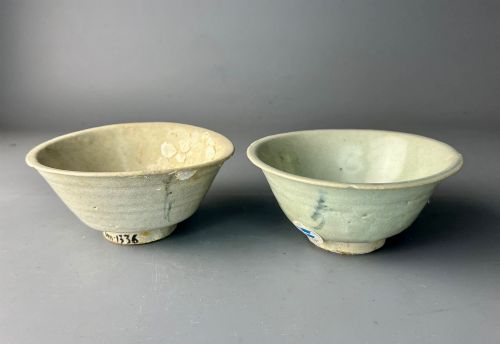
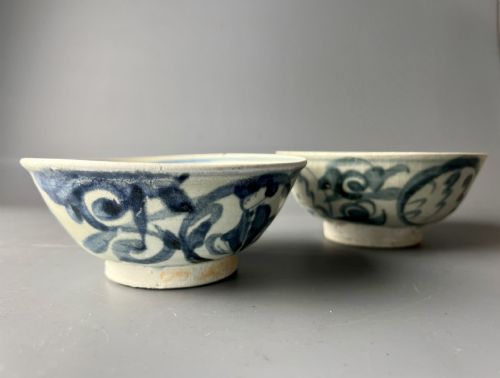
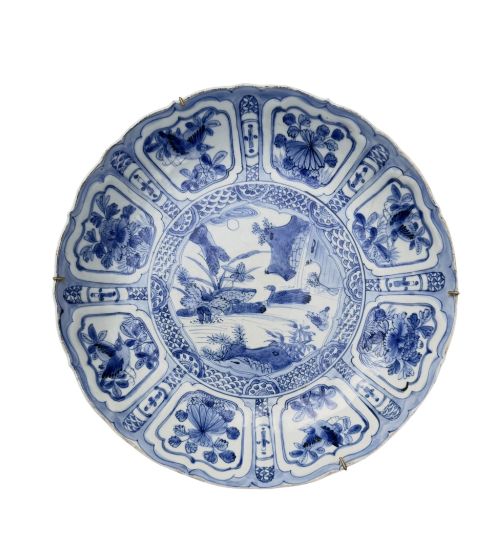
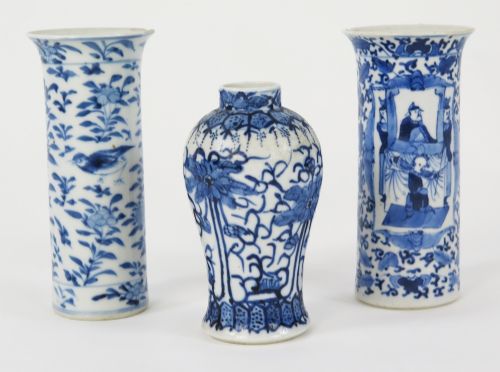
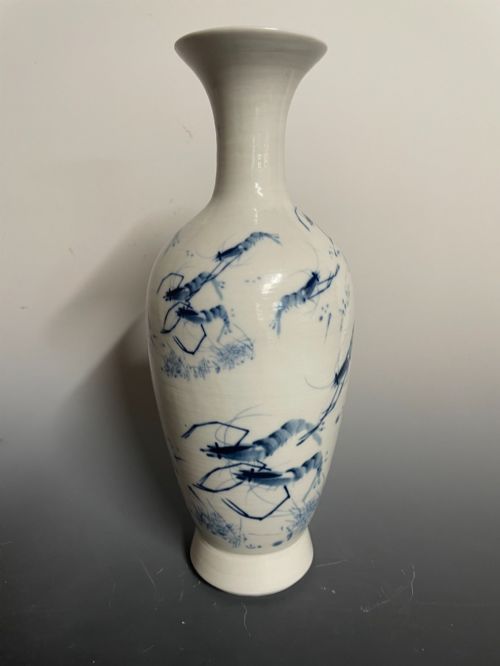
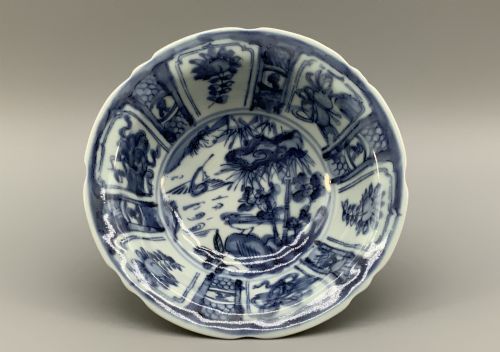
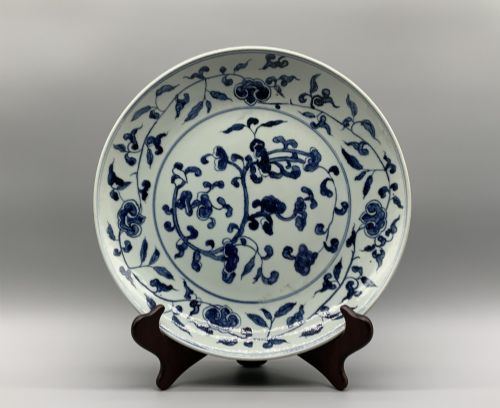
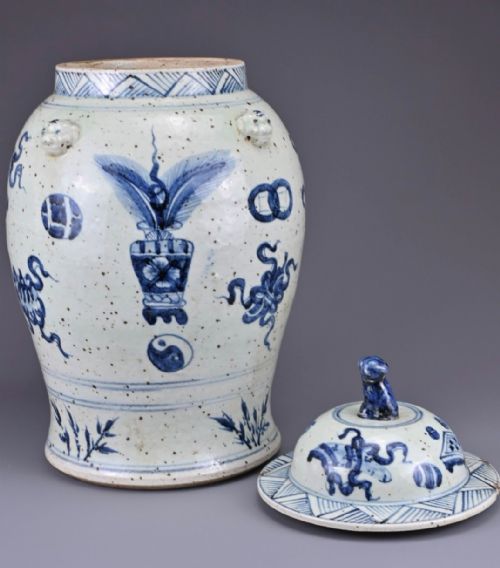
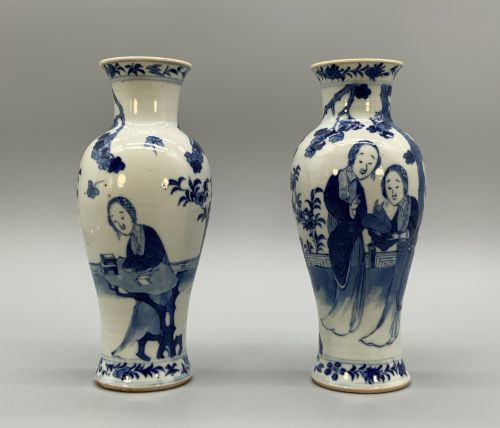
Oriental blue white encompasses a vast tradition of ceramic vessels, decorative plates, and large chargers spanning from the seventeenth century through to the twentieth century. These pieces display cobalt pigments painted directly onto clay before glazing and firing, creating crisp contrast against pale ceramic surfaces.
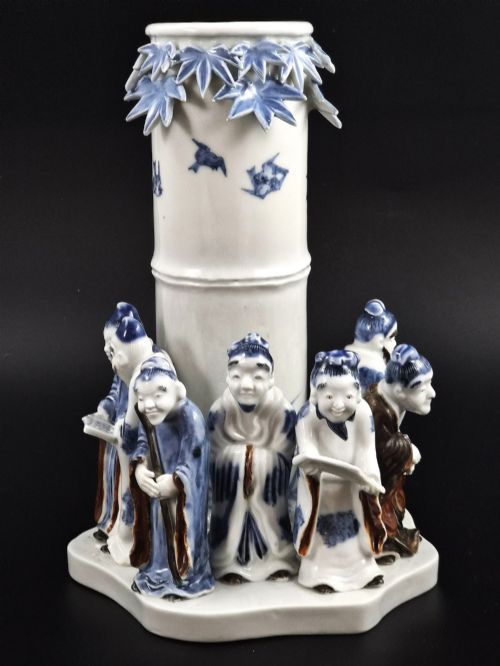
The selection ranges widely from Chinese Ming and Qing dynasty export porcelain and Japanese Arita imari wares to English Georgian and Victorian transferware interpretations. Vases, ginger jars, punch bowls, and umbrella stands dominate the forms encountered in this category.
Collectors frequently encounter seventeenth and eighteenth-century Kangxi period specimens alongside later nineteenth-century revival styles and domestic pottery adaptions. Each era contributes distinct regional motifs, from traditional dragon patterns to scenic garden views.
Materials and technique
Potters achieved the iconic cobalt decoration by applying underglaze blue pigments onto ceramic bodies formed from porcelain, earthenware, or ironstone. Subsequent high-temperature kiln firings bonded the pigment permanently beneath a clear or crackled glaze.
Many items incorporate supplementary materials like enamel highlights or brass mounts, particularly when converted into table lamps during later periods. Specialised techniques such as transfer printing defined the English Georgian and Victorian iterations of the style.
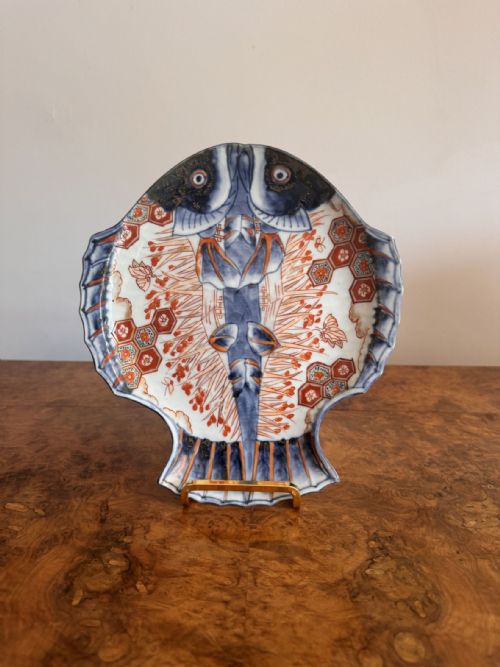
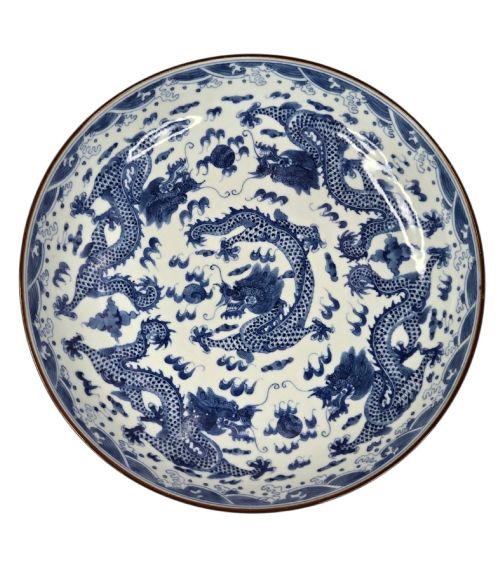
Fish-shaped plates swim alongside fierce five-clawed dragons.
Factors of distinction
Depth and precision of the cobalt underglaze painting separate standard production wares from masterworks, with finer pieces exhibiting nuanced brushwork and rich tonal variation. The clarity of the white ground and the crispness of the final glaze application further distinguish superior examples.
Structural complexity, such as lobed rims, scalloped edges, or unusually large charger formats, indicates higher ambition from the maker. Complete forms with matching lids or original surfaces preserved through centuries hold distinct advantages over heavily restored pieces.
John Rogers And Son·Hicks And Meigh
The Oriental Blue White Glossary
- Cobalt Underglaze
- A blue metallic pigment applied to raw ceramic bodies prior to glazing and firing. This technique protects the decoration beneath a glassy surface layer for lasting durability.
- Kangxi Period
- A significant era of Qing dynasty porcelain production dating from 1662 to 1722. Pieces from this time are celebrated for brilliant cobalt hues and meticulous botanical or figural painting.
- Imari
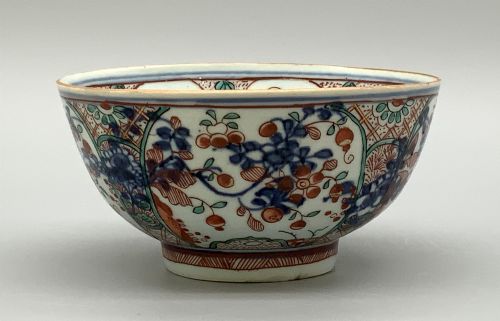
- A style of Japanese export porcelain featuring underglaze blue combined with iron red and gilt details. Originating in Arita, these vibrant wares gained immense popularity in European households.
- Transferware
- A nineteenth-century decoration method where engraved copper plates transferred printed patterns onto pottery before glazing. This innovation allowed intricate scenic designs to be reproduced rapidly.
- Jardiniere
- A large ornamental pot or planter designed to hold growing plants or flowers. These heavy ceramic vessels frequently feature wrap-around blue and white landscapes.
Oriental Blue White: Frequently Asked Questions
How do I date oriental blue white porcelain?
Dating relies on examining stylistic markers, potting techniques, and foot rim characteristics unique to periods like the Kangxi reign or Qing dynasty.
Changes in cobalt hue intensity and glaze texture also provide reliable clues for distinguishing seventeenth-century production from later nineteenth-century revivals.
Were these pieces made for export?
Many Chinese and Japanese ceramics were specifically produced for Western markets, adapting traditional Eastern motifs to European tastes.
Chinese export porcelain often combined domestic imperial styles with shapes demanded by international trade houses.
How should I clean antique blue white ceramics?
Gentle washing in warm water with mild soap preserves the fragile glaze and historic surfaces of older porcelain and pottery.
Harsh chemical cleaners and abrasive scouring pads must be avoided entirely to prevent permanent scratching of the cobalt decoration.
What is the difference between porcelain and ironstone?
Porcelain is a vitrified ceramic fired at extremely high temperatures, resulting in a dense, translucent white body.
Ironstone is a heavier, opaque earthenware developed in Britain to mimic porcelain durability, often utilised for robust items like platters and umbrella stands.