
Qing Dynasty Pot
When you handle a qing dynasty pot, you hold centuries of refined craft in porcelain, bronze, hardwood, or jade.
Qing Dynasty Pot
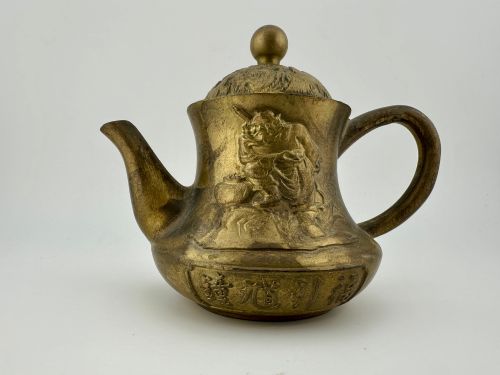
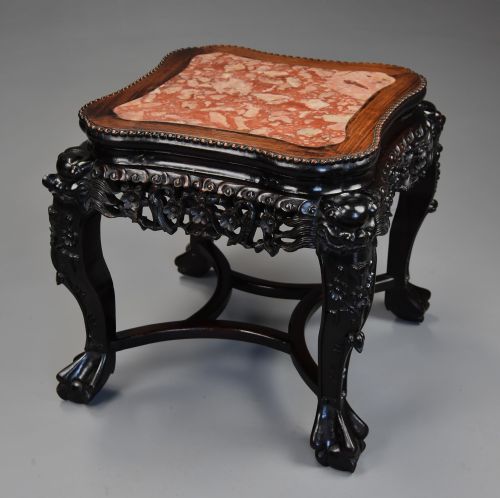
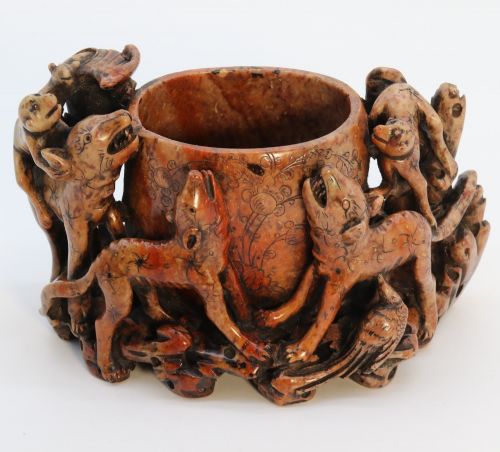
A qing dynasty pot encompasses a diverse array of utilitarian and decorative vessels created during the final imperial dynasty of China. These items range from scholarly brush pots and tea vessels to substantial bronze censers, jardinières, and carved hardwood stands.
The objects encountered on this page frequently originate from the eighteenth and nineteenth centuries, reflecting the varied aesthetic demands of both domestic scholarly pursuits and international trade. Forms span from simple blue and white porcelain cylinders to complex cloisonné and cast metal containers.
Buyers will find a distinct emphasis on scholar's studio accessories, particularly brush pots, alongside larger planters and ritual bronzes. These functional forms served distinct roles in traditional Chinese interiors, from desk organisation to ancestral veneration.
Materials and construction
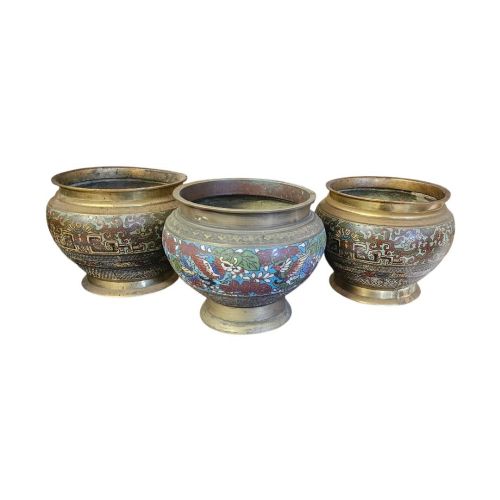
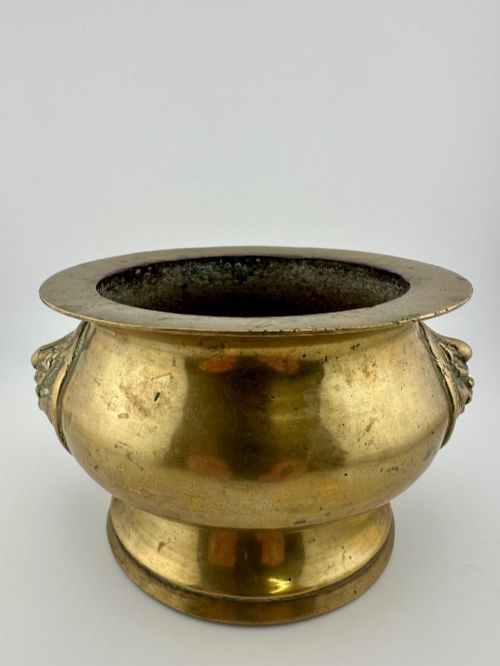
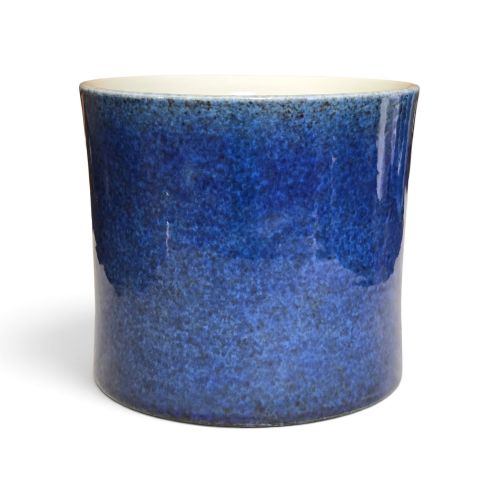
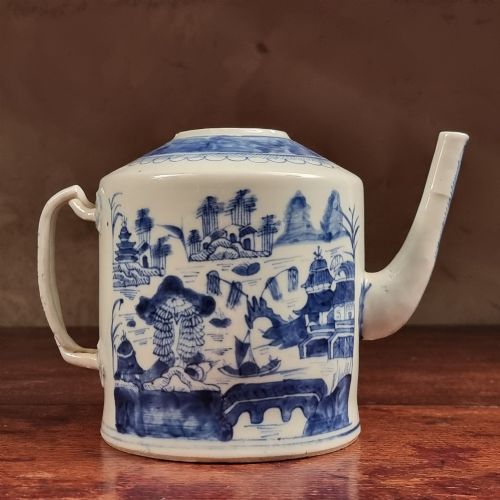
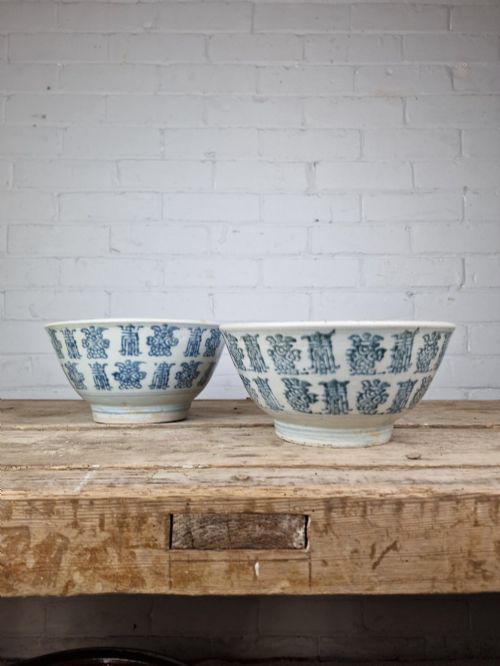
Pottery and porcelain pieces utilise refined clays finished with specialised mineral glazes, including blue and white pigments, monochrome powder-blue, and polychrome enamel applications like famille rose. Bronzes and brass objects employ traditional casting methods, often enhanced with champlevé enamel or detailed chased motifs such as dragon and phoenix imagery.
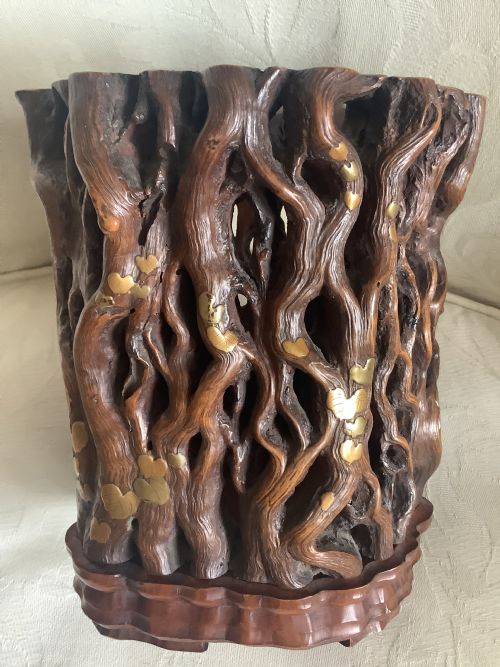
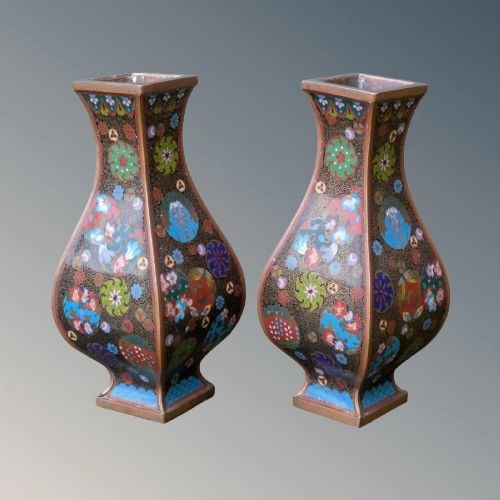
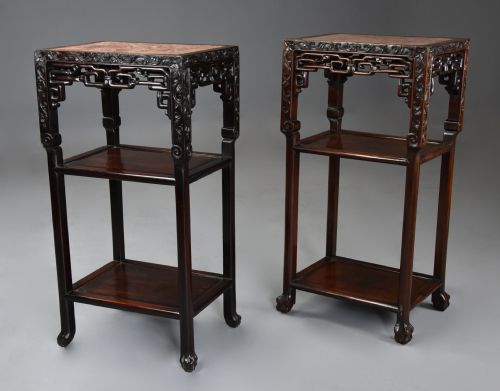
Organic materials receive equally meticulous attention, with dense hardwoods carved into intricate plant stands and soapstone or jade shaped into smooth, tactile vessels. Cloisonné items build complex surface designs through wire soldered to metal foundations before filling the compartments with vitreous enamel pastes.
Judging execution and finish
Quality reveals itself in the precision of the carving, the stability of the cast, and the clarity of the glaze or enamel work. Finer examples display deliberate proportions, crisp decorative details, and a tactile finish that demonstrates superior technical control by the artisan.
Weight and balance serve as reliable indicators in metalwork and stone, where substantial mass and smooth patination denote superior raw materials and careful finishing. Lesser examples often show hurried surface treatment, less defined casting marks, or inconsistent glaze distribution across the body.
The Qing Dynasty Pot Glossary
- Bitong
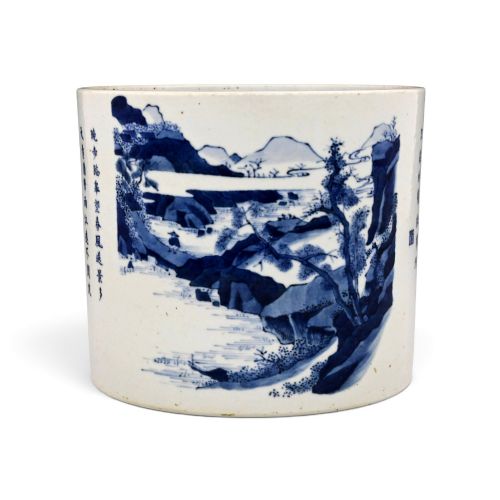
- A cylindrical vessel traditionally used in the scholar's studio to hold writing brushes. These containers appear in porcelain, bamboo, hardwood, and jade.
- Censer
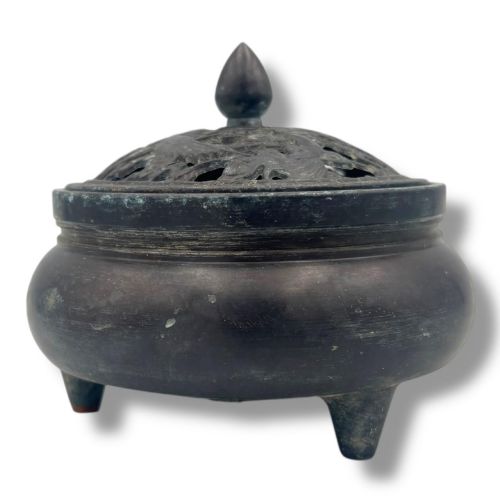
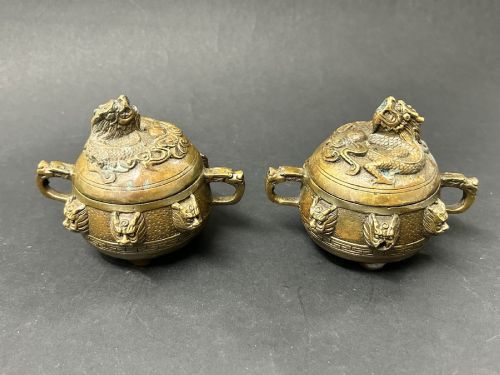
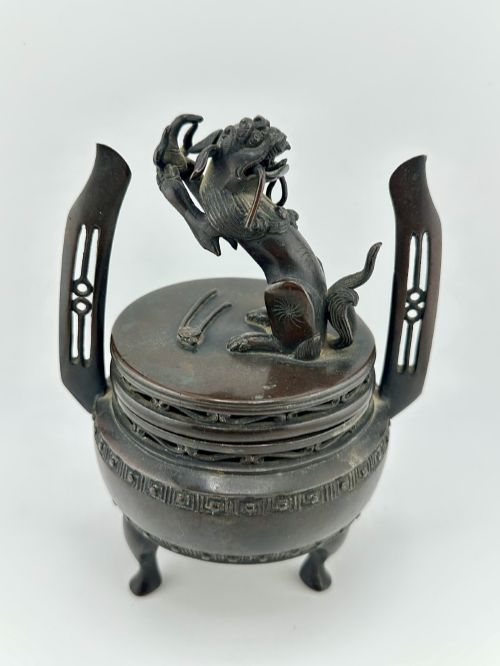
- A ritual vessel designed for burning incense, commonly cast in bronze or brass with tripod supports and animal mask handles. They often feature domed covers with figurative finials.
- Famille Rose
- A palette of opaque enamel colours introduced in the eighteenth century, dominated by pink and rose hues used to render floral and figural scenes on porcelain.
- Cloisonné
- An enamelling technique where metal strips are soldered to a base to form compartments filled with paste and fired. This creates intricate multicoloured surface patterns.
- Jardiniere
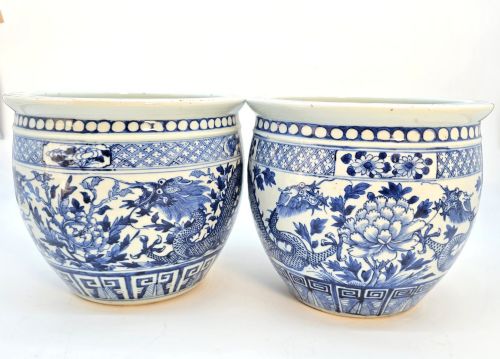
- A decorative pot or container designed to hold growing plants or flowers. These items are frequently potted in heavy porcelain or glazed earthenware.
Qing Dynasty Pot: Frequently Asked Questions
How are bronze censers dated?
Bronze censers are dated by evaluating their casting weight, patination, handle style, and any reign marks stamped on the base. Stylistic cues such as tripod legs and qilin finials offer further period context.
Examining the wear patterns and metal composition helps distinguish pieces made during specific imperial reigns from later revival items.
What distinguishes famille rose porcelain?
Famille rose porcelain is defined by its opaque pink or rose enamel palette, which allowed artists to achieve subtle tonal gradations in floral and figural designs. This technique emerged during the Qing dynasty and transformed ceramic decoration.
Pieces decorated in this style frequently depict detailed court scenes, birds, and natural landscapes rendered with exceptional precision.
Where should hardwood pot stands be placed?
Hardwood pot stands serve as low display tables or supports for heavy jardinières, vases, and ornamental stones. Their sturdy construction and inset marble panels provide a stable, level surface.
In living spaces, they elevate decorative objects to create balanced interior arrangements while showcasing the dense grain of woods like huanghuali or zitan.