


Carved Bronze Pot
A carved bronze pot brings centuries of sculptural craft into a room, offering heavy metal vessels shaped for display and ritual.
Carved Bronze Pot
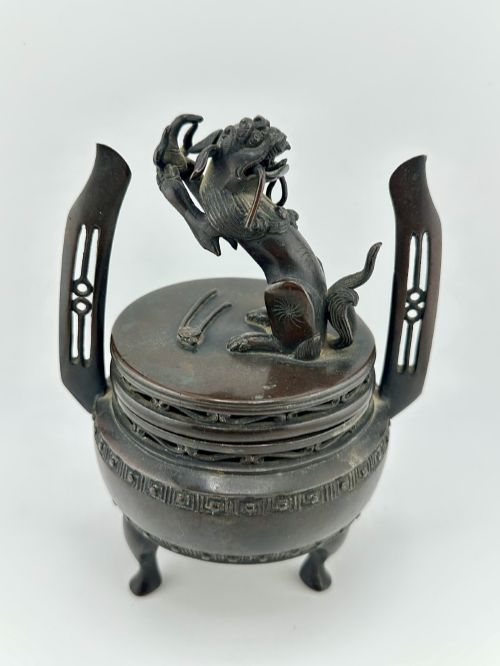
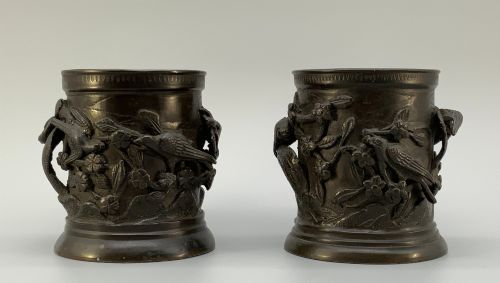
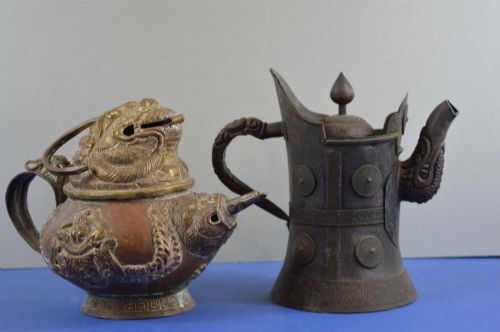
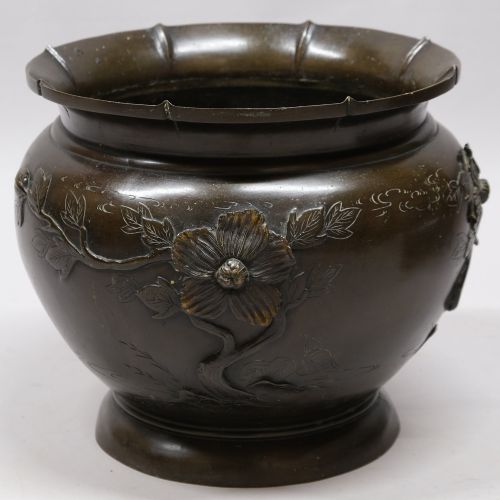
When you search for a carved bronze pot, you encounter heavy metal vessels spanning centuries of Asian, African, and European decorative arts. The selections on this page centre on jardinieres, planters, incense burners, and vases originating from Chinese Qing and Ming dynasties, Japanese Meiji and Edo periods, and Tibetan workshops.
The most common forms you meet here are large Japanese jardinieres and Chinese bronze bowls intended for plants or ceremonial use. These range from heavy nineteenth-century planters to ritual ewers and smaller decorative desk pots in bronze, patinated bronze, and brass.
Materials and construction
These vessels rely primarily on cast bronze, brass, and patinated bronze, occasionally complemented by copper, cast iron, enamel, and zitan wood stands. Metal was poured and shaped into substantial bowls, urns, and vases before receiving surface treatments.
Makers utilised deep hand carving and chasing techniques to articulate intricate designs directly onto the metal surface. Cloisonne enamel lids and specialised patination were applied to achieve varied textures and coloured details.
Listings feature works from the 16th century through the Edwardian era, spanning Chinese, Japanese, Tibetan, Indian, and African origins in bronze, brass, and copper.
Distinctions in quality
Quality rests in the crispness of the hand-carved and chased decoration, where deeply defined motifs separate superior sculptural vessels from simpler cast items. The weight of the metal and the complexity of surface finish distinguish standard utilitarian containers from fine exhibition pieces.
The integrity of the patination and the harmony of associated elements, such as contemporary zitan stands or fitted covers, elevate certain pieces. Superior examples demonstrate confident proportions and precise detailing across the body and handles.
The Carved Bronze Pot Glossary
- Patinated bronze
- Bronze treated with chemical solutions to produce a controlled surface colour and aged appearance. This finish protects the underlying metal while enhancing visual depth.
- Jardiniere
- An ornamental pot or stand designed to hold growing plants or flowers. These heavy metal vessels often feature wide rims and decorated bodies.
- Chasing
- A metalworking technique where details are hammered into the front surface of the bronze using punches. This process sharpens and refines cast ornamentation.
- Zitan wood
- A dense, dark hardwood traditionally used in fine Asian furniture and stands. It frequently accompanies significant bronze vessels as a fitted base.
Carved Bronze Pot: Frequently Asked Questions
What is a carved bronze pot used for?
These vessels historically served both practical and ritual functions, acting as planters for greenery, burners for incense, and containers for liquids. In modern spaces, they function primarily as sculptural decorative objects.
Larger jardinieres accommodate heavy plants, while smaller bowls and vases sit on desks or tables to display floral arrangements.
How do I date a bronze vessel?
Dating relies on stylistic markers tied to specific dynasties, reigns, and periods such as the Ming Dynasty, Qing Dynasty, or Japanese Meiji period. Details in the casting methods and decorative motifs offer strong clues to the era of production.
Material composition and the nature of the hand-carved decoration also help narrow down the manufacturing timeframe.
Are these pots made of solid bronze?
The listings comprise pieces made from bronze, patinated bronze, and brass, along with occasional copper and cast iron components. These materials provide the substantial weight characteristic of the category.
Each metal reacts differently to age and environment, producing distinct surface patinas over decades of handling.
How should I clean an antique bronze pot?
Antique metal benefits from minimal intervention to preserve the historic surface patina accumulated over generations. Dusting with a soft, dry cloth is generally sufficient for regular maintenance.
Harsh chemical cleaners and abrasive polishes strip away desirable patination and diminish the historical character of the hand-carved decoration.