




Qing Dynasty Plant Pedestal
A qing dynasty plant pedestal brings elevated display space to a room, using dense timber and stone to hold heavy ceramic vessels.
Qing Dynasty Plant Pedestal
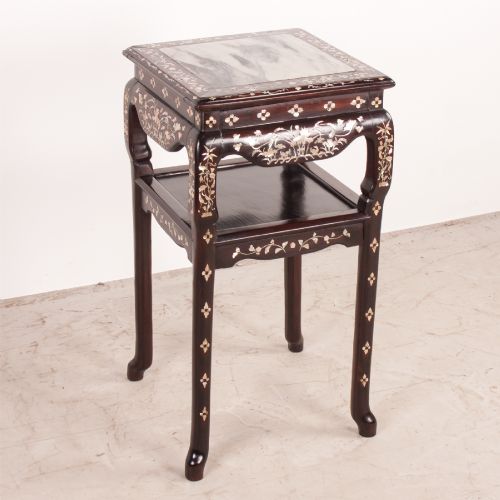
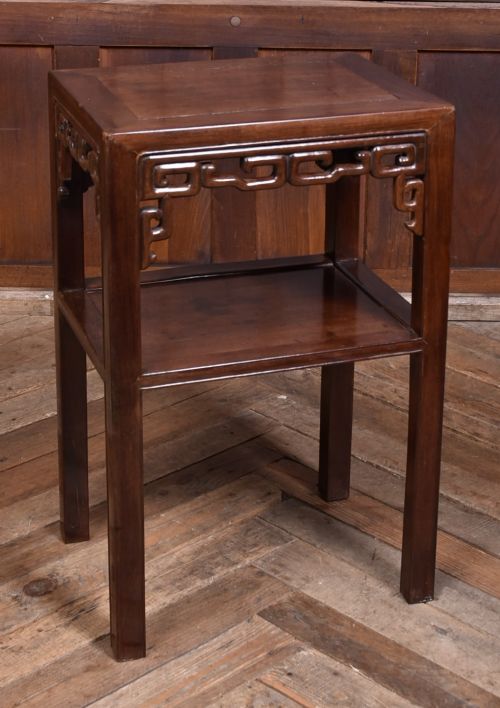
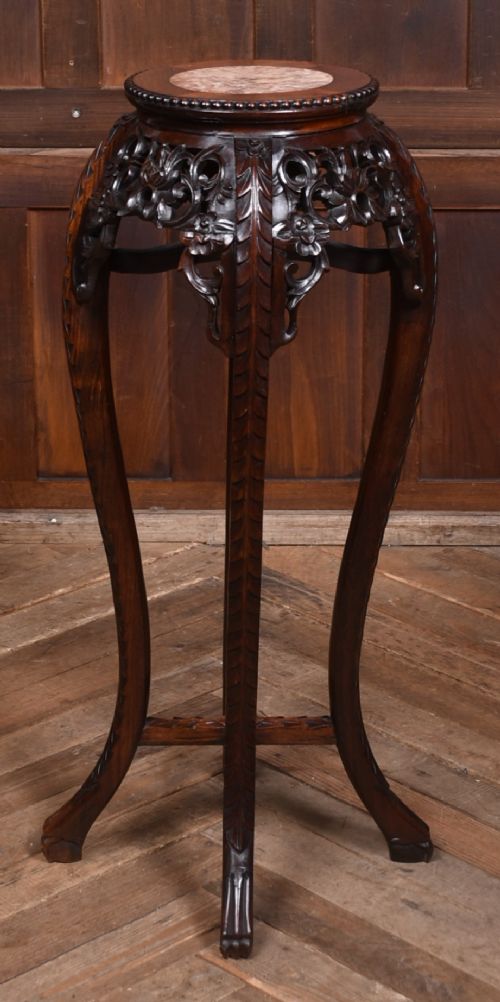
When searching for a qing dynasty plant pedestal, a buyer encounters low stools, tall torchères, and multi-tiered urn stands designed to elevate heavy ceramic planters. These objects serve primarily as structural supports for decorative flora inside a reception room or hall.
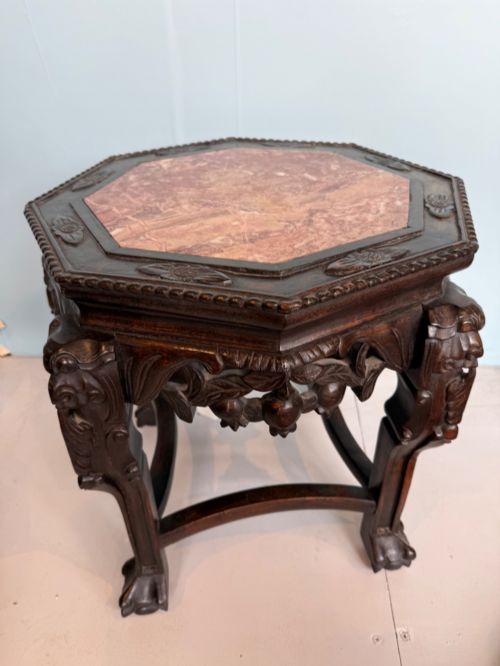
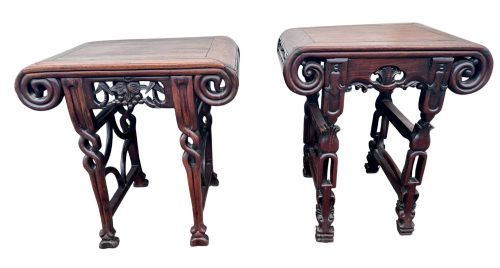
The pieces appearing on this page date predominantly from the nineteenth century, including specific decades such as eighteen-eighty and eighteen-ninety, alongside Victorian and Edwardian catalogued entries. Forms vary from square pot tables to circular vase stands with inset stone surfaces.
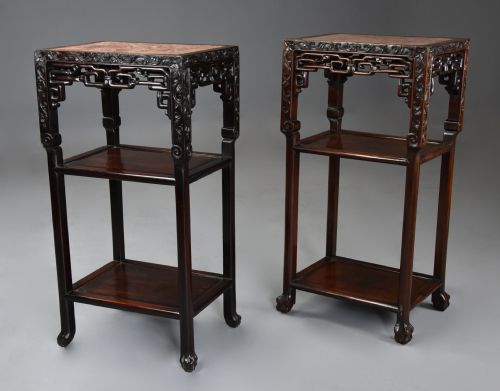
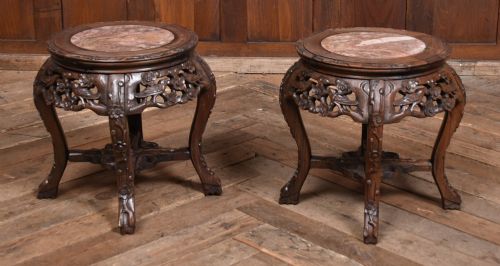
Makers shaped these items as individual furnishings or matched pairs for balanced interior placement. The functional top surface sits securely upon carved aprons and legs, reflecting traditional Chinese woodworking principles adapted for export and domestic markets.
How they were made
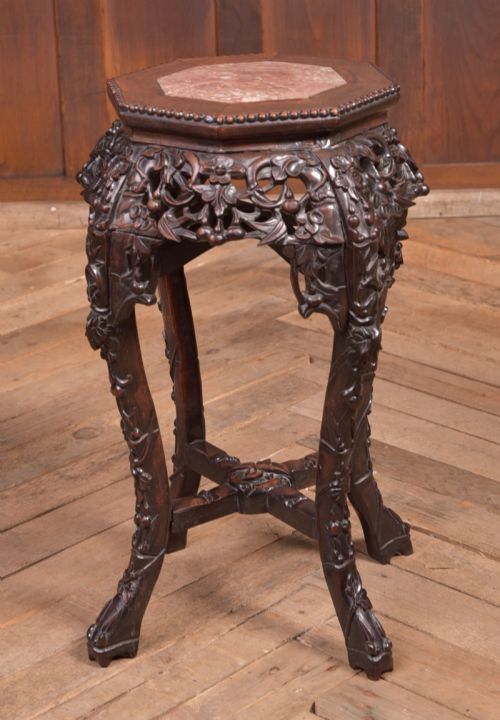
Carpenters utilised dense tropical timbers such as rosewood, padouk, hongmu, and huali for structural stability. These heavy woods allow deep, intricate relief carving along the aprons and cabriole legs without compromising weight-bearing capacity.
Many examples incorporate inset panels of white, grey, or rouge marble into the timber frame to provide a stable, cool surface resistant to moisture from watered plants. Alternative surfaces include mother-of-pearl inlay and quartz sections set within rootwood.
Joinery techniques rely on precise mortise and tenon construction, allowing the dense timber frames to expand and contract with seasonal humidity changes. Lacquer and ebonised finishes occasionally appear on the outer surfaces to seal the wood.
An unusual rootwood table listed here pairs gnarled natural timber growth with a deep quartz top, turning a forest anomaly into fine furniture.
What varies in quality
The depth and crispness of the hand carving dictate the overall grade of a stand. Superior examples show undercut foliage and pierced work with sharp botanical details, whereas lesser pieces feature shallow, mechanical incision.
The selection and fitting of the inset marble or stone top separates standard workshop output from finer commissions. High-grade stone displays natural fossilisation or balanced veining tightly fitted into the timber rebate without excessive filler.
Material density and timber selection also govern value within this category. Heavy, tightly grained hongmu and padouk retain structural integrity better over centuries than lighter mixed timbers or softwoods finished to imitate them.
The Qing Dynasty Plant Pedestal Glossary
- Jardiniere stand
- A tall or low table specifically constructed to hold a ceramic flower pot or plant container. These pieces typically feature water-resistant stone tops to protect the underlying timber frame.
- Hongmu
- A translation meaning red wood, used by Chinese artisans to describe dense, heavy tropical hardwoods prized for dark colouration. It provides exceptional strength for load-bearing pedestals.
- Torchere
- A tall stand or pedestal originally intended to support a light source such as a candle or lamp, later adopted for displaying tall floral arrangements. The elevated form suits narrow corners and entryways.
- Padouk
- A durable, reddish-brown tropical hardwood utilised in traditional Chinese furniture making. Its natural oils and high density make it suitable for intricate, weight-bearing carved legs.
Qing Dynasty Plant Pedestal: Frequently Asked Questions
What is a qing dynasty plant pedestal used for?
These pieces function as sturdy raised platforms designed to hold heavy ceramic jardiniere bowls, bronze urns, and decorative floral displays within a room. By elevating the vessel, the stand protects flooring from moisture and showcases the plant at eye level.
Historically, placing large flora upon an elevated pedestal created focal points in traditional reception halls and parlours. Today, collectors continue to utilise them for interior styling alongside lamps or sculptural objects.
How do I identify a qing dynasty plant pedestal?
Look for traditional Chinese construction methods, including exposed joinery, dense Asian hardwoods like padouk or hongmu, and characteristic carved floral aprons. Many examples also feature inset marble or stone tops designed to withstand damp soil.
Origin dates generally cluster around the late nineteenth century, reflecting export manufacturing periods as well as domestic production. Stylistic details often bridge traditional Chinese aesthetics and Western Victorian interior demands.
Are these stands strong enough for heavy pots?
The dense tropical hardwoods employed in these pieces provide immense structural rigidity capable of supporting substantial weight. Traditional mortise and tenon joinery ensures the frame remains stable under heavy ceramic loads.
Owners should still verify the condition of the internal timber and any stone inserts before placing exceptionally heavy vessels on the surface. Properly maintained nineteenth-century stands easily handle everyday decorative planting needs.