




Qing Dynasty Marble Table
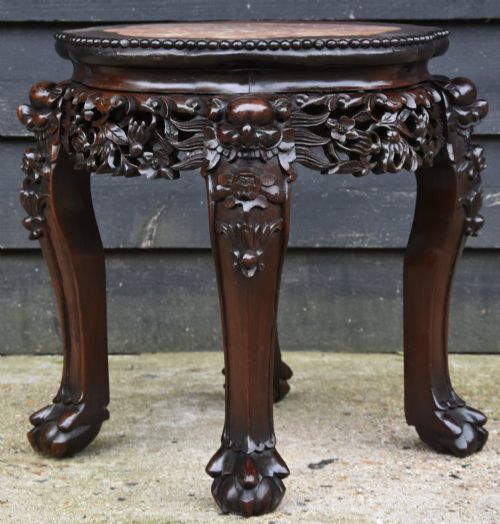
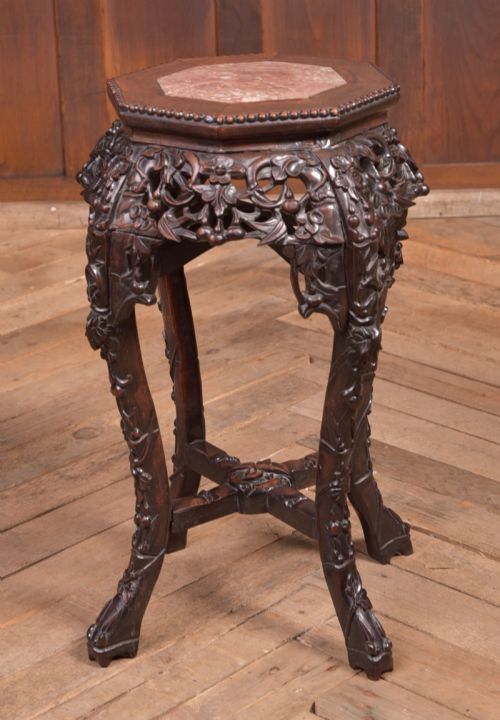
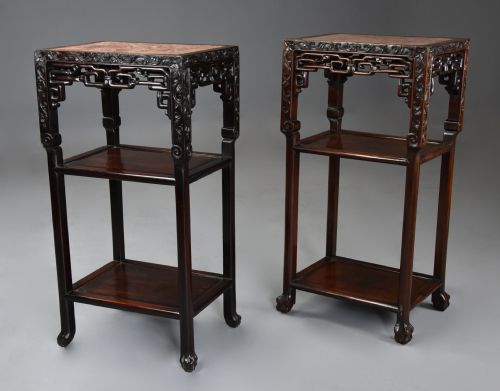
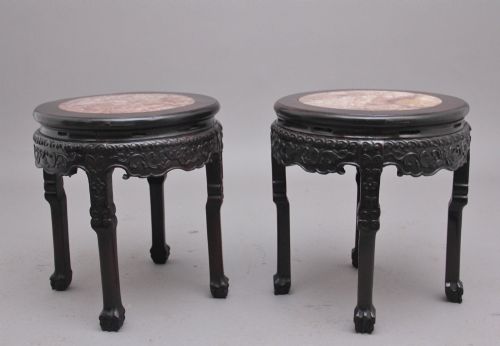
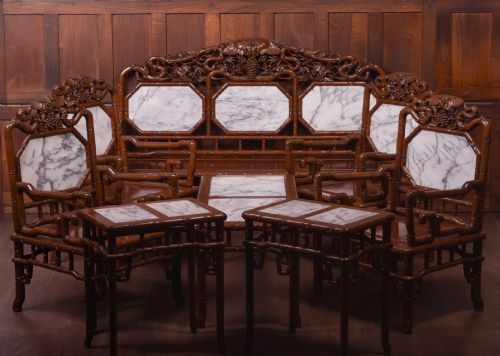
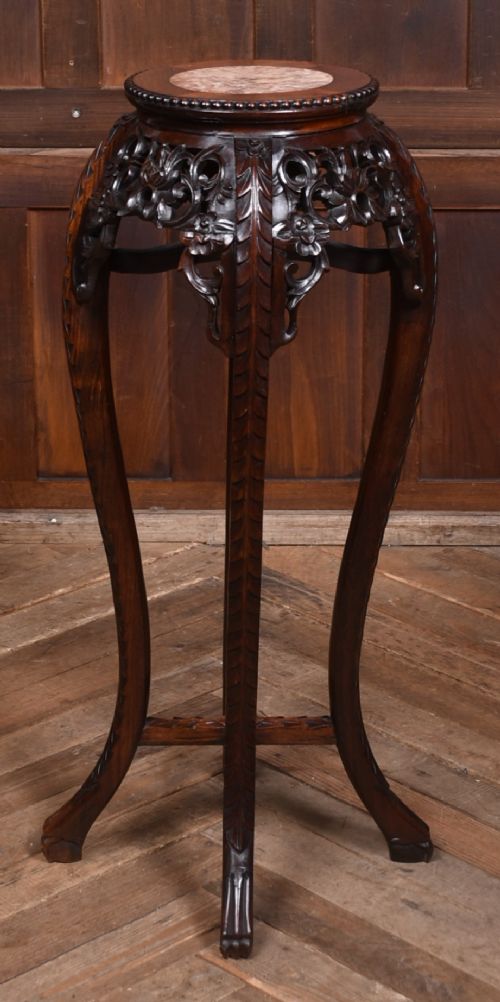
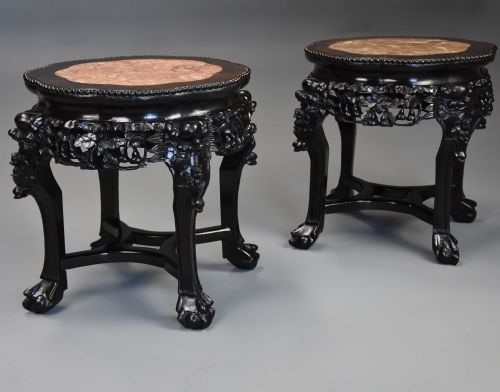
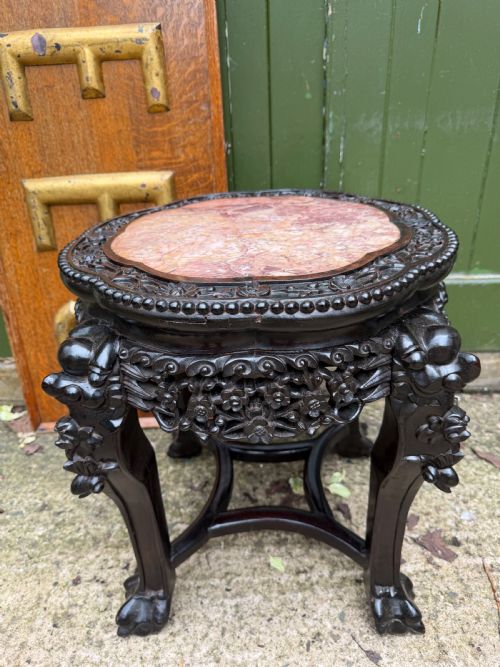
A qing dynasty marble table brings dense tropical hardwoods and cool stone panels together in plant stands, low tables, and occasional forms.
Qing Dynasty Marble Table
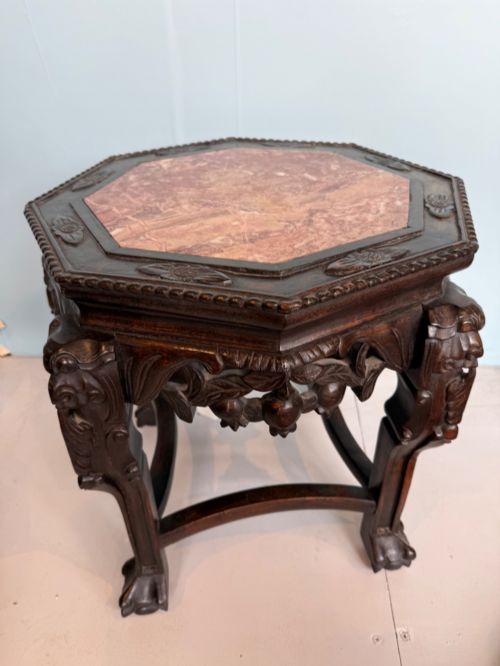
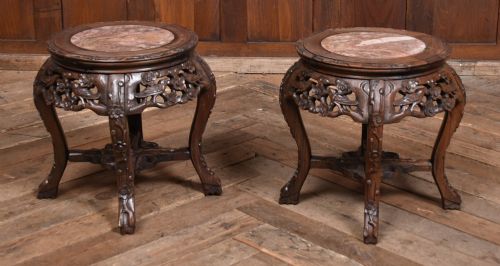
The objects frequently combine heavy dark timber frames with inset panels of smooth marble or rouge stone. They appear under various descriptions including parlour suites, coffee tables, and bowl-stands, reflecting their versatile utility in both historical and modern interiors.
How they were made
Construction relies heavily on dense exotic timbers such as rosewood, padouk, hongmu, and huanghuali, chosen for their strength and deep grain. Artisans carved these hardwoods with intricate floral and structural motifs to support the heavy weight of stone inserts.
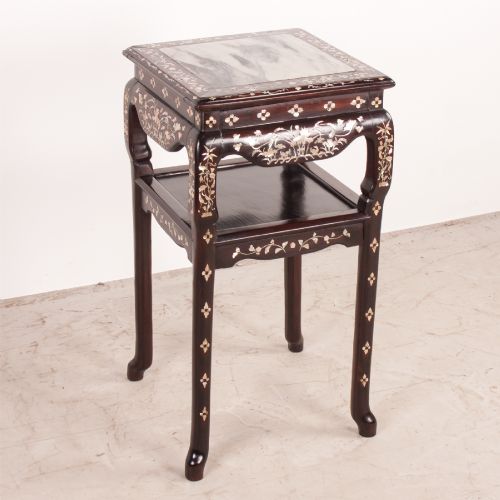
The tabletops feature inset panels of marble, quartz, or variegated rouge stone fitted precisely into wooden channels. Occasional examples incorporate mother-of-pearl inlay within the timber framework to create delicate surface contrast.
An unusual rootwood table listed here pairs its organic timber frame with a deep quartz top.
What varies in quality
The standard of carving determines much of the distinction between pieces, where deep, crisp relief work indicates superior workshop execution. Finer examples display balanced proportions and seamless joinery that accommodates the natural expansion of the timber around the stone inset.
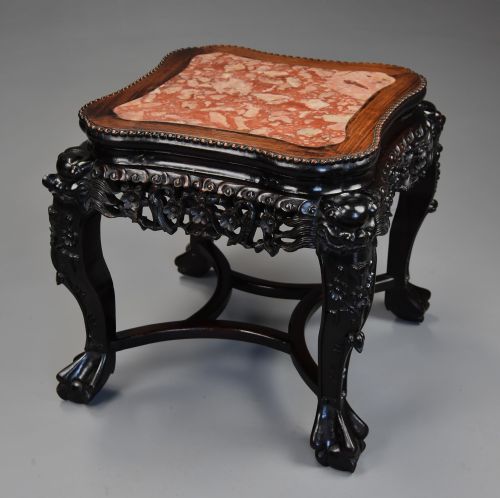
The choice of stone also dictates the grade of the object, with richly figured rouge marble or unusual quartz panels commanding greater visual presence than plain grey inserts.
The Qing Dynasty Marble Table Glossary
- Hongmu
- A dense, heavy tropical hardwood used in traditional Chinese furniture making. It possesses a naturally dark colour and high density suitable for intricate carving.
- Jardiniere stand
- A tall or low pedestal specifically designed to support flower pots and plant urns. These stands feature reinforced tops to bear the weight of heavy ceramic vessels.
- Padouk
- A durable reddish-brown timber utilised in fine Asian cabinetwork. It darkens with age and provides a sturdy frame for stone table inserts.
- Rouge marble
- A decorative limestone featuring deep red and brown tones with prominent veining. This material appears frequently as the inset panel in late nineteenth-century tables.
Qing Dynasty Marble Table: Frequently Asked Questions
How were these tables originally used?
These pieces served practical functions in domestic interiors as display surfaces for porcelain vessels, plants, and decorative objects. Tall stands elevated floral arrangements, while low tables sat beside seating.
Larger centre and occasional tables provided stable surfaces for lamps and tea wares. Their sturdy construction accommodated heavy stone panels without warping.
What woods are most common?
Rosewood, padouk, and hongmu form the primary structural materials across the surviving selection. These dense tropical hardwoods provided the necessary strength for elaborate pierced carving.
Less common variations include ebonised finishes and rootwood frames. Each timber selection contributes a distinct weight and grain pattern to the finished support.
How do I care for marble tops?
Stone inserts require simple dusting with a soft cloth and protection from acidic liquids that can etch the polished surface. Regular maintenance preserves the natural veining of the marble.
Conditioning the surrounding hardwood frame with appropriate wax prevents the timber from drying out. Avoid placing wet plant pots directly onto the stone without a protective saucer.
Are pairs common in these listings?
Matched pairs appear frequently among plant stands and low occasional tables. These sets were originally produced to balance symmetrical room layouts.
Acquiring a matched pair offers cohesive styling for larger living spaces. Individual occasional tables and centrepieces also appear regularly as standalone items.