


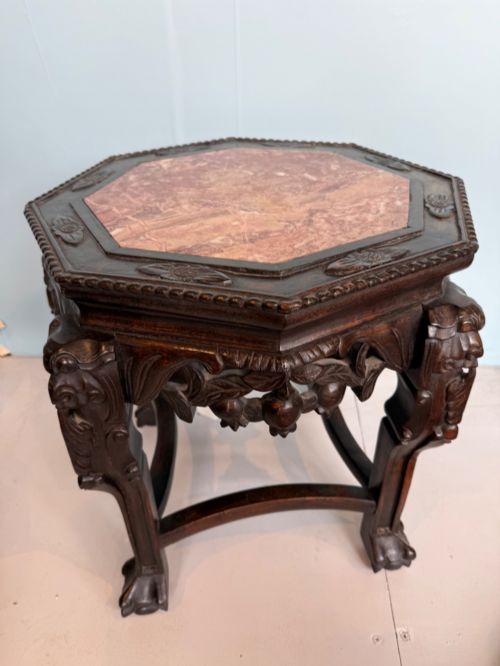
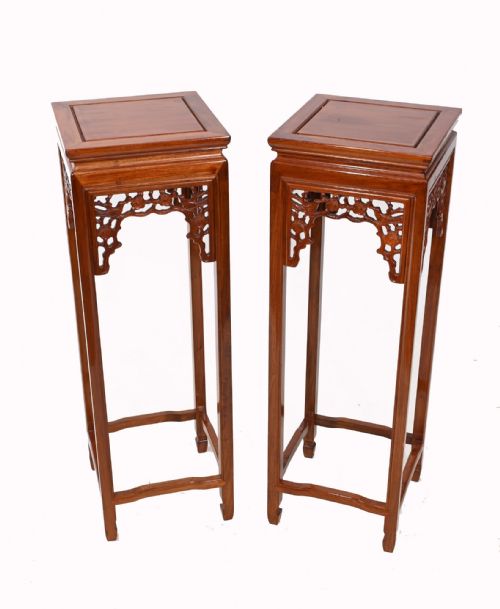
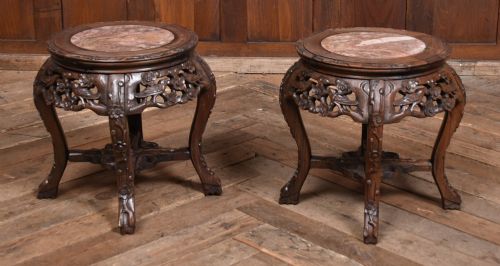
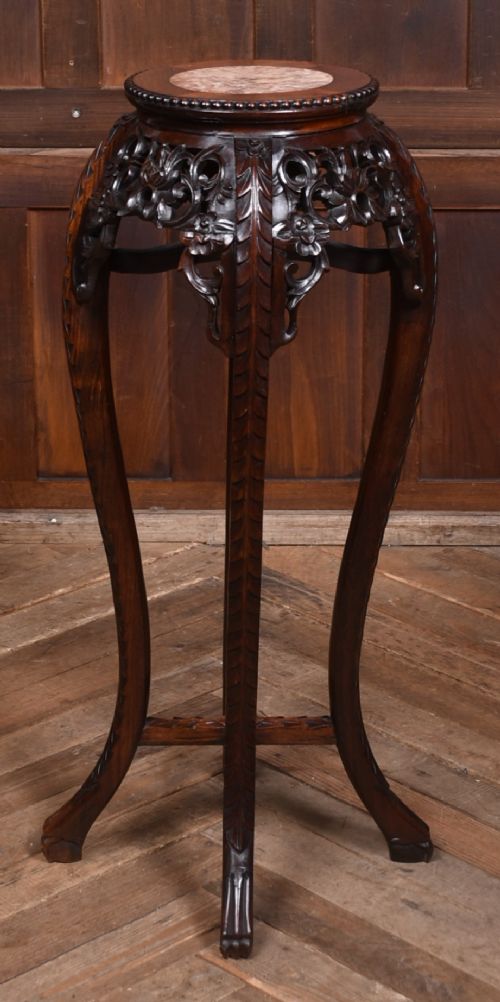

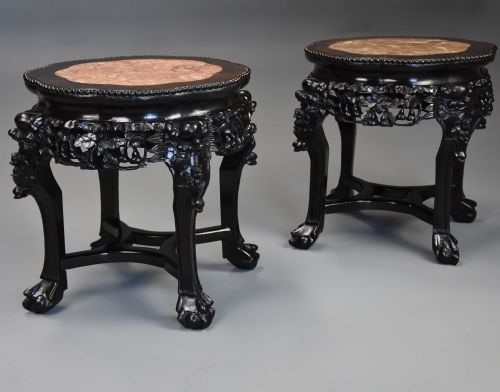
Oriental Carved Urn Stand
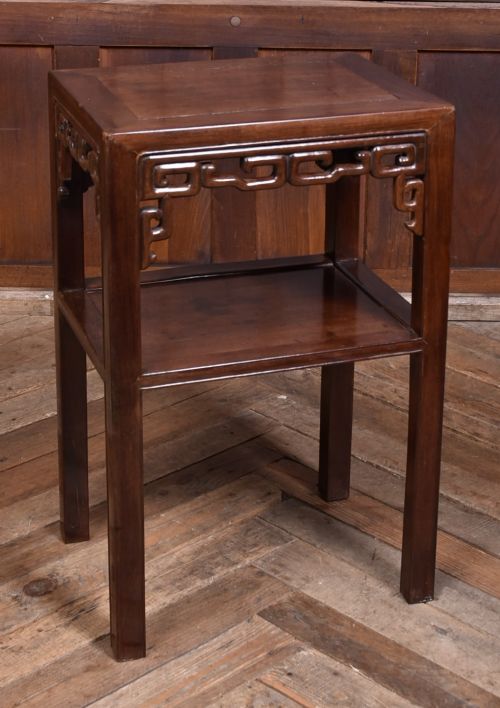
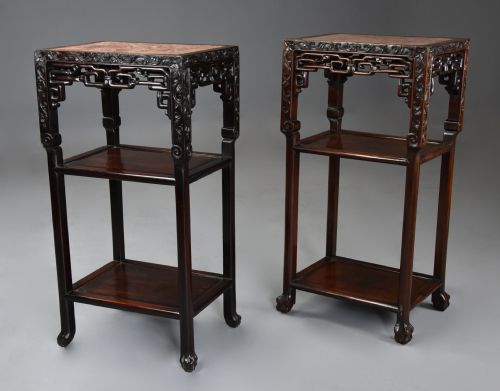
These oriental carved urn stand examples provide sturdy, decorative surfaces for plants and vases crafted from dense timbers across the nineteenth and early twentieth centuries.
Oriental Carved Urn Stand
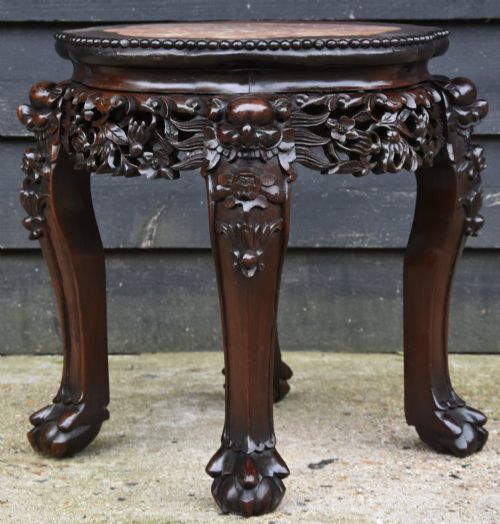
An oriental carved urn stand functions primarily as a low table, jardiniere stand, or pedestal for displaying decorative objects in domestic interiors. When exploring this phrase, buyers encounter pieces originating from the nineteenth century, Victorian era, Edwardian period, and early twentieth century.
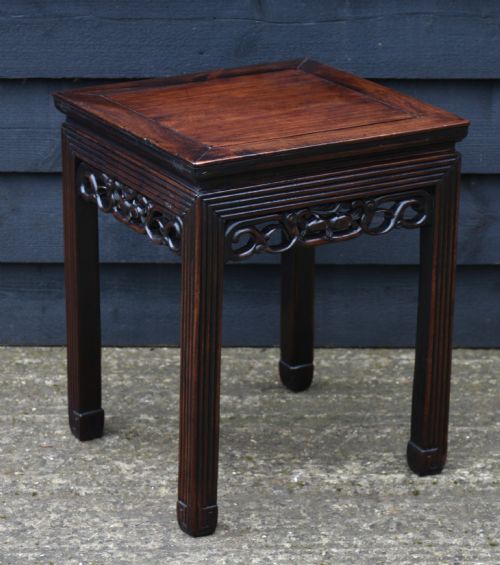
The selections span Chinese Qing Dynasty craftsmanship, Chinese Export wares, and Meiji Period Japanese designs. Common formats include square low tables, rectangular pot stands, and tall pedestal tables suited for heavy ceramic vases or urns.
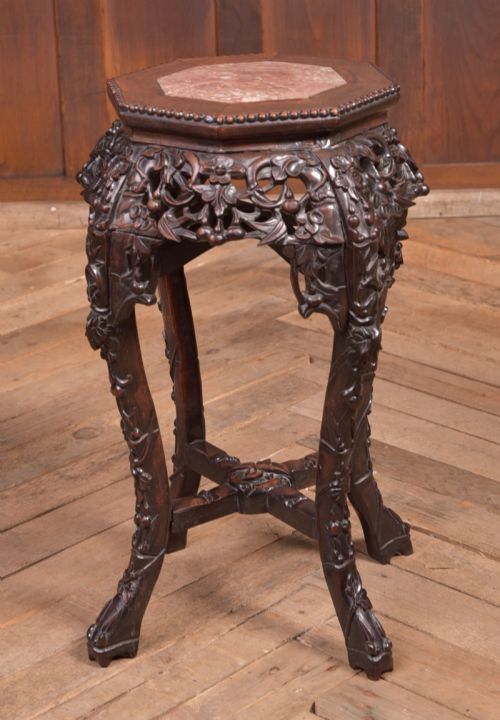
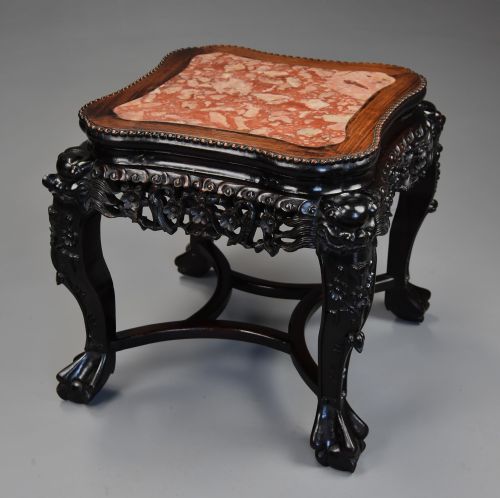
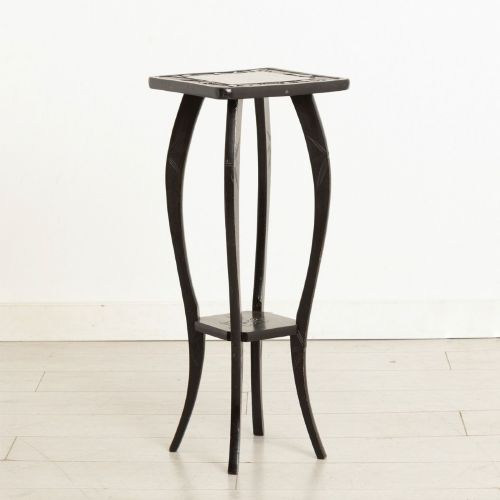
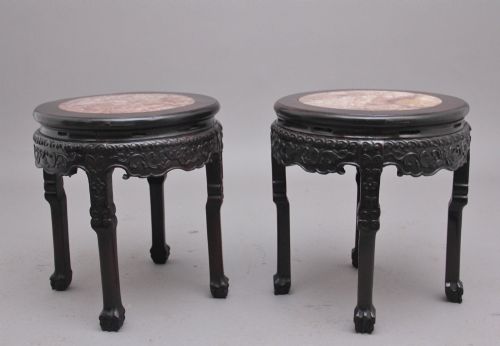
Makers and workshops utilised robust tropical timbers to build these supports, frequently incorporating inset marble tops to protect the wood from moisture. The forms range from modest table heights to towering pedestals designed to elevate focal items within a room.
Materials and technique
Wood selection defines these pieces, with workshops predominantly employing heavy tropical hardwoods such as rosewood, padouk, and ebonised wood. These dense timbers allow for deep, crisp relief carving without compromising the structural integrity of the frame.
Many surfaces feature inset panels of variegated marble, smooth lacquer, or delicate mother of pearl inlay. Artisans joined the structural components using traditional joinery methods that accommodate the natural movement of dense timber over decades.
One unexpected Japanese export piece pairs a hand-painted koi fish porcelain vase with a deep black lacquer finish.
Distinctions in craftsmanship
The depth and definition of the hand carving separate standard commercial items from exceptional works of art. Superior examples display undercut foliage, crisp motifs, and balanced proportions that reflect meticulous execution by skilled carvers.
Material selection and integration also dictate quality, particularly in the choice of heavy rosewood or padouk paired with unblemished marble inserts. The weight of the timber and the tightness of the joinery reveal the underlying standard of construction.
Liberty of London
The Oriental Carved Urn Stand Glossary
- Hongmu
- A categorical term for dense, fragrant Chinese hardwoods often translated as red wood. These heavy timbers provide the dark, durable foundation for traditional carving.
- Jardiniere
- A large ornamental pot or container for plants or flowers. Stands built specifically to support these vessels require reinforced load-bearing frames.
- Torchère
- A tall ornamental stand or candlestick. In this context, the term describes elevated pedestals designed to display urns and vases at eye level.
- Padouk
- A heavy, durable tropical hardwood with a reddish hue. It resists warping and takes detailed carving exceptionally well.
- Ebonised
- Wood treated to resemble ebony through a staining or finishing process. This technique creates a dense, uniform black surface.
Oriental Carved Urn Stand: Frequently Asked Questions
What is an oriental carved urn stand?
These pieces are sturdy decorative tables and pedestals built to support heavy ceramic vessels, planters, and decorative urns. They combine functional load-bearing construction with elaborate hand-carved ornamentation.
Originating largely from nineteenth-century Asian workshops, they provide elevated display surfaces that protect domestic flooring and furniture from damp plant pots.
How do I date an oriental carved urn stand?
Dating relies on identifying timber types, carved stylistic motifs, and construction methods. Nineteenth-century examples often feature dense rosewood or padouk combined with heavy marble inserts.
Later pieces from the Edwardian period or early twentieth century frequently incorporate lighter frames or distinct regional export markers associated with the Meiji or Qing eras.
Where should I place an urn stand at home?
These stands suit entryways, living rooms, and garden rooms where they function as plant pedestals or occasional side tables. Their sturdy hardwood construction safely holds heavy ceramic vases, lamps, and decorative bowls.
Placing them in corners or beside seating areas allows the detailed relief carving and marble tops to serve as visual focal points.
Why do many stands have marble tops?
Marble inset tops provide a cool, waterproof surface that prevents water damage from potted plants and heavy urns. This practical addition protects the underlying hardwood from moisture and staining.
Additionally, the smooth stone surface offers a sharp textural contrast against the dark, heavily carved wooden frames of the stands.