
Qing Dynasty Ceramic Bowl
These pieces of qing dynasty ceramic bowl encompass centuries of Imperial craftsmanship, offering collectors tangible links to historical Chinese dynasties through porcelain, enamel, and glaze.
Qing Dynasty Ceramic Bowl
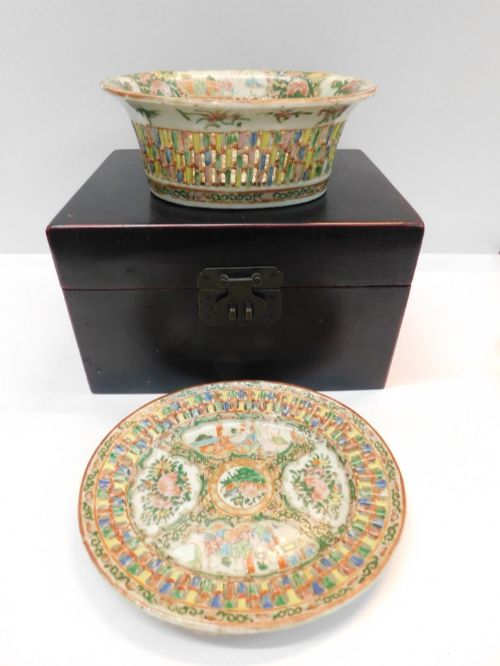
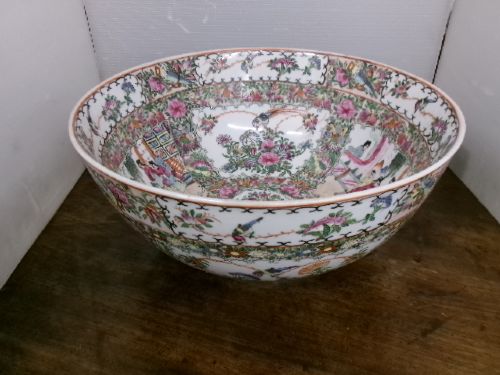
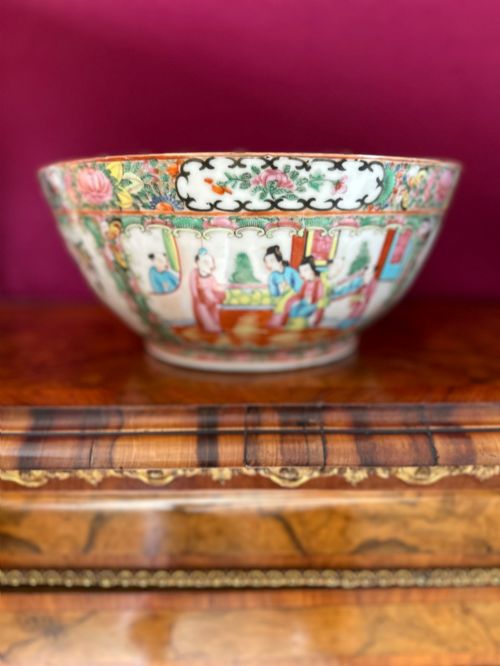
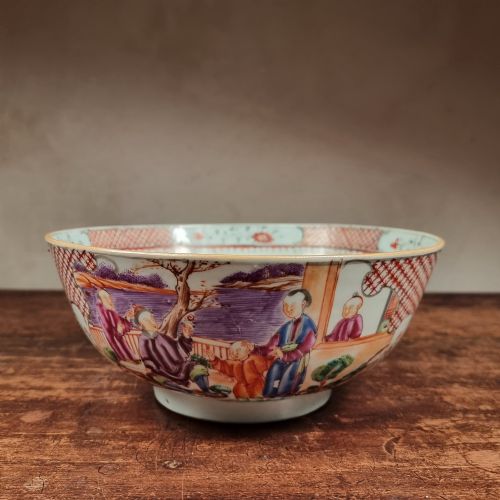
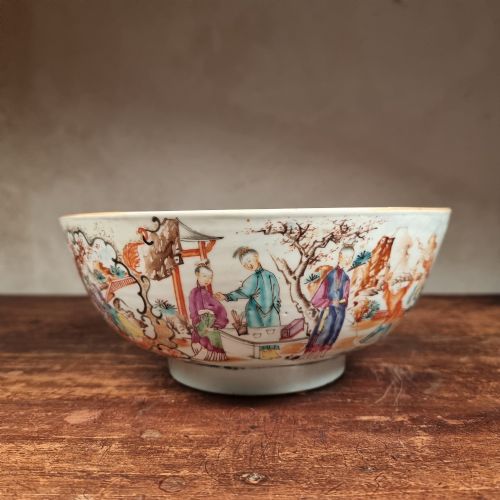
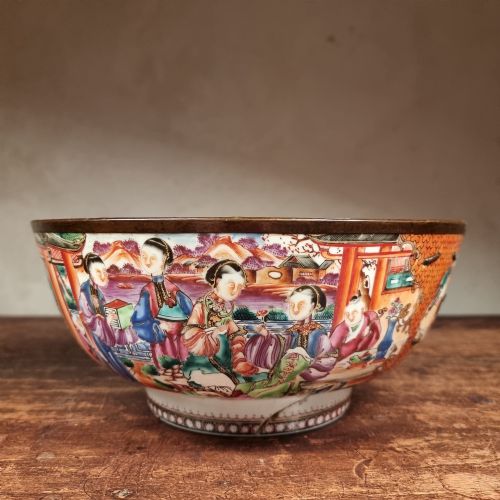
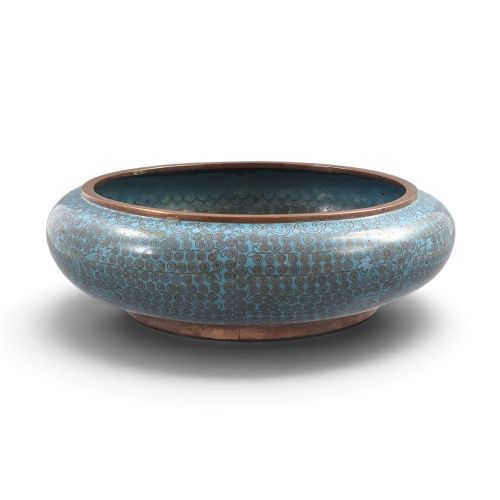
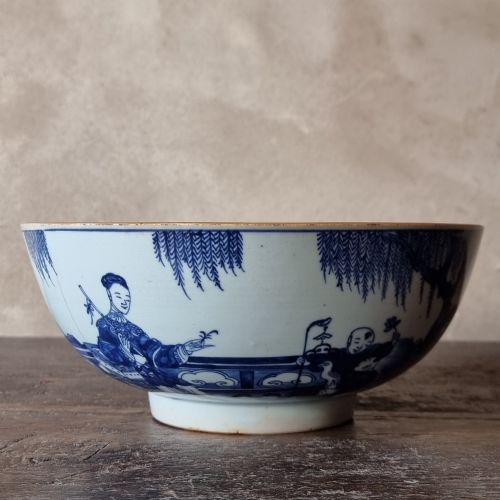
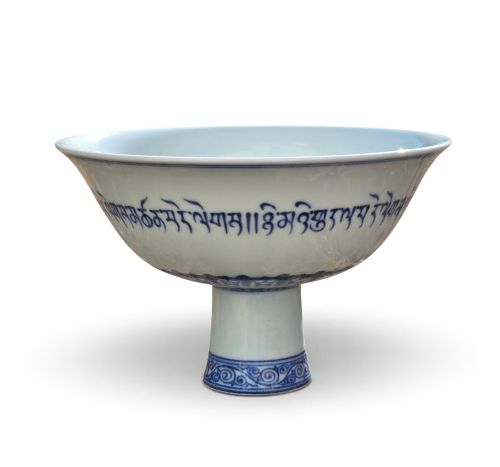
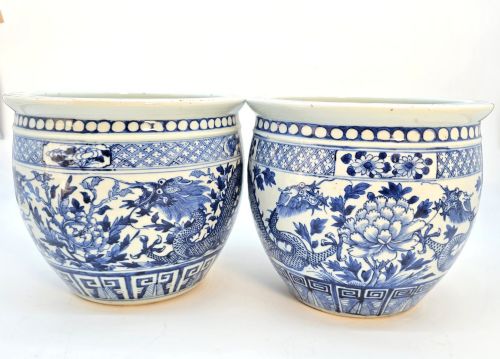
A qing dynasty ceramic bowl encompasses various forms ranging from delicate stem cups and punch bowls to large canton vessels and jardinières. These items originate from periods spanning the seventeenth century through to the early twentieth century.
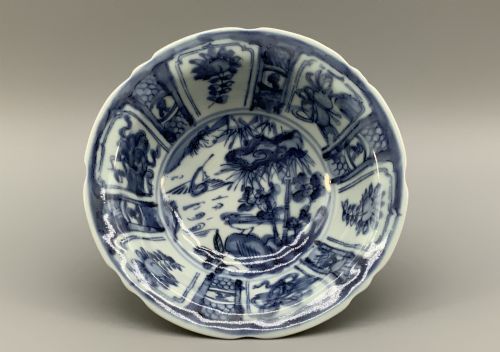
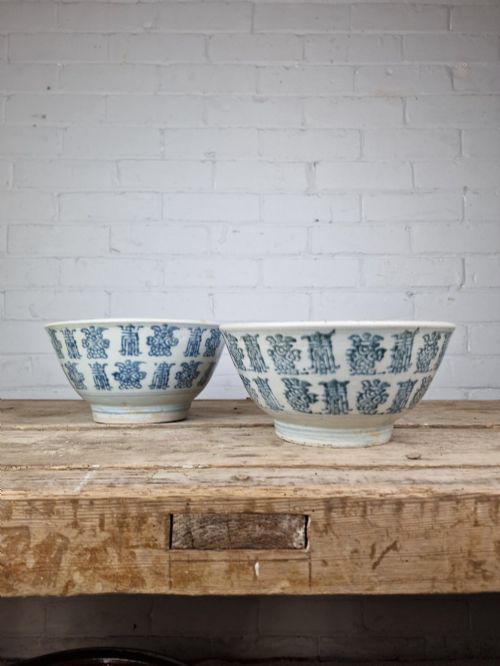
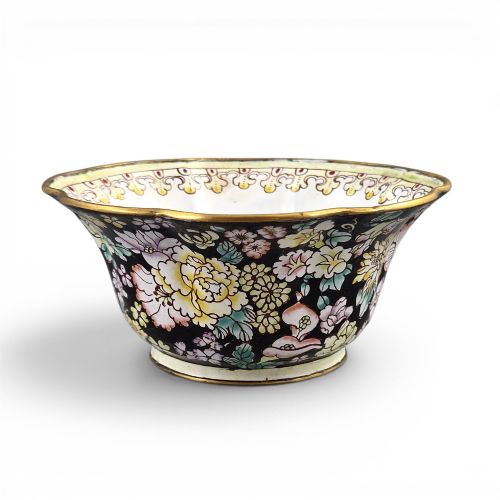
Collectors frequently encounter nineteenth-century examples alongside eighteenth-century pieces bearing specific reign marks or provincial characteristics. The selection includes blue and white export wares, famille rose designs, and monochrome glazes.
Vessels serve both decorative and functional purposes, reflecting the diverse kiln traditions of Imperial China and subsequent export markets.
Materials and construction techniques
Potters utilised fine ceramic and porcelain bodies, applying cobalt underglaze pigments before high-temperature firing to achieve durable blue and white decoration.
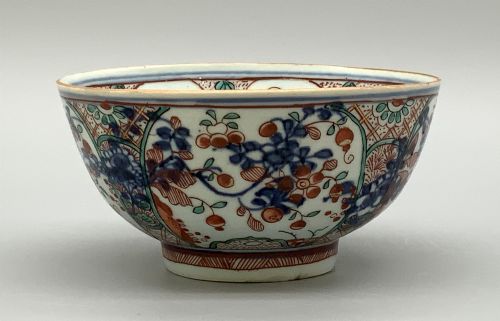
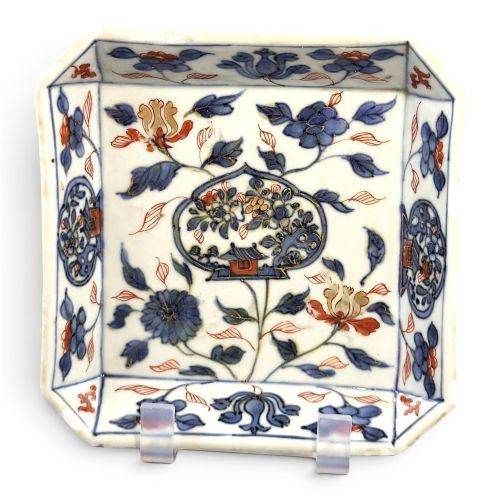
Overglaze enamel work, including famille rose and imari palettes, required secondary lower-temperature firings to bond coloured pigments and gold leaf securely to the surface.
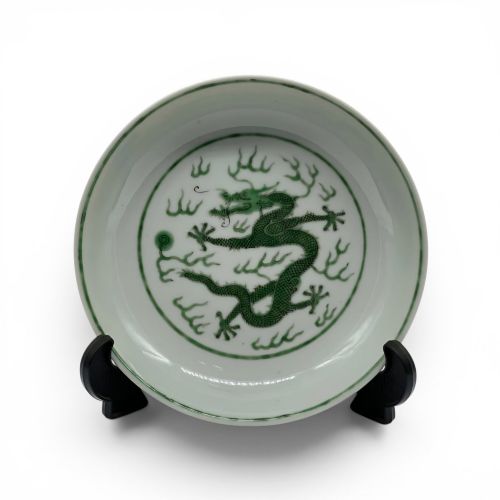
Specialised surface treatments such as iron rust glaze, celadon, and chocolate glaze provided distinct textures and colouration across different Imperial and provincial workshops.
Listings feature porcelain, enamel, gold leaf, and cobalt glaze across periods spanning the seventeenth to the twentieth century.
Factors influencing quality
The precision of the brushwork and the clarity of the cobalt underglaze or overglaze enamel application distinguish standard utilitarian vessels from Imperial commissions.
Consistency in the porcelain body, successful glaze vitrification without excessive warping, and the presence of well-executed reign marks separate standard provincial output from superior examples.
The complexity of the form, such as reticulated chestnut baskets or large castellated bowls, indicates the technical skill required during the manufacturing process.
The Qing Dynasty Ceramic Bowl Glossary
- Famille Rose
- A palette of opaque enamel colours introduced in the Qing dynasty, predominantly featuring pink or rose tones mixed from gold chloride. This technique allowed for subtle tonal gradations in floral and figural motifs.
- Cobalt Underglaze
- A blue pigment applied directly to the unglazed ceramic body before receiving a clear glaze and firing. It produces deep blue designs that remain protected beneath the glassy surface.
- Celadon
- A pale green jade-like glaze achieved through iron oxide in a reduction kiln atmosphere. The thick, translucent coating often pools pleasingly around carved or moulded details.
- Imari
- A style incorporating underglaze blue combined with iron red and gilt highlights overglaze. Originating in Japan, this aesthetic heavily influenced Chinese export porcelain production.
- Jardiniere
- A large ornamental pot or bowl designed to hold live plants. These heavy ceramic vessels frequently feature detailed hand-painted scenes or moulded panels.
Qing Dynasty Ceramic Bowl: Frequently Asked Questions
How do I care for my bowl?
Display porcelain vessels away from direct sunlight and areas subject to sudden temperature fluctuations to protect fragile glazes and enamel decorations.
Clean surfaces gently using a soft, dry duster or microfiber cloth, avoiding chemical cleaning agents entirely to preserve the original ceramic body.
Were these bowls used daily?
Many large punch bowls and basins served practical functions during banquets and household gatherings in both China and European export markets.
Smaller stem cups and delicate eggshell dishes were typically reserved for scholarly pursuits, ritual offerings, or elite domestic display.
How do I identify reign marks?
Imperial marks usually consist of six characters arranged in vertical columns, naming the specific emperor and dynasty period of manufacture.
Authentication requires comparing script styles, character formation, and pigment iron content against known examples from the same historical era.
What is export porcelain?
Export porcelain refers to ceramic wares manufactured specifically for international trade markets in Europe, the Middle East, and the Americas.
These pieces often combine traditional Chinese forms and techniques with decorative motifs tailored to foreign consumer tastes.