

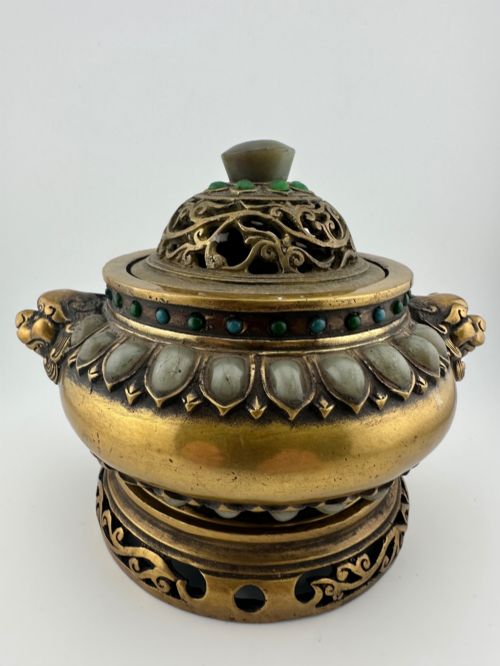
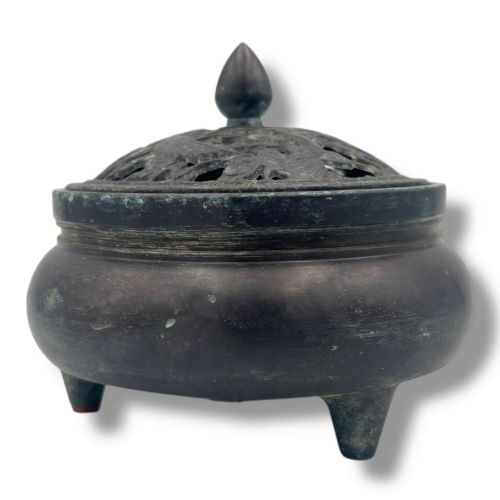
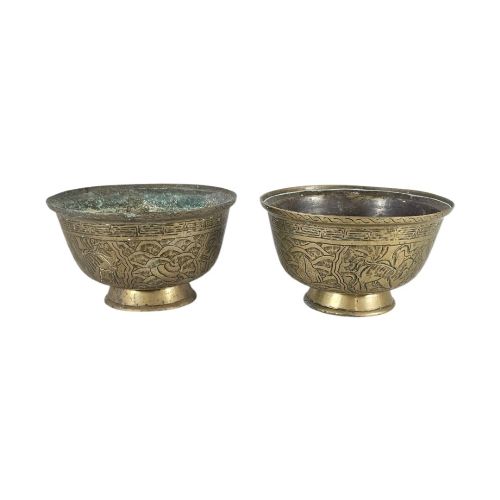
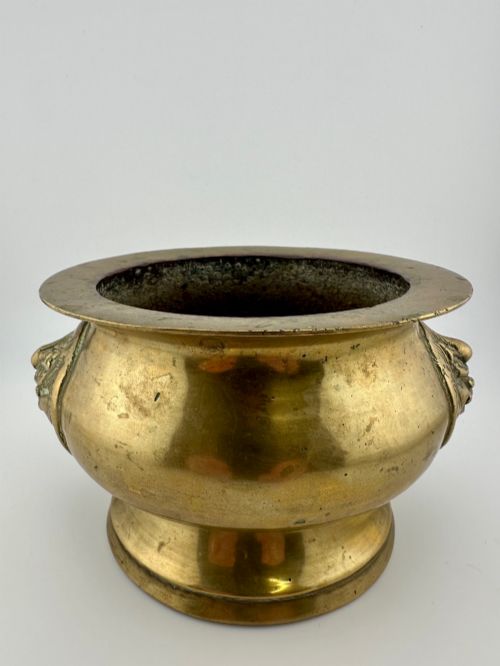
Qing Bronze Vessel
A qing bronze vessel brings centuries of imperial ritual and refined scholar's studio tradition directly into the modern interior.
Qing Bronze Vessel
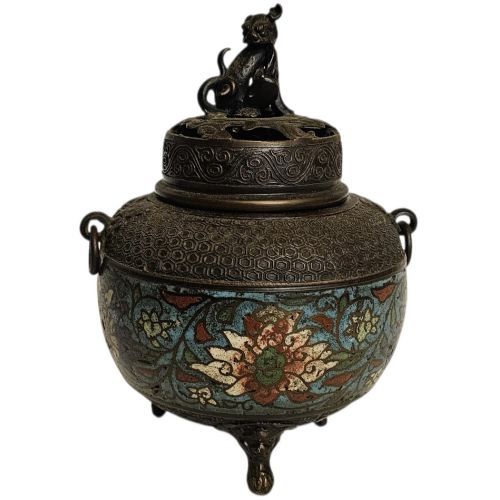
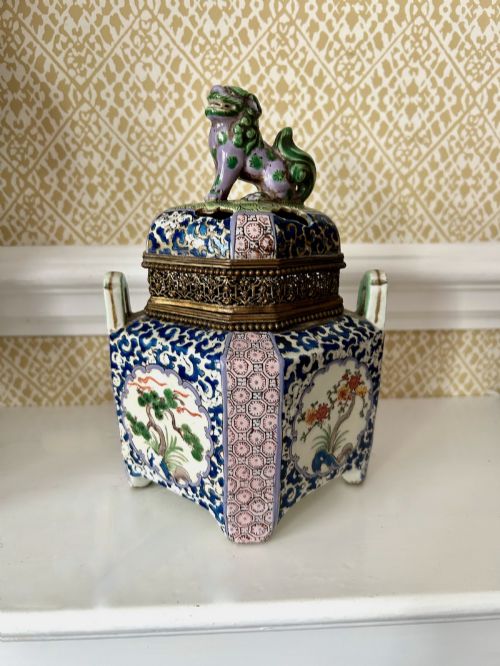
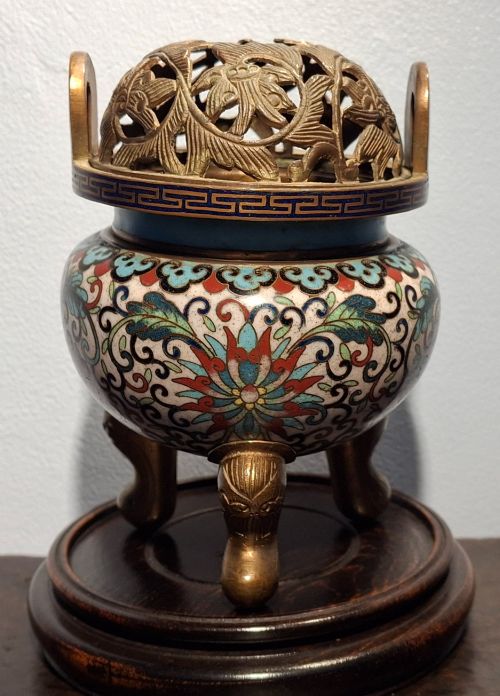
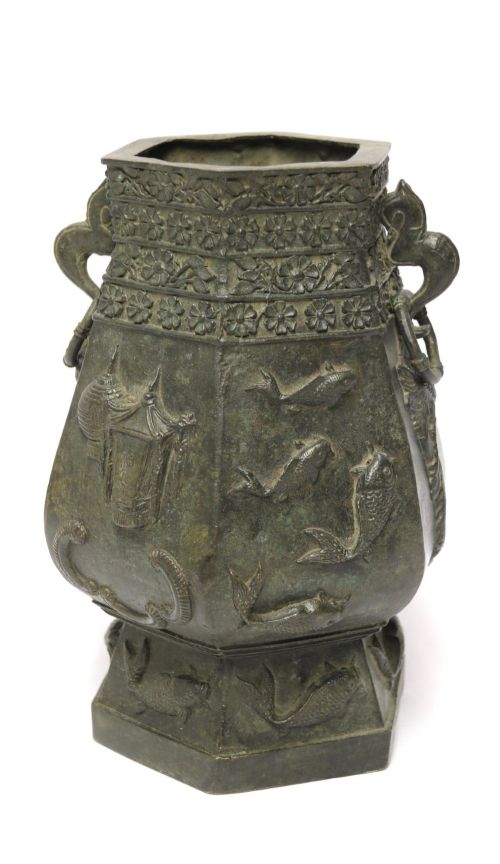
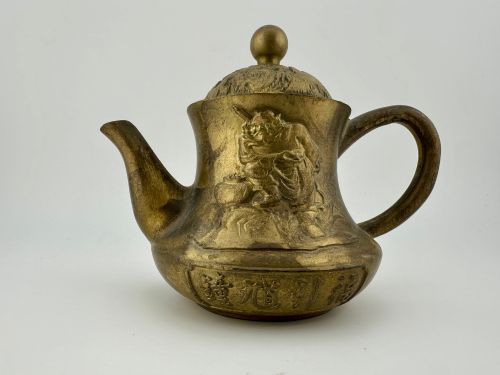
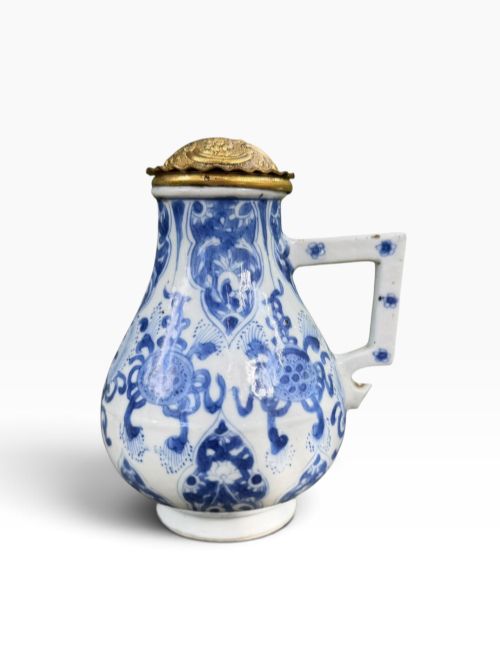
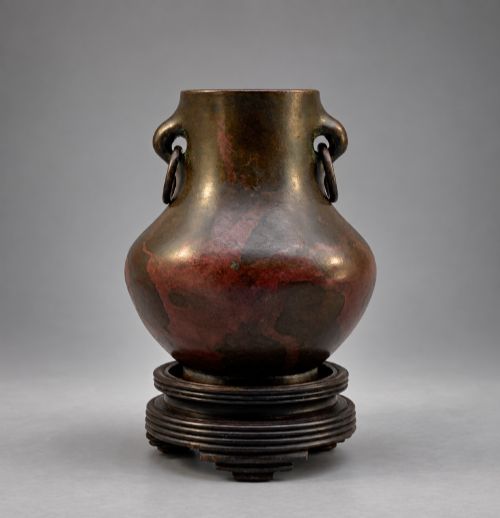
When searching for a qing bronze vessel, collectors encounter a diverse range of ritual objects, scholarly items, and decorative pieces rooted in the Qing dynasty. These items include tripod censers, incense burners, baluster vases, and decorative bowls spanning from the seventeenth to the early twentieth century.
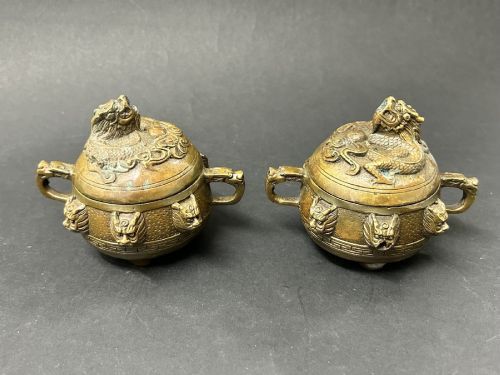
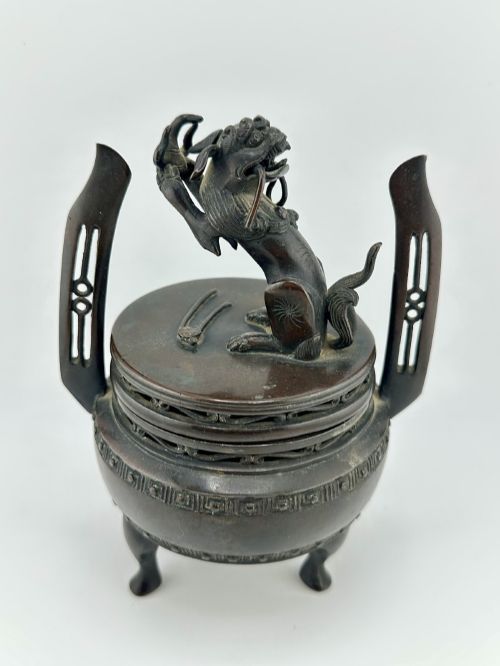
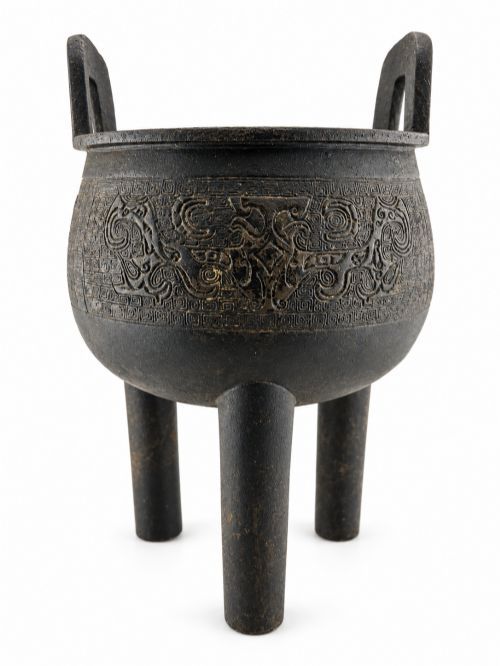
The most common examples on this page are late nineteenth-century bronze censers and vessels featuring traditional elements like qilin finials, dragon handles, and taotie decoration. Pieces often display archaic styles that consciously emulate earlier dynasties while maintaining the distinct casting techniques of the Qing period.
How they were made
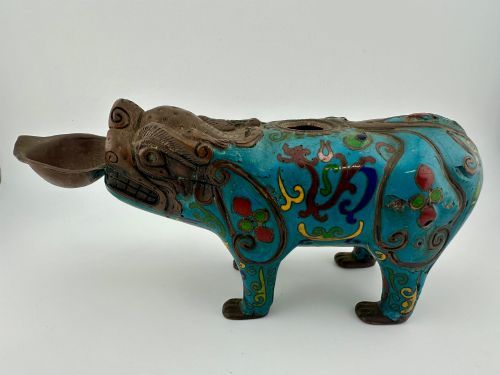
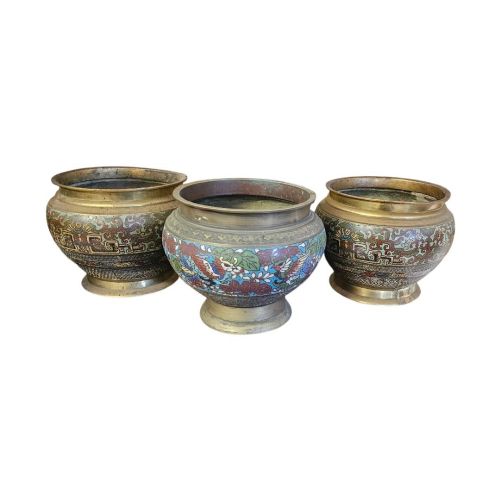
These vessels are primarily formed from bronze, brass, and copper alloys, frequently enhanced through lost-wax casting methods to achieve complex relief ornament and substantial weight. Artisans also integrated materials such as cloisonné enamel, champlevé enamel, gilt bronze, and inlaid jade or hardstone to create decorative contrast on the metal surfaces.
Surface finishes range from polished patinas and gilt-splash treatments to intricate cloisonné wirework originating from workshops in Beijing. Many pieces incorporate custom hardwood stands or applied elements like porcelain and Nephrite jade components.
Qing Bronze Vessel Retail Price Guide 2026
Typical asking prices for qing bronze vessel among the pieces listed under this phrase on Sellingantiques today, from the lower quarter to the upper quarter. They describe what is for sale here now, not the wider market.
Several heavy censers are noted for possessing a distinct bell-ring resonance when struck.
What varies in quality
Quality in these vessels is determined by the precision of the casting, the crispness of relief details such as taotie masks and dragons, and the overall heft of the metalwork. Superior examples exhibit balanced proportions, bell-ring resonance, and finely controlled patination rather than superficial decoration.
The integration of secondary materials like enamel and hardstone further distinguishes standard production from finer scholar's studio pieces. Artisanal mastery is evident in the neatness of cloisonné cells, the stability of added handles and covers, and the clarity of baseline imperial or workshop marks.
The Qing Bronze Vessel Glossary
- Censer
- A vessel designed specifically for burning incense during ritual or scholarly practices. These often feature tripod legs, matching covers, and perforated lids.
- Archaistic
- A stylistic approach where later makers deliberately emulate the decorative motifs and vessel forms of ancient Chinese dynasties, such as the Shang or Zhou.
- Cloisonné
- An enamelling technique where metal wires are soldered to a bronze body to create small cells, which are then filled with coloured enamel paste and fired.
- Taotie
- A prominent zoomorphic motif featuring a stylized monster face, frequently cast in relief on the sides of archaic and archaistic ritual vessels.
- Qilin
- A mythical hooved chimerical creature often depicted as a finial or decorative element on the covers of incense burners.
Qing Bronze Vessel: Frequently Asked Questions
What is a qing bronze vessel used for?
Historically, these vessels served ritual, religious, and scholarly functions, primarily holding burning incense or water within elite Chinese households and temples. Many were created for scholar's studios to foster contemplation, while others functioned as decorative display pieces.
Today, they are collected and lived with as sculptural art objects, prized for their historical weight, complex patinas, and traditional craftsmanship.
How do I care for a bronze vessel?
Caring for bronze involves keeping the metal in a stable environment away from excessive moisture and direct sunlight to protect the natural patina. Dusting gently with a soft, dry cloth is usually sufficient for maintenance.
Avoid using liquid cleaners, abrasive polishes, or oils, as these can strip away historic patination and damage delicate cloisonne enamel or gilt surfaces.
How can I tell the period of a vessel?
Dating relies on examining the specific alloy weight, casting quality, style of the handles, and the nature of any baseline marks. Late nineteenth-century pieces often display distinct industrial or workshop characteristics compared to earlier eighteenth-century imperial pieces.
Secondary materials like jade finials and enamel types also provide contextual clues regarding the precise decade of manufacture within the Qing dynasty.
Can I use an antique censer for burning incense?
While these vessels were originally made for burning incense, many collectors choose to preserve them as display objects rather than exposing the historical interior to heat and ash. Modern use can introduce moisture or residue that may affect the ancient bronze or the applied patina.
If you do choose to burn incense, use a protective inner layer of clean ash or sand to shield the original base from direct heat.