



Qianlong Porcelain Dish
A qianlong porcelain dish brings eighteen-century craft into modern rooms, offering hand-painted detail and durable porcelain forms for daily use or display.
Qianlong Porcelain Dish
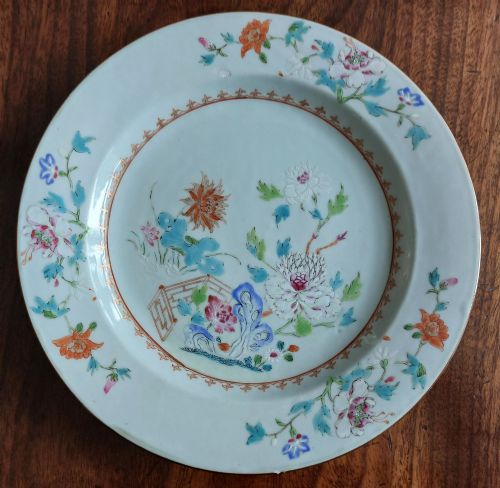
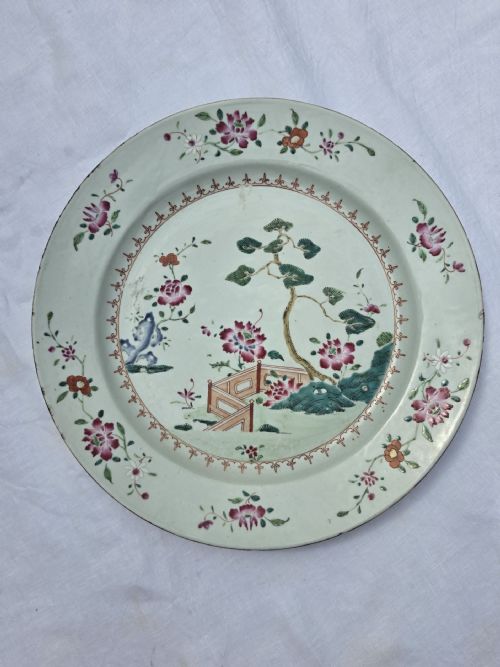
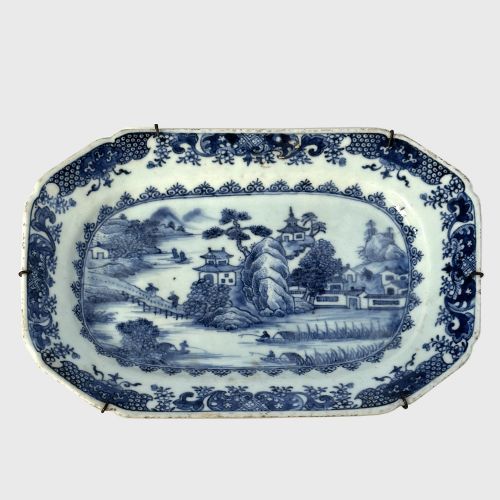
A qianlong porcelain dish spans various forms such as decorative plates, chargers, platters, and saucers originating from the eighteenth century. These items include Chinese Export wares made for Western markets alongside domestic pieces from the Qing Dynasty.
Buyers most frequently encounter eighteenth-century plates and dishes decorated with famille rose enamels or blue and white pigments. The selection also contains specialised vessels like tea bowls, tureens, and armorial services bearing specific family crests.
How they were made
Potters shaped hard-paste porcelain before applying cobalt pigment under the glaze for blue and white designs. Artisans then fired the pieces at high temperatures to vitrify the body and fuse the mineral pigments.
Overglaze enamel colours, including the palette associated with famille rose, were added in subsequent low-temperature firings. Some workshops incorporated gold leaf highlights to enhance specific decorative motifs.
Listings feature hard-paste porcelain and enamel glaze techniques applied across eighteenth-century plates, chargers, and platters.
What varies in quality
Brushwork precision separates standard production wares from superior examples, with finer pieces displaying confident, fluid lines and carefully controlled enamel thickness. The complexity of the subject matter, such as detailed bird and floral scenes or armorial bearings, also indicates higher manufacturing ambition.
The stability of the glaze and the crispness of the porcelain body reflect the skill of the kiln firing. Pieces with well-preserved gilding and minimal distortion during the intense heat of production achieve greater visual harmony.
The Qianlong Porcelain Dish Glossary
- Famille Rose
- A palette of opaque enamel colours dominated by pink or rose shades, introduced during the Qing Dynasty. This technique allowed for nuanced shading on floral and figural compositions.
- Chinese Export
- Porcelain manufactured in China specifically for international trade and Western markets. These objects often combined traditional Eastern shapes with European heraldic or decorative preferences.
- Hard-paste Porcelain
- A dense, vitrified ceramic material composed of kaolin and petuntse fired at very high temperatures. It resists scratching and provides a durable canvas for detailed painting.
- Cobalt Pigment
- A mineral colour applied beneath the transparent glaze to produce deep blue designs. It remains stable under intense kiln heat, retaining sharpness across centuries.
- Armorial
- Ceramics customised with painted family crests or coats of arms for specific European patrons. These commissions required precise heraldic knowledge from the exporting workshops.
Qianlong Porcelain Dish: Frequently Asked Questions
How do I care for a qianlong porcelain dish?
Wash these pieces gently by hand using warm water and mild soap, avoiding abrasive sponges or modern dishwashers that might damage the historic enamel and gold leaf.
Display them securely on padded plate stands or store them with protective dividers to prevent surface scratching on the antique glaze.
Were these dishes used for dining?
Many of these items functioned as practical tableware during eighteenth-century banquets, serving dry goods, meats, or tea alongside matching cups and tureens.
Larger chargers and platters appeared on formal dining tables, while smaller saucers and dishes accompanied domestic tea service routines.
What is the difference between blue and white and famille rose?
Blue and white pieces rely on cobalt pigment applied directly to the clay body beneath a clear glaze before a single high-temperature firing.
Famille rose items incorporate a diverse range of opaque overglaze enamels, including pinks and yellows, fixed during a secondary, cooler kiln process.
How can I tell if a dish is from the eighteenth century?
Examine the base and body for the characteristic weight, slight potting irregularities, and material density typical of hard-paste porcelain from the Qing Dynasty.
Look for the hand-mixed pigments, soft glaze pooling, and stylistic indicators such as exporting patterns associated with the reigns of that era.