
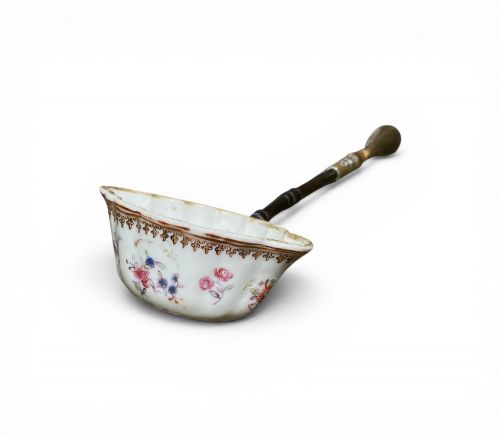


Qianlong Famille Rose Porcelain
Qianlong famille rose porcelain brings together hard-paste ceramics and vibrant overglaze enamels made during the Qing Dynasty.
Qianlong Famille Rose Porcelain
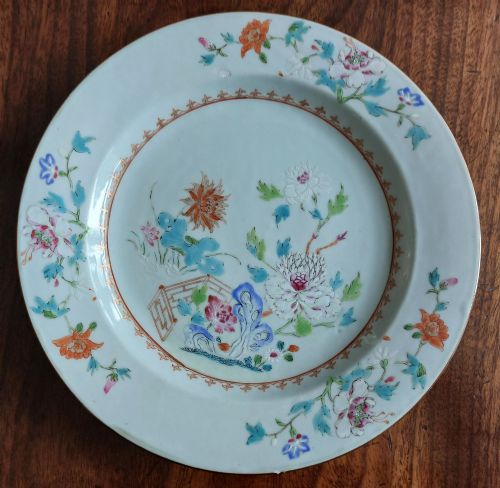
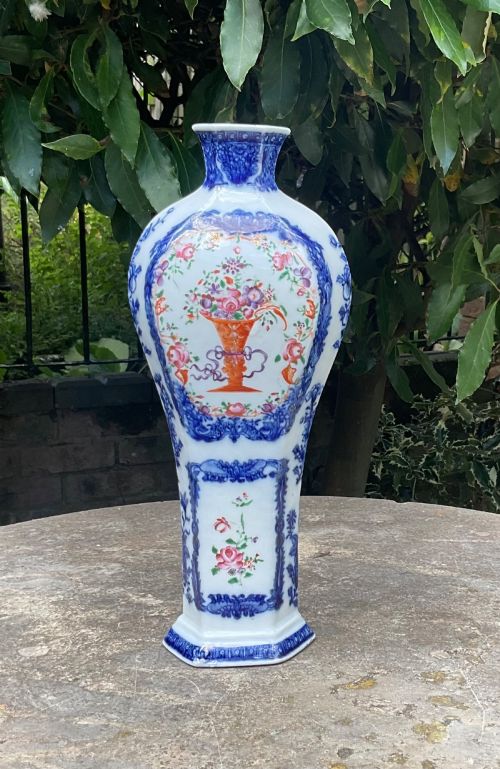
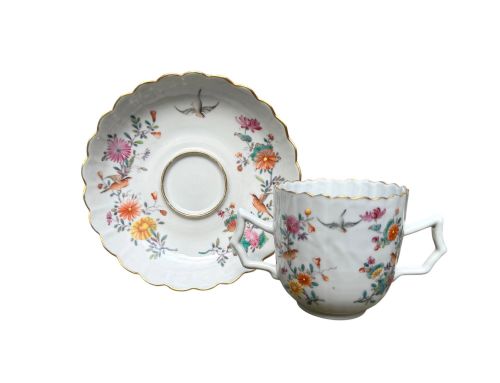
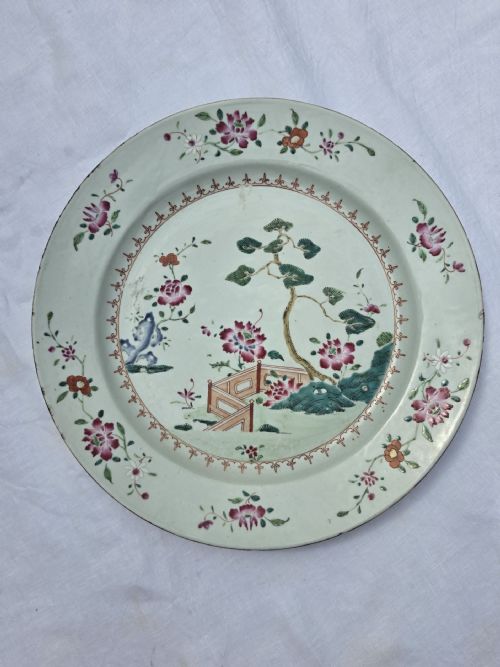
When searching for qianlong famille rose porcelain, buyers encounter a variety of forms produced primarily during the eighteenth century within the Qing Dynasty. Plates, chargers, and bowls appear frequently alongside tea wares, mugs, and figurative works.
The material output includes items designated for Chinese Export markets as well as domestic use. Teapots, saucers, ladles, and sauce boats demonstrate the wide range of utilitarian and decorative objects made during this period.
Pieces from this category span decades from the early to late eighteenth century, referencing the Qianlong reign between 1736 and 1795. The forms reflect both traditional Chinese aesthetics and patterns tailored for international trade.
How they were made
The body of each piece consists of hard-paste porcelain, fired at high temperatures to achieve a dense and durable white ceramic base. Artisans then applied intricate designs using overglaze enamel colours and gold leaf highlights.
Enamel glaze techniques allowed for the distinct pink and rose palettes that define the style, often combined with metal fittings or wooden display elements. Meticulous hand-painting ensured fine details on floral, bird, and armorial motifs.
Listings feature hard-paste porcelain, overglaze enamels, and gold leaf across the eighteenth century.
What varies in quality
Variations in quality depend largely on the precision of the overglaze enamelling and the crispness of the porcelain form. Superior examples display balanced composition, rich pigment application, and well-preserved gilt details.
Armorial services and specialised figurative pieces often represent higher artisanal input compared to standard utilitarian export wares. The complexity of the scene and the clarity of the Qianlong period characteristics also influence the distinction between standard and exceptional pieces.
The Qianlong Famille Rose Porcelain Glossary
- Famille Rose
- A palette of opaque overglaze enamels dominated by pink or rose colours, introduced during the Qing Dynasty.
- Hard-paste Porcelain
- A dense, vitrified ceramic made from petuntse and kaolin, fired at very high temperatures.
- Chinese Export
- Porcelain manufactured in China specifically for trade and sale to European and Western markets.
- Armorial
- Ceramic decoration featuring a specific family coat of arms, typically commissioned for wealthy households.
- Overglaze Enamel
- Coloured glass decoration applied to a previously fired and glazed ceramic surface, then fixed with a second, lower-temperature firing.
Qianlong Famille Rose Porcelain: Frequently Asked Questions
What is qianlong famille rose porcelain?
It is eighteenth-century Chinese ceramics decorated with opaque pink and rose overglaze enamels.
These pieces were produced during the Qing Dynasty for both domestic appreciation and international export.
How can I date these items?
Dating relies on stylistic markers, reign periods, and historical documentation associated with the eighteenth century.
Most items align with the years between 1736 and 1795 during the reign of the Qianlong Emperor.
Were these pieces made for export?
A significant portion of the surviving inventory was manufactured specifically for foreign markets under the Chinese Export classification.
These often include specific armorial crests or shapes tailored to European dining habits.
What materials are used in these ceramics?
The core consists of hard-paste porcelain finished with enamel glazes and occasionally accented with gold leaf.
Some objects incorporate subsidiary materials such as wood or metal mounts.