
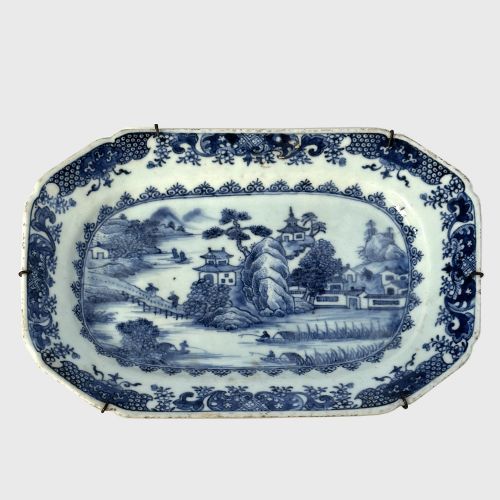


Qianlong Export Ceramics
Qianlong export ceramics bring the vibrant palette and refined forms of eighteenth-century trade porcelain directly to your table.
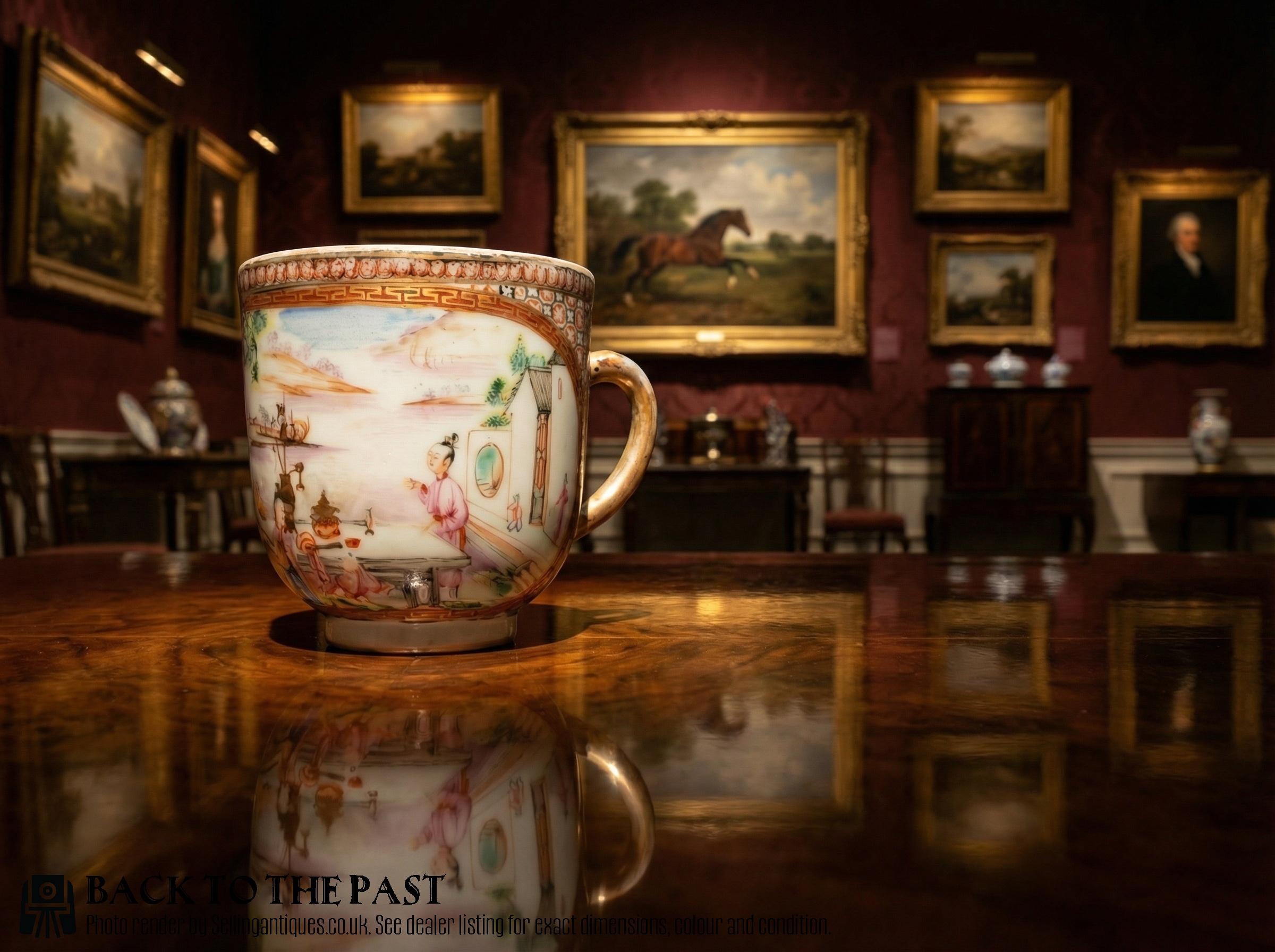
Qianlong Export Ceramics
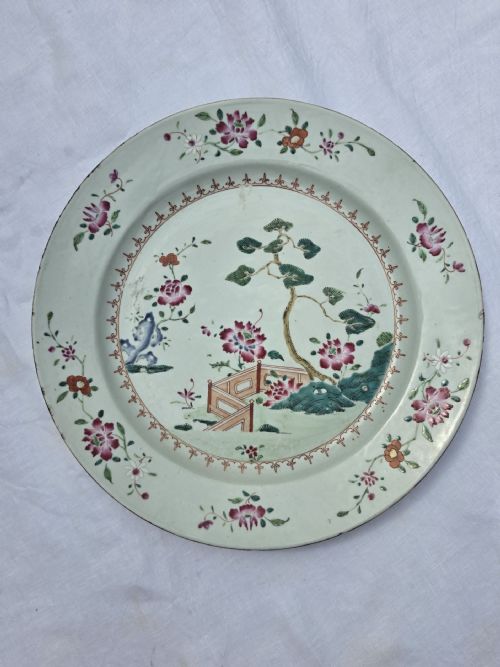
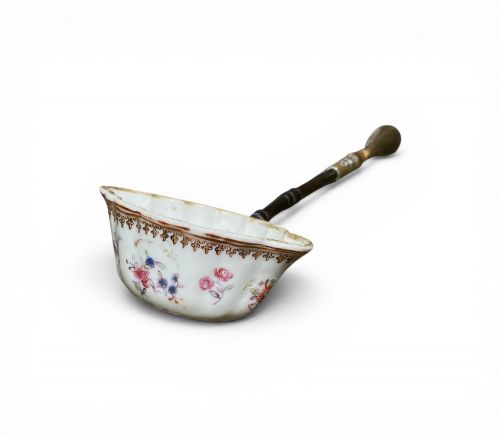
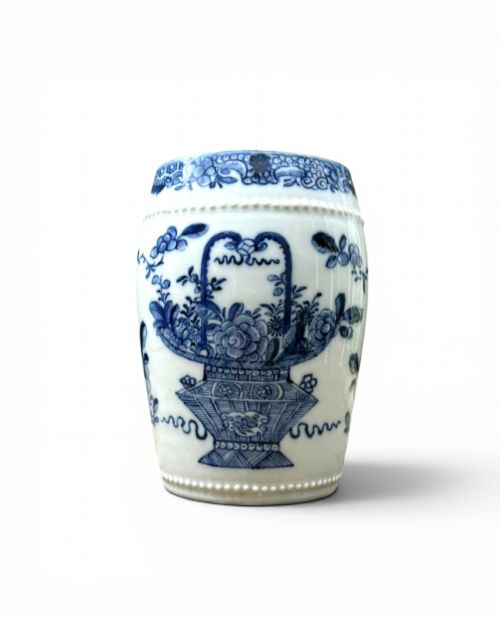
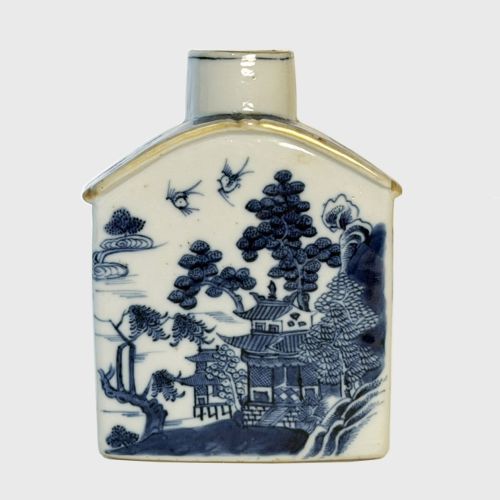
Qianlong export ceramics comprise hard-paste porcelain vessels and figures created in China during the eighteenth century specifically for Western markets. These objects span a diverse functional range, including decorative plates, punch bowls, tea caddies, tankards, sauce boats, and figures.
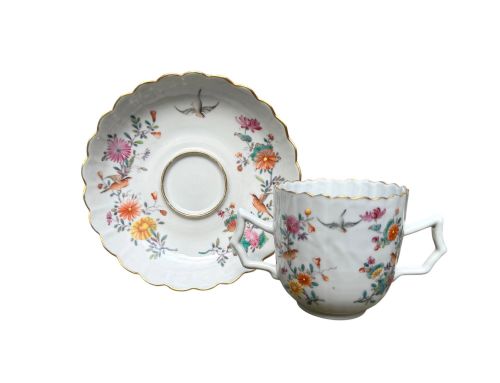
The pieces appearing here predominantly date from the eighteenth century, aligned with the Qianlong period and the Qing dynasty. Forms range from everyday domestic items like tea bowls and saucers to grander armorial services bearing specific European coats of arms.
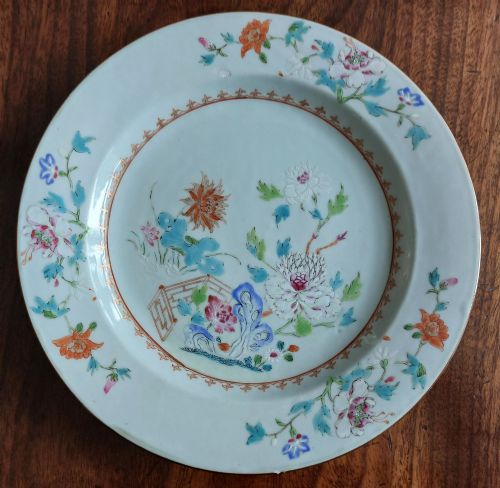
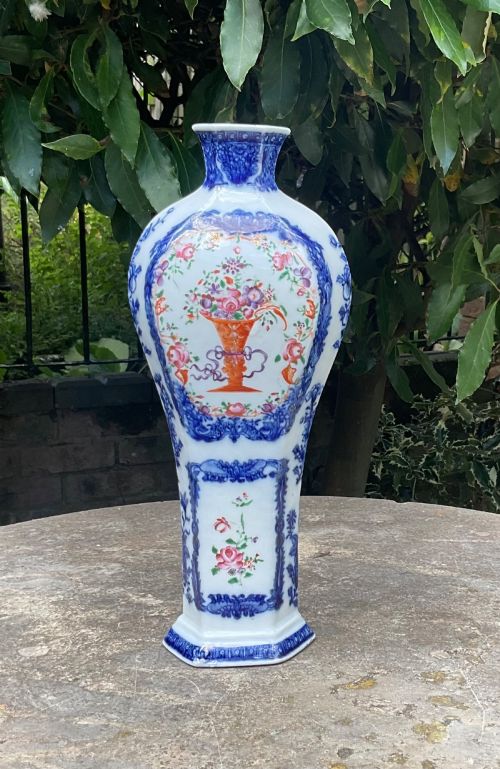
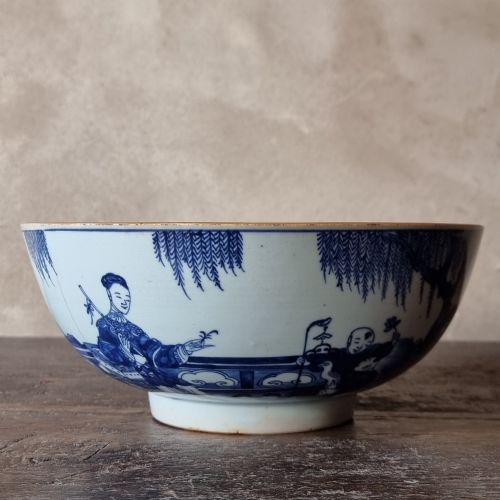
Makers in the surviving record deployed various decorative schemes, most notably famille rose enamels, Chinese Imari, and cobalt glaze blue and white patterns. Specialised motifs such as Jesuit designs, mandarin palette scenes, and animal figures also surface frequently among the listings.
How they were made
Potters utilised hard-paste porcelain combined with overglaze enamel, enamel glaze, and gold leaf to achieve the detailed surfaces characteristic of these wares. Cobalt glaze was applied under the glaze for blue and white pieces before high-temperature firing.
Enamels were painted over the fired glaze and fixed at a lower heat, allowing artisans to build up complex figurative scenes in famille rose and mandarin palettes. Ceramic bodies were shaped into diverse forms, from standard plates and chargers to moulded animal figurines and pierced baskets.
Keep an eye out for export porcelain shaped as dogs and acrobats, proving that eighteenth-century traders had a solid appreciation for novelty.
What varies in quality
Quality in qianlong export ceramics rests upon the precision of the hand-painted brushwork and the complexity of the decorative scheme. Armorial pieces commissioned for specific families often display meticulous heraldic detail, while specialised subjects like Jesuit scenes require exceptional skill from the painter.
The crispness of the porcelain body, the vibrancy of the overglaze enamels, and the preservation of any applied gold leaf dictate the visual success of each vessel. Condition and the integrity of moulded details on figures or pierced basketry further distinguish finer examples from standard production wares.
The Qianlong Export Ceramics Glossary
- Famille rose
- A palette of opaque overglaze enamels dominated by pink or rose colours, introduced during the Qing dynasty. It allowed artists to render soft tonal gradations on floral and human subjects.
- Armorial porcelain
- Custom-ordered dinner services painted with a European family's specific coat of arms. These were commissioned through trade agents in Canton during the eighteenth century.
- Chinese Imari
- Porcelain decorated in underglaze blue, iron red, and gold, imitating Japanese Imari wares that were popular in Europe. This style bridges earlier blue and white traditions with colourful enamel work.
- Mandarin palette
- A style of enamel decoration featuring elaborate interior or court scenes framed by patterned borders. It often depicts figures engaged in daily activities or formal gatherings.
- Hard-paste porcelain
- A dense, vitrified ceramic made from petuntse and kaolin, fired at high temperatures. It forms the durable body characteristic of export wares from this era.
Qianlong Export Ceramics: Frequently Asked Questions
How were punch bowls used?
Punch bowls served as large communal vessels for mixing and serving alcoholic punches at eighteenth-century social gatherings. Guests would ladle the drink directly from the bowl into individual cups.
Because of their generous proportions, these bowls often featured expansive interior and exterior painted scenes, making them centrepieces of dining and hospitality.
What is an armorial service?
An armorial service is a set of porcelain tableware painted with the specific heraldic crest or coat of arms belonging to a European family, institution, or corporation. Wealthy patrons commissioned these large sets directly through trade routes to display status at dinner parties.
Each plate, platter, and tureen in the service carried the hand-painted heraldry, executed by painters in export workshops following sketches sent from Europe.
How do I care for export porcelain?
Export porcelain requires gentle handling, ideally washing by hand in warm water with mild soap rather than placing pieces in a dishwasher. The overglaze enamels and gold leaf can wear down over time if subjected to harsh detergents or abrasive scrubbers.
Display vessels securely away from heavy foot traffic to prevent accidental knocks, and avoid sudden temperature changes that might stress the ceramic body.
What defines the Qianlong period?
The Qianlong period spans the reign of the Qianlong Emperor from 1736 to 1795 within the Qing dynasty. This era marked a peak in porcelain production and technical skill at the imperial kilns in Jingdezhen.
Export wares produced during these decades benefited from this technical proficiency, resulting in refined forms and sophisticated enamel applications tailored for foreign markets.