


Qing Dynasty Tea Bowl
A qing dynasty tea bowl brings tactile imperial history to your table, spanning delicate porcelain and carved coconut shaped by centuries of tradition.
Qing Dynasty Tea Bowl
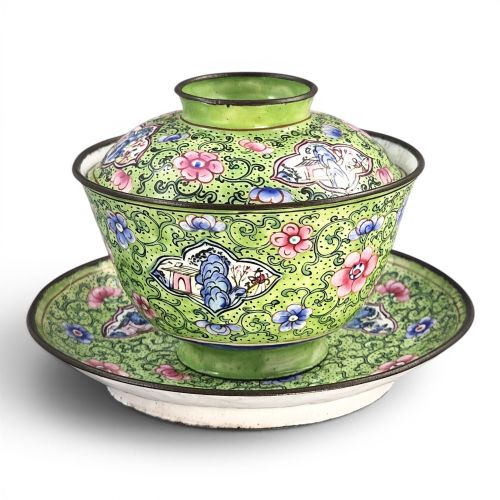
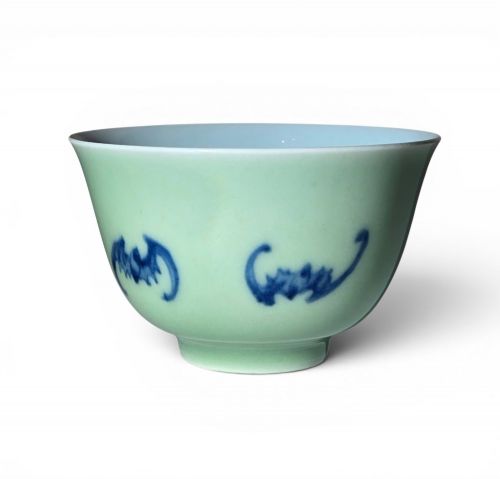
When you search for a qing dynasty tea bowl, you encounter finely potted vessels originating from the eighteenth and nineteenth centuries, including items from the Kangxi, Qianlong, and Daoguang periods. The selection ranges from cobalt underglaze blue and celadon-ground cups to famille rose bowls, Chinese export porcelain, and Canton enamel tea sets.
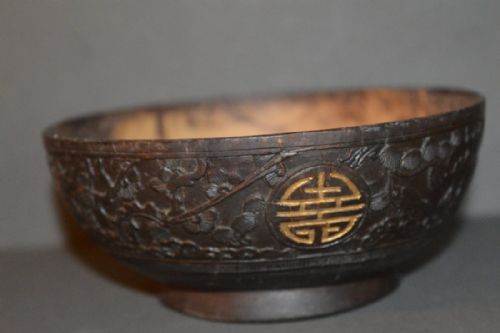
You are most likely to meet eighteenth-century export porcelain tea bowls and saucers alongside nineteenth-century vessels. Forms vary from simple decorative bowls and teacups to complete gaiwan tea sets and carved coconut bowls bearing gilt symbols.
Materials and Construction
These pieces rely primarily on fine porcelain shaped by skilled potters, decorated with cobalt underglaze, overglaze enamel, and gold leaf. Alternative organic materials also appear, evidenced by nineteenth-century carved coconut bowls adorned with gilt Chou symbols.
Techniques span meticulous hand-painting in palettes such as Mandarin and famille rose, alongside intricate carving on alternative substrates like copper and coconut. Glazing methods include cobalt blue applications and celadon-ground surfaces that provide a smooth, durable finish.
Listings span the 18th and 19th centuries, featuring porcelain, enamel, gold leaf, copper, and carved coconut.
Distinctions in Quality
Quality rests upon the precision of the hand-painted detail and the refinement of the ceramic body, where crisply controlled cobalt underglaze or finely rendered famille rose enamels distinguish superior works. The harmony of the glaze, whether celadon-ground or clear, dictates the visual depth of the vessel.
The presence of period marks, such as a Kangxi or Qianlong mark, alongside exceptional provenance like signed restoration or intricate gilt detailing, elevates certain pieces above standard domestic wares.
The Qing Dynasty Tea Bowl Glossary
- Qing Dynasty
- The final imperial dynasty of China, lasting from 1644 until 1912. This era produced some of the most sophisticated ceramics in Asian history.
- Cobalt Underglaze
- A blue pigment applied to the raw clay body before glazing and firing at high temperatures. This technique ensures the colour remains permanently sealed beneath the shiny surface.
- Famille Rose
- A palette of opaque enamel colours introduced in the eighteenth century, dominated by pink hues. It allowed artists to render intricate floral and figurative scenes with painterly realism.
- Gaiwan
- A traditional Chinese teaware set consisting of a saucer, a bowl, and a lid used for steeping and drinking tea. These pieces showcase the versatility of nineteenth-century craft.
- Celadon
- A pale green jade-like glaze applied to porcelain. It creates a subtle, tactile surface that accentuates the contours of the thrown clay.
Qing Dynasty Tea Bowl: Frequently Asked Questions
How do I date a tea bowl?
Dating relies on stylistic evidence, materials, and reign marks, though marks must be evaluated alongside the potting style and glaze characteristics.
Eighteenth-century examples often display vibrant export palettes like Mandarin or fine cobalt blue, while nineteenth-century pieces may utilise Canton enamels or carved coconut.
Are these bowls safe for tea?
While historic porcelain is structurally stable, many collectors prefer to display antique tea bowls rather than use them daily.
Gentle handling is essential due to the fragile nature of overglaze enamels and gold leaf decorations that can wear over time.
What is a gaiwan tea set?
A gaiwan is a traditional lidded bowl resting on a saucer, designed for steeping loose-leaf tea.
Canton enamel versions from the nineteenth century demonstrate how these sets combined practical brewing with elaborate exterior decoration.
Why do some bowls have marks?
Imperial and period marks were often painted on the base to honour earlier emperors or denote the reigning period of production.
Recognising marks from eras like Qianlong or Kangxi helps contextualise the origin of the ceramic.