


Qing Dynasty Porcelain Cup
A qing dynasty porcelain cup brings imperial craftsmanship to your table, offering delicate forms painted in vibrant enamels and cobalt underglaze.
Qing Dynasty Porcelain Cup
The pieces encompass export wares made for trade alongside imperial items bearing specific reign marks. Many examples display elaborate pictorial scenes rendered in polychrome palettes.
How they were made
Potters shaped hard-paste porcelain before applying cobalt underglaze pigments for blue and white designs. Glaze seals the body, creating a smooth surface ready for further decoration.
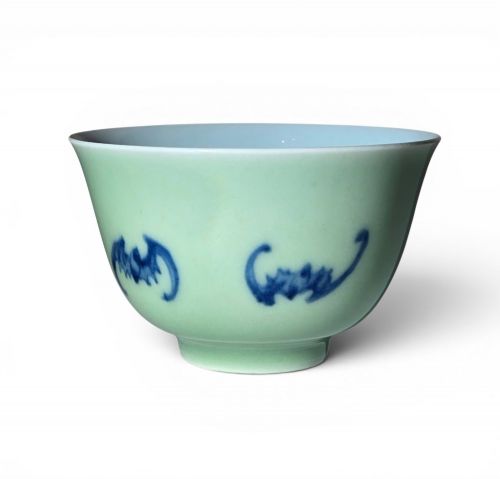
Artisans added overglaze enamel colours, gold leaf, and yellow glazes in subsequent firings. This technique allowed for intricate details such as bat motifs and acrobatic scenes.
Listings feature hard-paste porcelain decorated with gold leaf, enamel, and cobalt underglaze across the eighteenth and nineteenth centuries.
What varies in quality
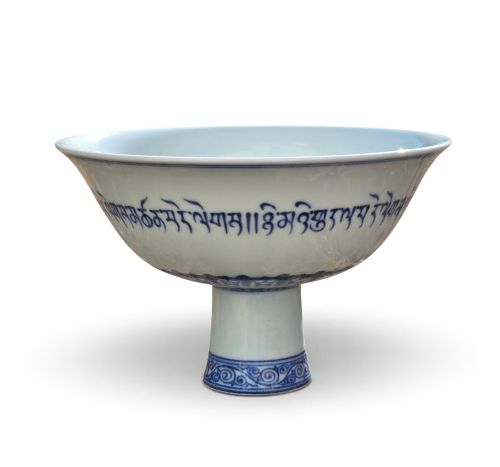
Quality rests upon the precision of the brushwork and the clarity of the cobalt underglaze or overglaze enamel. Finer pieces demonstrate meticulous control in detailed motifs like the thousand lohan or Tibetan script.
The refinement of the porcelain body and the evenness of the glaze separate standard export production from imperial commissions. Superior examples maintain crisp forms and well-preserved gilding.
The Qing Dynasty Porcelain Cup Glossary
- Cobalt Underglaze
- A blue pigment applied to the porcelain body before glazing and firing at high temperatures. This mineral pigment produces deep blue designs beneath the clear glaze.
- Overglaze Enamel
- Coloured glass powders painted onto already fired and glazed porcelain, then fixed in a lower-temperature kiln. This method allows for bright greens, pinks, and yellows.
- Stem Cup
- A drinking vessel elevated on a tall, hollow foot. These forms often relate to ritual or ceremonial uses.
- Hard-paste Porcelain
- A dense, vitreous ceramic composed of kaolin and petuntse fired at high temperatures. It forms the durable foundation for Qing dynasty vessels.
- Famille Rose
- A palette characterised by opaque pink enamels introduced during the eighteenth century. Artisans used these tones to render soft floral and figurative compositions.
Qing Dynasty Porcelain Cup: Frequently Asked Questions
How do I date a Qing cup?
Dating relies on stylistic markers, materials, and reign marks when present. Eighteenth-century pieces often display specific Qianlong characteristics, while later nineteenth-century items show distinct shifts in palette and form.
Examining the base, glaze texture, and enamel types helps distinguish between earlier production periods and later styles.
What is export porcelain?
Export porcelain refers to wares manufactured in China specifically for overseas markets in Europe and the West. These items frequently combine traditional Chinese techniques with shapes and scenes tailored to foreign tastes.
Such pieces include robust mugs and extensive tea services alongside standard bowls and saucers.
Are these cups safe for tea?
While these historical vessels were originally functional tableware, collectors generally treat them as display objects due to their age and delicate nature. Hairlines, old restorations, or delicate overglaze enamels require careful handling.
Hand washing in lukewarm water without harsh detergents is recommended if any vessel is used.
What are stem cups used for?
Stem cups serve as ceremonial or ritual drinking vessels with deep historical roots in Chinese culture. The elevated foot provided a secure grip during rituals.
Later examples often imitate earlier bronze or ceramic prototypes in form and decoration.