

Famille Rose Export Ceramic
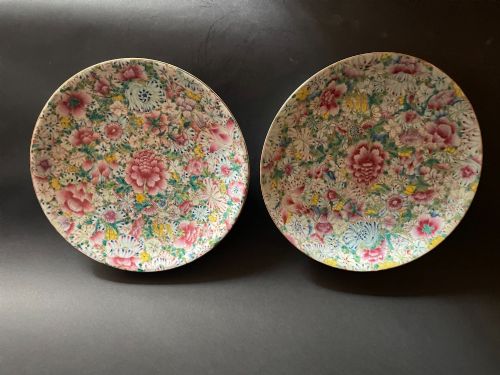
When you search for famille rose export ceramic, you enter a world of hand-painted porcelain decorated in bright pink opaque enamels for overseas markets.
Famille Rose Export Ceramic
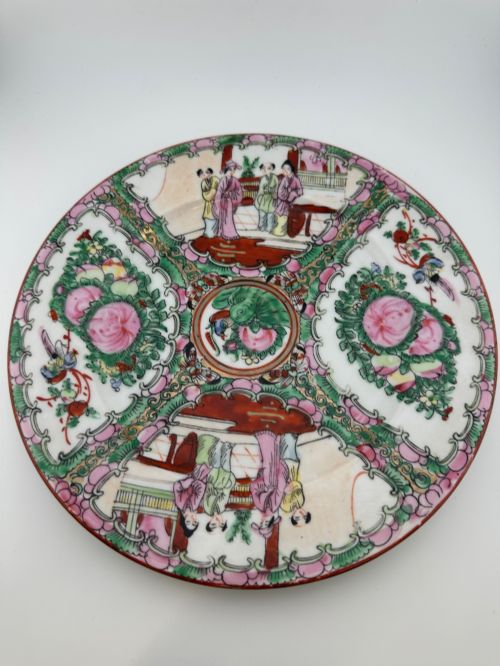
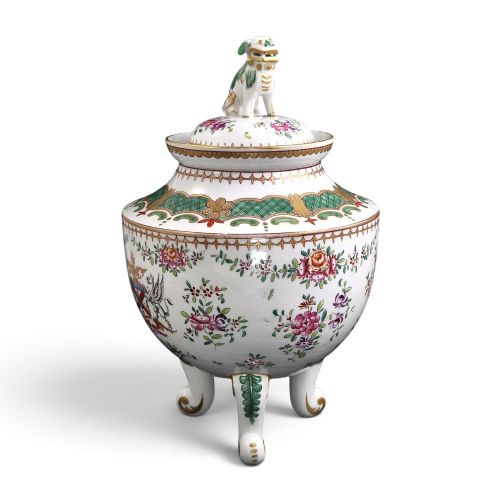
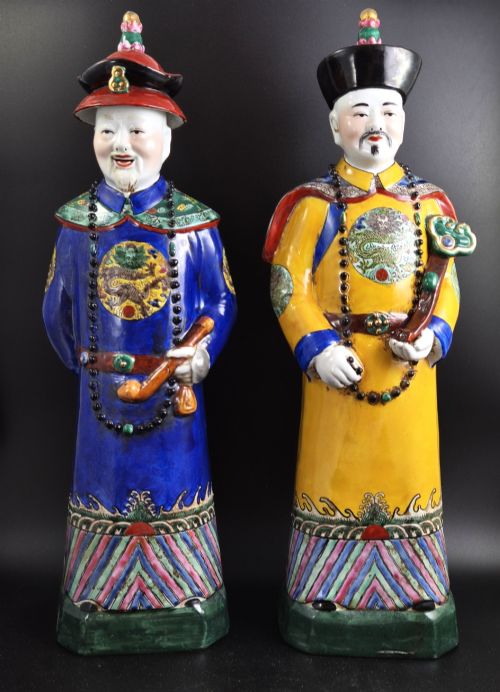
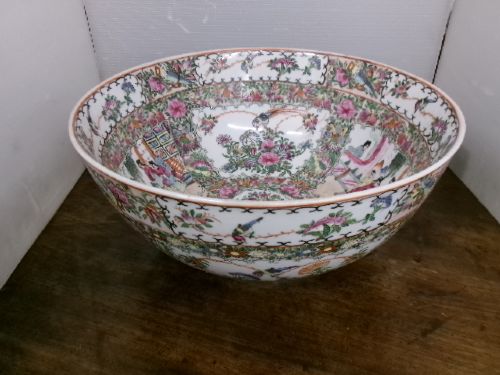
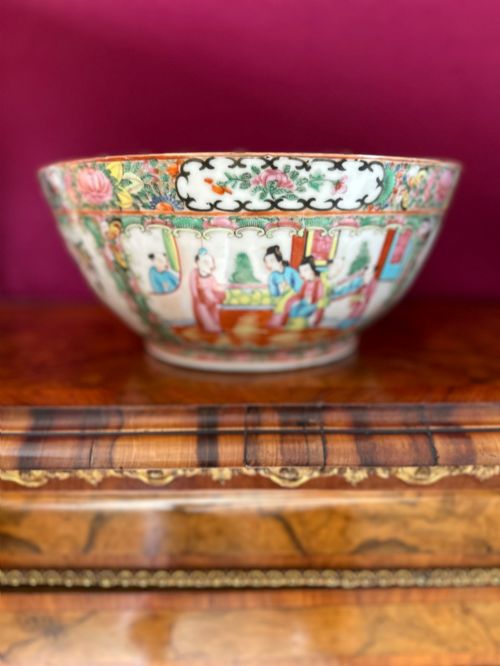
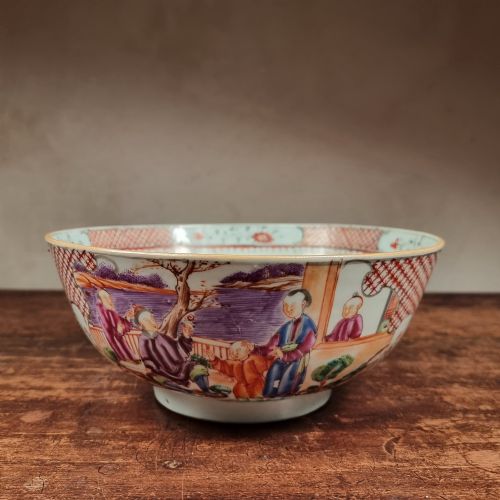
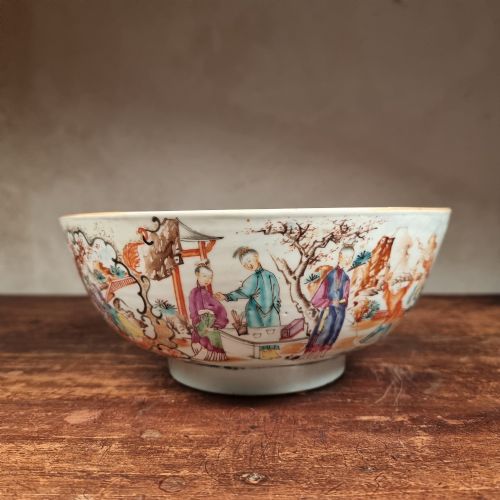
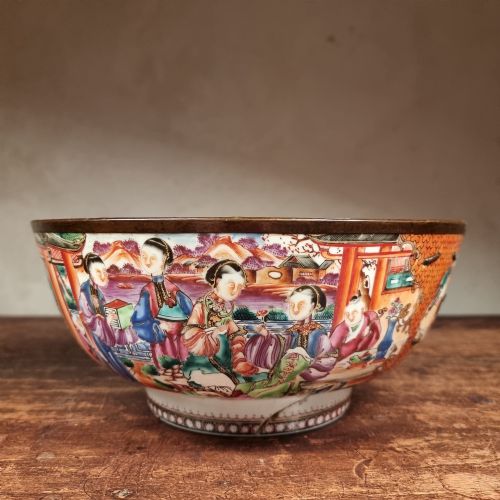
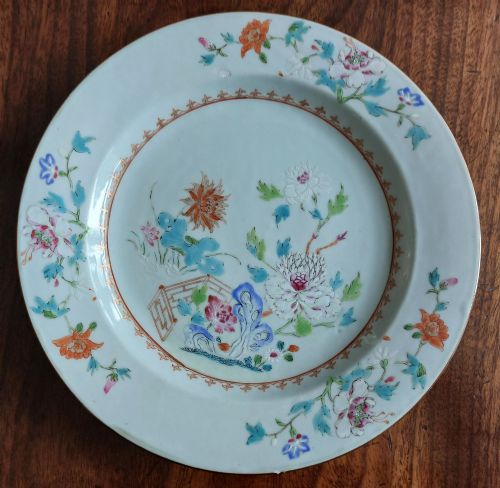
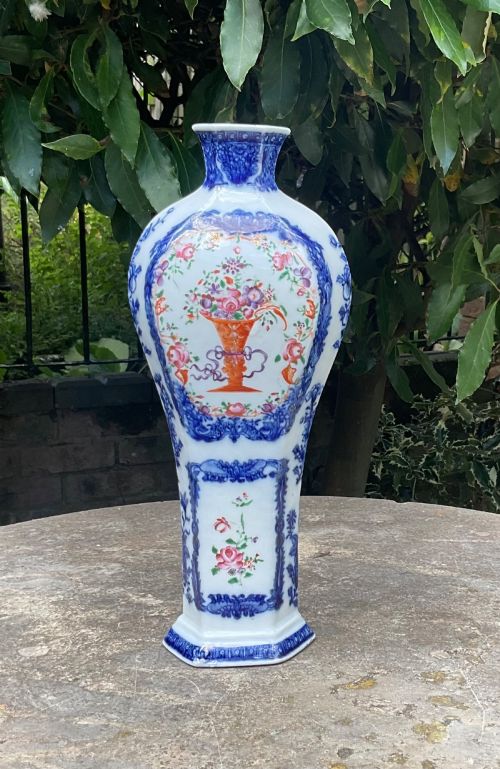
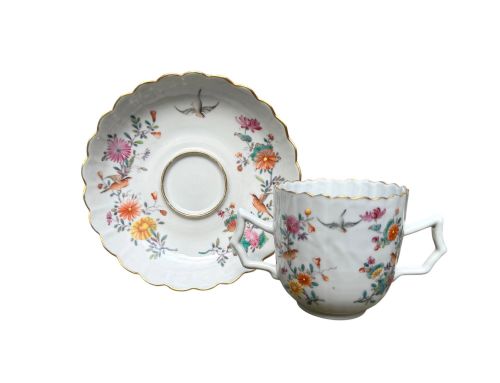
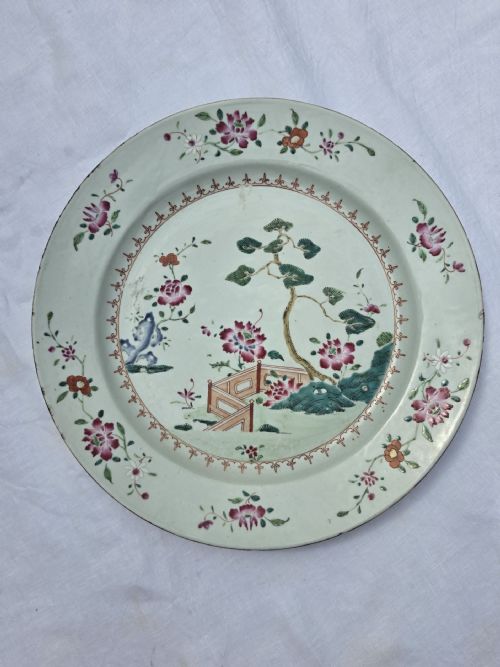
Famille rose export ceramic items comprise functional and decorative vessels produced in China and Europe for international trade. The pieces span centuries of kilning tradition, with the bulk originating in the eighteenth and nineteenth centuries during the Qing dynasty. Collectors encounter tablewares, large punch bowls, armorial plates, and monumental vases painted with floral motifs, figures, and heraldic crests.
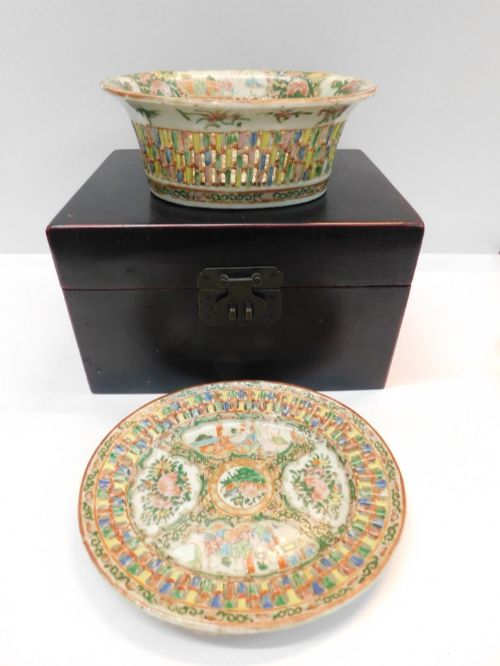
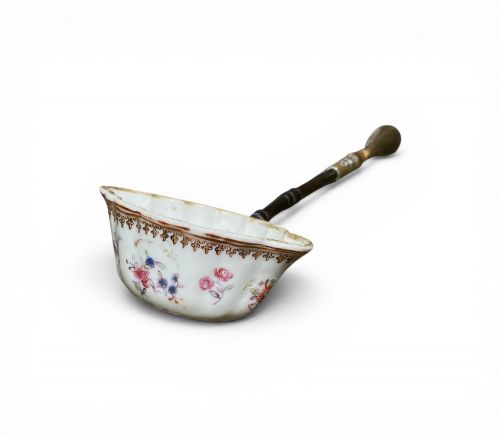
Objects from this category take many domestic forms. Bowls, dishes, teapots, and sauce boats appear frequently alongside tall vases and reticulated chestnut baskets. The aesthetic bridges Eastern manufacturing techniques with Western decorative demands, resulting in durable porcelain bodies designed for display or dining.
How they were made
Makers formed these items using hard-paste porcelain fired at high temperatures to vitrify the clay body. Artisans then applied translucent or opaque glazes to create a smooth, waterproof surface suitable for detailed brushwork.
Decoration relied on overglaze enamels, notably the signature rose-pink pigment derived from colloidal gold, combined with secondary colours and gilding. Craftsmen fused these pigments in a subsequent low-temperature muffle kiln firing to fix the colours permanently to the glaze.
Current listings span the eighteenth and nineteenth centuries, featuring hard-paste porcelain decorated with overglaze enamel and gold leaf.
What varies in quality
Quality rests upon the precision and complexity of the enamel painting. Pieces displaying minute brushwork, well-defined facial expressions on figures, and neatly executed borders achieve a higher standard than those with hasty, repetitive strokes.
The crispness of the porcelain moulding and the evenness of the glaze application also separate standard production wares from elite commissions. Armorial services and imperial-marked items demonstrate superior throwing and finishing at the workbench.
Samson Paris·Fujian Huiguan
The Famille Rose Export Ceramic Glossary
- Famille Rose
- A palette of ceramic enamel colours introduced in the Qing dynasty, dominated by an opaque pink derived from gold. The name stems from French classifications of Chinese porcelain families.
- Armorial
- A ceramic design painted with a specific European family coat of arms or crest. These services were custom ordered through trade agents.
- Canton
- A style of Chinese export porcelain decorated in vibrant polychrome enamels, often featuring panels of figures alternating with birds, flowers, and butterflies. Production centred on the southern port city.
- Reticulated
- Having an openwork lattice or basket-weave pattern formed in the clay before firing. This technique required considerable skill to prevent warping in the kiln.
Famille Rose Export Ceramic: Frequently Asked Questions
What is famille rose export ceramic?
Famille rose export ceramic refers to porcelain made in China specifically for overseas markets, decorated with a distinct pink enamel palette.
These items range from everyday tablewares to large punch bowls and armorial services commissioned by foreign buyers.
How do I date these ceramics?
Dating relies on stylistic shifts, reign marks, and the types of enamel used in the decoration. Eighteenth-century pieces often feature finer paste and delicate floral motifs.
Nineteenth-century Canton items tend to display denser, brighter panels of figures and gilt foliage.
Were these made for dining?
Many items served practical dining functions, including soup plates, sauce boats, teapots, and large punch bowls used at banquets.
Others, such as monumental vases and decorative chargers, were strictly intended for interior display in European homes.
How do I care for these pieces?
Clean these ceramics gently by hand using lukewarm water and mild soap, avoiding abrasive sponges that can scratch the delicate overglaze enamels.
Keep them away from direct sunlight and sudden temperature changes to protect the fragile gold leaf and pigment layers.