
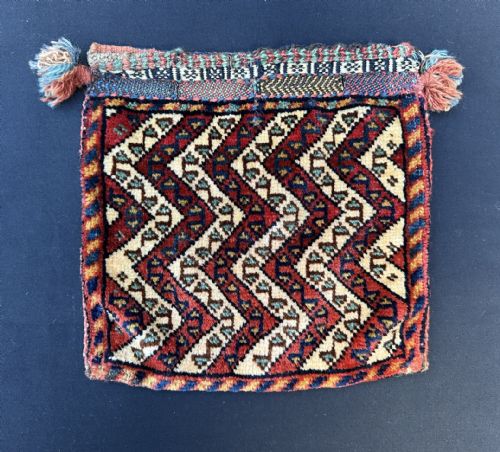
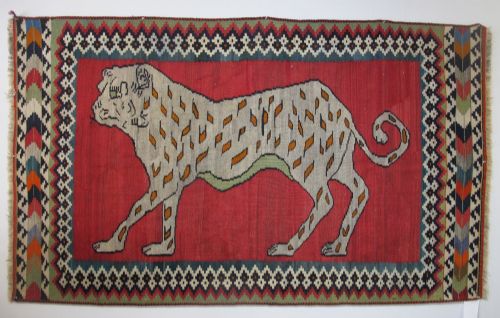

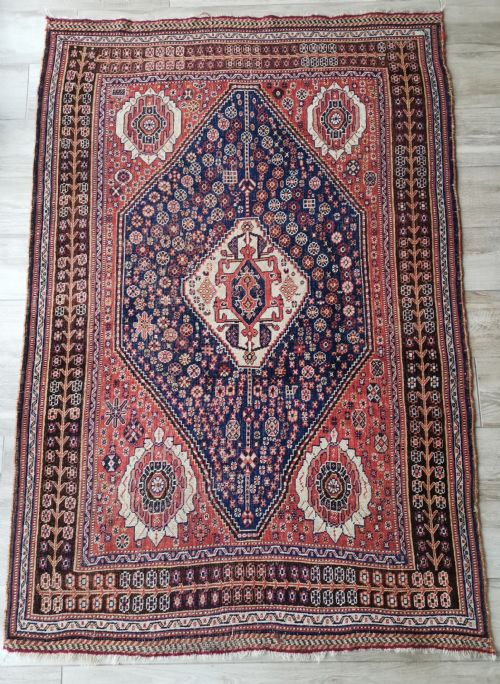
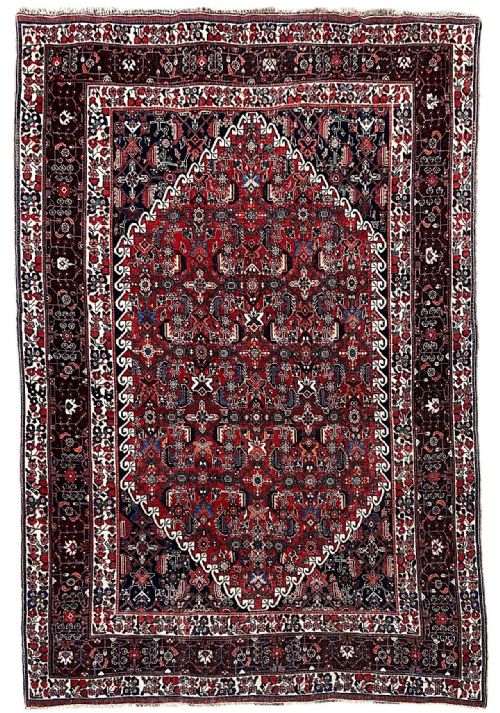




Qashqai Tribal Rug
A qashqai tribal rug brings hand-knotted Persian artistry and rich wool texture into a room.
Qashqai Tribal Rug
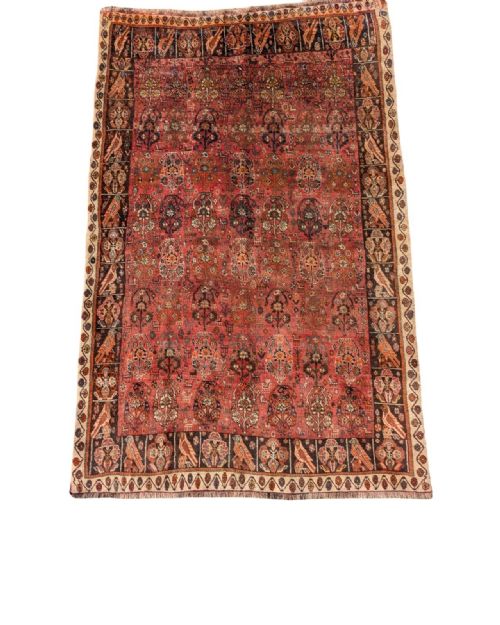
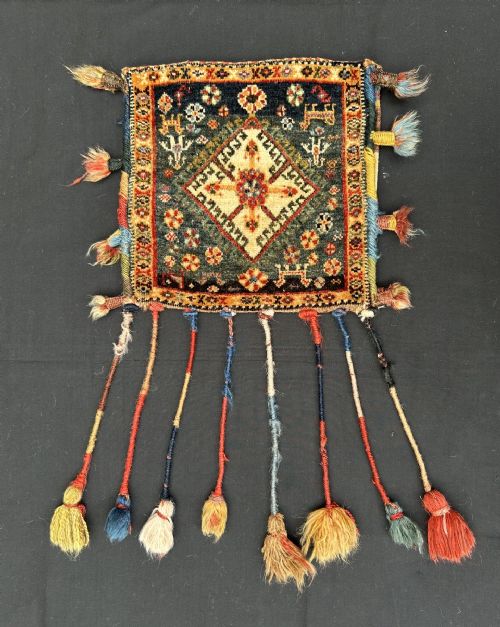
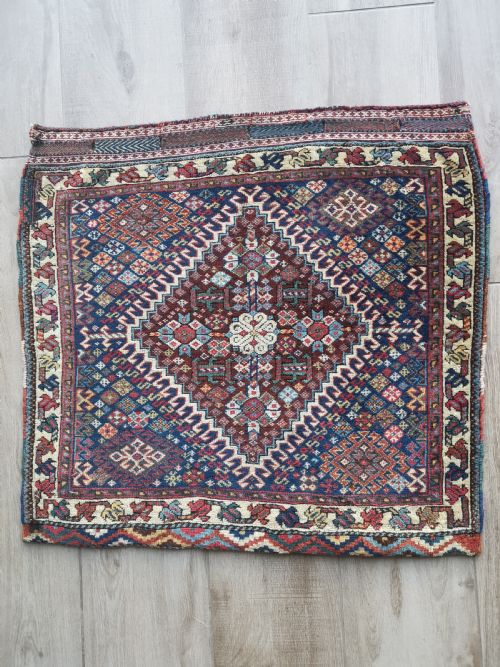
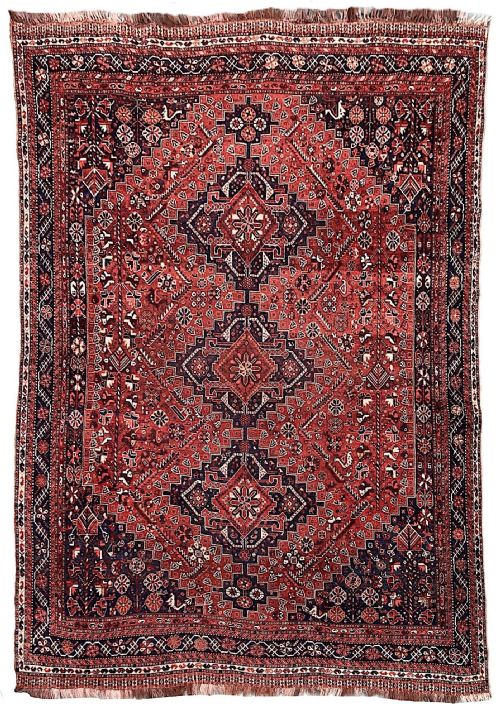
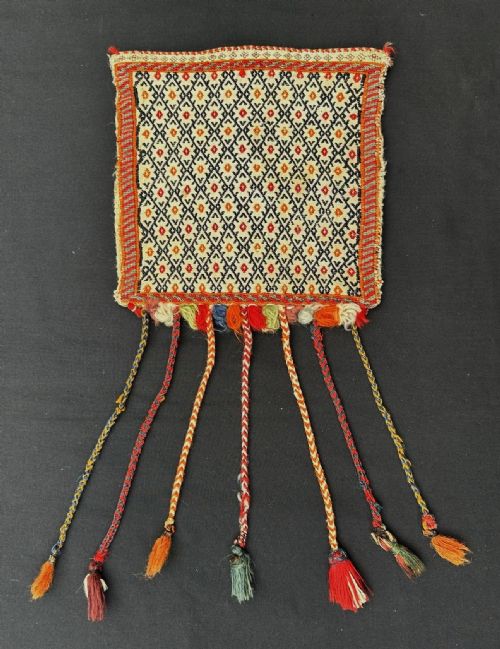
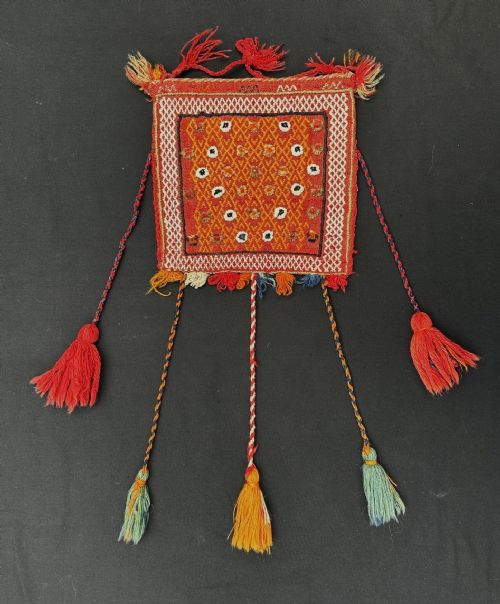
A qashqai tribal rug is a hand-knotted textile originating from the south west Persian nomadic confederation, produced in formats ranging from small rugs to large main carpets and horse covers. When you search for this phrase, you encounter authentic pieces woven in traditional regional styles, including Shekarlu, Kashkuli and Shiraz related formats.
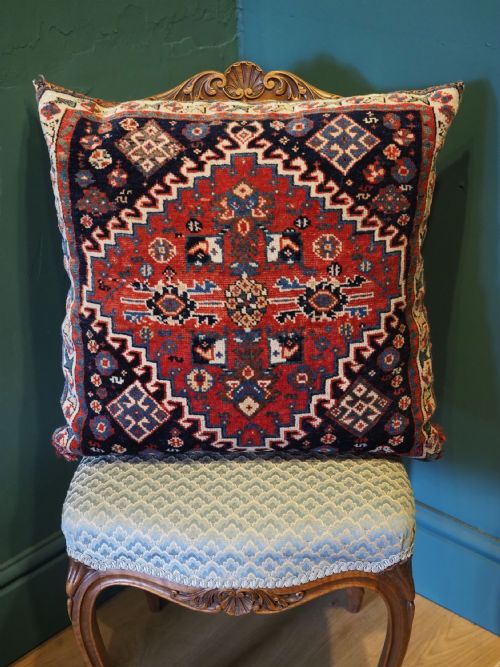
The designs draw heavily on Persian tribal motifs, featuring triple medallions, Herati lattice patterns, animals, peacocks, boteh and architectural references such as the pillars of Persepolis. Backgrounds vary from deep reds and ivories to striped layouts, reflecting the diverse visual language of the weavers.
Materials and construction
These floor coverings utilise wool and sometimes silk wefts, constructed through traditional hand-knotting techniques characteristic of south west Persian nomadic weaving. The handling of materials produces varying textures, from standard tribal weaves to exceptionally fine structures.
Natural dyes provide the colour palette, yielding deep red grounds, ivory fields and varied secondary tones that age with distinct character. The application of these dyes creates the rich visual depth seen across both current listings and archive pieces.
Qashqai Tribal Rug Retail Price Guide 2026
Typical asking prices for qashqai tribal rug among the pieces listed under this phrase on Sellingantiques today, from the lower quarter to the upper quarter. They describe what is for sale here now, not the wider market.
Listings span periods from 1870 to 1920, executed in wool and natural dyes across formats including main carpets, area rugs and horse covers.
Markers of distinction
The distinction between standard examples and the finest pieces rests upon the precision of the weave and the complexity of the design. A finer knot count permits intricate rendering of animals, borders and central medallions.
Colour saturation and the vibrancy achieved through natural dyes dictate visual impact. Superior pieces combine balanced proportions, crisp drawing of tribal motifs and excellent preservation of the wool pile.
The Qashqai Tribal Rug Glossary
- Shekarlu
- A specific sub-group of qashqai tribal rugs often characterised by bold red grounds and distinct tribal motifs. These pieces showcase traditional design elements associated with specific tribal clans.
- Kashkuli
- A designation denoting finer nomadic weaving, frequently associated with a softer wool pile and intricate detail. Collectors prize these examples for their elevated technical execution.
- Boteh
- A teardrop or almond-shaped motif with a curved upper end, widely used in Persian weaving. This ancient symbol represents a stylized floral spray or cypress tree.
- Herati
- A repeating lattice pattern composed of a floral rosette enclosed within a rhombus and flanked by curved leaves. It forms a foundational design structure in many traditional Persian carpets.
- Medallion
- A central ornamental design motif placed in the field of the rug. Triple medallion layouts are a recurring feature in south west Persian nomadic pieces.
Qashqai Tribal Rug: Frequently Asked Questions
How do I identify a qashqai tribal rug?
Look for characteristic Persian tribal motifs, including central medallions, animals, peacocks, and geometric borders. The use of wool and natural dyes further helps confirm authenticity.
Check for south west Persian regional markers such as Shekarlu or Kashkuli sub-types, which exhibit specific design structures and weave densities.
Where were these rugs made?
These textiles were produced by nomadic and settled tribes in south west Persia, particularly associated with the Qashqai confederation and the broader Shiraz region.
Weavers travelled seasonally across these territories, incorporating local flora, fauna, and architectural influences like Persepolis into their designs.
How should I care for a antique rug?
Vacuum gently using a suction-only attachment without a rotating brush bar to protect the wool pile and fringe. Keep the textile away from direct sunlight to preserve the natural dye colours.
Rotate the rug periodically to ensure even wear across high-traffic areas and consult a specialist for professional cleaning.
What periods do these pieces date from?
The available selection primarily encompasses late nineteenth-century and early twentieth-century production, dating from roughly 1870 through to 1920.
These dates align with the traditional period of nomadic and village weaving before modern commercial dyes and standardised production altered the craft.