



Provincial Wooden Armchair
A provincial wooden armchair brings rustic warmth and sturdy utility to a room, offering honest craftsmanship shaped by regional traditions.
Provincial Wooden Armchair
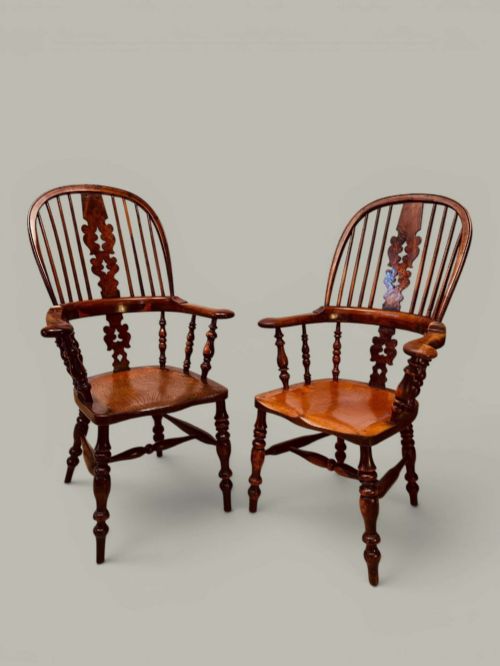
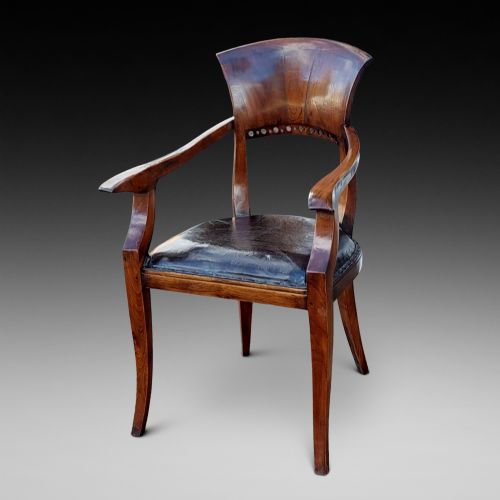
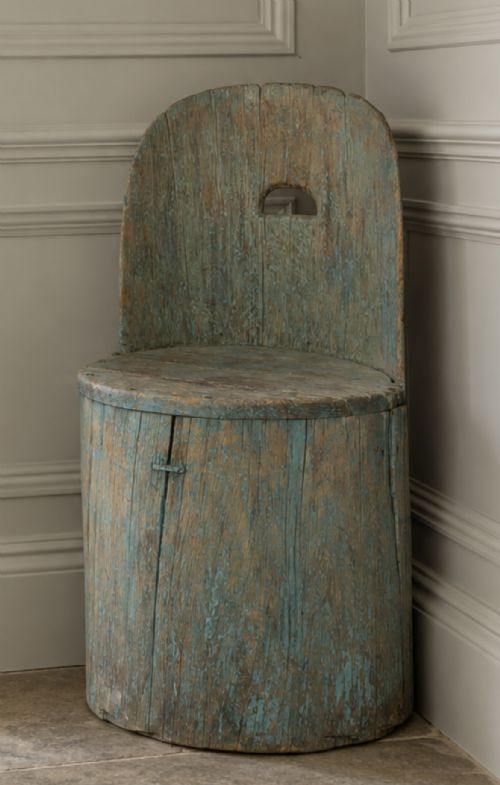
A provincial wooden armchair represents regional craftsmanship from the eighteenth, nineteenth, and early twentieth centuries, spanning English country houses, French chateaux, and Scandinavian homesteads. These seats were built by local joiners for daily domestic use rather than grand urban salons.
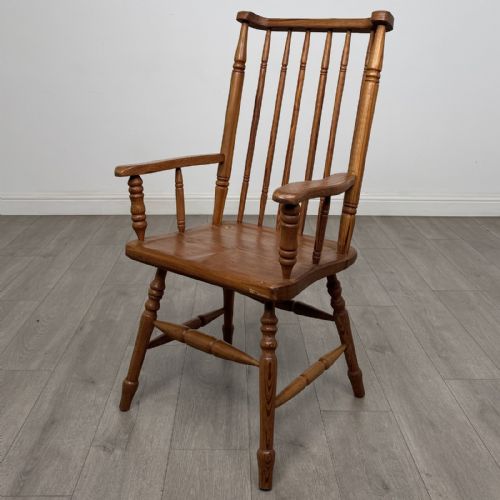
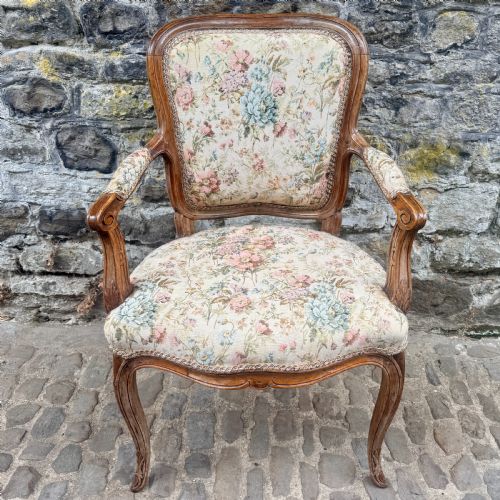
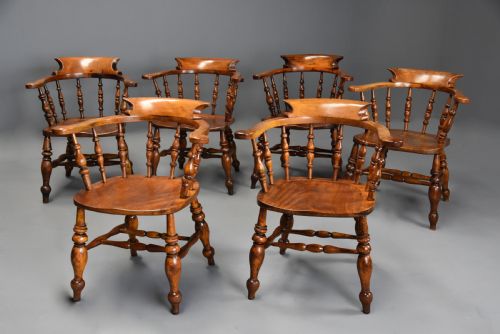
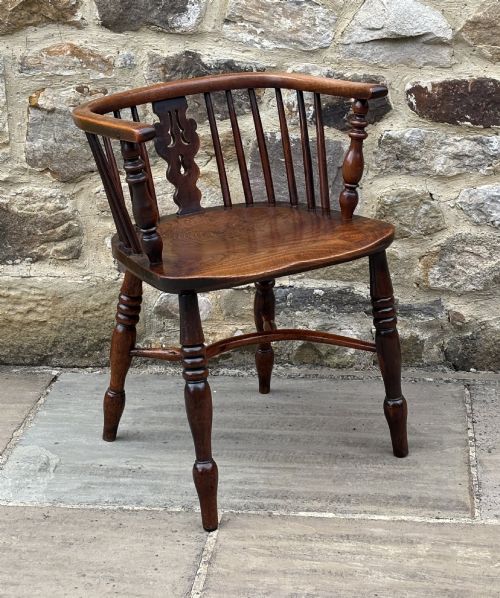
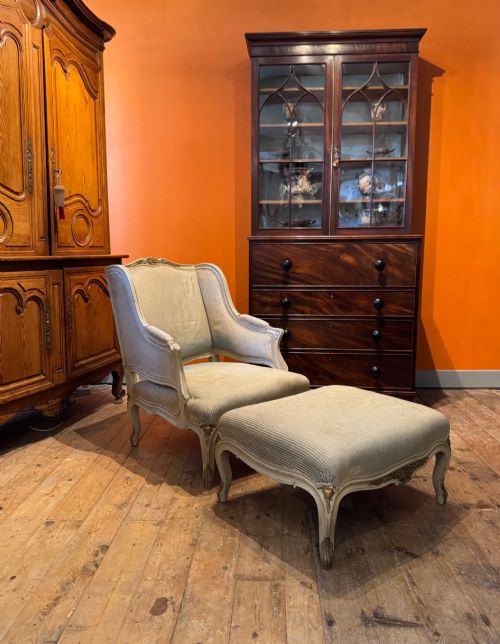
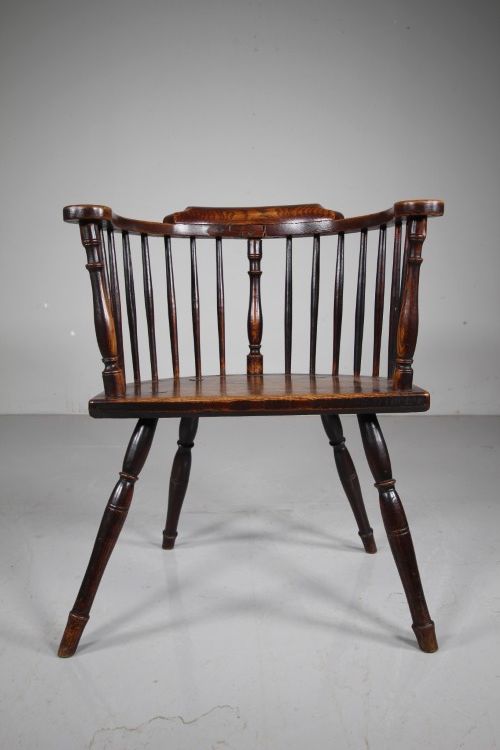
The most common examples on this page are country Windsors, elm country house armchairs, and French provincial styles in fruitwood, oak, and walnut. They appear as open armchairs, desk chairs, and low seaters, often retaining their original paint or warm patination.
Buyers seek these pieces to anchor a room with tactile history and comfortable proportion. Their varied regional forms reflect the timber available in local forests and the specific seating habits of rural communities.
How they were made
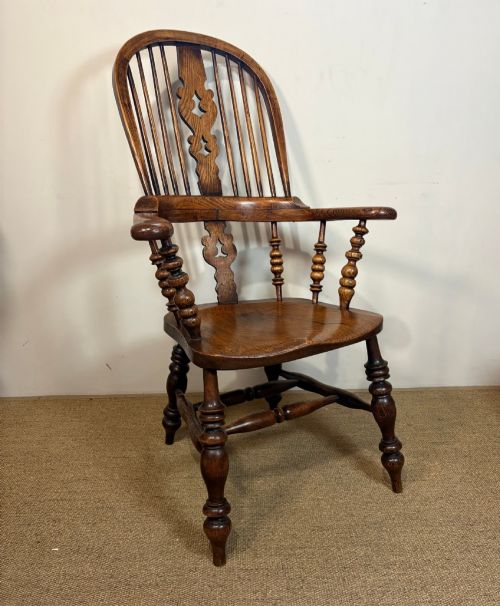
Local makers relied on native timbers such as oak, elm, beech, yew, and fruitwood, selecting woods that offered structural strength for legs and flexible grain for bent components. Windsor chairs typically combine a solid elm seat with ash or beech spindles and bent yew bows.
Joinery techniques combined traditional mortise and tenon joints with pegged frames and steam-bent components to withstand heavy daily use. French and English makers shaped armrests and cabriole or turned legs using drawknives, chisels, and lathes.
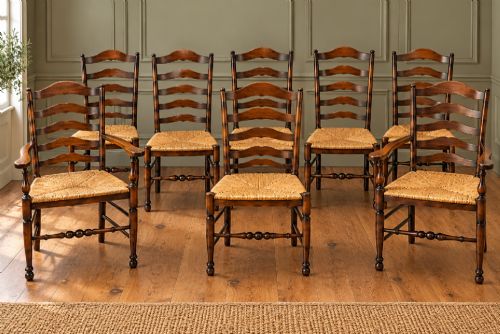
Surfaces were frequently left bare to develop a natural patina through handling, though many continental pieces received layers of paint or milk-based finishes. Rush seating and carved details added texture and comfort without relying on complex upholstery.
Provincial Wooden Armchair Retail Price Guide 2026
Typical asking prices for provincial wooden armchair among the pieces listed under this phrase on Sellingantiques today, from the lower quarter to the upper quarter. They describe what is for sale here now, not the wider market.
Listings feature pieces spanning the eighteenth century through the 1930s, constructed from oak, elm, walnut, beech, yew, pine, and fruitwood.
What varies in quality
Quality rests upon the integrity of the timber and the honesty of the construction, where tighter grain and minimal replacement parts distinguish finer survivals. Pieces that retain their original surface finishes and patination command greater interest than heavily stripped or over-restored examples.
The harmony of regional proportions and the skill of the turning on spindles and legs dictate the visual success of a chair. Subtle details, such as the sculptural shaping of a solid elm seat or the crispness of provincial carving, separate standard utility seating from superior regional work.
The Provincial Wooden Armchair Glossary
- Windsor chair
- A wooden chair featuring a solid saddle-shaped seat into which the legs and back spindles are directly dowelled. This form developed strength through its composite construction.
- Patination
- The gradual surface change and deep lustre acquired by wood through decades of handling, polishing, and exposure to light. It serves as a visual indicator of age.
- Fauteuil
- An open-armed upholstered armchair with exposed wooden framing, commonly associated with French seating design. The arms are typically padded at the elbows.
- Fruitwood
- Timber harvested from fruit-bearing trees such as pear, apple, or cherry, frequently utilised by provincial cabinetmakers for its fine grain and warm tone.
- Smokers bow
- A low-backed Windsor variant featuring a continuous curved armrail supported by turned spindles, popular in nineteenth-century inns and domestic parlours.
Provincial Wooden Armchair: Frequently Asked Questions
How do I identify an eighteenth-century chair?
Eighteenth-century chairs display hand-shaped joinery, pegged tenons, and timber surfaces showing deep patination from generations of use. Construction details often reveal tool marks left by drawknives and pit saws.
Proportions tend to be lower and wider than later reproductions, reflecting the physical ergonomics and domestic habits of the period. Examining the underside often exposes the natural ageing of native woods like elm and oak.
Where should I place a country armchair?
Country armchairs suit reading corners, hallways, and living spaces where their tactile wooden textures can warm up modern interiors. Their sturdy construction makes them practical for daily sitting rather than purely decorative display.
Pairing a rustic wooden armchair with simpler surrounding furniture allows the grain and regional form to stand out. They anchor a room by introducing historic character and organic material.
What woods were used for these chairs?
Makers utilised whatever timber grew locally in nearby forests, leading to regional variations in weight and colour. Elm was favoured for solid saddle seats because its interlocking grain resisted splitting.
Ash, beech, and yew provided strength for bentwood backs and slender spindles, while oak and walnut appeared in grander regional armchairs. French makers frequently turned to fruitwoods like cherry and pear for their smooth texture.