

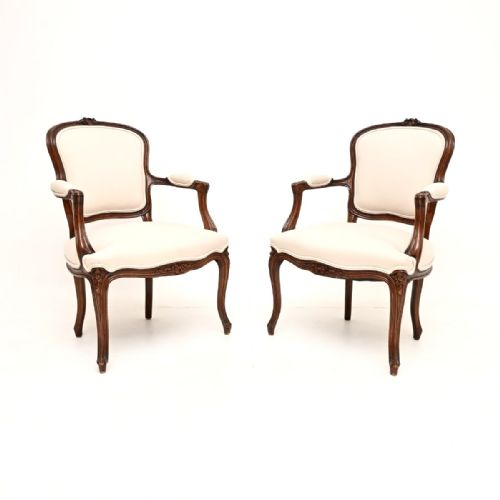

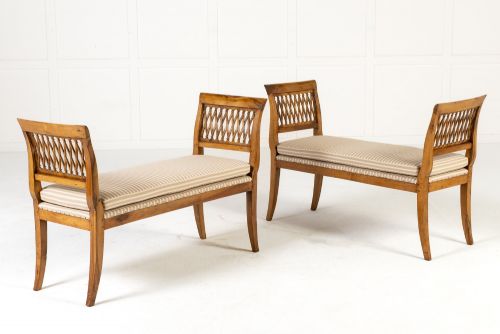
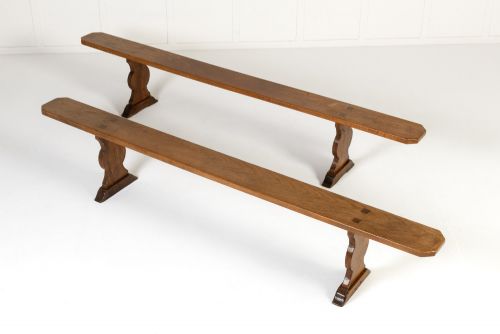
Provincial Walnut Furniture
Provincial walnut furniture comprises regional European commodes, tables and cabinets built from native timber for country houses.

Provincial Walnut Furniture
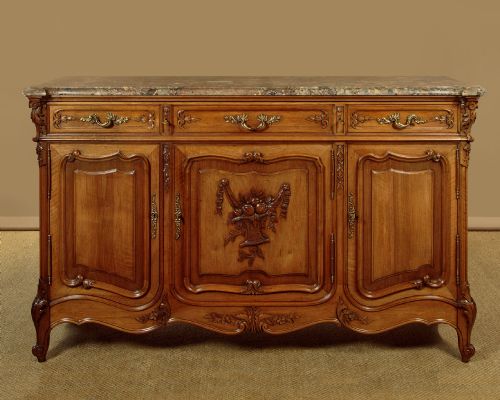
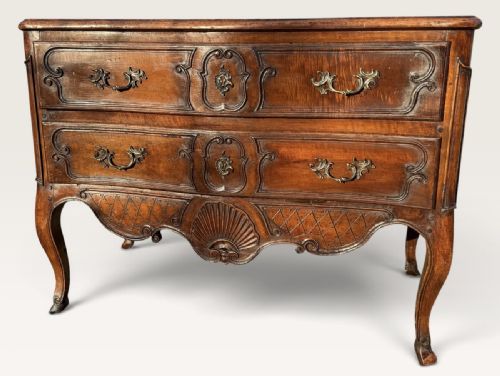
Provincial walnut furniture covers the regional tables, chests of drawers, commodes and cabinets produced outside metropolitan centres across France and Italy. These pieces reflect local interpretations of major design movements such as Louis XV, Louis XVI and Rococo Revival, adapted for domestic country use. Buyers seek this grouping for the warmth of the timber and the robust proportions characteristic of regional workshops.
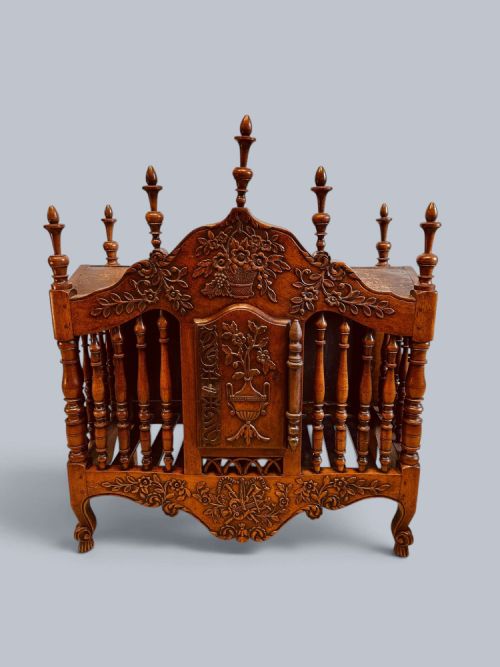
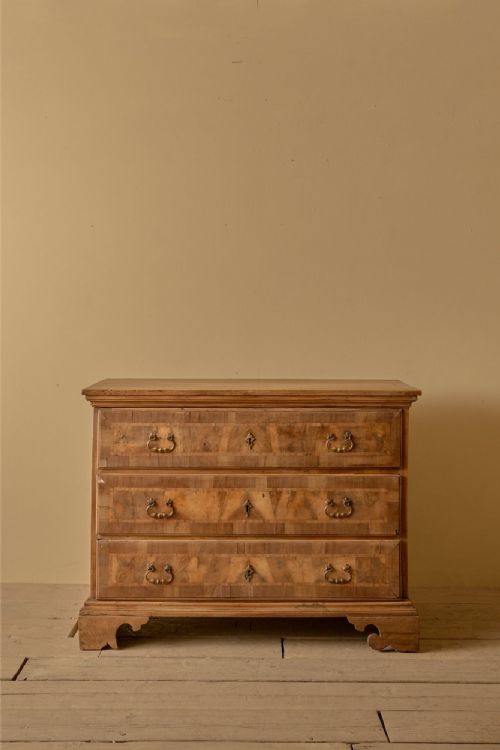
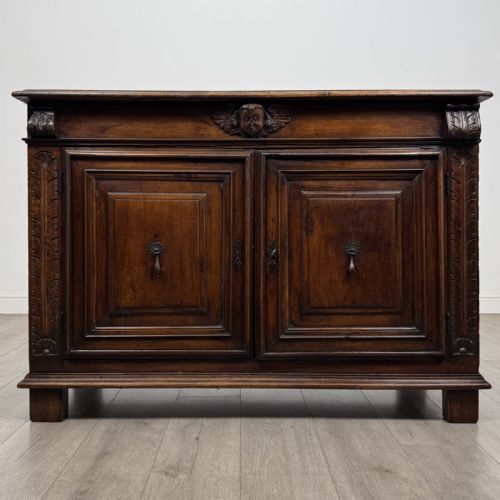
The selection here draws heavily on eighteenth-century and nineteenth-century pieces, with commodes and chests of drawers forming the most common discovery. Alongside these large storage forms, the inventory includes bedside tables, dining tables, side cabinets, armoires and panetières designed for bread storage. Originating chiefly from French regions like Burgundy and Alsace, as well as Italy, the objects span from seventeenth-century cabinets to twentieth-century tables.
How provincial walnut furniture was made
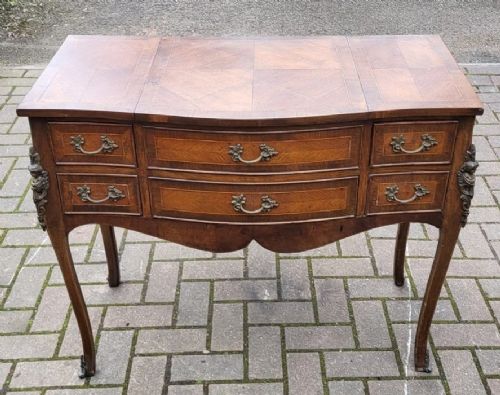
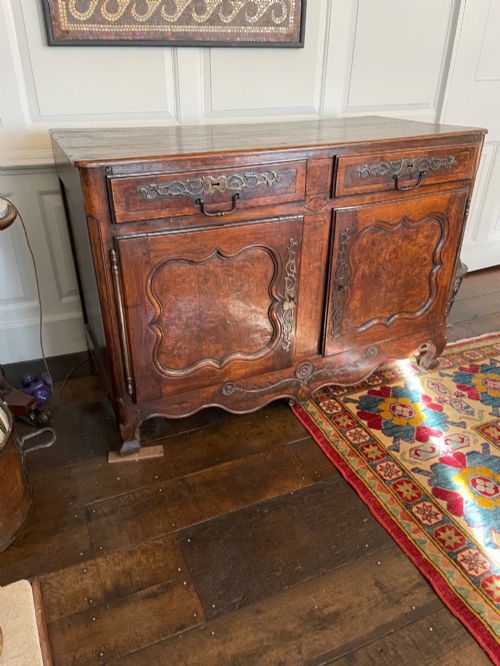
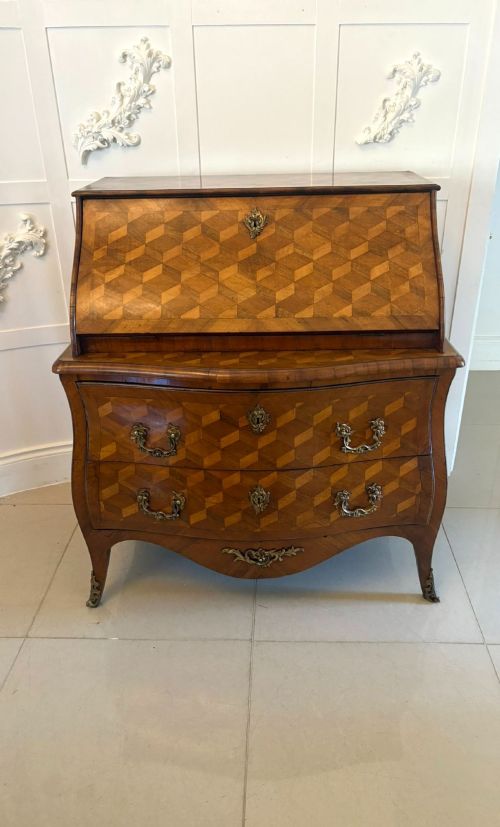
Makers utilised solid walnut for its dense grain and rich tone, frequently pairing the primary timber with decorative parquetry and marquetry patterns. Secondary woods and regional fruitwoods appear alongside burr elm accents on specific bureau and commode facades.
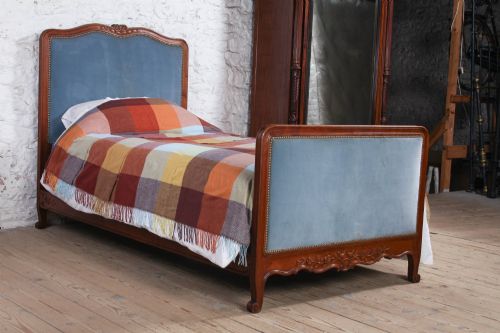
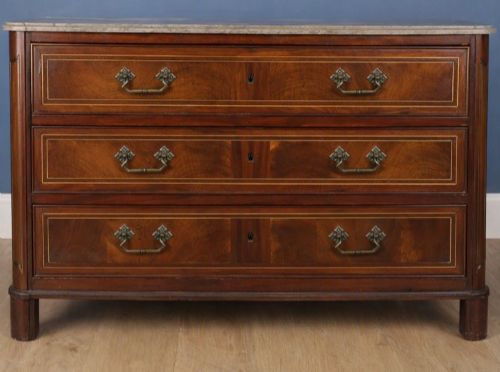
Hardware played a functional and decorative role, with brass handles and escutcheons secured to drawer fronts. Many commodes and side cabinets incorporate shaped marble tops, while occasional pieces integrate iron supports, glass panels, or textile and ormolu details.
Provincial Walnut Furniture Retail Price Guide 2026
Typical asking prices for provincial walnut furniture among the pieces listed under this phrase on Sellingantiques today, from the lower quarter to the upper quarter. They describe what is for sale here now, not the wider market.
The inventory spans the seventeenth, eighteenth, nineteenth, and twentieth centuries, featuring walnut combined with marble, brass, iron, and ormolu.
What varies in quality
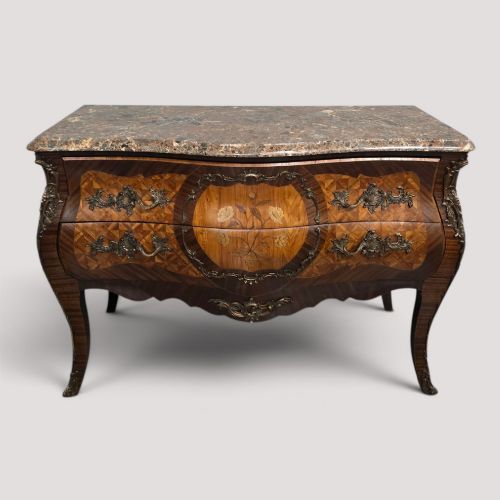
The grade of provincial walnut furniture rests upon the crispness of hand carving and the precision of inlaid parquetry. Superior examples display fluid serpentine and bombe contours that demand advanced cabinetmaking skill, whereas simpler items rely on plain rectilinear construction.
Proportion and material selection separate the finer regional pieces from standard workshop output. Well-figured timber grain, intact period hardware, and harmonious integration of marble tops distinguish the more accomplished regional commissions.
The Provincial Walnut Furniture Glossary
- Commode
- A low chest of drawers or cabinet developed in France during the seventeenth century. These storage pieces often feature serpentine or bombe fronts with marble tops.
- Parquetry
- Geometric wood inlay work used to create decorative patterns across tabletops and drawer fronts. Craftsmen cut contrasting timber veneers to form these geometric arrangements.
- Bombe
- A swelling, outward-curving contour found on the sides and fronts of advanced case furniture. This curvilinear form requires complex joinery techniques.
- Demi-lune
- A half-moon or semicircular shape applied to console tables and small cabinets designed to stand flat against a wall.
Provincial Walnut Furniture: Frequently Asked Questions
What is provincial walnut furniture?
Provincial walnut furniture encompasses tables, commodes, and cabinets made outside major capital cities using native timber. These regional pieces reflect metropolitan design trends adapted by local country craftsmen.
The selection ranges from seventeenth-century cabinets to twentieth-century dining tables, predominantly originating from French and Italian provinces.
How do I identify a commode?
A commode is a low chest of drawers, often fitted with a marble top and shaped wooden facades. Eighteenth-century versions frequently display serpentine or bombe outlines.
These storage items served functional roles in domestic interiors, particularly bedrooms and reception rooms, providing both surface space and drawer storage.
How do I care for walnut furniture?
Walnut furniture requires stable indoor humidity levels and protection from direct sunlight to prevent timber drying and fading. Regular dusting with a soft cloth maintains the polished surface.
Avoid placing pieces near direct heat sources, and treat marble tops with care to prevent staining from acidic liquids.