

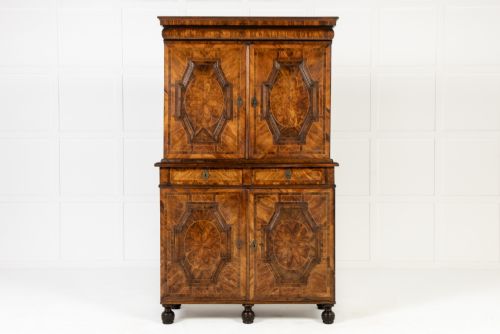


Provincial Walnut Cupboard
A provincial walnut cupboard brings warm timber tones and solid practicality to a room, offering generous storage with regional character.
Provincial Walnut Cupboard
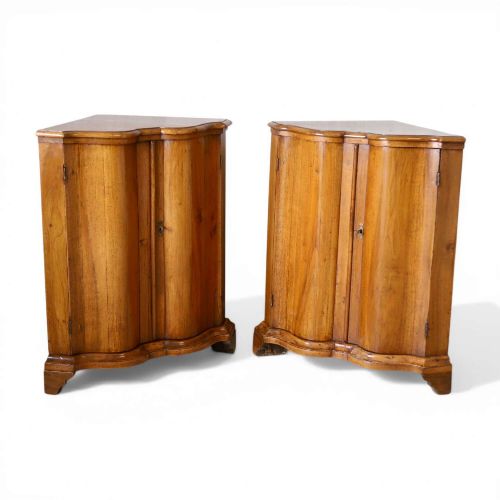
A provincial walnut cupboard encompasses a broad variety of storage pieces shaped by regional French and Italian traditions. These range from substantial buffets and dressers to compact bedside cabinets and dough bins.
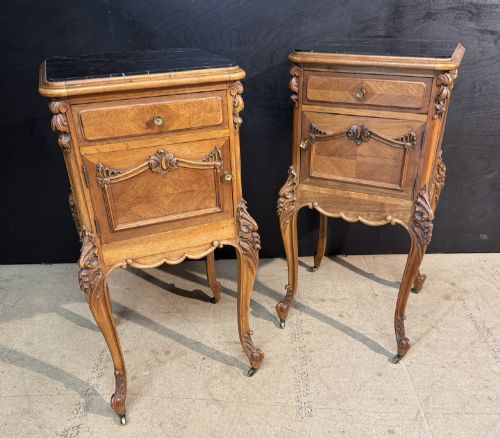
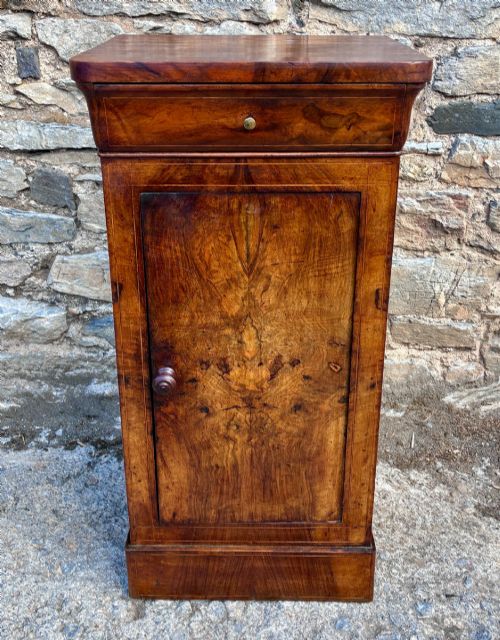
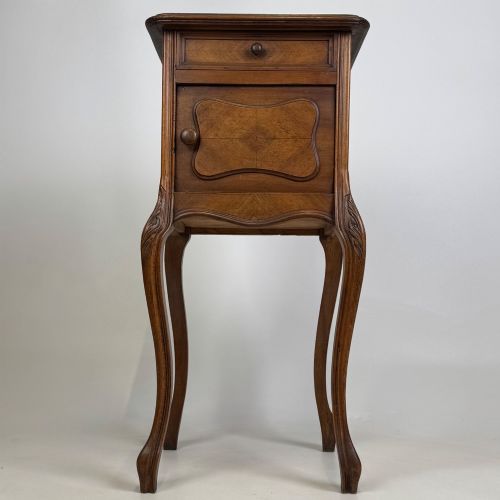
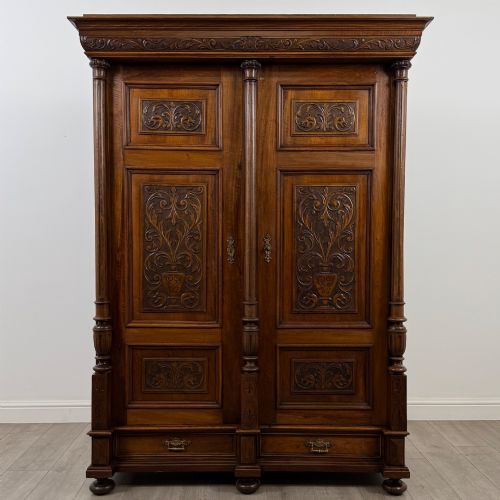
The selections span multiple centuries, with significant representation from the eighteenth and nineteenth centuries alongside early twentieth-century examples. Common formats include bedside tables, side cabinets, armoires, and corner units.
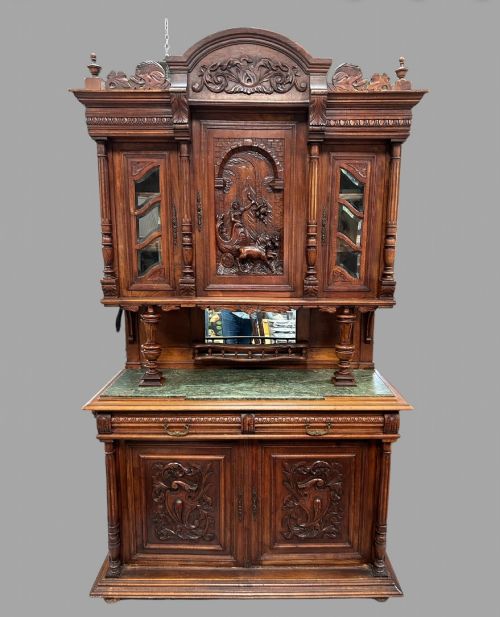
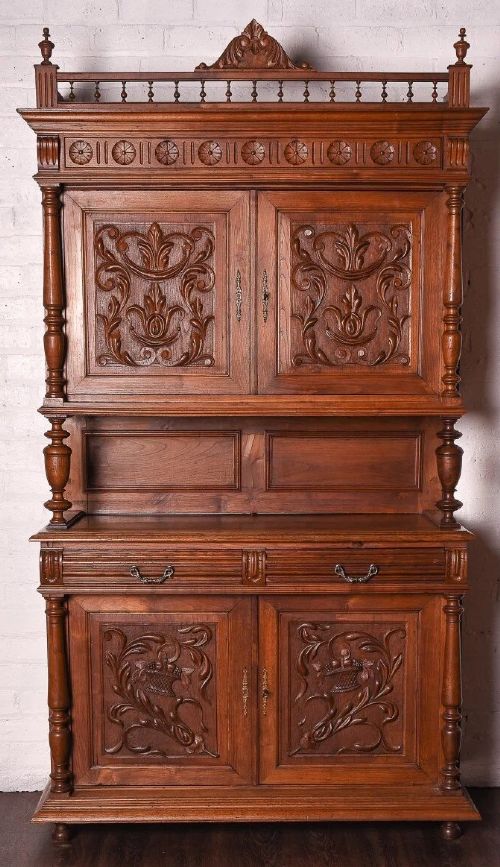
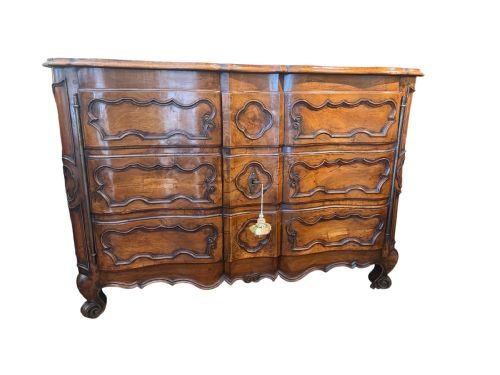
Makers working outside metropolitan centres produced these items for domestic utility, utilising local timbers and vernacular designs. Buyers most frequently encounter nineteenth-century French pieces featuring marble tops or carved door panels.
Materials and Construction
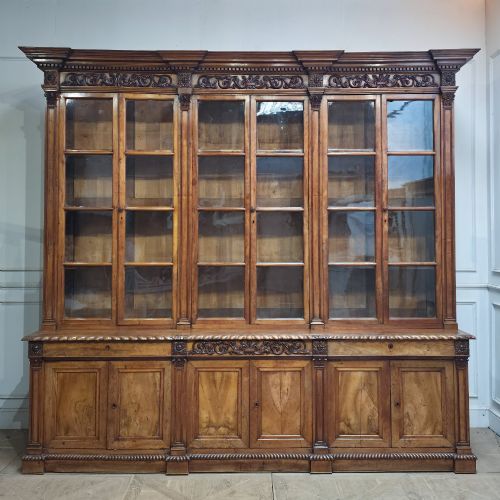
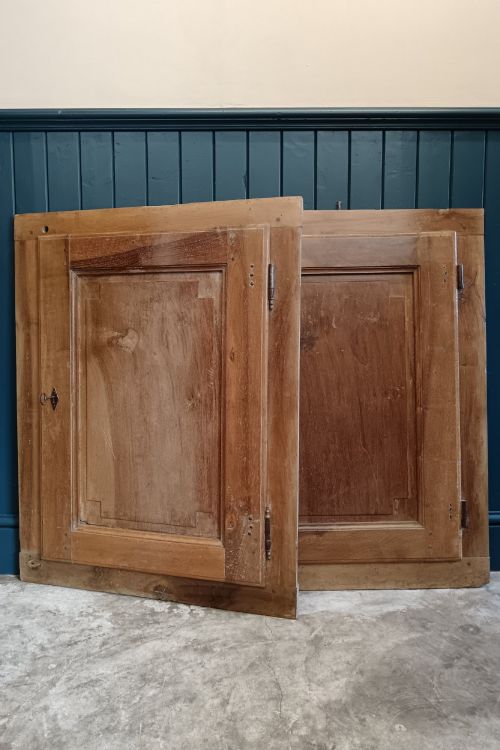
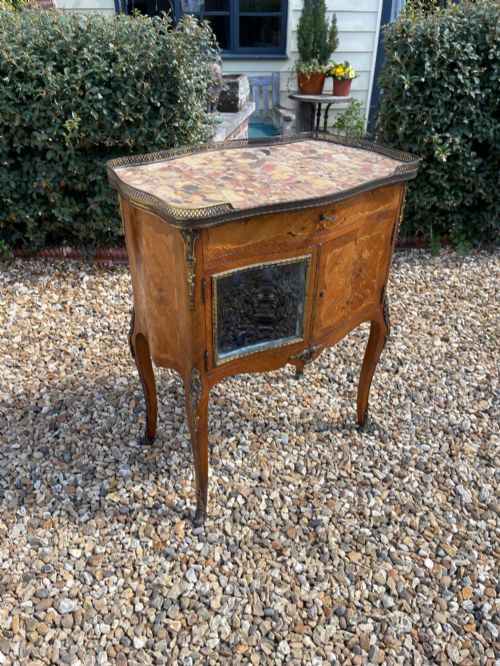
Makers relied principally on walnut for its rich grain and durability, frequently pairing the timber with marble tops in Belgian Sainte-Anne or other regional varieties. Secondary construction often integrated iron hardware, brass mounts, and occasional glass panels for display doors.
Surface treatments included marquetry, parquetry, and fine inlay work using contrasting woods like kingwood and satin walnut. Structural assembly depended on traditional joinery, turned elements such as barley twist supports, and hand-carved detailing.
Listings feature periods spanning from the seventeenth century through the 1930s, constructed in walnut, marble, brass, and iron.
Craftsmanship and Proportion
Quality reveals itself in the selection of timber figures and the precision of the parquetry or marquetry patterns. Superior examples display balanced proportions, crisp hand-carving, and integrated marble tops that fit their frames seamlessly.
Lesser pieces show simpler construction, heavier proportions, or replacement elements that disrupt the historical integrity of the carcase. The finesse of the original brass and iron hardware also distinguishes finer workshops from standard domestic output.
The Provincial Walnut Cupboard Glossary
- Panetiere
- A traditional wooden food cupboard or bread store, often featuring turned spindles for ventilation. These ventilated cabinets kept loaves safe from household pests.
- Commode
- A low chest of drawers or a cabinet with doors designed for domestic storage. Eighteenth-century versions often sit on cabriole legs.
- Demi-lune
- A half-moon shape applied to tables and cabinets with curved fronts. This profile suits narrow hallways and compact bedside spaces.
- Parquetry
- Geometric wood-mosaic work used for decorative surface patterns on tabletops and cabinet doors. Artisans arrange small wood veneers to form chequered or diagonal designs.
- Dough bin
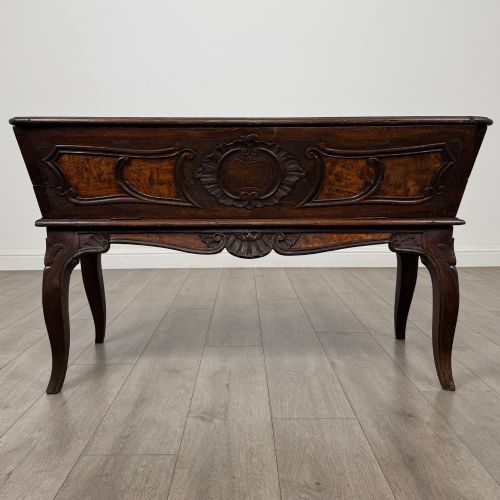
- A specialised domestic trough or cupboard once utilised for resting bread dough before baking. Many surviving examples transitioned into general household storage.
Provincial Walnut Cupboard: Frequently Asked Questions
How were these cupboards used historically?
These cabinets served practical domestic needs, storing food, textiles, tableware, or personal items in bedrooms and kitchens. Specific forms like panetieres ventilated bread, while dough bins aided in baking preparation.
Over time, many of these utilitarian items transitioned into general living spaces as decorative furniture for holding lamps, books, and household objects.
How do I place one in a modern interior?
A bedside cabinet or small nightstand fits easily beside a modern bed, adding warmth through natural timber grain and stone surfaces. Larger sideboards and armoires anchor dining rooms or hallways, providing substantial enclosed storage.
The neutral tones of walnut and marble allow these pieces to complement both contemporary minimalist spaces and traditional room schemes.
How can I tell the period of a cabinet?
Dating relies on observing construction methods, hardware types, stylistic motifs, and timber wear. Eighteenth-century items often show hand-cut joinery and regional vernacular carvings, while nineteenth-century pieces may incorporate revival styles like Louis XV or Henri II.
Twentieth-century examples, including Edwardian and 1930s productions, frequently feature standardised fittings and machine-cut elements alongside older decorative traditions.