
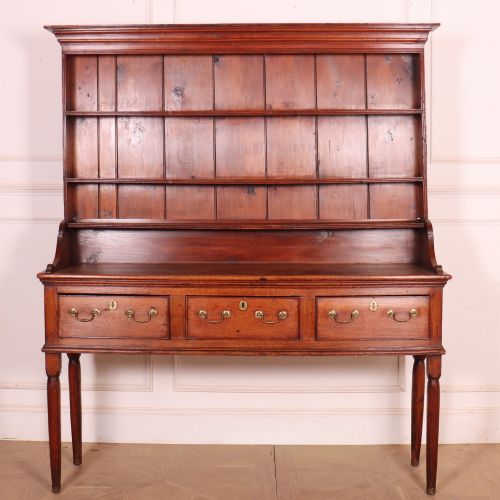

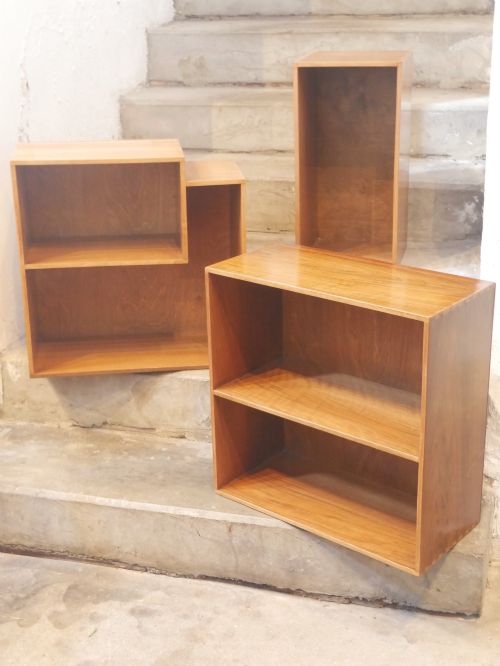
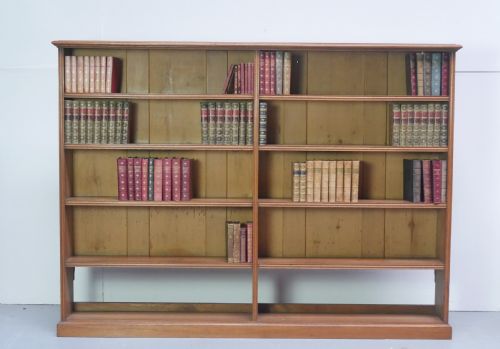


Warm Brown Wall Cabinet
A warm brown wall cabinet brings practical storage and rich timber tones to any interior.
Warm Brown Wall Cabinet
The pieces recorded on this page span several distinct periods, notably the Georgian era and the nineteenth century, alongside later mid-century examples. Common configurations include glazed doors for displaying contents and panelled timber doors that conceal interior shelving.
Originating from diverse workshops, these wall-mounted cupboards reflect regional British and continental cabinet-making traditions. Their timber surfaces display the deep, natural patination developed over generations of use.
How they were made
Constructed primarily from solid hardwoods such as oak, walnut, and mahogany, these cabinets rely on traditional joinery techniques suitable for hanging furniture. Timber is selected for its grain pattern and warm colour, often finished with natural patination rather than heavy modern sealants.
Hardware details such as brass hinges, latches, and mounted brackets provide structural support and functional operation. Glazed sections incorporate glass panes secured within wooden muntins, while regional variations include decorative turnings like barley twist details.
Bread stores once doubled as decorative kitchen art.
What varies in quality
The standard of a warm brown wall cabinet is defined by the selection of timber and the precision of its construction. Superior examples exhibit carefully matched grain patterns across panelled doors and robust internal shelving designed to bear weight securely.
Hardware integration and timber preservation dictate the longevity and aesthetic appeal of each piece. Original brass fixings and untouched patination on walnut, oak, or mahogany surfaces elevate the refinement of the cabinet.
Heal And Son
The Warm Brown Wall Cabinet Glossary
- Corner Cupboard
- A cabinet specifically shaped with an angled back to fit neatly into the corner of a room, maximising floor space. These units often feature single or double doors with shelving inside.
- Panetière
- A traditional French food storage cupboard, typically featuring turned spindles or ventilation panels designed for bread storage. These walnut pieces hang upon the wall to keep provisions secure.
- Barley Twist
- A decorative turning style resembling a twisted rope, carved into wooden columns or supports. This technique appears on nineteenth-century furniture frames and cabinet structures.
- Spice Cupboard
- A small wall-mounted timber box fitted with a hinged door, historically used for storing precious culinary spices. Early eighteenth-century examples frequently feature internal small drawers.
Warm Brown Wall Cabinet: Frequently Asked Questions
How do I hang a wall cabinet safely?
Wall cabinets require secure fixings anchored directly into structural wall studs or masonry to support the weight of the timber and its contents. Hanging brackets mounted to the rear frame distribute the load evenly.
Professional installation ensures that antique pieces remain stable and safe on the wall without straining historical joints.
What woods were used for these cabinets?
Cabinet makers utilised a variety of hardwoods depending on the period and regional tradition. Oak, walnut, mahogany, and fruitwood are commonly seen in these listings.
Each timber species provides distinct grain patterns and colour depths that contribute to the warm brown appearance of the furniture.
Were corner cupboards built for specific rooms?
Corner cupboards were designed to utilise awkward or unused angles in domestic interiors, particularly dining rooms and parlours. Their geometry allowed for efficient storage without encroaching upon central floor space.
Many examples were built to hang at eye level or above furniture like sideboards.
How do I clean antique timber surfaces?
Antique timber benefits from gentle dusting with a soft, dry cloth to remove particulate matter. Avoid modern silicone polishes that can build up and dull the natural patina over time.
Applying occasional specialist wax preserves the moisture and rich colour of oak and walnut surfaces.