

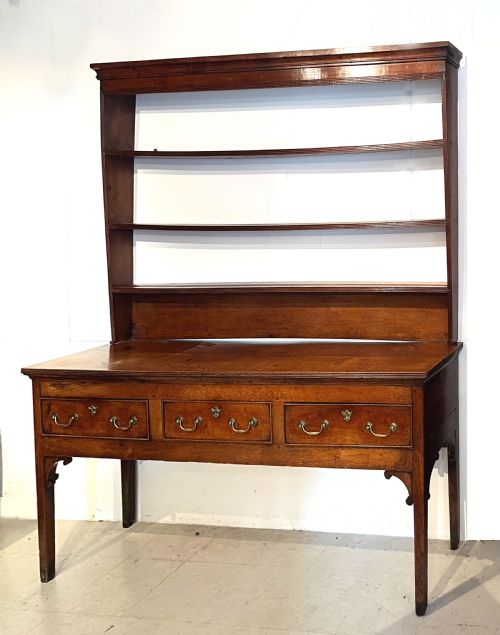


Warm Brown Hutch
A warm brown hutch brings rustic presence to a room, offering both display space and deep storage through generations of craftsmanship.
Warm Brown Hutch
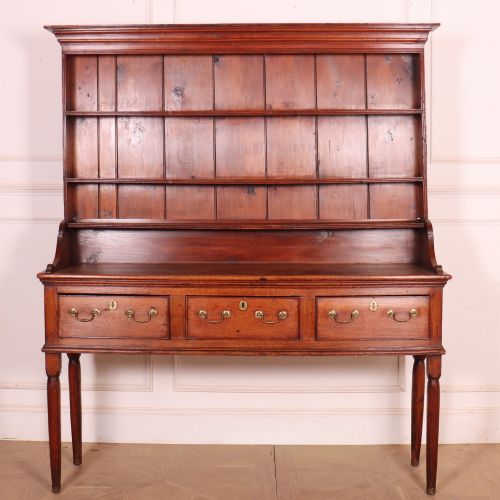
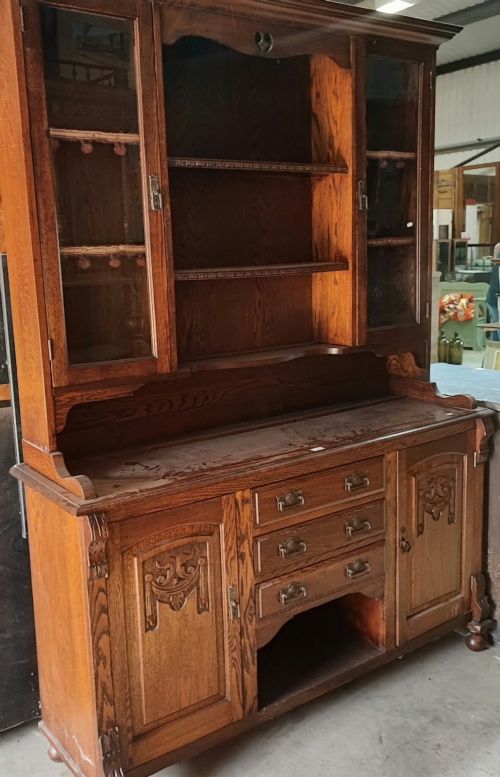
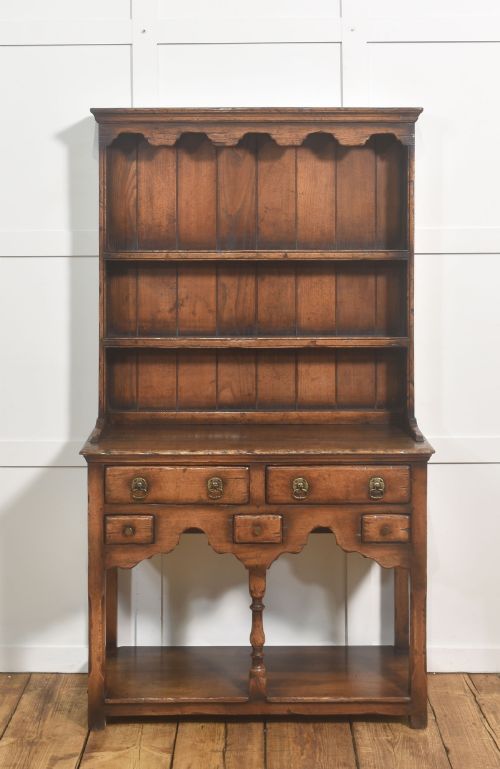
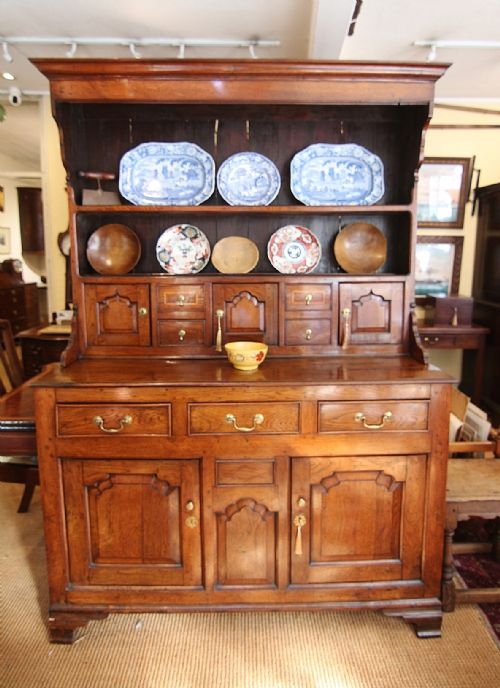
When you search for a warm brown hutch, you are looking at substantial country furniture designed for storing and displaying domestic wares. The examples on this page span several centuries, with a strong representation of oak and walnut pieces from the eighteenth and nineteenth centuries.
Construction and Materials
Timbers such as oak, walnut, cherrywood and pine form the structural backbone of these pieces, often worked by hand using traditional joinery methods. Cabinet makers utilised brass for handles and hardware, alongside glass panes in upper display sections and occasional bone inlay for decorative detail.
Surface finishes rely on natural grain patterns developed over decades, sometimes enhanced by period inlay work in mahogany or fruitwood. Construction techniques range from pegged mortise and tenon joints in earlier country pieces to later Victorian production methods.
Assessing Quality
The distinction between tiers of quality rests on timber selection, the crispness of hand-cut joints and the integrity of original surface patination. Superior examples retain their original brassware, backboards and plate racks without heavy timber replacement.
Proportion and regional character also dictate distinction, as vernacular pieces with untouched regional traits hold greater coherence than heavily altered items. The harmony between the base storage and the upper rack reveals the maker's eye for balance.
Early Heals of London
The Warm Brown Hutch Glossary
- Welsh dresser
- A traditional kitchen unit featuring an enclosed base of drawers and cupboards surmounted by open shelves for displaying plates. These pieces form a cornerstone of country furniture history.
- Vernacular
- Furniture built by local tradesmen using regional traditions rather than following strict metropolitan academic designs. This style prioritises practical utility and local materials.
- Plate rack
- The open shelving superstructure fixed to the top of a dresser, designed specifically to display ceramic plates upright. It forms an integral visual component of the hutch.
- Secrétaire bookcase
- A tall cabinet incorporating a pull-down writing drawer above lower storage and upper shelving. It represents a more formal variation of storage furniture.
Warm Brown Hutch: Frequently Asked Questions
What is a warm brown hutch?
A warm brown hutch is a traditional storage and display unit, typically combining a cupboard base with open upper shelving.
These pieces originate from various regional workshops across Britain and France during the eighteenth and nineteenth centuries.
How were these dressers used historically?
Families used them in kitchens and dining rooms to store heavy crockery, cookware and everyday provisions while displaying prized ceramic plates.
The upper shelves kept tableware accessible, whilst the lower cupboards concealed bulkier kitchen equipment.
How do I style a hutch at home?
Position the piece against a main wall in a kitchen or dining space where its substantial timber presence can anchor the room.
Use the open shelves to display ceramics, glassware or books while keeping everyday items hidden in the base cupboards.
How do I distinguish eighteenth-century pieces?
Look for construction indicators such as hand-sawn timbers, pegged joints, period brass hardware and deep patination accumulated over centuries.
Regional characteristics, such as specific Snowdonia or French provincial framing techniques, also help identify the period.