



Provincial Oak Desk
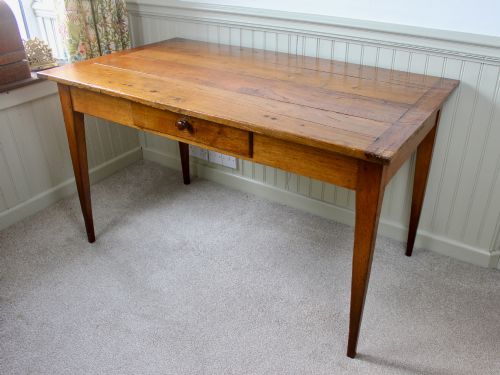
A provincial oak desk brings sturdy regional character and honest timber grain into a room, offering a functional workspace rooted in centuries of rural craftsmanship.
Provincial Oak Desk
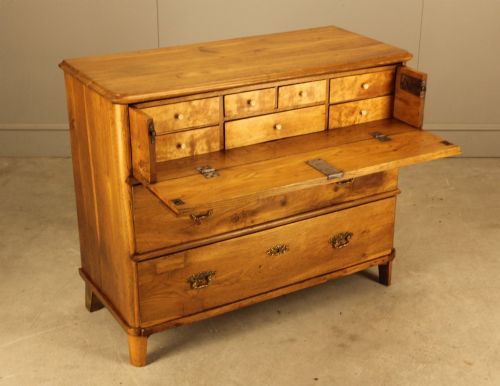
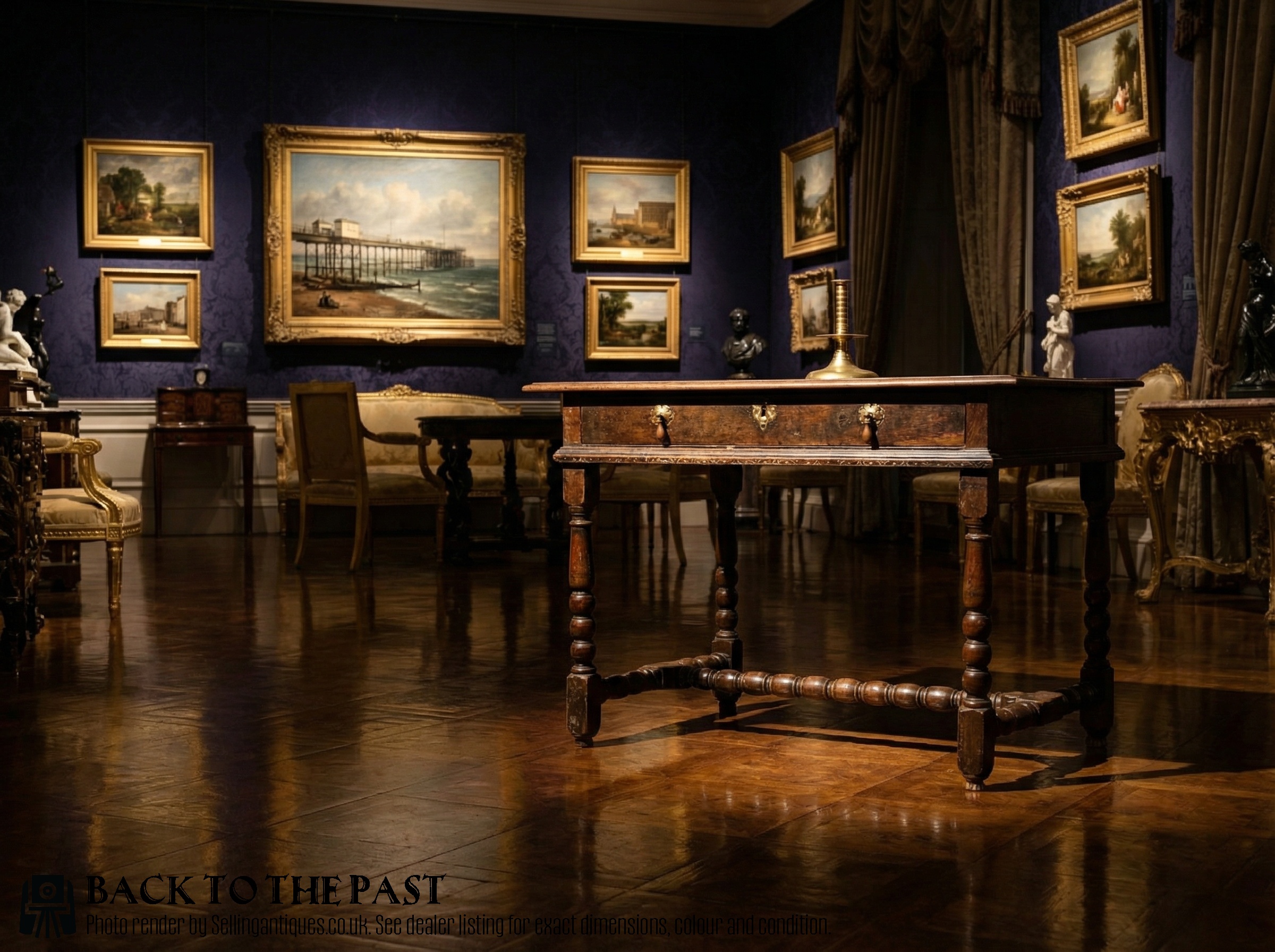
A provincial oak desk embodies the practical writing and working furniture produced outside major metropolitan centres, drawing on regional traditions from the seventeenth century through to the early twentieth century. These pieces combine utilitarian forms with the rich, warm tones of native timber, reflecting the daily needs of country houses, farmhouses and provincial libraries.
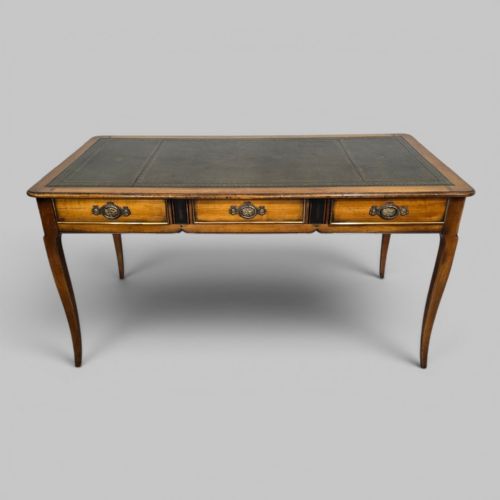
While the archive and current listings span various tables and writing surfaces such as partners library desks and occasional tables, the core of this search phrase centres on sturdy timber construction designed for actual use. You will frequently encounter French provincial examples alongside English country pieces, each displaying the straightforward proportions typical of rural cabinet making.
How they were made
Makers relied primarily on solid oak, often supplemented with secondary timbers such as elm, beech, poplar and iron hardware to ensure structural durability. Planks were hand-planed and joined using traditional methods that allowed the timber to move naturally with changes in humidity and temperature over the decades.
Surface finishing remained relatively simple, focusing on the natural grain of the oak rather than heavy veneers or elaborate gilding. Some pieces show the marks of bleaching or simple wax polishing applied over generations of use, preserving the tactile quality of the wood.
Materials appearing alongside oak in these categories include elm, beech, poplar, brass, iron and leather.
What varies in quality
The distinction between ordinary and superior pieces rests on the selection of timber and the integrity of the original construction rather than surface embellishment. Heavier scantlings of oak, well-balanced proportions and drawers constructed with hand-cut joints set the better examples apart.
Condition also plays a central role, particularly the survival of original hardware, unaltered timber patination and feet that have not suffered from damp or woodworm. Pieces that retain their honest working character without excessive modern restoration command greater respect among collectors.
The Provincial Oak Desk Glossary
- Provincial
- Refers to furniture made outside the capital city, often displaying local design traits and regional materials rather than fashionable court styles. These pieces prioritize utility and sturdy construction over metropolitan polish.
- Partners desk
- A large double-sided writing table designed with drawers and cupboards facing both directions so two people could work opposite one another. They often feature generous proportions and high-grade timber.
- Trestle table
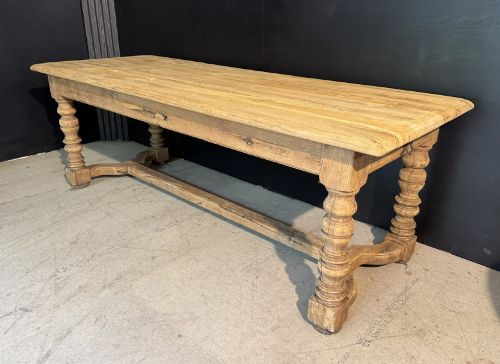
- A table consisting of two or more supports connected by a horizontal beam, holding a solid board top. This form offers robust stability and practical legroom for daily tasks.
- Patination
- The natural surface sheen and colour acquired by wood, leather and metal through age, handling and exposure to light. A desirable patination cannot be artificially replicated with modern chemicals.
- Side table
- A small functional table designed to stand against a wall or beside other furniture, often fitted with drawers. In country houses, these served versatile roles for writing, serving or holding objects.
Provincial Oak Desk: Frequently Asked Questions
How do I date a provincial oak desk?
Dating relies on observing construction techniques, tool marks, hardware and timber selection. Hand-cut joints, pegged tenons and the specific thickness of the boards provide clues pointing to centuries ranging from the seventeenth to the early twentieth.
Style indicators also help narrow the period, though country furniture often lagged behind urban fashions. Comparing the piece to documented examples from the same region offers the most reliable guide.
Are these desks suitable for daily use?
These desks were built precisely for hard work and heavy daily tasks, making them exceptionally durable for modern home offices. Solid oak construction handles laptops and paperwork with ease while providing a stable, reliable surface.
Proper placement away from direct heat sources and radiators protects the antique timber from drying out or splitting. Routine dusting and occasional wax polishing keep the surface conditioned for continued use.
What is the difference between English and French provincial desks?
French provincial desks often exhibit softer carved details influenced by regional preferences and sometimes incorporate lighter bleached oak finishes. English country pieces generally lean towards simpler, heavier lines with a focus on unadorned utility.
Both traditions utilise native timbers, but the joinery and moulding profiles reflect the distinct vernacular styles of their respective countryside makers.
How should I care for an oak desk surface?
Maintaining an antique oak surface requires simple cleaning with a dry or barely damp cloth to remove dust without harming the wax finish. Avoiding harsh chemical cleaners preserves the historic patination accumulated over generations.
Applying a traditional beeswax polish periodically nourishes the timber and protects the grain from moisture. Using protective pads underneath writing implements prevents accidental ink stains or scratching on the historic wood.